What Is Caffeine for Skin: Selling Topical Caffeine Skincare
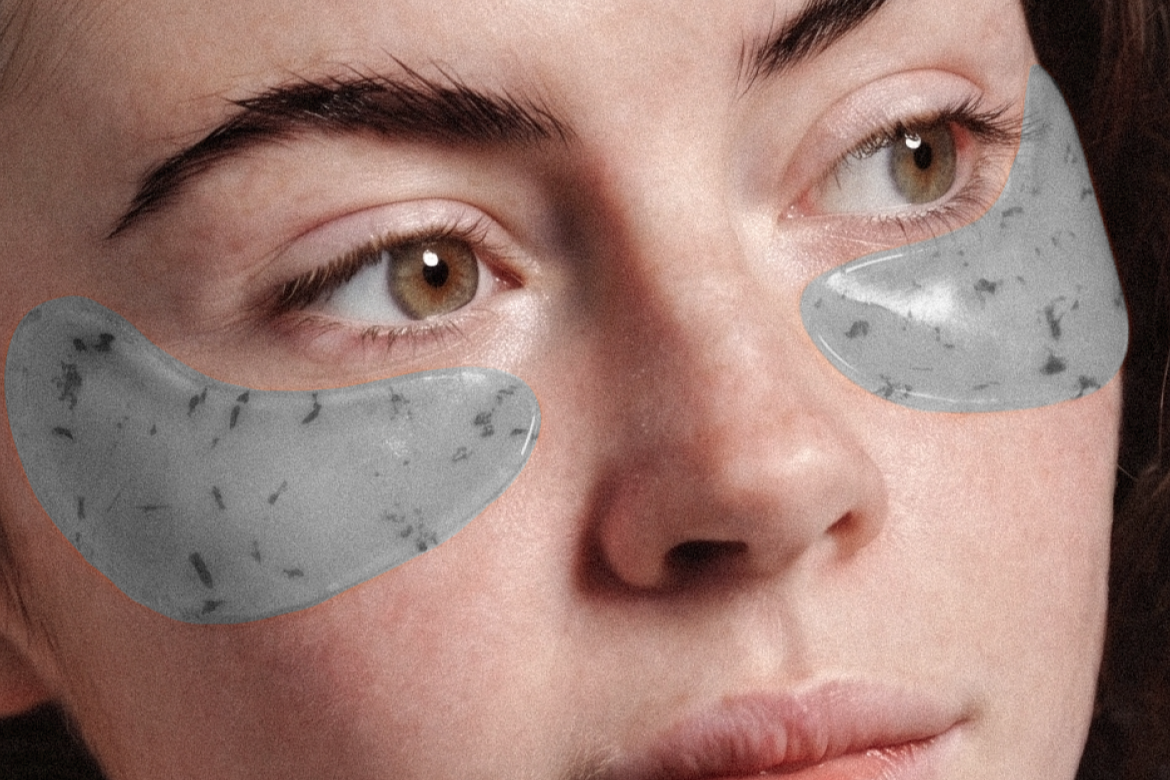
Table of Contents
Caffeine has something many skincare ingredients have to work hard to earn: instant recognition. Customers already connect caffeine with energy, mornings, and feeling awake.
That familiarity is valuable. You’re starting with an ingredient people recognize, pairing it with concerns they already shop for, including puffy under-eyes or tired-looking skin. That can make the product story easier to communicate across packaging, ads, social content, and product pages.
But a familiar name still needs a formula that makes sense. What does caffeine do for your skin when applied topically? Let’s take a look at how caffeine for skin works. Which benefits are worth building a product around. And how beauty brands can turn caffeine into bestselling skincare.
Key Takeaways
Caffeine can help skin look fresher, brighter, and less puffy.
Under-eye care is a natural fit for caffeine.
The full formula shapes how a caffeine product feels, performs, and suits different skin types.
Caffeine gives beauty brands a familiar hero ingredient that can work across several product formats.
What Is Caffeine in Skincare?
Caffeine may be familiar from coffee, but it plays a very different role once it shows up on a cosmetic ingredient list.
Caffeine is a naturally occurring compound found in plants including coffee and tea. In cosmetics, it’s added to topical formulas such as creams, under-eye patches, gels, serums, and hair care products.

Research reviewing caffeine's use in cosmetics also highlights one particularly useful characteristic: it can penetrate the skin, which has helped make it viable for topical applications:
First, caffeine gets in. Because it can pass through the skin barrier, a topical formula can reach lower dermal layers.
Once it's there, caffeine can temporarily constrict small surface vessels. Narrower vessels mean less fluid appears to pool near the surface.
On the face, that reads as reduced puffiness. Around the eyes, where skin is thinnest, it also softens the bluish, shadowy tone that makes under-eyes look tired.
One thing worth keeping clear for you and your customers: this is a temporary change in how skin looks, not a lasting change to the skin itself. That's why caffeine works so well in morning and quick-refresh products.
What Does Caffeine Do for Your Skin?
Caffeine’s appeal becomes much easier to understand when you look at the concerns it tends to show up next to. A puffy face in the morning, tired-looking under-eyes, or skin that could use a quick refresh.

The main cosmetic caffeine benefits for skin include:
Helps tired-looking skin look refreshed. Caffeine is well suited to products used in the morning or whenever skin could use a quick pick-me-up.
Supports a brighter appearance. Caffeine-based formulas can help tired or dull-looking skin appear fresher and more energized.
Helps reduce the look of puffiness. Caffeine can temporarily constrict blood vessels, which can make puffiness appear less noticeable. Since the effect is temporary, product positioning works best when it focuses on a refreshed appearance rather than a lasting change.
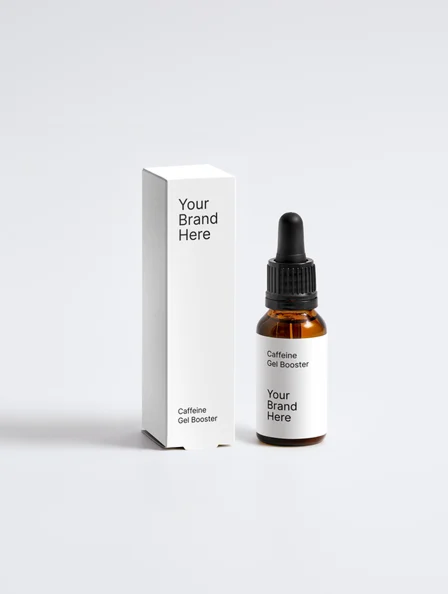
The benefits of caffeine address concerns customers expect and see right away, giving it a natural place in morning routines and quick-refresh products. Our Caffeine Gel Booster is built for exactly that kind of wake-up moment.

Choosing the Right Caffeine Skincare Formula
Caffeine may be the name that sells the product, but it’s only one part of what lands on the skin. For customers and founders alike, the rest of the formula deserves just as much attention.
Caffeine Is Only Part of the Formula
Customers are getting better at reading past the ingredient on the front of the bottle. Sixty-five percent say they always or most of the time read ingredient labels when shopping for skincare, beauty, or wellness products, while 62% actively look for ingredients they want and ingredients they would rather avoid.
Gen Z is especially likely to use labels to screen for ingredients they don’t want.
That puts more weight on the full formula. Two caffeine products may feature the same hero ingredient, yet concentration, supporting ingredients, fragrance, and texture can make them feel completely different on the skin.
That matters when communicating benefits, too. Caffeine may appear in products targeting different concerns, but the claims on the packaging should reflect what the complete formula is actually designed to deliver.
Caffeine Can Work for Sensitive Skin
Sensitive skin is a much bigger audience than it may seem. A review of prevalence studies found that around 60–70% of women and 50–60% of men report some degree of skin sensitivity.
Many people with sensitive skin may still be able to use caffeine products, although tolerance depends on the individual and the complete formula. If sensitivity is a concern, it makes sense to introduce a new caffeine product gradually and patch test it first.
Sensitive skin positioning calls for extra care when branding. Supporting ingredients, fragrance, texture, and product claims should all make sense for the customer you’re trying to reach.
Why Caffeine Works So Well in the Eye Care Category
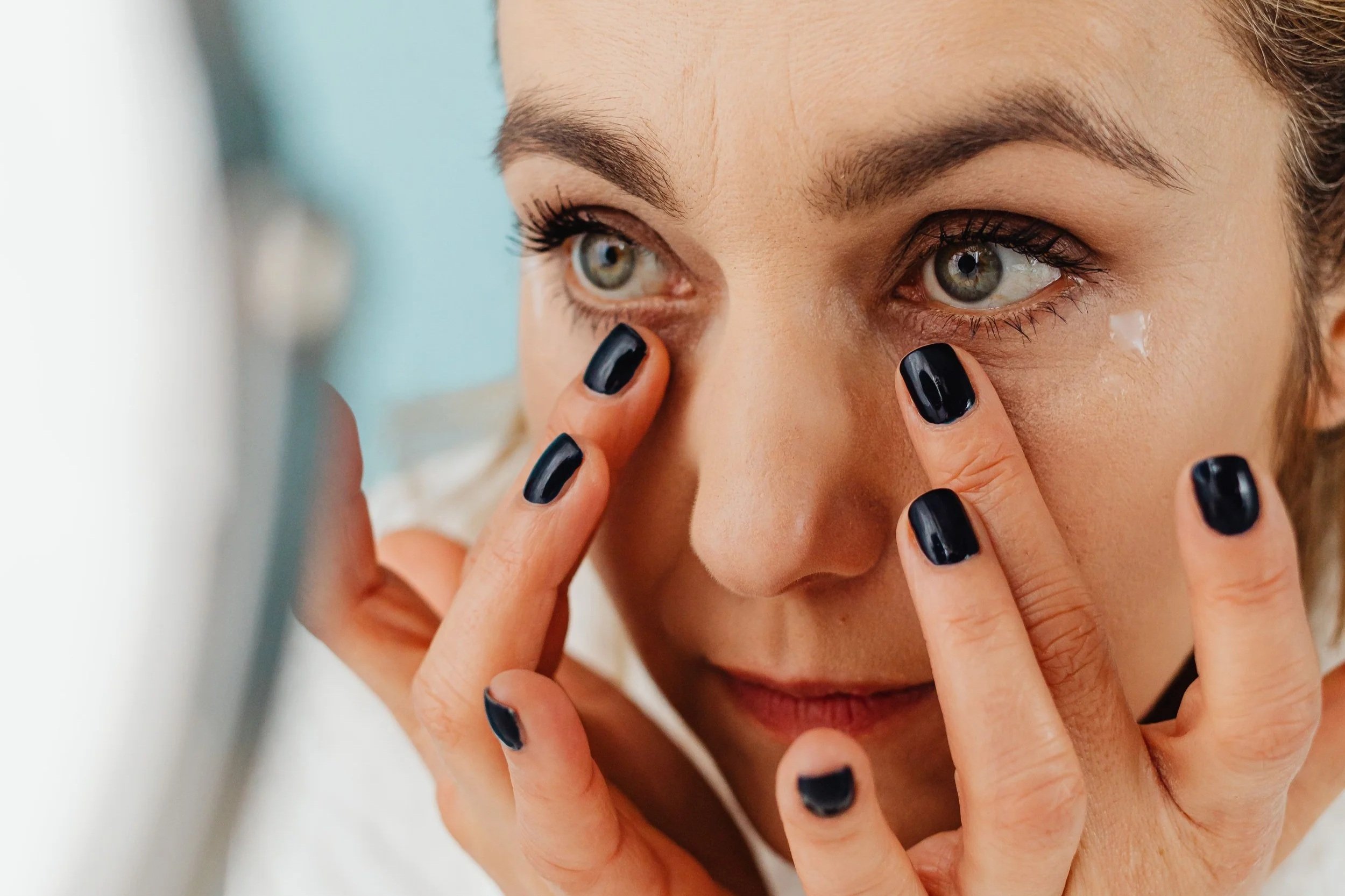
The eye area is small, but the concerns around it are anything but. In a global survey of 14,584 people, 36% said under-eye bags and dark circles were a major concern, making them the most commonly reported high-level facial concern in the study.
That helps explain why caffeine has found such a natural home in eye care. Its benefits align with concerns such as puffiness and tired-looking eyes, while other ingredients can give the formula a wider role in hydration, dark circles, fine lines, and wrinkles.
For brands, the format can do some of the positioning work. A cooling gel, concentrated serum, and hydrogel patch can each turn the same under-eye concern into a different product experience.
How Beauty Brands Can Market Caffeine Skincare Products
Caffeine already comes with a story customers understand. The opportunity for beauty brands is to turn that familiarity into a clear reason to choose the product.


Lead With the Ingredient
Caffeine can work well as a hero ingredient across product pages, packaging, and social media. Give it a clear role in the formula and keep the messaging close to what the finished product can actually deliver.
Own the Morning Routine
Morning positioning gives caffeine an obvious place in a skincare routine. For example, a Caffeine Gel Booster can sit naturally alongside cleansers and moisturizers as part of a “wake up your skin” routine.
Make Eye Care Visual
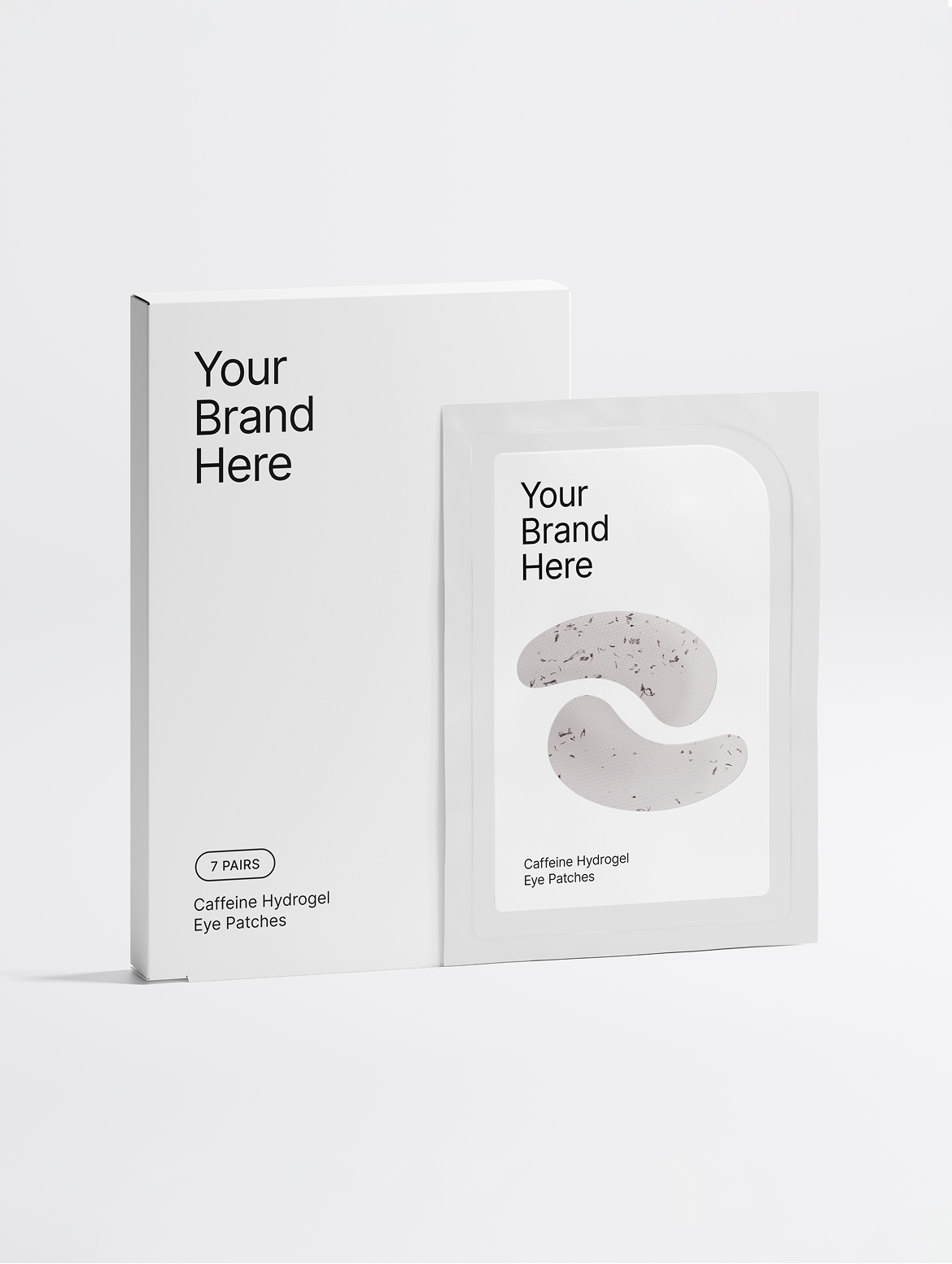
Eye products give brands plenty to show. Demonstrate how patches are applied, work them into a quick morning routine, or create content around getting ready for work, travel, or an event. Caffeine + Vitamin C Energizing Hydrogel Eye Patches, for example, fit naturally into this kind of self-care and social content.

Sell the Moment
Sometimes the occasion is more interesting than the ingredient. Think early mornings, long flights, late nights, or a Sunday reset. These moments give caffeine skincare a role in customers' lives and can make campaign ideas feel much less generic.
Build a Caffeine Routine
Caffeine can also open up cross-selling opportunities across categories. Pair face and eye care into a simple routine, then carry the same ingredient story into scalp care with a product like the Keratin Volume Boost Shampoo.
The goal is to give each product its own job while connecting them through a recognizable ingredient story. That makes it easier to start with one caffeine product and gradually build a collection around it.
Turn the Benefits of Caffeine Into a Strong Product Story
Caffeine works best when there’s a clear reason for it to be in the formula. Customers may recognize the ingredient, but the product still needs to connect that familiarity with a concern they care about and a routine that makes sense.
For your beauty brand, that could mean an eye product for tired-looking skin, a morning face formula, or a wider caffeine-led product range. Keep the claims realistic, pay attention to the complete formula, and make the product’s purpose relatable.
When those pieces come together, caffeine for skin becomes more than a familiar name on the label. It becomes an ingredient your brand can build a clear product story around.
Frequently Asked Questions
-
Caffeine is often used when skin looks puffy, dull, or tired. Think of it as an ingredient for a fresher, more awake-looking complexion.
-
It can be, especially if puffiness or tired-looking skin is the concern. The benefits you get will also depend on the other ingredients in the formula.
-
For most people, caffeine is fine to use on the skin. If your skin is sensitive, start slowly and pay attention to how it reacts to the full product.
-
Yes, which is why you’ll see it in so many eye gels, serums, and patches. It’s particularly popular for mornings when the eye area looks puffy or tired.
-
It may help improve the appearance of some dark circles, particularly when blood vessels contribute to their appearance. Genetics, pigmentation, and facial structure can also play a role.
-
Many are made for everyday use, but check the directions on your specific product. Your skin is also a good guide to how often you should reach for it.
-
You’ll often find caffeine alongside vitamin C, hyaluronic acid, and hydrating ingredients. For products aimed at fine lines or wrinkles, it can also be part of a wider formula built around those concerns.
Must read