Table of Contents
You have an idea for a beauty brand. Maybe it came from a product you wish existed, a question your salon clients keep asking, or an audience that already trusts your skincare recommendations.
Let’s answer the main questions:
Where do you find products?
How much do you need to start?
Can you sell cosmetics online without developing your own formulas?
And how do you win over someone who’s never heard of you?
Starting small is realistic. You can build a store around a few carefully chosen products, lean on existing formulations, and let a supplier ship the orders. That lets you test the idea before committing to stock.
Here’s ten steps, from finding your niche to making your first sale. Let’s take a look.
Key Takeaways
An ecommerce business is an easy starting point for beauty founders to launch with a small budget and reach customers globally.
Private label products and dropshipping make it possible to start a beauty brand without developing formulas or buying bulk inventory.
A clear niche, realistic pricing, and strong brand identity determine long-term success.
A well-designed website with clear product information and simple checkout helps build customer trust.
A focused marketing strategy using social media, creators, and email can attract first-time buyers and encourage repeat purchases.
Why Start an Ecommerce Beauty Brand in 2027?
Beauty shopping has changed. Someone might discover a moisturizer on TikTok, check the ingredients, read a few reviews, and buy it online that same evening. For new beauty founders, that creates opportunities that once depended on getting products into physical stores.
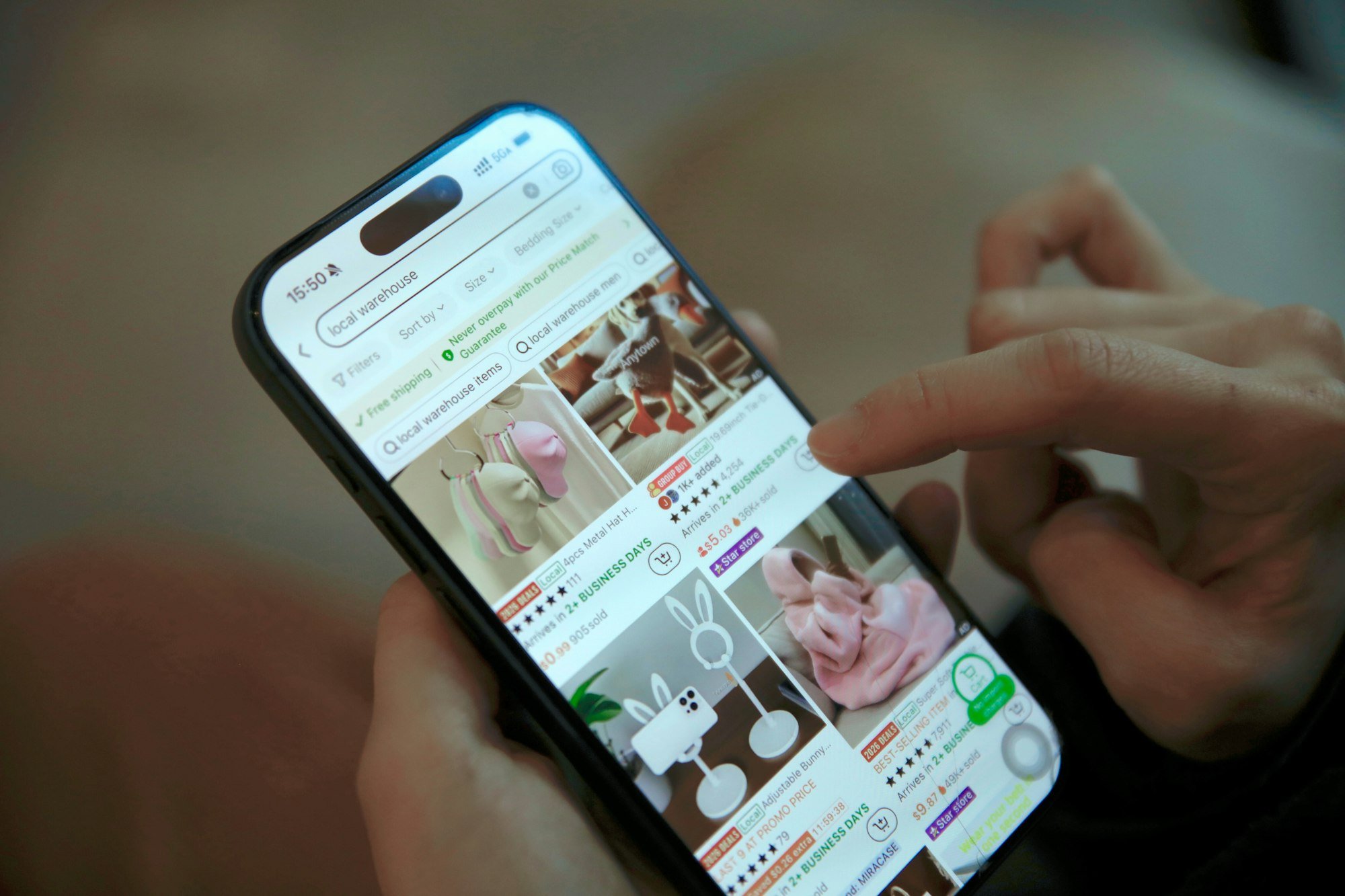
The numbers show just how important online shopping has become. According to McKinsey's State of Beauty 2026 report:
28% of global beauty sales now come from ecommerce, making it the largest sales channel;
ecommerce is already the largest beauty channel and is expected to drive most of beauty’s growth through 2030;
around $4 billion in US beauty sales are projected on TikTok in 2026.
For someone starting with a small budget, ecommerce offers some welcome flexibility. You can:
launch with just a few products and expand when demand grows;
reach customers through social media, creators, and your own website;
test product ideas and learn directly from customer feedback;
build relationships with shoppers without opening a physical store.
Brands like Glow Recipe, Summer Fridays, and Rhode have built strong online communities around recognizable products and clear brand identities. Their journeys offer plenty of inspiration.
Your first goal can be much simpler: find a product people genuinely want, make it easy to buy, and give those first customers a reason to come back.
Step 1: Define Your Niche and Target Audience
Start by choosing a specific group of customers and understanding what they want from their beauty products. A clear niche helps your company stand out and gives your marketing strategy a direction.
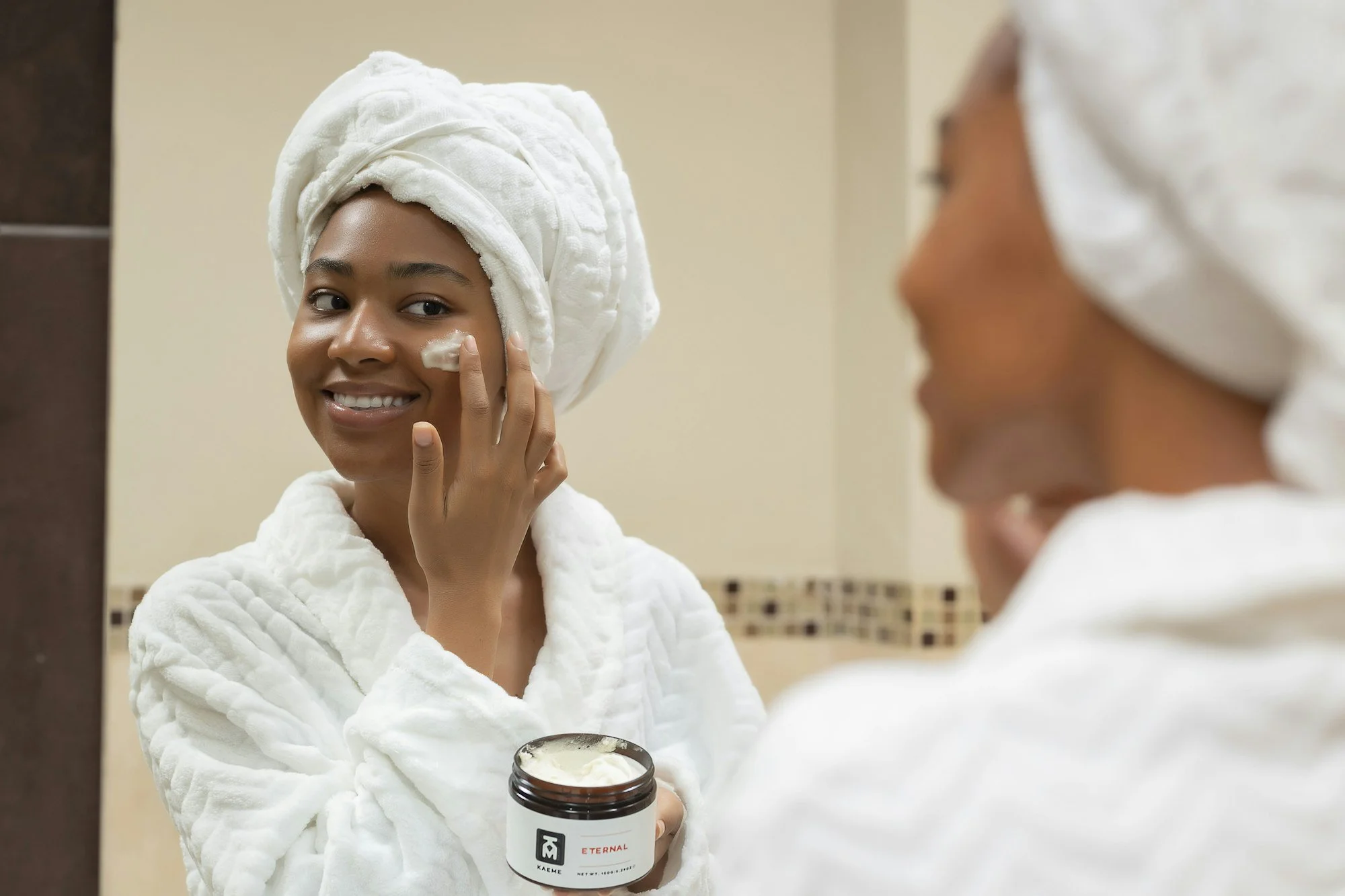
Maybe you've dreamed of creating a moisturizer you wish existed, or your clients keep asking about a certain lip product. That's a promising starting point. Now find out whether others are looking for the same thing.
Some beauty niches worth exploring include:
sensitive skin and gentle skincare routines;
vegan and cruelty-free beauty;
men's grooming;
minimalist skincare;
salon-quality hair care;
body care and beauty gift sets.
Once an idea catches your interest, browse TikTok, Amazon reviews, Reddit discussions, and Google Trends.
Look for recurring frustrations and requests. If people keep complaining about greasy moisturizers, for example, a lightweight alternative might be worth exploring.
These conversations can help you find your niche in the skincare market and create products people genuinely want.
What Is the Best Beauty Business to Start?
The best beauty business to start is often one that builds on what you already know about your customers.
If you're a makeup artist, you probably know which products clients ask about after an appointment. A salon owner might notice that customers struggle to maintain their hair care routines at home. And if you're starting with a small budget, private label skincare offers a way to build your own brand using existing formulations.
Private label makeup and hair care can be good starting points too, especially if you already have an audience interested in those products.
Before settling on an idea, ask yourself:
Who would buy it? Think about their routines, preferences, and budget.
What are they looking for? Find a need you can address with your products.
Why would they choose your brand? Give them a clear reason to try something new.
A product that makes someone's everyday routine a little easier can be a strong foundation for a new brand.
Step 2: Choose Your Product Strategy
You've got an idea of who you're selling to. Now comes the fun part: choosing the products that will carry your company's brand name.
You don't need to invent a formula or order hundreds of products to get started. There are simpler ways to launch, especially if you're figuring out how to start a beauty business on a small budget.
Your first decision is how your products will be made. Your second is how they'll reach your customers.
Private Label vs White Label
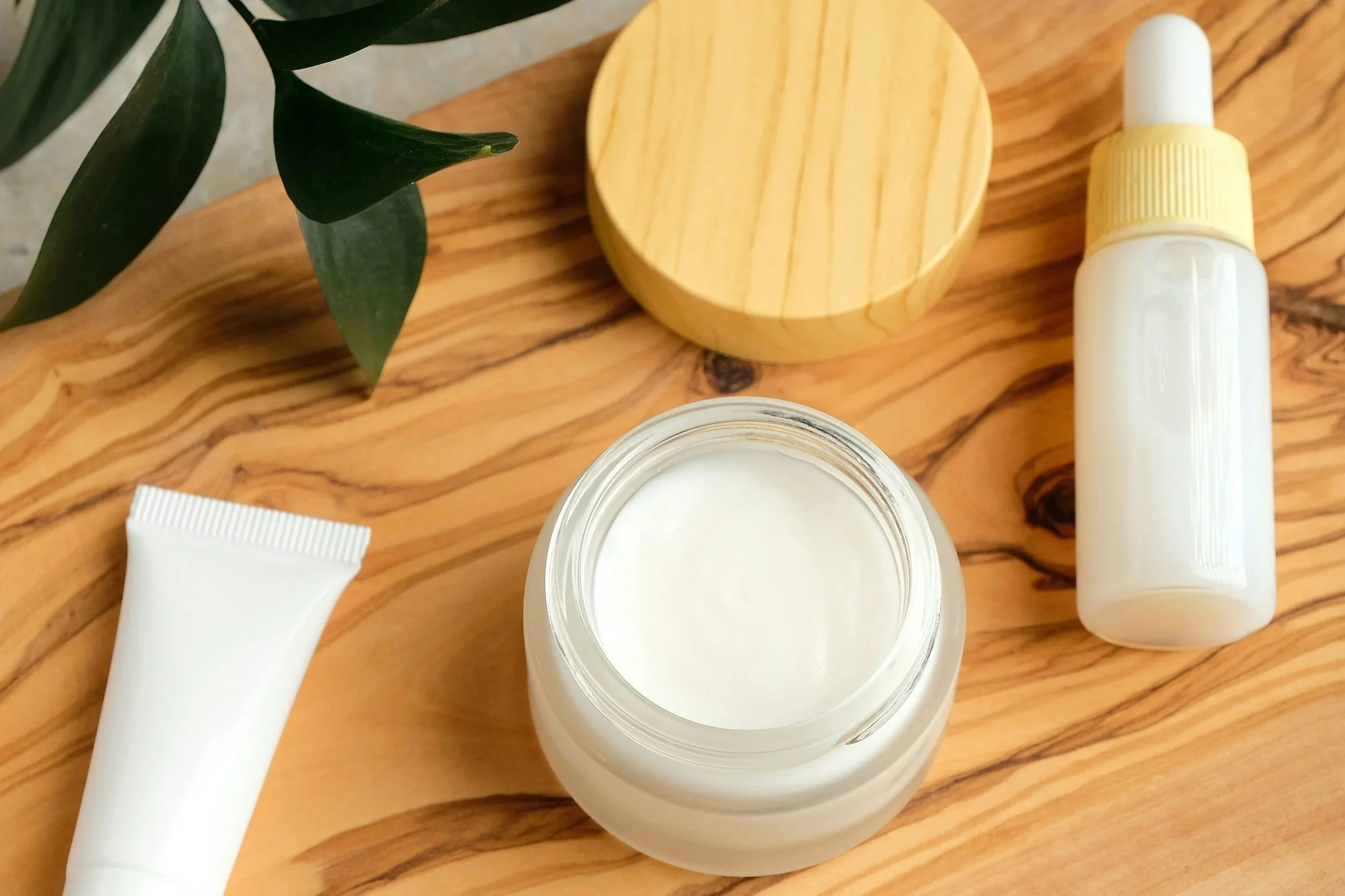
Both options let you sell existing beauty products under your own brand. The difference is how much you can make them your own.
Private label typically gives you more choice over products, branding, and packaging, depending on the supplier. You might choose a gentle cleanser and lightweight moisturizer, then create packaging that feels right for your audience.
White label usually means choosing from more standardized products with fewer customization options. It can be a straightforward way to launch, although you'll have less room to differentiate your range.
If having a recognizable brand matters to you, it's worth understanding the differences between private label and white label before choosing a supplier.
Bulk Inventory vs Dropshipping

Imagine your first order coming in. It's exciting, but someone still has to pack that moisturizer and get it to your customer.
With bulk inventory, you purchase stock upfront and arrange storage and shipping yourself or through a fulfillment partner. Larger orders can mean better prices per product, but your money is tied up in inventory until those products sell.
With dropshipping, your supplier keeps the stock and ships each order directly to your customer. You can launch with less upfront spending and see which products people actually want.
| Bulk inventory | Dropshipping | |
|---|---|---|
| Upfront investment | Higher | Lower |
| Storage and shipping | You or a fulfillment partner | Your supplier |
| Product cost | Often lower at volume | Usually higher |
| Best suited to | Predictable sales | Testing demand |
For a first launch, dropshipping can give you some breathing room. You'll still want to check delivery times, shipping fees, and returns policies. Those details matter just as much as the products themselves when choosing between bulk ordering and dropshipping.
How to Start a Private Label Skincare Business Online
If you're wondering how to start a private label skincare business, start with a few products you'd genuinely feel good recommending.
Order samples. Try the textures, look closely at the packaging, and think about how the products fit into someone's daily routine. A cleanser, serum, and moisturizer could be enough for your first collection.
Selfnamed makes this easier with ready-made skincare formulations and no minimum order quantities. You can test products through sample sets.
It's a practical route for anyone learning how to start a beauty brand without a large upfront investment. And if you're considering developing products from scratch later, understanding what goes into creating your own skincare line can help you plan that next stage.
For now, a small, well-chosen collection is plenty to begin with.


Step 3: Plan Your Budget and Pricing
It's easy to get carried away imagining your first collection. The beautiful packaging, the product photos, the moment someone places that first order.
Then you start adding up the costs.
If you're working with a small budget, knowing exactly where your money is going can make the whole idea feel much more manageable. You can launch with a few carefully chosen products, see what customers respond to, and invest more as sales grow.

How Much Should You Budget?
You can start an ecommerce beauty brand with a few hundred dollars, especially if you choose private label products and the best dropshipping niche. Your costs will depend on your supplier, online store, ecommerce platform, and how you plan to reach customers.
Here's how you might use three different budgets:
| Starting budget | What it could cover |
|---|---|
| Around $500 | Product samples, a basic online store, simple branding, and a small marketing test. |
| Around $2,000 | A few more products, better photography, packaging samples, and some budget for creators or advertising. |
| $10,000+ | Bulk inventory, professional branding, a larger launch campaign, and more room to experiment. |
These are example budgets rather than fixed prices. A $500 launch will look very different from a $10,000 one, and that's perfectly fine.
Selfnamed has no minimum order quantities, so you can begin with a small collection instead of paying for hundreds of products upfront.
One expense worth protecting is your sample budget. Trying a product yourself before selling it can save you from a much more expensive mistake later.
Make Sure Your Prices Actually Work

Before setting your prices, work out how much you'll actually earn from each sale.
Say you sell a serum for $30. The product costs $10, shipping and packaging cost $5, and payment processing takes another $1. That leaves you with $14, or a 46.7% margin, before marketing and other expenses.
Spend $8 on advertising to get that order, and you're down to $6 before platform fees, taxes, and returns. These are example figures, so use your supplier's actual costs.
Check what similar products sell for in the beauty industry, too. Your price should feel fair to customers while leaving room for your business to grow.
Once you're selling, your ecommerce platform's analytics tools can help you track sales and see which products are worth investing in.
Simple spreadsheet tools with your costs, selling prices, and expected profit is plenty to get started.
Step 4: Register Your Business and Meet Cosmetic Rules
Before selling your beauty products, register your business and check the cosmetic regulations in your target markets. Getting these details right early can save you expensive headaches later.

You might register as a sole proprietor, LLC, or another company structure, depending on where you live. Check local requirements for taxes, licenses, and permits.
United States: The FDA's Modernization of Cosmetics Regulation Act (MoCRA) introduced requirements covering areas such as facility registration, product listing, safety records, and serious adverse event reporting. Some small businesses qualify for exemptions from certain requirements.
European Union: Cosmetic products generally need a safety assessment, a designated Responsible Person, compliant labeling, and notification through the Cosmetic Products Notification Portal (CPNP) before being sold.
United Kingdom: Great Britain has its own cosmetic notification system, the Submit Cosmetic Product Notifications (SCPN) service, along with requirements for a UK Responsible Person and safety documentation.
One detail that's easy to overlook is what you say about your products.
Your labels, ads, and product descriptions all need to be accurate. A moisturizer can describe how it hydrates skin, but claiming it treats eczema or cures acne can bring the product under different regulatory rules. The FDA explains this distinction in its guidance on cosmetics and drug claims.
Working with an experienced manufacturer can take some of the pressure off. Selfnamed's formulas are already made and come from an FDA-registered, CPNP-notified manufacturer, so you aren't starting compliance from scratch. Still, confirm who is responsible for each requirement in your target market, especially if you're selling under your own company name.
Step 5: Build a Brand People Remember

Imagine someone scrolling through Instagram and stopping at your moisturizer. They like the packaging, click through to your store, and start looking around.
What makes them remember your brand tomorrow?
It might be the way you talk about skincare, the feeling your packaging gives them, or the fact that your products seem made for someone exactly like them.
That's what you're building at this stage: a beauty brand people can recognize, relate to, and feel good buying from.
Start with the person you're creating it for. If your audience is busy parents who barely have five minutes for themselves, your brand might feel calm, simple, and reassuring. If you're selling to beauty enthusiasts who love trying new products, you might go for something more playful and expressive.
Let that personality guide the details:
Your name. Choose something memorable, easy to spell, and suitable for a website and social media. Check trademark availability before committing.
Your visual identity. Pick colors, fonts, and packaging that feel like they belong together. A simple, consistent look can work beautifully.
Your voice. Decide how you'd speak to customers. Friendly and encouraging? Straightforward and informative? Write like a person they'd enjoy hearing from.
Your story. Share why you started. Maybe you struggled to find products that suited your routine, or you wanted to make everyday skincare feel a little more special.
A clear idea, a few thoughtful choices, and consistent presentation can take you surprisingly far.
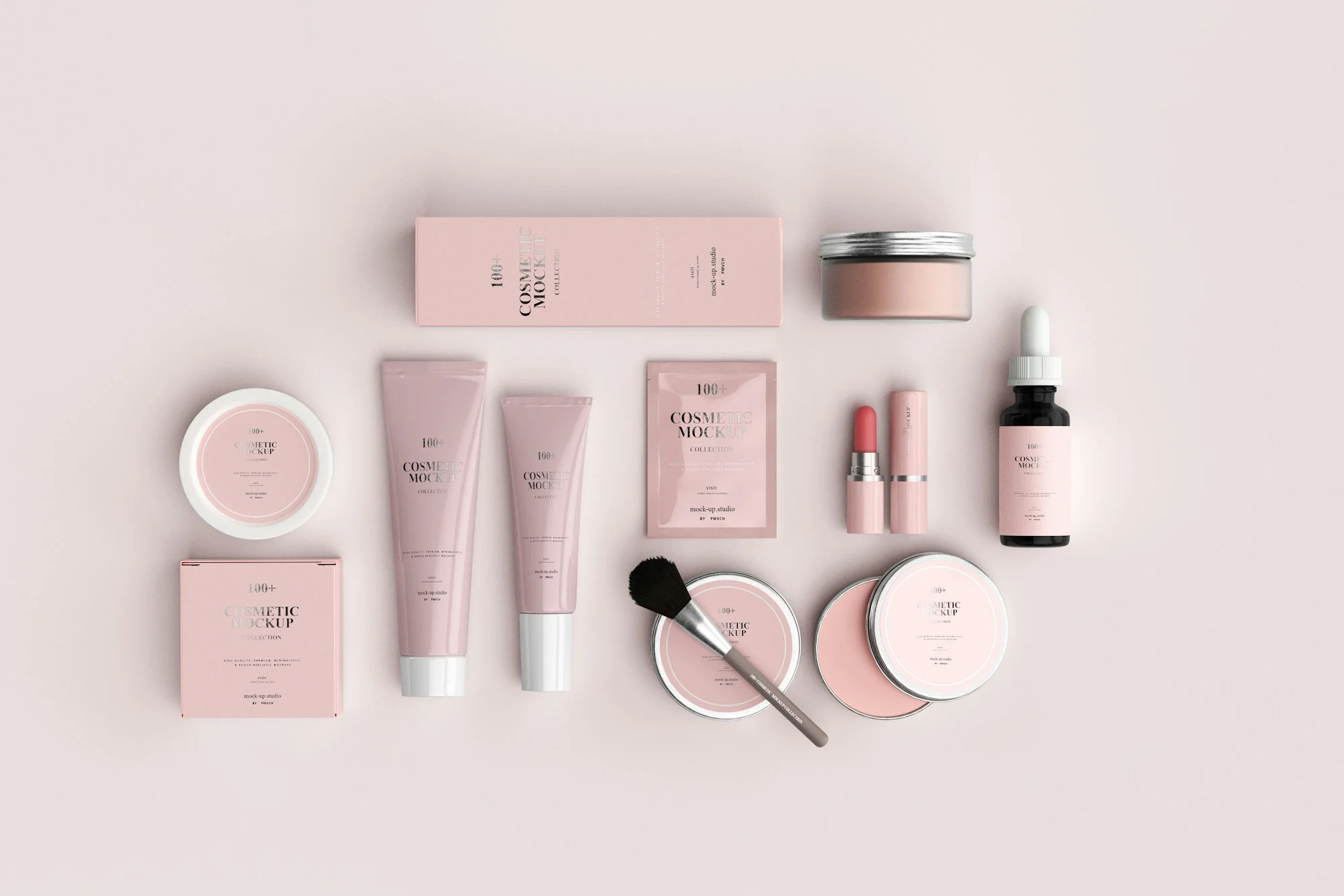
With Selfnamed's free Design Studio, you can put your own designs on product labels and preview each product before you order.
And remember, your brand will keep taking shape after launch. Listen to what customers say, notice what they respond to, and let those conversations influence your next decisions.
A successful beauty business starts with products people enjoy using. Long-term success comes from giving them an experience they want to return to.
Step 6: Set Up Your Online Beauty Store
Your products are chosen, your brand is taking shape, and now you need somewhere people can actually buy from you.
Building your first website can feel intimidating, especially if you've never run an ecommerce business before. But you don't need to know how to code or hire a developer. Most ecommerce platforms make it possible to build a good-looking shop using ready-made templates and design tools.

The goal is simple: make it easy for someone to discover your products, feel confident buying them, and complete their order.
Choose the Right Ecommerce Platform
If you're learning how to start an online beauty store, Shopify and WooCommerce are two popular places to begin.
Shopify is often easier for beginners. It handles hosting, provides online store templates, and brings payments, orders, and inventory into one dashboard. You pay a subscription, but there's less technical setup to worry about.
WooCommerce runs on WordPress and gives you more control over your website. It can be a good fit if you're already comfortable with WordPress, although you'll need to arrange hosting, maintenance, and some additional tools yourself.
Squarespace is another option if beautiful design and a straightforward setup are your priorities. The right choice depends on your budget, technical confidence, and how you want your store to grow.
It's worth comparing Shopify, WooCommerce, and Squarespace before committing, since moving platforms later can be a headache.
Connect Your Products and Orders
Here's something you'll appreciate once your first sales start coming in: you don't have to copy every order into your supplier's system by hand.
Selfnamed offers sales channel integrations that connect your online store with its fulfillment service. Its Shopify integration, for example, lets you add products to your shop and send customer orders through for processing.
That means less time dealing with order details and more time working on your business.
Before launch, place a test order. Check that the product information, shipping charges, checkout, and order notifications all work as expected. It's much nicer to catch a problem yourself than hear about it from your first customer.
Make Your Store Feel Easy to Shop
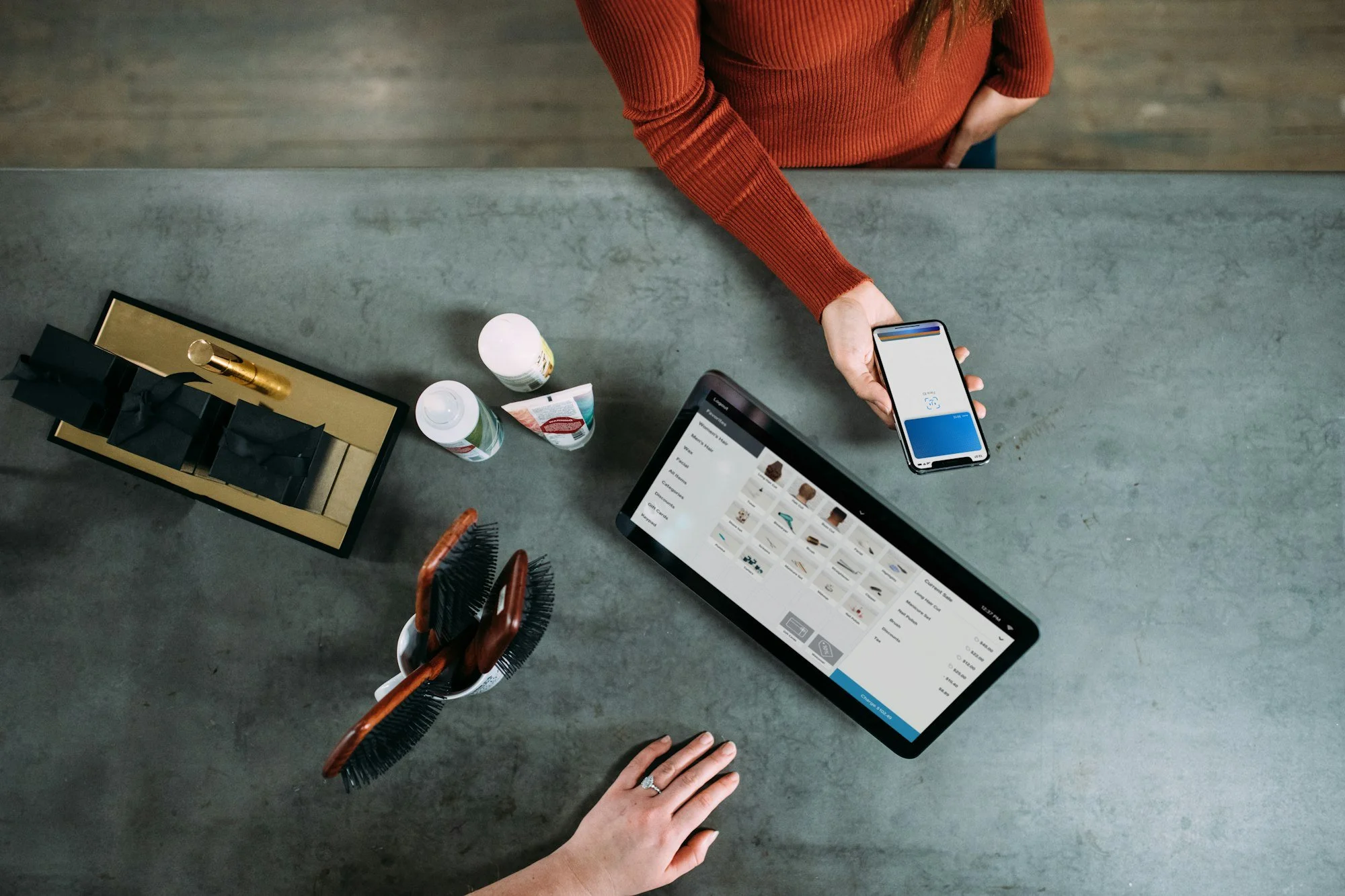
Think about the last time you abandoned an online purchase. Maybe the shipping costs appeared at the very end, or you couldn't find a clear answer about the product.
Your customers notice those things too.
Keep your store website simple and welcoming. Use clear navigation, make your product pages easy to find, and show shipping costs and delivery information before checkout. Make sure everything works comfortably on a phone, since many customers will discover your brand through social media.
You can add more features as your sales grow. For your first launch, focus on a shop that looks trustworthy, answers customers' questions, and makes buying feel effortless.
Step 7: Create High-Converting Product Pages
Someone's found your serum and likes the look of it. But before they buy, they'll want to know a few things. Will it suit their skin? What does it feel like? Is it worth the price?
Your product page should answer those questions as clearly as possible. After all, customers can't pick up the bottle or try the texture through a screen.
Start with good photos of the product, packaging, and texture. A quick video filmed on your phone can help too. Then write product descriptions as though you're explaining the product to a friend.
Instead of "A premium hydrating facial formulation enriched with carefully selected active ingredients," try "A lightweight serum that hydrates without feeling sticky. Use a few drops before your moisturizer."
Every product page should cover:
clear photos and honest benefits;
key ingredients and a full ingredient list;
how to use the product;
size, price, shipping, and returns;
genuine customer reviews, when available.
If you sell a small collection, suggest products that work well together. Keep the Add to Cart button easy to find and make sure everything looks good on mobile.
Before publishing, open your store on your phone and imagine you're a first-time customer. Can you find everything you'd want to know before putting a new product on your skin?
That's the kind of product page that helps people feel comfortable buying.
Step 8: Set Up Fulfillment and Shipping

To get your beauty products to customers, you can pack and ship orders yourself or use a supplier that handles fulfillment for you. The right choice depends on your budget, order volume, and how much time you have.
If you're buying in bulk, you can pack and ship orders yourself, but remember to budget for storage, packaging, and your time.
With skincare dropshipping, your supplier handles storage and shipping. That's one less thing to juggle when you're running a new business.
Selfnamed offers fulfillment and shipping from facilities in the US and Europe, delivering to more than 30 countries. You can sell internationally without packing every order yourself.
Before launch, check:
delivery times and shipping costs for your target markets;
order tracking, so customers know where their parcels are;
returns and damaged orders, including who handles them.
Order a product to your own address, too. You'll see how it arrives and what your customers can expect.
Because when someone tries your brand for the first time, a smooth delivery matters. And if they have a question about their order, a quick, helpful answer can make all the difference.
Step 9: Launch Your Ecommerce Beauty Brand

To launch your ecommerce beauty brand, start building interest before opening your store, reach people through creators and social media, follow ecommerce trends. And turn that attention into your first sales.
Build Anticipation
Start sharing your products before launch day. Show your packaging, behind-the-scenes moments, or the story behind your brand. Add an email signup to your store so interested people know when they can shop.
Influencer and Creator Seeding
Find smaller beauty creators whose audiences match yours. Send a personal message, offer samples, and let them share their honest opinions. Make sure gifted partnerships are clearly disclosed.
Email Marketing Still Matters
Give subscribers a warm welcome, introduce your products, and announce your launch. You can keep in touch afterward with useful tips and occasional offers.

Paid Advertising
Start small. Test an ad for one promising product and track whether clicks turn into orders before spending more.
TikTok Shop and Social Selling
Show your products in real life. A quick texture video, a morning routine, or an honest explanation of why you chose a particular formula can help people connect with your brand.
If TikTok Shop is available in your market and you're eligible, customers may also be able to buy directly through the app.
A few orders, some genuine feedback, and people asking about your products are already good reasons to feel proud.
Step 10: Market and Grow Your Beauty Business
Growing your beauty business comes down to three things: reaching new customers, giving them reasons to come back, and learning from every sale.
Your marketing strategy can start small. Pick a few activities you enjoy and can keep up with, then build on what brings results.
Here's where to focus:
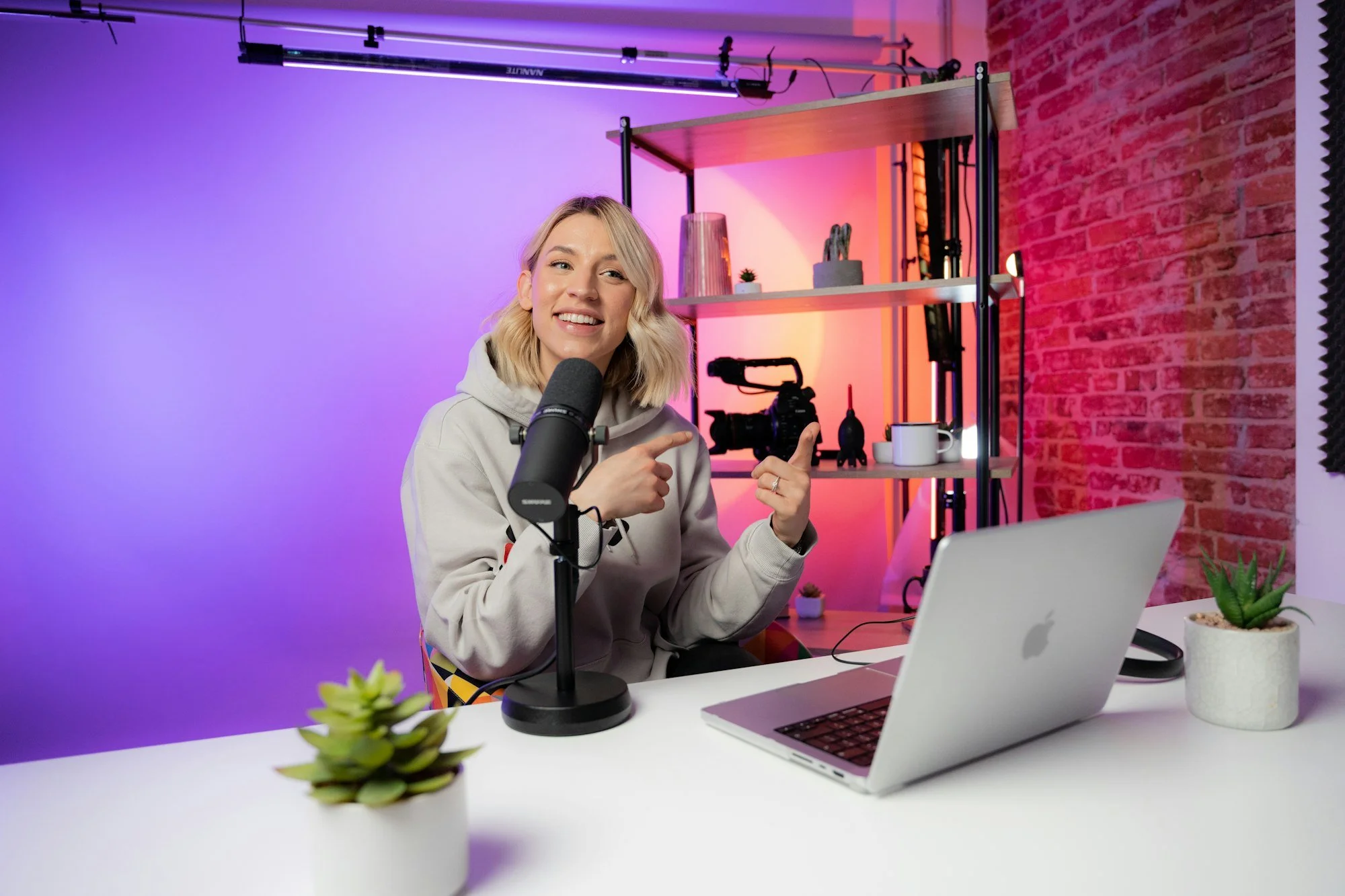
Social media. Share skincare tips, everyday routines, and the story behind your products. Give people a chance to get to know your brand.
Customer content. Encourage honest reviews and photos. With permission, share them to help new shoppers feel confident buying.
Repeat purchases. Send helpful follow-up emails, refill reminders, or a little thank-you offer that makes customers feel appreciated.
Analytics. Track your bestsellers, where orders come from, and how often customers return. Let those numbers guide your next steps.
Keep listening, too. If customers regularly ask for a matching cleanser or a larger bottle, you might have your next product idea right there.
The beauty industry moves quickly, but success can grow steadily. For a small business, seeing a familiar name on a new order is a pretty wonderful sign that you're doing something right.
Your Ecommerce Business Starts With One Good Idea
Learning how to start an ecommerce beauty brand can feel overwhelming when you're doing everything yourself. One day you're excited about packaging designs, the next you're comparing suppliers, checking prices, and wondering whether anyone will actually buy your products.
That's all part of bringing an idea to life.
Start with a few products you believe in, get to know the people you're selling to, and build from there. You can begin with a small budget, use private label products to make launching easier, and grow your collection as you learn what customers love.
Some things will turn out differently than you imagined. Maybe your favorite serum won't be the bestseller. Maybe customers will ask for a product you hadn't considered. Those little discoveries are what help your brand find its feet.
And when your first order comes in, take a moment to enjoy it. Someone you've never met has trusted you enough to try something with your name on it.
That's a great place to start. The rest will come from listening, learning, and showing up for your customers.
Frequently Asked Questions
-
You can start a small beauty brand using private label products and dropshipping. If you're exploring how to start a beauty line, budget for samples, branding, your online store, and marketing. Start with a few products and invest more as sales grow.
-
Most cosmetics sold in the US don't need FDA approval before going to market, although color additives generally do. If you're learning how to start a cosmetic business, your company still needs to follow FDA rules on product safety, labeling, and applicable registration and listing requirements.
-
It depends on where your business operates and where you sell. You may need a general business license, tax registration, or other local permits to run an online store. Check your local requirements and the cosmetic regulations in your target market before launching.
-
Many founders start with no previous beauty industry experience. Using private label skincare suppliers, dropshipping models, and ecommerce platforms makes it possible to launch without developing products from scratch. The most important skills are understanding your audience, building strong branding, and learning ecommerce marketing fundamentals.
-
Shopify is one of the most popular options because it's beginner-friendly and built to grow with your store. WooCommerce offers more customization for advanced users, while Squarespace works well for smaller design-focused brands. WooCommerce vs Shopify vs Squarespace vs Wix compares these platforms in more detail.
-
Timelines vary depending on your product strategy, branding, and website setup. Many ecommerce beauty brands using private label products can launch within a few weeks to a few months.
-
Yes. Private label skincare is often one of the fastest and most flexible ways to launch an ecommerce beauty brand because it allows founders to focus on branding, ecommerce, and customer acquisition without managing complex product development from scratch.
Must read