Table of Contents
Dropshipping has a simple pull. You open an online store, list products you never have to stock and warehouse, and a supplier ships each order straight to your customer.
That low barrier keeps attracting new founders every year. It also explains why so many dropshipping statistics float around online. Some come from solid research while others get copied from blog to blog until nobody remembers where they started.
If you're deciding whether to open a store in 2026, or wondering why your current one barely breaks even, three questions matter most.
How big is the market?
How many stores last?
What does a realistic margin look like?
There’s a lot of hype, yes, and many more horror stories. The truth lies somewhere between.
In beauty, dropshipping statistics lean in your favor. Let's look at the numbers.
Key Takeaways
Dropshipping is still growing fast, with a forecasted $590 billion global market in 2026.
Industry estimates suggest only 10-20% of dropshipping stores stay profitable long term.
Generic dropshipping stores typically keep around 15% of revenue after fees and ads.
Ecommerce is on track to carry almost a third of global beauty sales by 2030.
Private label beauty dropshipping gives founders their own brand, pricing control, and repeat customers.
Dropshipping Statistics: The Market at a Glance
The dropshipping market keeps growing at double-digit rates, and the two research firms behind the most-cited forecasts broadly agree on its size.

This article sticks to dropshipping itself. For the wider beauty market, including category sizes, skincare's share, and consumer trends, see our roundup of beauty industry statistics.
How Big Is the Dropshipping Market?
Market.us, in a report updated in July 2026, valued the global dropshipping market at $439.7 billion in 2025. It forecasts about $6.1 trillion by 2035, a compound annual growth rate (CAGR) of 30.2% from 2026 to 2035.
Grand View Research, in a report published in June 2026, sizes the market at $464.4 billion in 2025. It projects $2.18 trillion by 2033, growing at a 20.7% CAGR from 2026 to 2033.
| Metric | Market.us | Grand View Research |
|---|---|---|
| 2025 market size | $439.7 billion | $464.4 billion |
| Long-range forecast | About $6.1 trillion by 2035 | $2.18 trillion by 2033 |
| Annual growth rate (CAGR) | 30.2% (2026-2035) | 20.7% (2026-2033) |
Both firms put the 2025 market somewhere between $440 billion and $465 billion. Long-range forecasts are far apart, partly because they end in different years and assume different growth rates.
Still, two separate models pointing the same way is a fair sign that dropshipping keeps growing.
Ecommerce Statistics: Dropshipping Adoption
Adoption is where most ecommerce statistics on dropshipping get shaky. The most-quoted figure says roughly 27% of online retailers use dropshipping as their main fulfillment method. Trace it back and you hit aggregator sites and blog roundups, with no published survey, sample size, or year behind it.
Treat it as a rough signal that dropshipping is a mainstream fulfillment model, and nothing more precise. If a list of dropshipping statistics quotes it without a source, read the rest of that list with the same caution.
Dropshipping Success Rate Statistics
Most dropshipping stores don't last.
The estimate you'll see most often says only 10-20% stay profitable over the long term.

Two figures appear in almost every roundup of dropshipping statistics.
10-20% long-term success rate. The share of stores estimated to reach lasting profitability. It's repeated across dropshipping platforms and blogs.
1.5% earn more than $50,000 a month. A January 2026 statistics roundup from Market.us News attributes this 1.5% figure to DoDropshipping.
Treat both as industry estimates. They're useful as a rough guide.
For a harder benchmark, compare dropshipping with new businesses overall.
U.S. Bureau of Labor Statistics data shows that 51.4% of private-sector establishments opened in 2020 were still operating five years later. The two measures differ, survival versus profitability, but it shows that a typical dropshipping store faces comparatively worse odds.
Why Most Dropshipping Stores Fail
If 10-20% of stores succeed, roughly 80-90% don't. The reasons repeat across niches.
No brand. Generic stores sell the same supplier products as hundreds of other shops. Customers compare prices and forget the store name.
No repeat buyers. A phone stand or a novelty gadget is a one-time purchase. Every sale needs a new customer, and every new customer needs a new ad.
Rising ad costs. Shopify's 2026 dropshipping guide names customer acquisition as the biggest expense dropshippers face.
Slow shipping and new import costs. Long delivery windows from overseas suppliers lead to refunds and complaints. Cheap imports also got more expensive.
The US suspended duty-free de minimis treatment for low-value shipments from all countries in August 2025.
The EU applies a flat €3 customs duty per item type on parcels under €150 from July 1, 2026.
Copycat products. When a product takes off, competing stores list the same item fast, and prices slide toward the bottom.
Beauty founders make their own versions of these mistakes. Our roundup of skincare business fails shows how they play out.
Dropshipping Profitability Statistics 2026
Dropshipping margins look healthy on the product page and shrink fast once ads and fees come out. For a generic store, a realistic net margin sits around 15%.

TrueProfit, a profit-tracking app for Shopify stores, says in its October 2026 guide that dropshipping net margin typically lands around 15%, with 15-25% as a healthy benchmark. The company bases that on its analysis of 1,200+ dropshipping stores but hasn't published its method.
In plain numbers, a store with $20,000 in monthly sales and a 15% net margin keeps about $3,000. These figures are illustrative.
What eats your dropshipping margin.
Ad spend. Usually the largest cost, climbing as more stores bid for the same customers.
Platform and app fees. Monthly hosting, before paid apps for reviews, upsells, or email.
Payment processing. Online card payments take a percentage off every sale.
Refunds. Cost the sale, the shipping you already paid, and often the processing fee.
Shipping and duties. Import duties on overseas parcels now land on someone, and in many stores that someone is you.
What’s the Difference Between Dropshipping Margin vs Markup
New sellers often mix these up.
Markup is what you add on top of your cost.
Margin is the share of the selling price you keep.
Take a product that costs you $10 and sells for $25.
Markup. $15 profit ÷ $10 cost = 150%
Margin. $15 profit ÷ $25 price = 60%
A 150% markup sounds generous. The 60% gross margin is what's left to cover ads, fees, and refunds before any of it becomes profit. These figures are illustrative.
Our guide to pricing skincare products walks through how to set retail prices for beauty.
Beauty Ecommerce Statistics: Why Beauty Is a Strong Dropshipping Niche
Beauty solves two of dropshipping's biggest problems, one-off purchases and costly shipping. More of it is bought online every year, too.
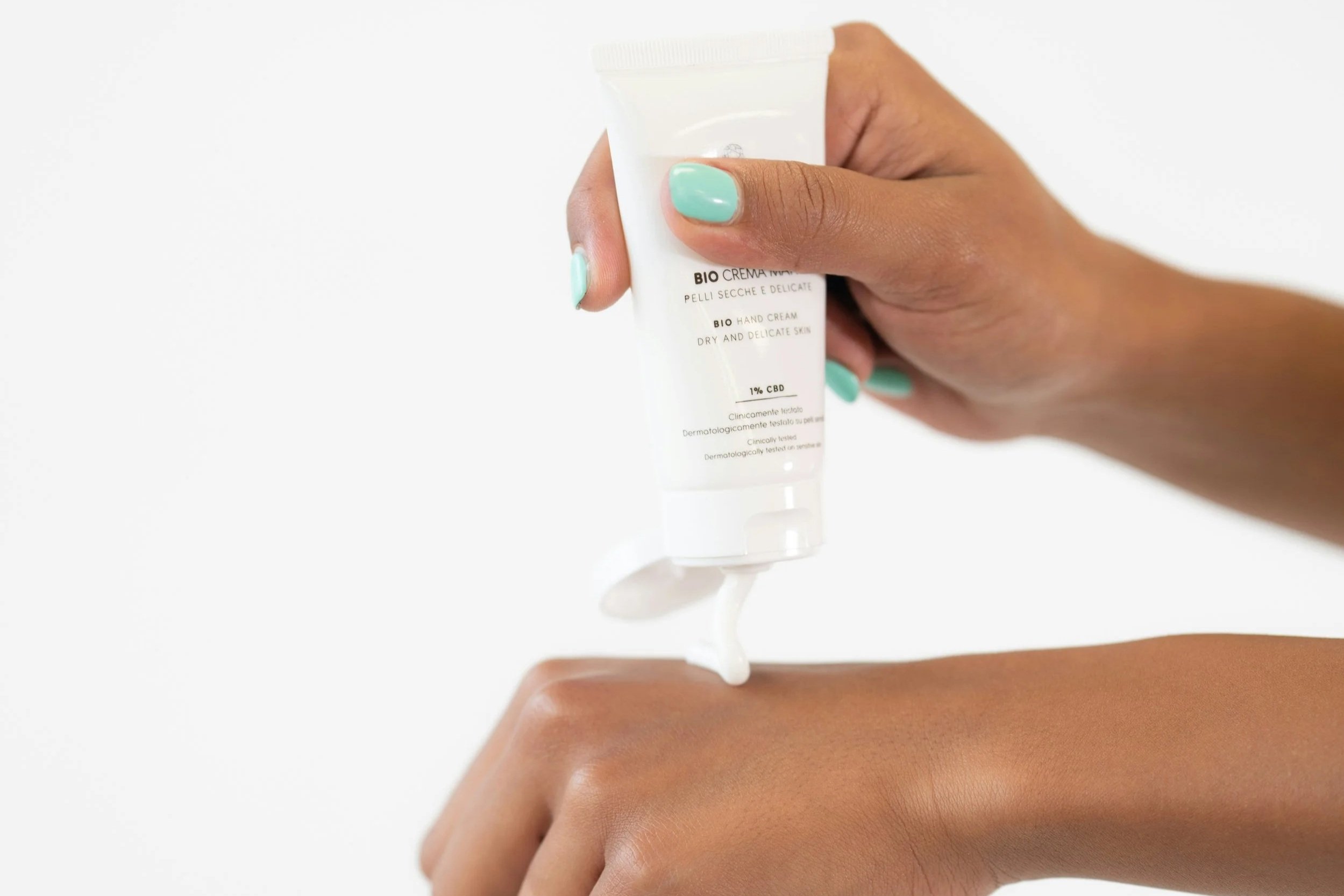
Ecommerce's share of global beauty retail sales grew from 10% in 2015 to 26% in 2024, according to McKinsey's 2025 beauty research. It projects that share to reach 31% by 2030, almost a third of all beauty sales.
Beauty-specific dropshipping statistics are thinner, but there’s signs. Market.us's July 2026 report ranks health, beauty, and personal care as the fastest-growing product type in dropshipping, and credits strong reorder behavior. The report doesn't give the distribution.
Beauty and skincare also top our list of the best dropshipping niches for 2026 due to a couple of important factors.
Customers Come Back for More
Skincare gets used up. Most cleansers and serums run out within a few months, and then your customer needs another one. Consumables create natural reorder cycles, so one paid click can turn into several orders over a year. That lowers what you effectively pay per sale and gives your brand time to earn loyalty.
Small Products, Simpler Shipping
Most skincare, hair care, and body care products are compact and light. That usually keeps shipping a small share of the order value, especially compared with bulky categories like furniture or home décor. Fewer shipping surprises mean fewer margin surprises.
Generic vs Private Label Beauty Dropshipping
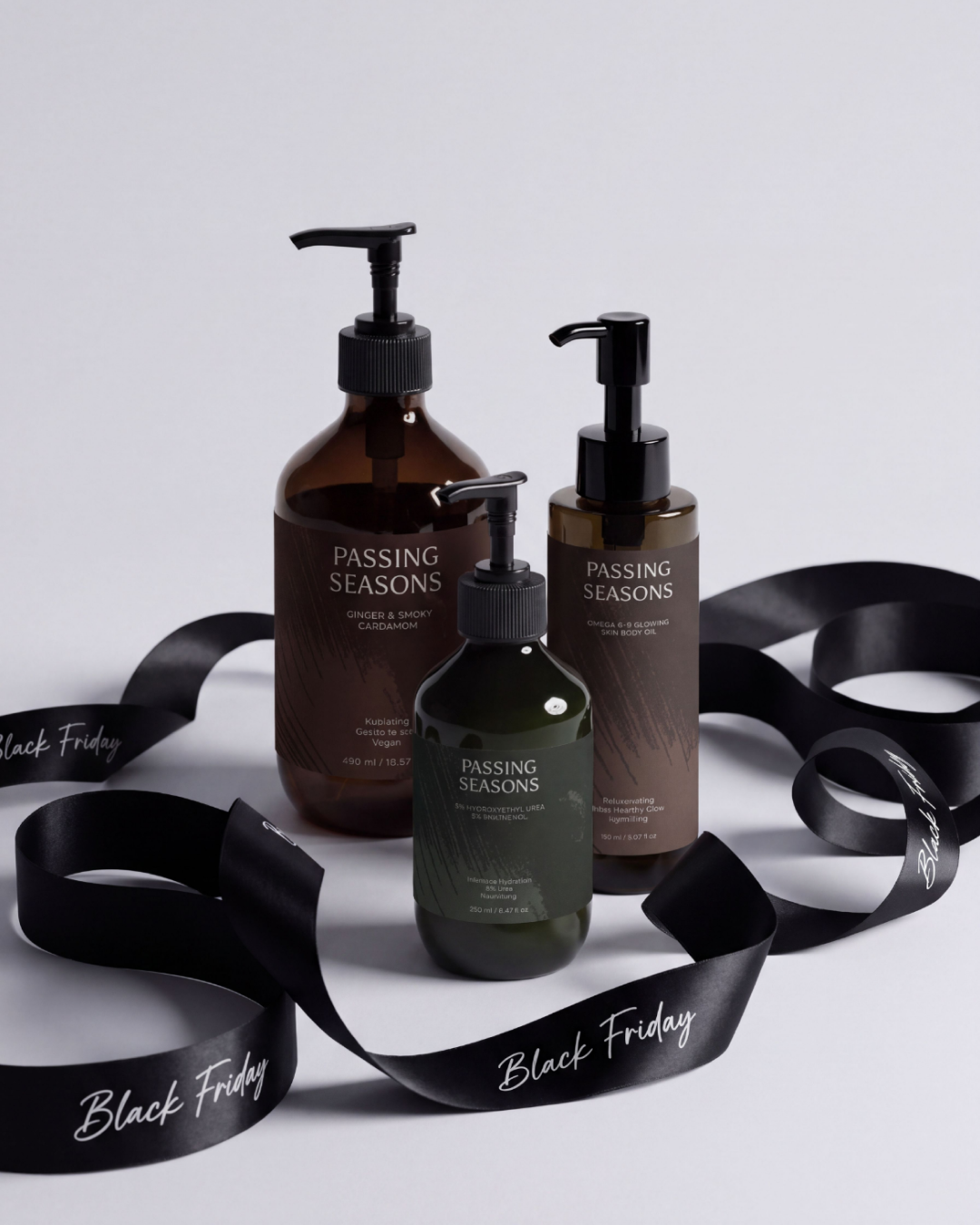
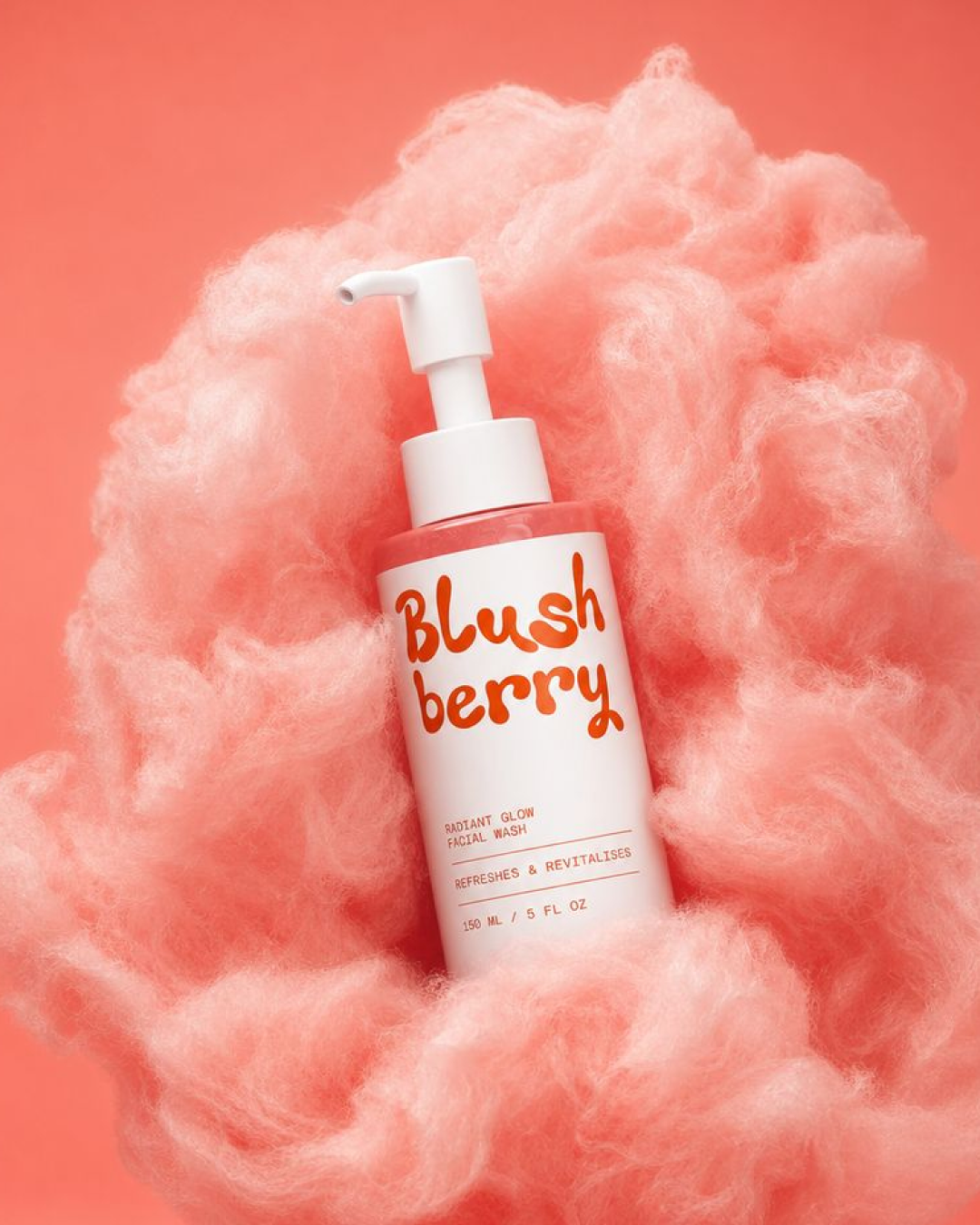
The biggest difference is who owns the customer relationship. In private label beauty dropshipping, the brand on the bottle is yours.
| Factor | Generic dropshipping | Private label beauty dropshipping |
|---|---|---|
| Brand ownership | Supplier or no-name products | Your name, logo, and packaging |
| Margin control | Prices track competitors selling the same item | You set retail prices for a product only your store sells |
| Repeat customers | Rare, since buyers seldom remember the store | Consumables bring buyers back to your brand |
| Competition | The same product in hundreds of stores | Your branded product exists in one place |
Private label does ask more of you at the start. You'll need a brand idea, label designs, and product photos before the first sale, but the value of own-brand products outweighs the effort.
Our breakdown of the pros and cons of dropshipping skincare products covers the trade-offs. To budget for it, read our guide to the cost of starting a skincare dropshipping business. When you're ready to hold stock, bulk vs dropshipping explains how the economics change.
How to Dropship Beauty Products With Selfnamed
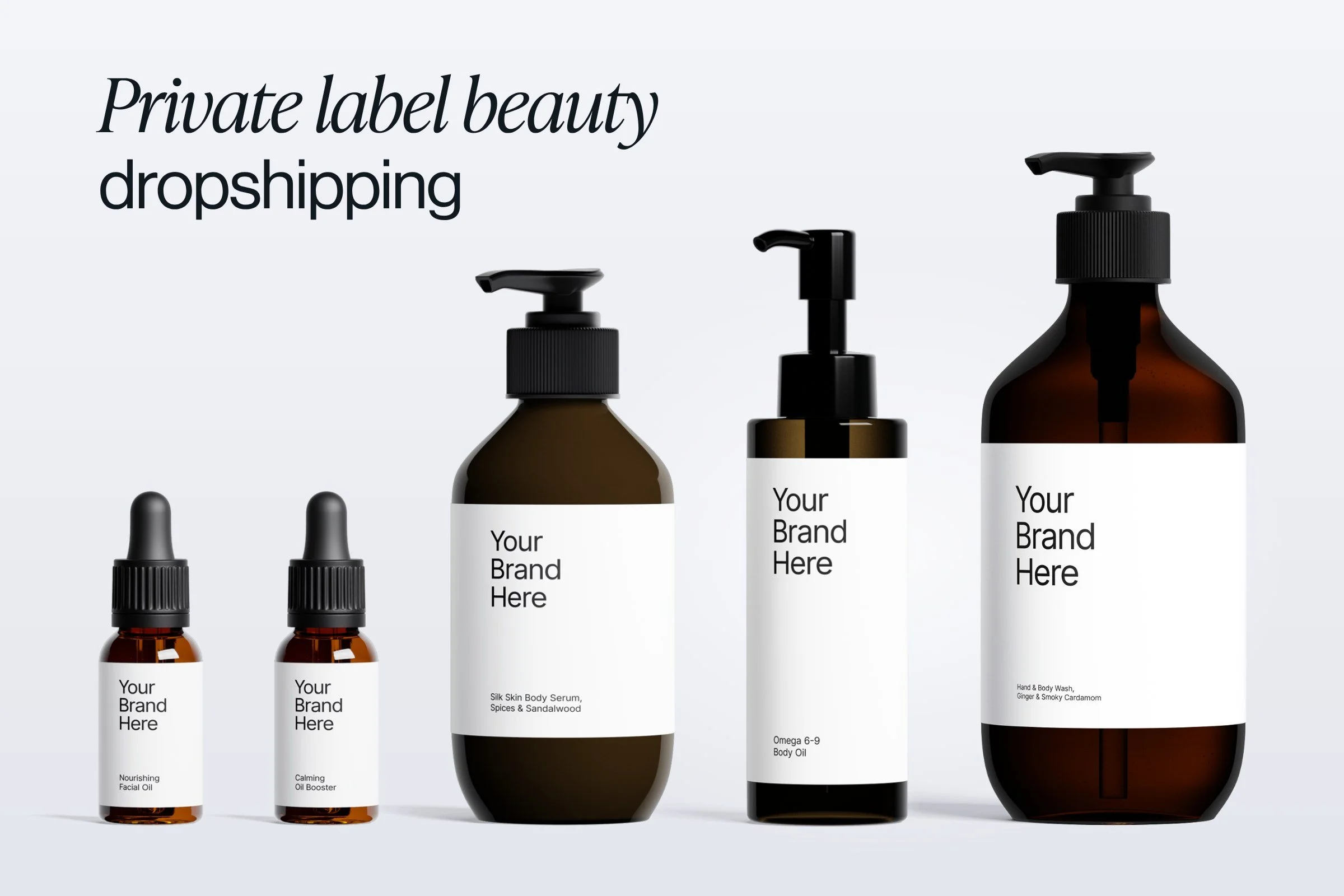
Selfnamed lets you put your own brand on 200+ ready-made clean beauty formulas and sell them without holding stock. When a customer orders, Selfnamed produces the product on demand and ships it under your brand. That’s your brand – your designs, your name.
Using a ready-made formula with your logo is white label at its simplest. Designing full custom packaging takes it into private label territory. Selfnamed supports every level of customization.
Here's what's included.
200+ ready-to-brand formulas. Skincare, hair care, body care, and makeup, most of them COSMOS certified by ECOCERT. Browse the full range of private label products.
Your own label design. Create every label in the free Design Studio, or start from ready-made designs.
No MOQ. There's no minimum order quantity. Each dropshipping order is produced and shipped one by one as customers buy.
No monthly fee. You only pay when you buy product. The Pro plan, from $29 a month billed yearly, adds up to 30% off every dropshipping order. See pricing for details.
US and EU fulfillment. Orders ship from the fulfillment center closest to your customer.
Compliance covered. Every formula is pre-registered with the FDA in the US and the CPNP portals in the EU and UK.
For the business side, from picking products to finding customers, see our guide on how to start a skincare dropshipping business.
Connect Shopify, WooCommerce, Squarespace, or Wix
Selfnamed connects to your store through our sales channel integrations. Once you're connected, new orders sync to Selfnamed automatically.
Shopify. Install the Selfnamed app through the Shopify integration.
WooCommerce. Connect your WordPress store with the WooCommerce integration.
Squarespace. Sell from your Squarespace site with the Squarespace integration.
Wix. Connect your Wix site with the Wix integration.
View the full WooCommerce vs Shopify vs Squarespace vs Wix comparison breaks down the differences.


Use Dropshipping Statistics to Pick a Model That Lasts
The dropshipping statistics for 2026 show that the market keeps growing. However, most individual stores still struggle to last simply because dropshipping is hard to maintain long-term.
The stores that last tend to own a brand customers remember. They sell products people reorder. They price for real margins after ads and fees, and they don't depend on the cheapest overseas imports.
Beauty fits that profile better than most niches. Private label dropshipping adds the one thing generic stores never get – a brand that belongs to you.
So read the numbers honestly, then pick the model that gives them room to work in your favor.
Frequently Asked Questions
-
Industry estimates put the long-term success rate at around 10-20%, which means most stores never reach lasting profitability. Only about 1.5% are estimated to earn more than $50,000 a month. Both figures come from industry sources, and neither is based on audited data.
-
No. Market.us valued the global dropshipping market at $439.7 billion in 2025 and forecasts 30.2% annual growth through 2035. What's fading is the generic model. Duty changes in the US and EU have raised costs on low-value imports, favoring branded products with real margins.
-
Profit depends on your pricing, ad costs, and product mix. Generic dropshipping stores typically net around 15% after ads and fees. Beauty products add reorders, which spreads acquisition costs across more sales, and private label branding gives more control over retail prices.
-
Yes. Private label dropshipping platforms like Selfnamed let you add your logo and label design to ready-made formulas. Each order is produced on demand and shipped to your customer under your brand, with no minimum order quantity and no inventory to hold.
-
Selfnamed’s private label beauty catalog integrates with Shopify, WooCommerce, Squarespace, and Wix. Once your store is connected, orders sync to Selfnamed automatically, and each one is produced and shipped to your customer under your brand.
Must read