Why Niacinamide for Skin Still Leads Ingredient Lists

Table of Contents
Every beauty trend has an expiration date. Some ingredients just don't seem to get the memo.
Niacinamide has outlasted countless skincare crazes, yet it rarely dominates the conversation. Instead, it quietly keeps earning its place in new product launches because it does something many ingredients can't. It supports a wide range of skin concerns without being tied to one skin type or one routine.
That's why it has become a favorite for both skincare enthusiasts and beauty brands looking to create products customers come back to.
Key Takeaways
Niacinamide remains one of the most versatile ingredients in modern skincare.
It supports multiple skin concerns, making it suitable for a wide range of products.
Well-formulated niacinamide products matter more than choosing the highest concentration.
What Is Niacinamide in Skincare?
Niacinamide has been part of skincare for years. Even so, it continues to appear in new product launches. You'll find it in lightweight serums, daily moisturizers, cleansers, and products designed for completely different skin concerns. Very few ingredients stay relevant for this long.
Niacinamide is a form of vitamin B3, an essential nutrient the body needs to function properly. In skincare, it's the form of vitamin B3 used in topical products. It works well in a wide variety of formulas and combines easily with many other skincare ingredients. Which explains why brands continue to include it in skincare products across different categories.


You may also come across the term niacin, which often causes confusion.
Although niacin and niacinamide both belong to the vitamin B3 family, they aren't the same ingredient. Niacin, also known as nicotinic acid, is commonly used in dietary supplements and can cause temporary flushing. Niacinamide, sometimes called nicotinamide, doesn't have that effect, which is why it's the preferred form in skincare.
The names are similar enough to cause confusion, but if you're reading the ingredient list on a skincare product, it's almost always niacinamide you'll find.
What Does Niacinamide Do for Skin?
Most skincare ingredients become known for solving one specific problem. Niacinamide doesn't fit neatly into any one category.
Instead of targeting a single concern, Niacinamide works with the skin in a few different ways at once, which is one reason it keeps showing up in products designed for different needs.
That versatility is also what makes the list of niacinamide benefits for skin surprisingly long.
Helps Strengthen the Skin Barrier
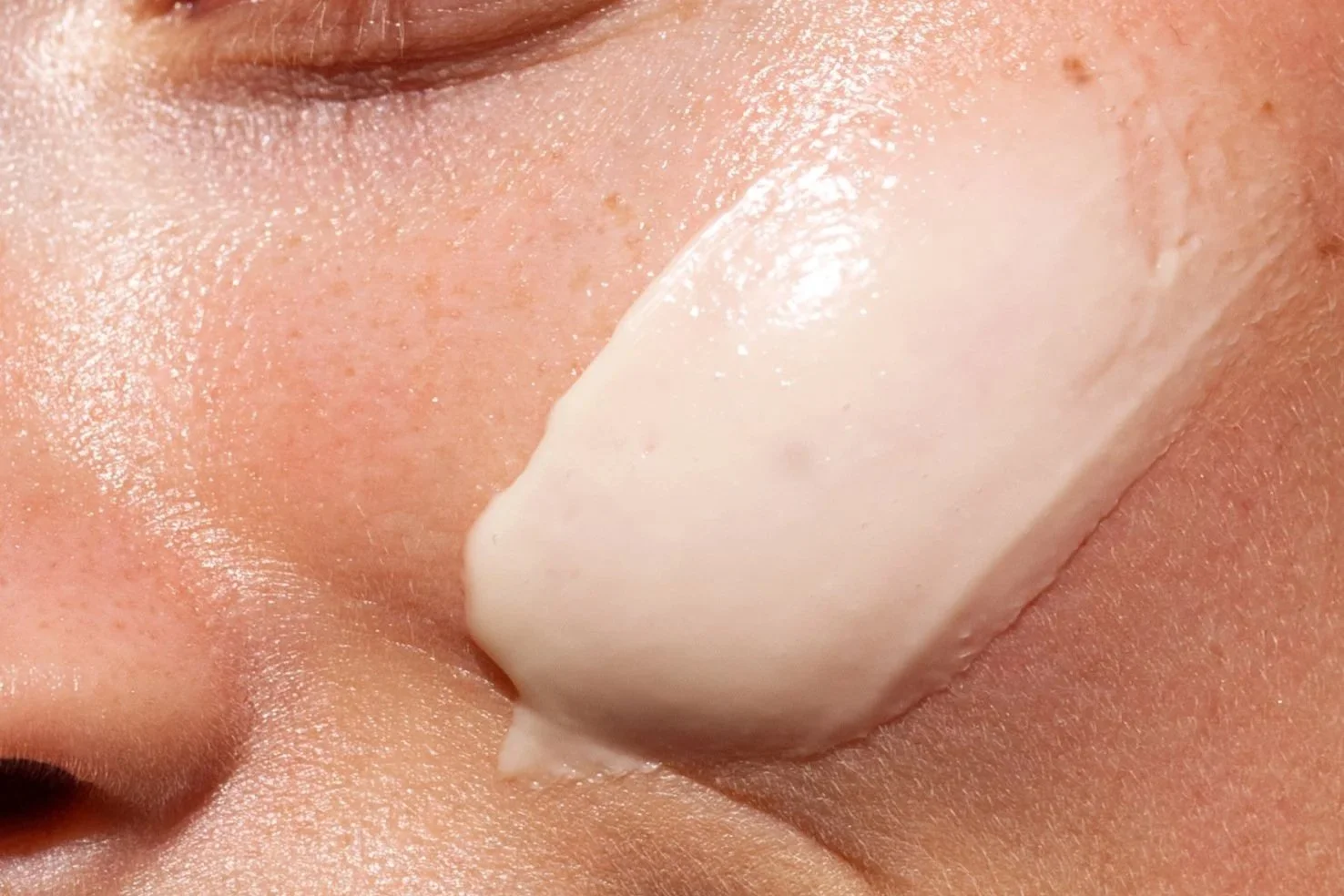
A strong skin barrier is what keeps moisture in and everyday irritation out. Niacinamide helps here by supporting the skin's surface, where ceramides and other natural lipids do their work. When that surface stays well supported, skin holds onto water more easily and feels less prone to dryness or irritation.
That's a benefit with wide appeal, not something tied to one skin type. Niacinamide also pairs well with other barrier-supporting ingredients, so you can build formulas that feel relevant to a broad customer base rather than a single niche. It's the anchor of our Niacinamide Gel Moisturiser for exactly that reason.
Supports Hydration
Hydration matters for oily and combination skin too, not just dry skin. The catch is that those customers don't want anything heavy or greasy.
Niacinamide helps skin hold onto water by supporting the surface layer that slows moisture from escaping. That's why it works so well in lightweight moisturizers, gel creams, and serums.
It gives you a way to make hydrating products that suit more than one skin type without reworking the core formula.
Helps Balance Excess Oil

Oily skin isn't only a teenage phase. Plenty of adults deal with midday shine, makeup that slides, and a greasy look a few hours after cleansing. According to Galderma's Skin Quality Report, oily skin is one of the most common skin concerns worldwide, affecting 41% of people in Latin America and 24% in Europe.
Niacinamide helps by keeping excess surface oil in check, so skin looks less shiny through the day, without the tight, stripped feeling that harsh ingredients can leave behind.
For you, that's a chance to build everyday oil-control products that still feel comfortable to use.
Improves the Look of Uneven Skin Tone
Uneven skin tone takes time to shift, whether it's post-acne marks, sun damage, or other hyperpigmentation, and customers usually want something they can use daily.
Niacinamide helps by limiting how much pigment travels up to the surface of the skin. Over time, that's what makes dark spots look less noticeable and the complexion look more even.
It's a strong fit for brightening serums, moisturizers, and other daily-use products, including our Exosome & Niacinamide Serum, which pairs it with exosomes.
Smooths Texture and Softens the Look of Fine Lines
Anti-aging expectations have shifted. Customers still care about fine lines, but they also care about how their skin looks and feels day to day. A healthy look and everyday comfort matter just as much.
Niacinamide supports both. By helping the surface stay hydrated and well supported, it helps skin look smoother and softens the appearance of fine lines.
That lets you build products that reflect a more modern take on skincare, caring for skin at every stage rather than promising to reverse the natural aging process.
Helps Calm Visible Redness

Redness isn't only a sensitive-skin thing. It can show up after cleansing, when the weather turns, or after trying a new product.
Niacinamide helps here in an indirect way. By supporting the barrier and keeping the surface comfortable, it helps skin look calmer and less flushed, without needing a product built only for sensitive skin.
If you've wondered what niacinamide is good for, this is another case of one ingredient answering a concern that a lot of customers share.
Reduces the Appearance of Visible Pores
Visible pores usually come up alongside excess oil. Niacinamide can't change pore size, but by helping balance surface oil and smooth the look of texture, it makes pores appear less noticeable.
That combination is exactly why both customers and brands keep coming back to it.
Supports Acne-Prone Skin

Acne isn't only a teenage concern. Plenty of adults, especially women, deal with breakouts, which is part of why acne remains one of the most common skin conditions worldwide, affecting around 9.4% of people globally.
Products for acne-prone skin rarely rest on a single hero ingredient. Brands usually combine actives that target different parts of the picture within the same formula.
Niacinamide fits because it helps keep surface oil in check while supporting the barrier, so it plays well alongside other ingredients. It gives your brand another route into acne-prone skin.
What Is Niacinamide Used For?
Few skincare ingredients fit into as many product categories as niacinamide. Rather than being built for one specific concern, it's used in formulas designed for different skin types and routines.
Depending on the formula, niacinamide may be a good fit for customers who:
have oily or combination skin and want help managing excess shine;
experience dry or sensitive skin and are looking for products that support the skin barrier;
want to improve the appearance of dark spots or uneven skin tone;
have acne-prone skin and are building a routine with multiple active ingredients;
are looking for products that help maintain healthy-looking skin over time by improving texture and softening the appearance of fine lines.
Choosing Between a Niacinamide Serum and Moisturizer
The same ingredient can serve different purposes depending on the product it's in. That's why niacinamide is just as likely to appear in a serum as it is in a daily moisturizer.
What is niacinamide serum? A niacinamide serum is usually the product people choose when they want to focus on a specific concern, for example, excess oil, uneven skin tone, or dark spots. It adds another step to the routine, but for many customers, that's exactly the point.
What is niacinamide moisturizer? A moisturizer still delivers niacinamide, but it also provides everyday hydration. Some people prefer that all-in-one approach because it keeps their routine simple.
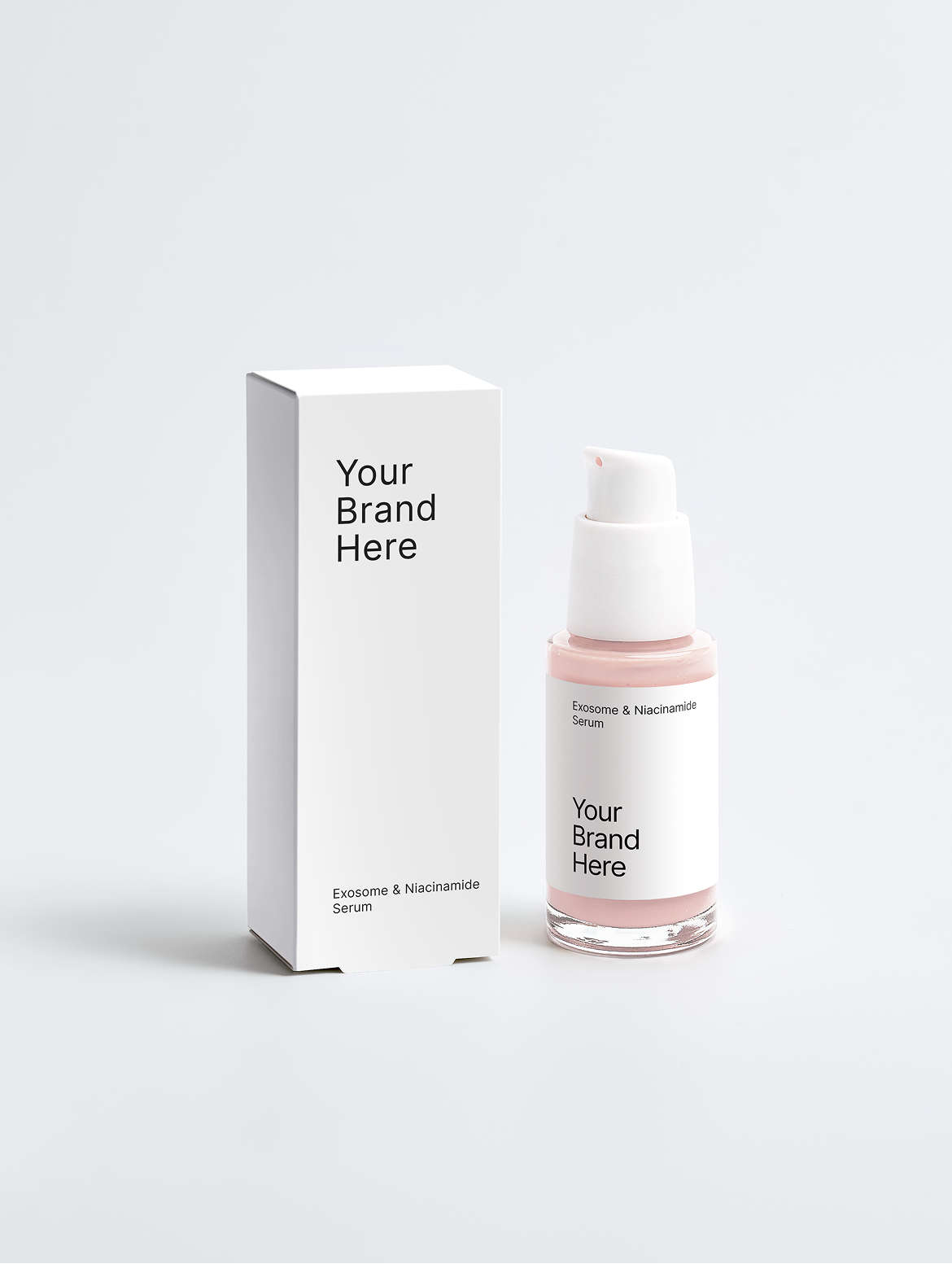

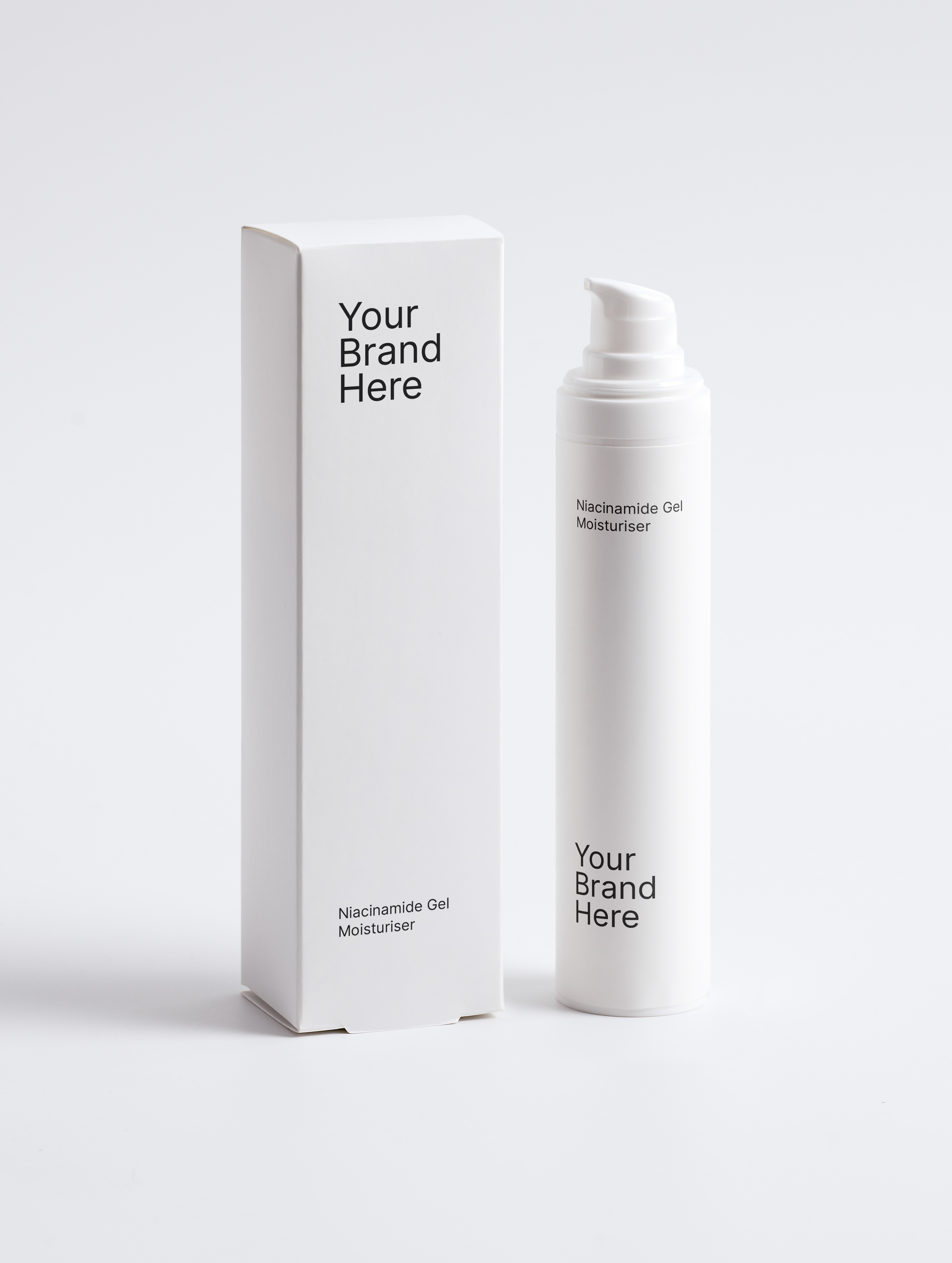
For brands, the decision often comes down to the collection you're building. A serum gives customers a targeted treatment, while a niacinamide gel moisturizer becomes the product they reach for every morning and evening. Many brands choose to offer both.
What Percentage of Niacinamide Is Effective?
Once you've chosen the right product format, the next decision is concentration. It's also one of the most misunderstood parts of product development. A higher percentage may sound more impressive on the label, but it doesn't always translate into better results.
The most common concentrations are:
2% – often used in products developed to support hydration and the skin barrier.
5% – this is where most of the research has been done. Studies have shown benefits for uneven skin tone, excess oil, fine lines, and overall skin health, making it a popular choice for many formulations.
10% – many brands offer higher-strength niacinamide products, particularly for oily or blemish-prone skin. That doesn't necessarily make them more effective. For some customers, a lower concentration may deliver the same results while being more comfortable to use.
The number on the label is only one part of the formula. The ingredients paired with niacinamide and the way the product is formulated have just as much influence on the final result.
How to Use Niacinamide in a Skincare Routine

One reason niacinamide has stayed relevant for so long is that it fits into almost any skincare routine. Niacinamide is generally well tolerated and works well in both morning and evening products. Unlike some active ingredients that require careful timing or limited use.
It also layers easily with other skincare ingredients, including hyaluronic acid, ceramides, peptides, and exfoliating acids. Despite a long-standing myth, niacinamide can also be used alongside vitamin C in modern formulations.
For your brand, that flexibility opens the door to a wide range of products. Niacinamide pairs well with many of the retinol alternatives gaining attention today. It also continues to appear alongside other trending skincare ingredients, making it an easy ingredient to build into both – new launches and existing collections.
Why Niacinamide Belongs in Every Skincare Collection?
Every skincare line starts somewhere. For many brands, niacinamide is one of the first active ingredients they build around because it doesn't limit where the collection can grow next.
A niacinamide serum can sit alongside a barrier-repair moisturizer, a brightening routine, or products developed for oily skin without feeling out of place. That flexibility makes it easier to expand a collection over time while keeping the product range cohesive.
For brands, that makes product development much simpler. A niacinamide serum or moisturizer can become the foundation of a collection. While newer ingredients are introduced around it as trends evolve.
Selfnamed makes that process even easier. Its ready-to-brand niacinamide products give you a practical starting point, allowing you to expand your range without developing every formula from scratch.


The Best Skincare Ingredients Stand the Test of Time
Every beauty trend has an expiration date. Niacinamide never seemed interested in following that rule.
Years after its rise in popularity, it still appears in new product launches, not because it's the newest ingredient on the market, but because it continues to make sense. It fits into different formulations. Works alongside other active ingredients. And helps brands create products customers can use long after the latest trend has faded.
That's probably the best sign that an ingredient has earned its place.
Frequently Asked Questions
-
Niacinamide is a form of vitamin B3 that's widely used in skincare because it's suitable for many different skin types.
-
It supports skin barrier function, helps balance excess oil, improves skin texture, and can reduce the look of uneven skin tone. Those are some of niacinamide's benefits that have kept it popular for years.
-
Usually, yes. It's considered a gentle ingredient, although it's still worth introducing any new skincare product gradually.
-
Most products contain between 2% and 10% niacinamide. Research has shown that around 5% is effective for many common skin concerns, while higher percentages don't always deliver better results.
-
Yes. Most people can use niacinamide daily, either in the morning, evening, or both.
-
Yes. It pairs well with retinol, hyaluronic acid, and many other skincare ingredients.
-
Both belong to the vitamin B3 family, but they aren't the same ingredient. Niacinamide is the form used in skincare, while niacin is more commonly associated with dietary supplements.
-
A niacinamide serum is often chosen to target concerns like excess oil, uneven skin tone, or to support the skin barrier.
Must read