Hair Oiling: Benefits and Beauty Brand Opportunities
Table of Contents
Few hair care products can play as many roles as a hair oil. The same bottle might be massaged into the scalp before washing. Worked through damp lengths after a shower. Or used to smooth flyaways before heading out the door.
Customers also tend to shop for hair oils differently. Instead of choosing the category first, many start with an ingredient, like looking for rosemary, argan, or jojoba – based on their hair goals.
That combination has turned hair oils into one of the most distinctive categories in hair care. Products are expected to fit into different routines while giving each ingredient a clear purpose.
For beauty brands, it creates opportunities to build collections around ingredients, concerns, or ways of using the product.
Let's take a look at what hair oiling is and how it works. Explore its benefits and limitations, the oils most commonly used, and why the category has become an opportunity for beauty businesses.
Key Takeaways
Customers choose hair oils based on ingredients and the results they want to achieve.
Rosemary, argan, and jojoba oils each offer distinct benefits for different customer needs.
A well-positioned hair oil can become the first product in a broader hair care line.
What Is Hair Oiling?
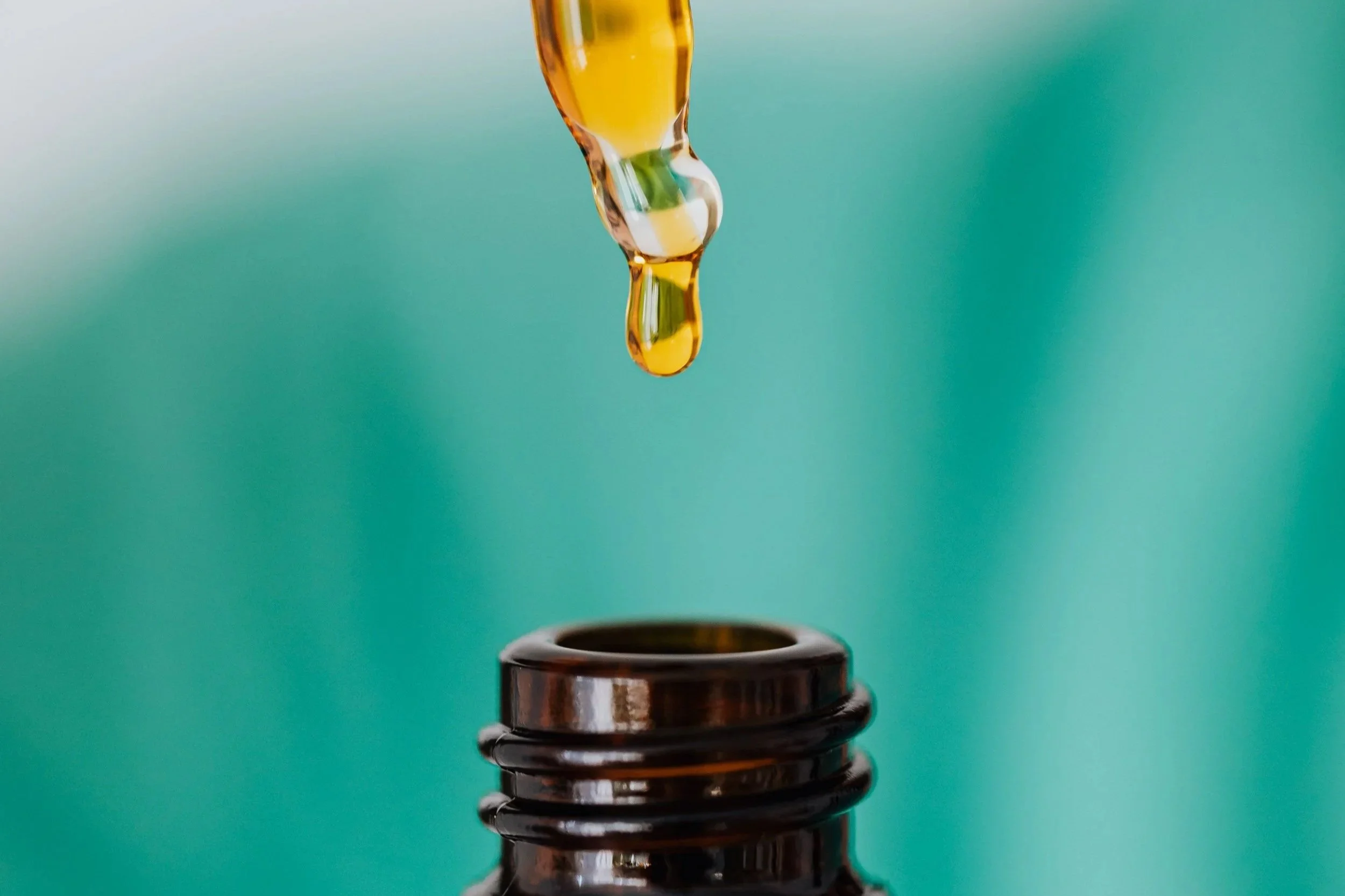
Hair oiling means applying oil to the hair, the scalp, or both as part of a regular hair care routine. Some customers focus on scalp care. Others use oils to soften dry lengths or add shine. And many adjust their routine based on their hair type and the results they want.
It has long been part of hair care traditions across South Asia and the Middle East, where it continues to play an important role in everyday hair care. As the category has reached a wider audience, the conversation has shifted beyond the practice itself. Customers now compare ingredients, textures, and formulas just as closely as they compare the oils.
That shift has turned hair oils into more than a single product category. A rosemary oil, a lightweight argan oil, and a richer treatment oil can all serve different purposes. Giving your brand more room to develop products around specific customer needs.
Benefits of Hair Oiling
One reason hair oils continue to attract attention is their ability to address different hair concerns within a single category.
Supporting Scalp Health
A healthy scalp provides the foundation for healthy-looking hair. Applying hair oil to the scalp can help support scalp comfort while complementing routines designed to address concerns such as dryness or tightness. Scalp massage during oiling may also help distribute the product evenly and turn the routine into a relaxing self-care ritual.
Improving Hair Manageability
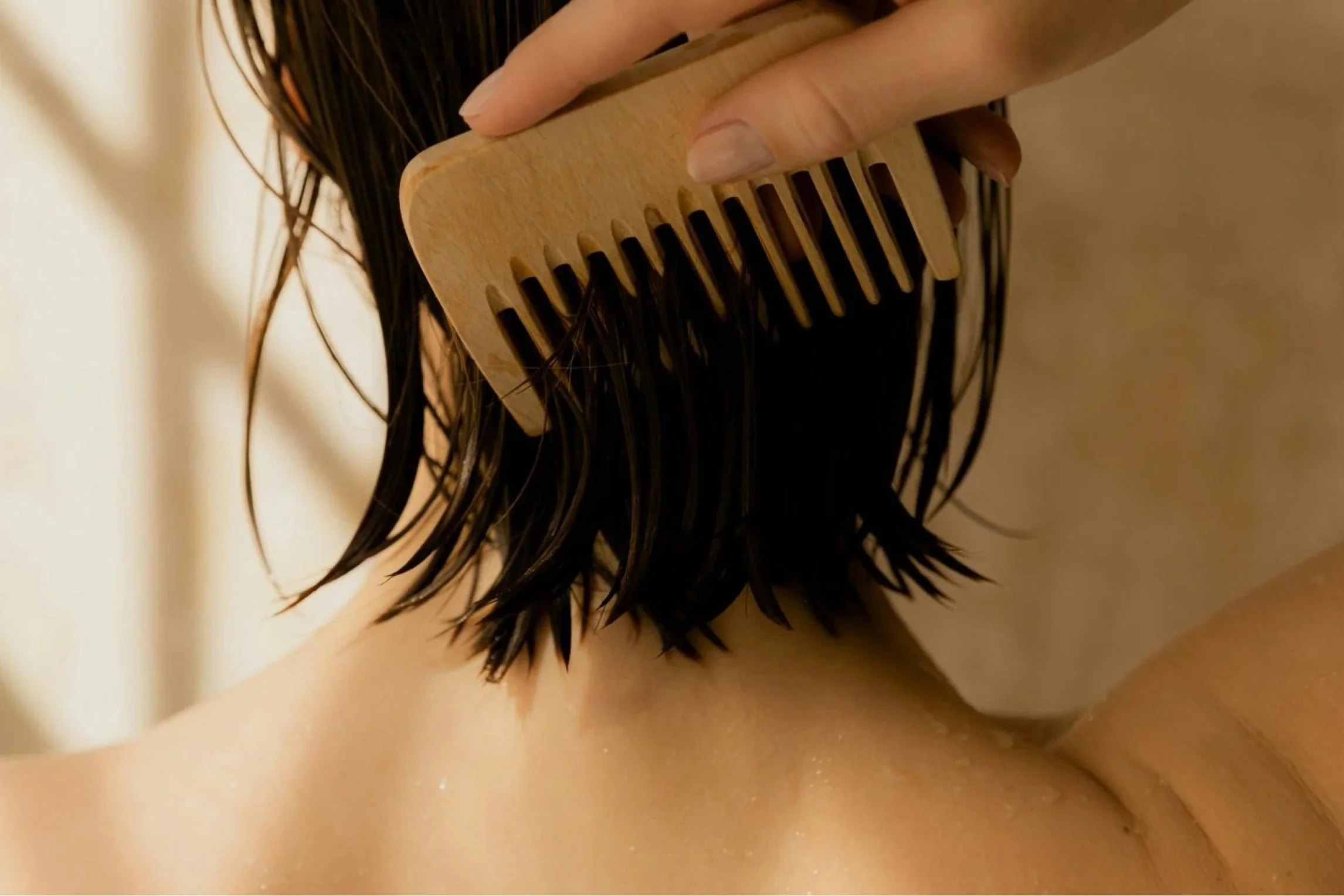
Hair oils are often used to make hair easier to manage. By smoothing the hair cuticle, they can help reduce frizz, improve softness, and make detangling easier.
Those are also some of the concerns customers deal with most often. A recent U.S. survey found that 56% of women struggle with frizz, 48% report a lack of shine, and 40% say their hair lacks volume. While hair oils won't solve every concern, they can become a practical part of a routine designed to improve the hair's appearance and manageability.
Reducing the Appearance of Dryness
Hair oils are often chosen to help with dry, rough-feeling hair. They create a lightweight layer around the hair shaft that helps retain moisture, leaving hair feeling softer and looking smoother and shinier.
Dry hair affects a large share of customers. In a study of 19,461 participants, 38.9% of women and 32.1% of men reported experiencing dry hair. It's one reason hydration-focused oils are especially popular among customers with textured, chemically treated, or frequently heat-styled hair.
Best Oil for Hair Oiling
There's no single best oil for every hair oiling routine. The right choice depends on your customers' hair type, the condition of the scalp, and what they're hoping to improve.
Some oils are better suited for supporting hair growth, while others are chosen to soften dry hair, reduce frizz, or add shine. That's also why people can have very different answers to the question – does hair oiling work?
Much depends on choosing an oil that matches customer needs and using it consistently.
Rosemary Oil
Rosemary oil has become one of the most recognizable ingredients in scalp care. Interest in the ingredient has grown alongside research exploring its potential role in supporting hair growth. Making it a common choice for customers building a scalp-focused hair care routine. For a fuller look at what the ingredient does across skin and scalp, see our guide to rosemary oil benefits.
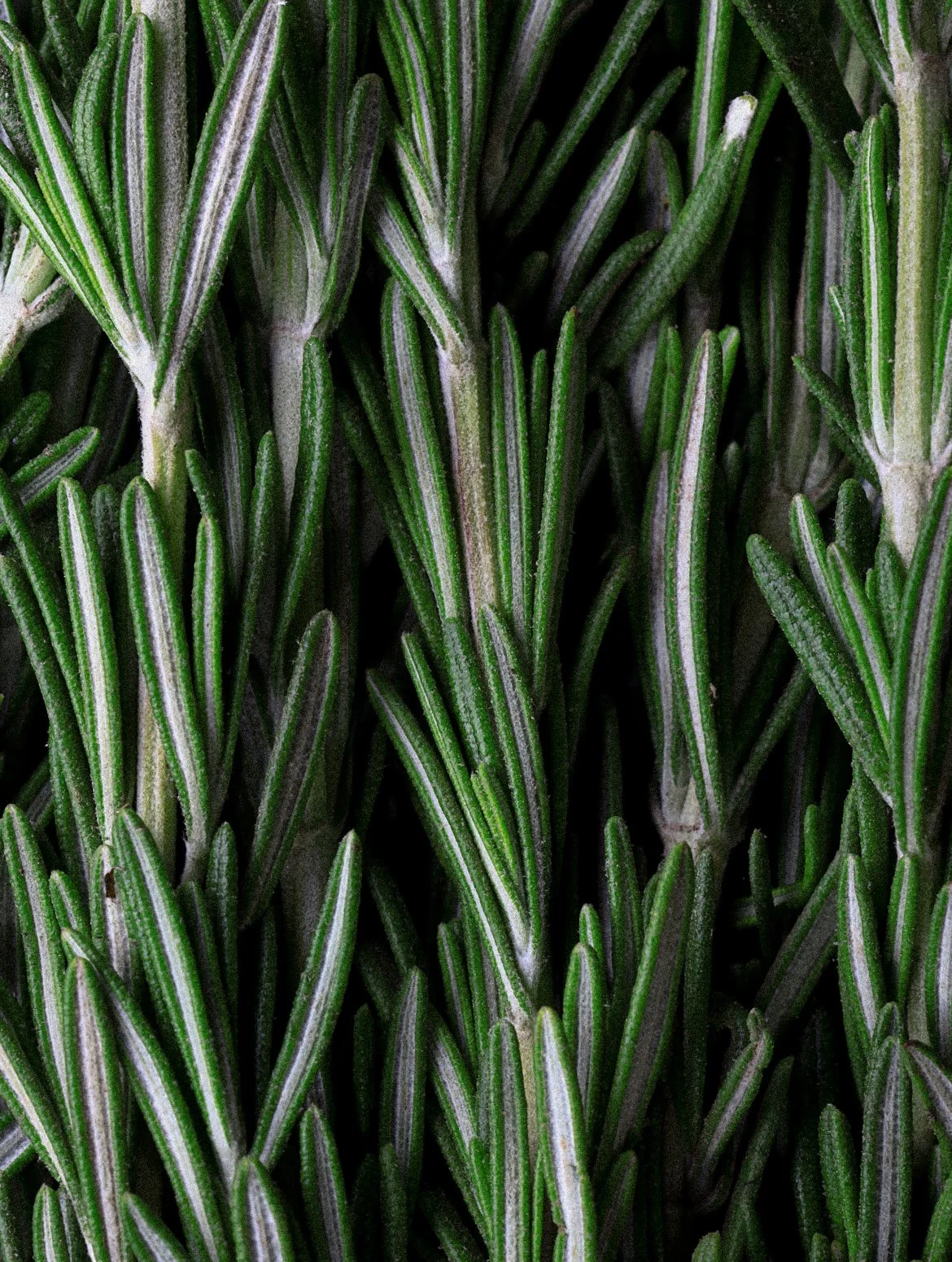
Because rosemary is an essential oil, it's usually diluted with a carrier oil before use. Many people apply it as a pre-shampoo treatment and massage it into the scalp for a few minutes before washing their hair.
If you've searched for hair oiling before and after results online, you've probably seen rosemary oil featured in many routines. Visible changes take time. However, consistency is far more important than occasional treatments.
Our Rosemary Hair & Scalp Strengthening Oil is a ready-to-brand, COSMOS Organic-certified formula made for scalp nourishment and hair resilience, so you can add a rosemary scalp oil to your line without formulating from scratch.
Argan Oil
Dry, frizzy hair is where argan oil is often at its best. Naturally rich in fatty acids and vitamin E, it's commonly used to soften the hair, tame flyaways, and add shine after styling.


Argan oil also fits into different routines. It can be used before washing or applied to the lengths as a finishing oil.
That's also why we blend argan oil into our Moisturising Conditioner, where it helps smooth the hair and leave it feeling softer after rinsing.
Jojoba Oil
Jojoba oil is a popular ingredient in scalp care thanks to its similarity to the scalp's natural sebum. Its lightweight texture spreads easily and absorbs quickly, making it well suited to regular hair oiling routines.
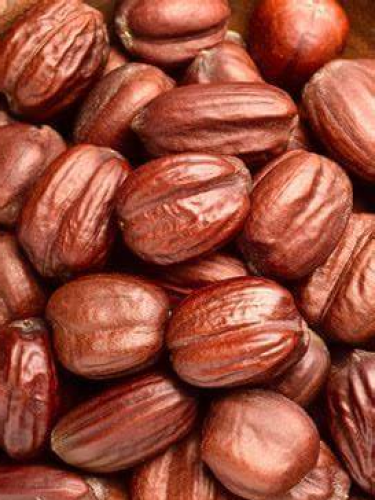

Some people use jojoba oil on its own, while others combine it with ingredients such as rosemary oil. It's also a good match for finer hair, which can become weighed down by richer oils.
Hair Oiling for Different Hair Types
Hair type influences almost every part of a hair care routine. It shapes the ingredients customers look for. The textures they enjoy using. And the results they hope to see.
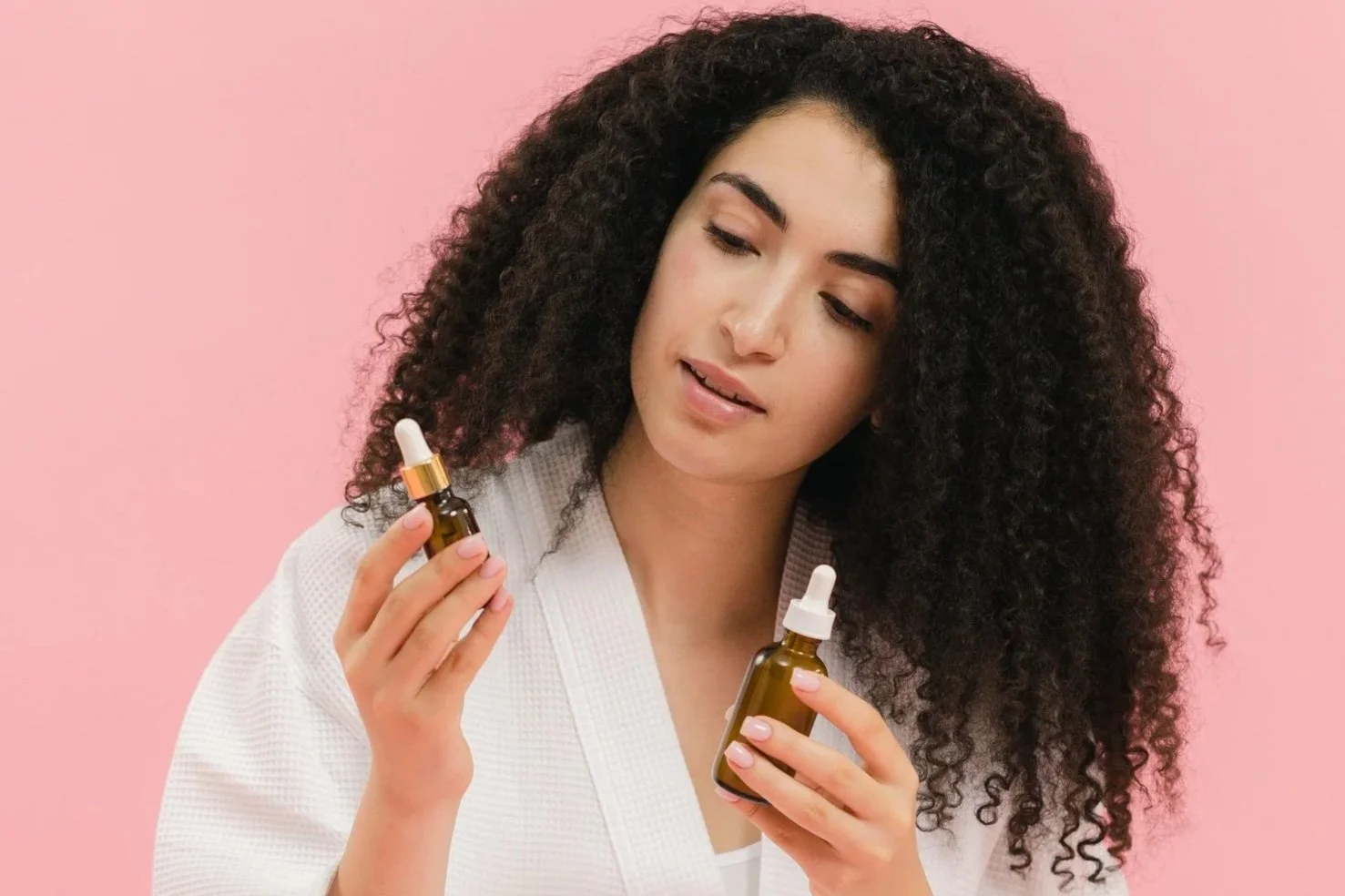
That's why people can have completely different experiences when asking does hair oiling work or does oiling hair help it grow. The routine often matters just as much as the oil itself.
For your brand, this creates an opportunity to move beyond broad claims. A product developed for fine, straight hair solves a different problem than one designed for curls or coils.
Straight hair. Shine is often a priority. Lightweight oils that absorb quickly and leave a smooth finish naturally fit everyday hair care routines, especially for customers who want polished-looking healthy hair.
Wavy hair. Customers with wavy hair often look for balance. They want softness, definition, and help with frizz, while still keeping the hair's natural movement. This creates space for products positioned around texture enhancement rather than intensive nourishment.
Curly hair. Hair oils are frequently used alongside leave-in conditioners and styling creams, becoming part of a routine that supports moisture, curl definition, and healthy hair over time.
Coily hair. Oils often become part of a broader ritual that includes scalp care, protective styles, and moisture-focused products. Rich botanical blends naturally fit this category, particularly for customers interested in supporting hair growth and maintaining the condition of their hair.
Product education matters just as much as formulation. Showing customers how to oil their hair based on different hair types helps set realistic expectations. And makes it easier for them to choose the right product. When people understand how a formula fits their routine, they're more likely to keep using it.
How to Oil Your Hair for a Simple Hair Oiling Routine
Ask five people how they oil their hair and you'll probably get five different answers. Some apply oil only to the scalp, others avoid the roots altogether, and plenty of people leave it on overnight.
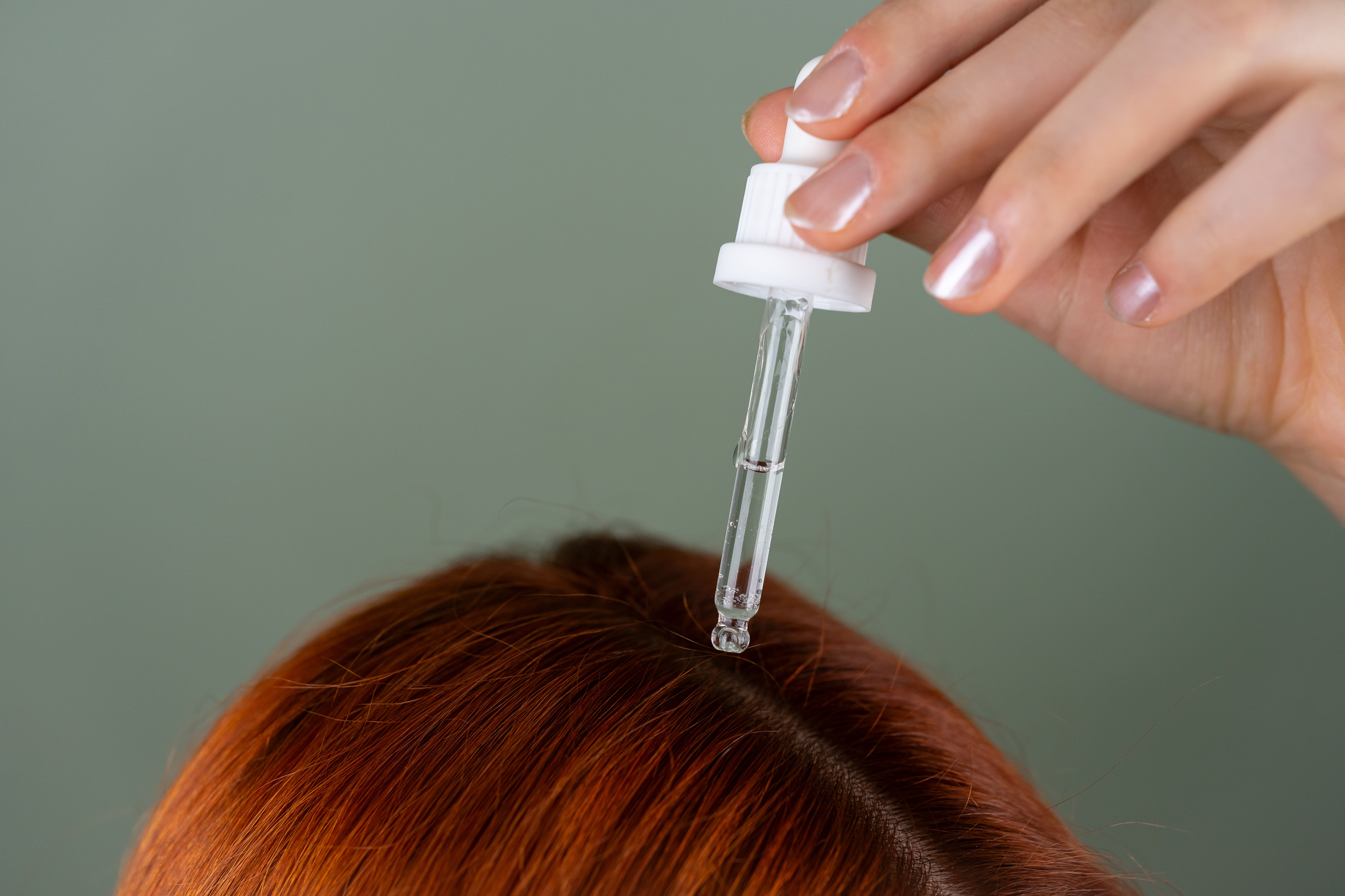
That's exactly why clear instructions matter. A simple routine gives customers confidence, and for your brand, it creates a better product experience from the first use.
Start with hair that's dry or only slightly damp. This gives the oil a clean surface to spread across. If the hair is tangled, brush it through first.
Use less oil than you think you'll need. A few drops are often enough to begin with. Customers can always add more, but using too much is one of the main reasons people say hair oil "doesn't work" for them.
Apply the oil where it makes the most sense. A scalp oil belongs on the scalp. A finishing oil is usually worked through the mid-lengths and ends. If a formula can do both, explain that clearly on the packaging or product page so customers know how to use it.
Take a minute to massage the product in. The goal is simply to spread the oil evenly instead of leaving concentrated patches.
Give the product time to do its job. Some formulas are designed to be washed out after 30 to 60 minutes, while others are intended as overnight treatments or leave-in oils. Customers shouldn't have to guess which category a product falls into.
Shampoo as you normally would. Lightweight oils usually rinse out easily, while richer botanical blends may need a second wash.
Adjust the routine after the first few uses. Hair oiling isn't something people usually master on day one. Most customers naturally change the amount of oil, application time, or frequency until they find what works for their hair.
This routine highlights something that's easy to overlook – customers don't just buy hair oil. They buy instructions, expectations, and confidence that they're using it correctly. The brands that explain the routine will often create a better experience long after the purchase.
Why Hair Oils Are a Growing Opportunity for Beauty Brands
Customers are increasingly shopping by concern rather than by product category. Instead of looking for "a hair oil," they're searching for answers to dryness, scalp discomfort, breakage, frizz, or thinning hair. That shift is changing how beauty brands think about product development and positioning.


Customer Demand for Scalp Care
Healthy-looking hair starts at the scalp, which is why scalp care has become one of the fastest-growing areas of the hair care market. Customers are paying closer attention to ingredients, application methods, and routines that support the scalp alongside the hair itself.
Interest is backed by strong demand for new products. In the Benchmarking Company’s customer survey, 66% of women said they would be very likely to try a product that offered a new way to improve scalp health. That means more than nine in ten respondents expressed at least some interest in scalp-focused innovation.
Multi-Functional Hair Products
The first product in a new hair care line often carries the most responsibility. It has to introduce the brand, appeal to a broad audience, and create opportunities for future product launches.

That's one reason hair oils continue to attract attention from emerging brands. The same formula can appeal to someone looking for extra shine. Another customer focused on scalp care. Or someone who wants an overnight treatment.
That gives your brand more ways to tell the product's story without changing the formula itself.
Industry analysts at McKinsey note that customers increasingly expect beauty products to deliver more value within simplified routines, making versatile products an attractive starting point for new brands.
Seen from that perspective, hair oil can act as the entry point to a broader collection. Making it easier to expand into shampoos, conditioners, scalp treatments, or styling products while maintaining a consistent brand story.
Building Better Products for Healthy Hair
Hair oiling has become a category shaped by different ingredients, routines, and customer expectations. The same product may be used to support scalp care, improve manageability, add shine. Or become part of a regular self-care routine, depending on how it's formulated and positioned.
For your beauty brand, that creates opportunities beyond launching another hair oil. Customers are looking for products that address specific concerns, fit into their routines, and come with clear guidance on how to use them.
Brands that combine thoughtful formulations with practical education are better placed to build trust and encourage repeat purchases.
Your first hair oil can do more than fill a gap in your product range. It can shape how customers experience your brand from the very beginning. When a formula has a clear purpose and people know exactly how to use it, it becomes much easier to expand into the rest of a hair care collection.
Frequently Asked Questions
-
It varies from person to person. If you have dry hair, once or twice a week is a common place to start. From there, it's simply a matter of seeing how your hair and scalp respond.
-
It can. Some people leave oil on overnight, while others prefer washing it out after an hour or two. The best approach depends on the formula you're using, so it's always worth checking the directions.
-
Rosemary oil is often chosen for scalp care, argan oil is popular for dry hair and shine, and jojoba oil is a favorite for lightweight hydration. The right choice depends on what you're hoping to achieve.
-
Yes, but the routine doesn't have to look the same for everyone. What is hair oiling for someone with fine hair may be very different from someone with thick curls or coils. Choosing the right oil and using the right amount usually makes the biggest difference.
-
Both approaches are common. If the oil is made for scalp care, apply it directly to the scalp. If it's designed to smooth or soften the hair, focus on the mid-lengths and ends instead. That's one of the reasons the benefits of hair oiling can vary from one product to another.
Must read