Vegan PDRN vs Salmon PDRN: Which Is Best For Topical Skincare
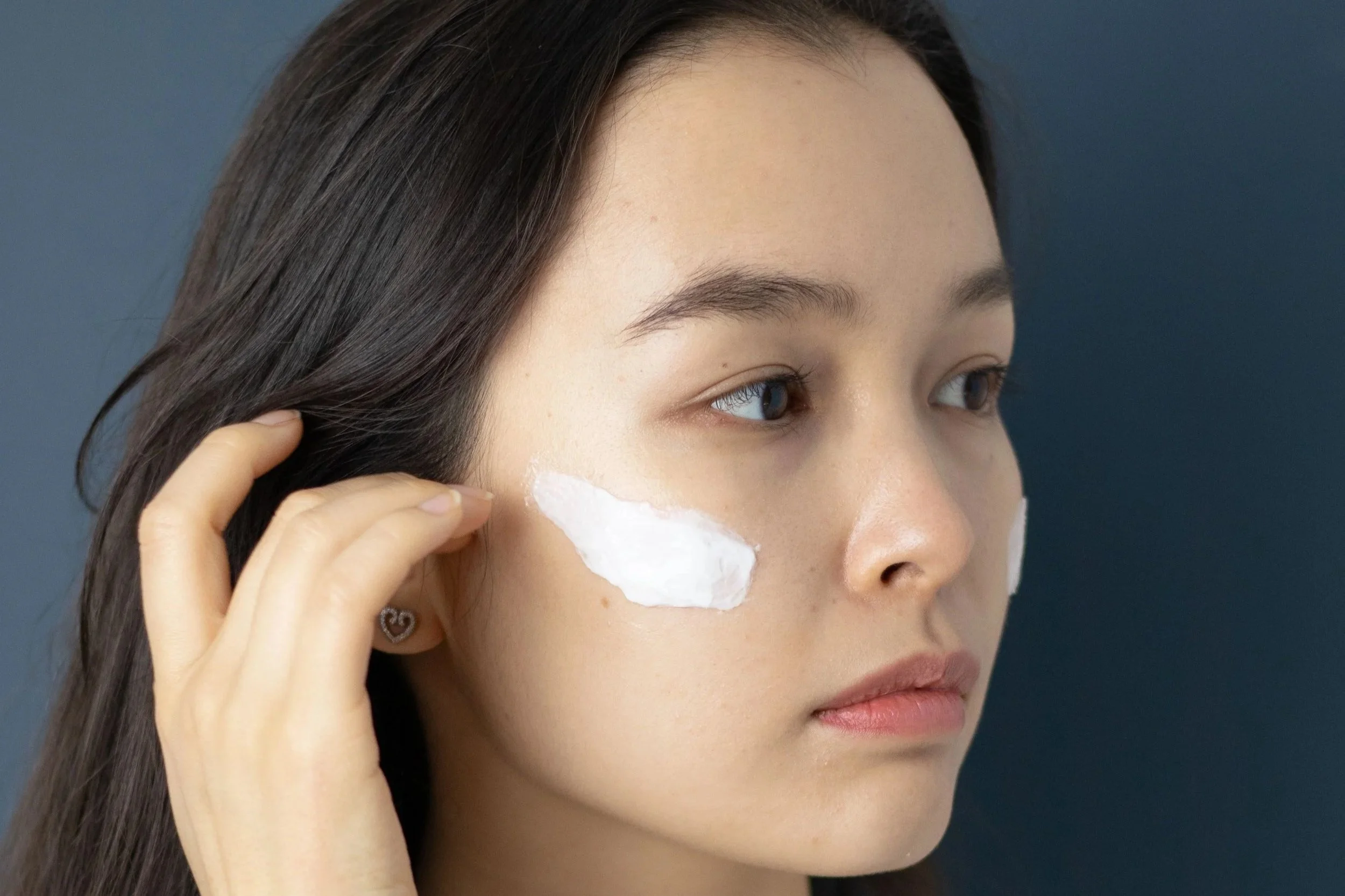
Table of Contents
Science doesn’t lie, and it doesn’t mince words either. Yes, TikTok popularized the salmon PDRN craze (in no small part due to its scandalous ingredient). But it’s truly held up by some of the most credible, effective, and scientifically-backed product formulations in modern skincare.
Let's break down some assumptions. Salmon sperm, or salmon milt, isn't the magic ingredient that holds PDRN to this high standard. What matters is the purified DNA fragment inside it. Vegan PDRN alternatives now target the same skin-repair pathways, and for businesses that don’t want to compromise on sustainability, they can be a forward-looking advantage.
We’re taking a measured look at what PDRN actually is, why it’s become popular and highly profitable for beauty sellers, and the main differences between vegan PDRN vs salmon PDRN.
Key Takeaways
PDRN stands for polydeoxyribonucleotide, a purified DNA fragment used in topical skincare for skin regeneration, collagen production, and calming inflammation.
Salmon-derived PDRN has the deeper evidence base, built over decades of clinical and aesthetic use, though most of that research is on injectables rather than topical products.
Plant derived PDRN and microbial (fermentation) versions are the animal-free alternatives, valued for lower allergy risk and sustainability.
The right choice depends on your brand's priorities, your customers' skin types, and how you weigh proven evidence against ethical sourcing.
What Is PDRN in Skincare?
Let's get the jokes out of the way. Yes, there are actually products named "salmon sperm serum," and yes, the ingredient is real. But it’s not just the raw product pulled straight from the local river spawning ground. Before it reaches a bottle, it gets filtered, sterilized, and broken down into its purified PDRN formulation, finally landing in a bathroom skincare routine shelf.

PDRN is a purified DNA fragment that signals skin cells to repair and regenerate.
PDRN stands for polydeoxyribonucleotide. It's a chain of DNA building blocks, most famously extracted from salmon, that works as an active ingredient in serums and creams.
On an ingredient list, PDRN usually appears as Sodium DNA or Hydrolyzed DNA. The source can be a fish, a plant, or a fermentation tank. But to qualify as true PDRN, it has to be purified DNA, not just an extract that happens to contain some.
PDRN first proved itself in clinical use, then crossed into cosmetic dermatology and mainstream skincare products. The production method matters here, because two PDRN active ingredients drawn from different sources won't always behave the same way on your skin.
How PDRN Works for the Skin
PDRN works by switching on the skin's own repair system. It activates adenosine receptors and the DNA salvage pathway, which is a fancy way of saying it tells your skin cells to start building.
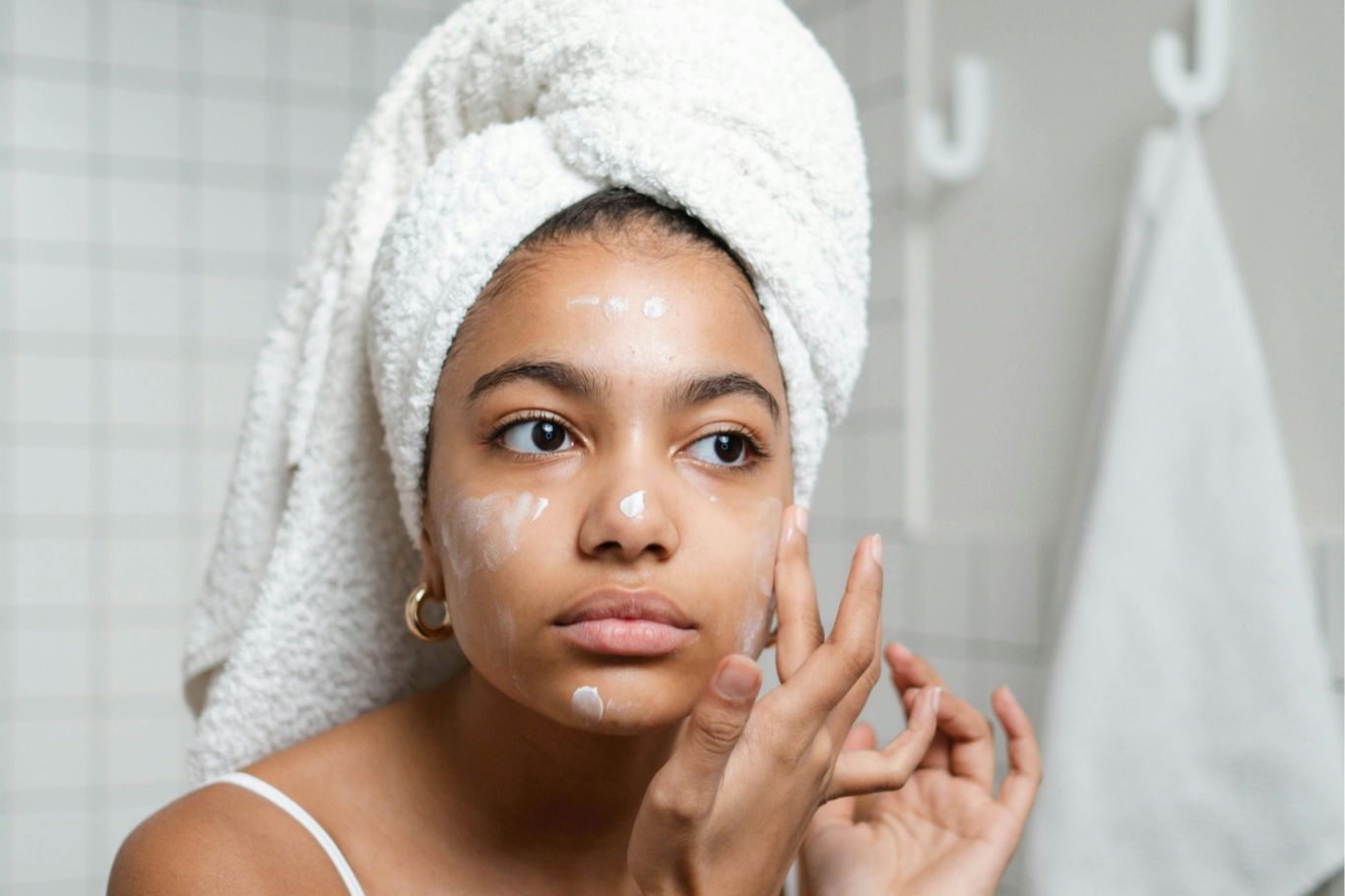
Here's how PDRN benefits the skin:
Collagen production. promotes fibroblast activity – the cells that make collagen. More fibroblast activity means more support for skin elasticity and firmness.
Skin regeneration and tissue repair. Encourages cell multiplication and new blood vessel formation, which helps damaged tissue rebuild faster.
Skin barrier support. A stronger, better-repaired barrier helps the skin hold onto moisture and defend against irritation.
Calms inflammation. PDRN features documented anti-inflammatory properties, which is why it's studied for redness, acne scars, and irritated skin.
Note: Strongest evidence comes from injectable PDRN used in clinics, not from topical PDRN serums applied at home. Topical PDRN is promising, but the peer-reviewed data on it is thinner.
The Growing Market of PDRN Products
PDRN is one of the fastest-growing categories in beauty right now. The global PDRN skincare market is projected to grow from $321.2 million in 2025 to $811.4 million by 2035, moving from a niche clinic ingredient to a mainstream shelf staple.
The demand is real, the margins are strong, and the ingredient carries a built-in story that customers already recognize from social media. That combination of trend and repair-focused substance is rare. It's exactly why so many new PDRN products keep landing in the market.
Salmon-Derived PDRN (Animal Derived)
Salmon-derived PDRN is polydeoxyribonucleotide extracted and purified from the milt (sperm) of salmon or trout. It's the original, and it's the version with the longest track record.
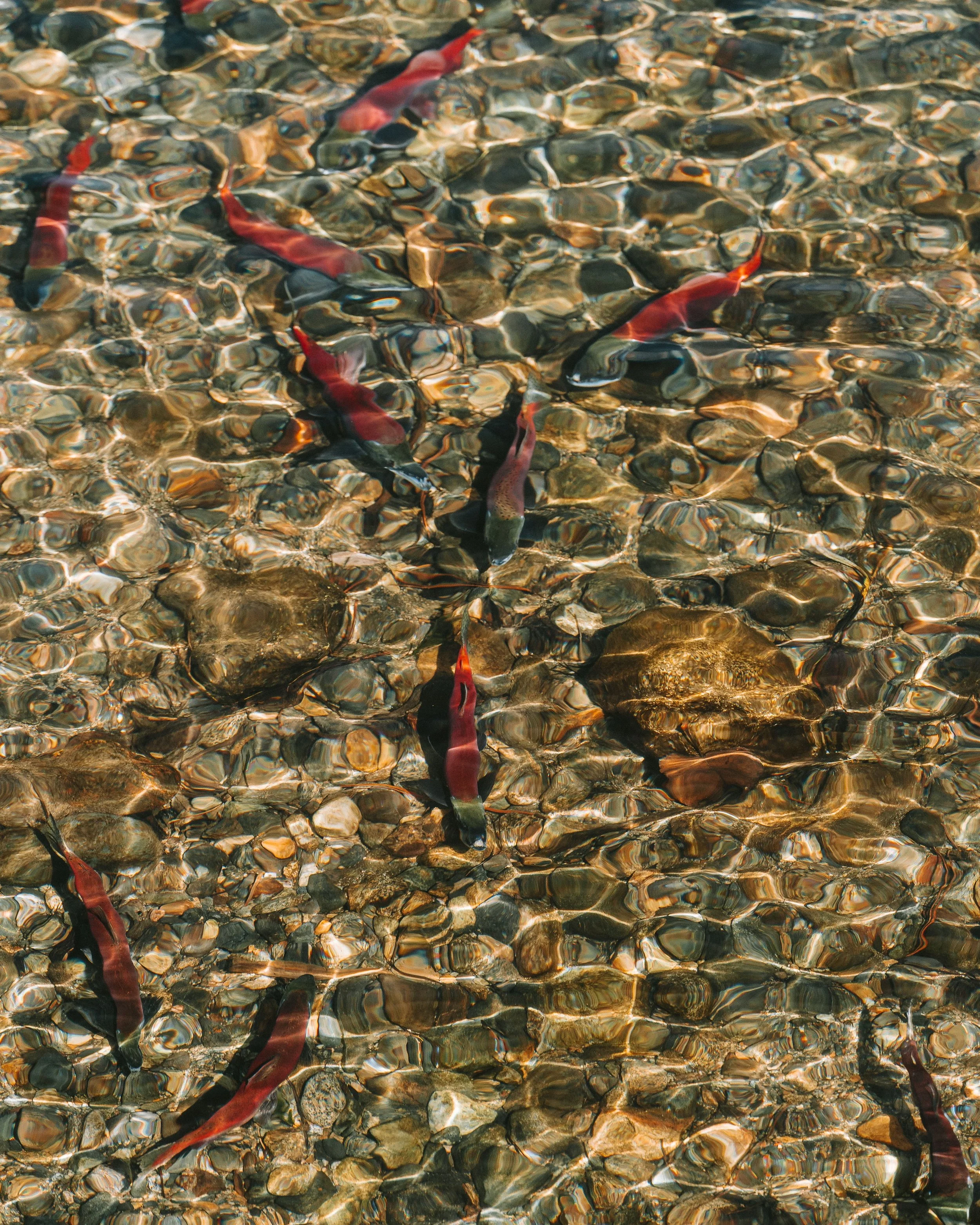
Three clinical strengths stand out:
Depth of evidence. Salmon PDRN has been studied for decades, with research supporting improvements in skin elasticity, wound healing, acne scars, and hyperpigmentation. That track record makes it a credible entry in the anti-aging agent category.
Purity. Salmon DNA is favored because it extracts into highly purified DNA with low levels of contaminating molecules, which matters for a compound that's defined by its purity. The salmon sperm behind it yields cleaner DNA than most other animal sources.
A proven delivery history. Before it was a serum, salmon PDRN powered well-known aesthetic treatments like Rejuran, giving it a pedigree few new actives can match.
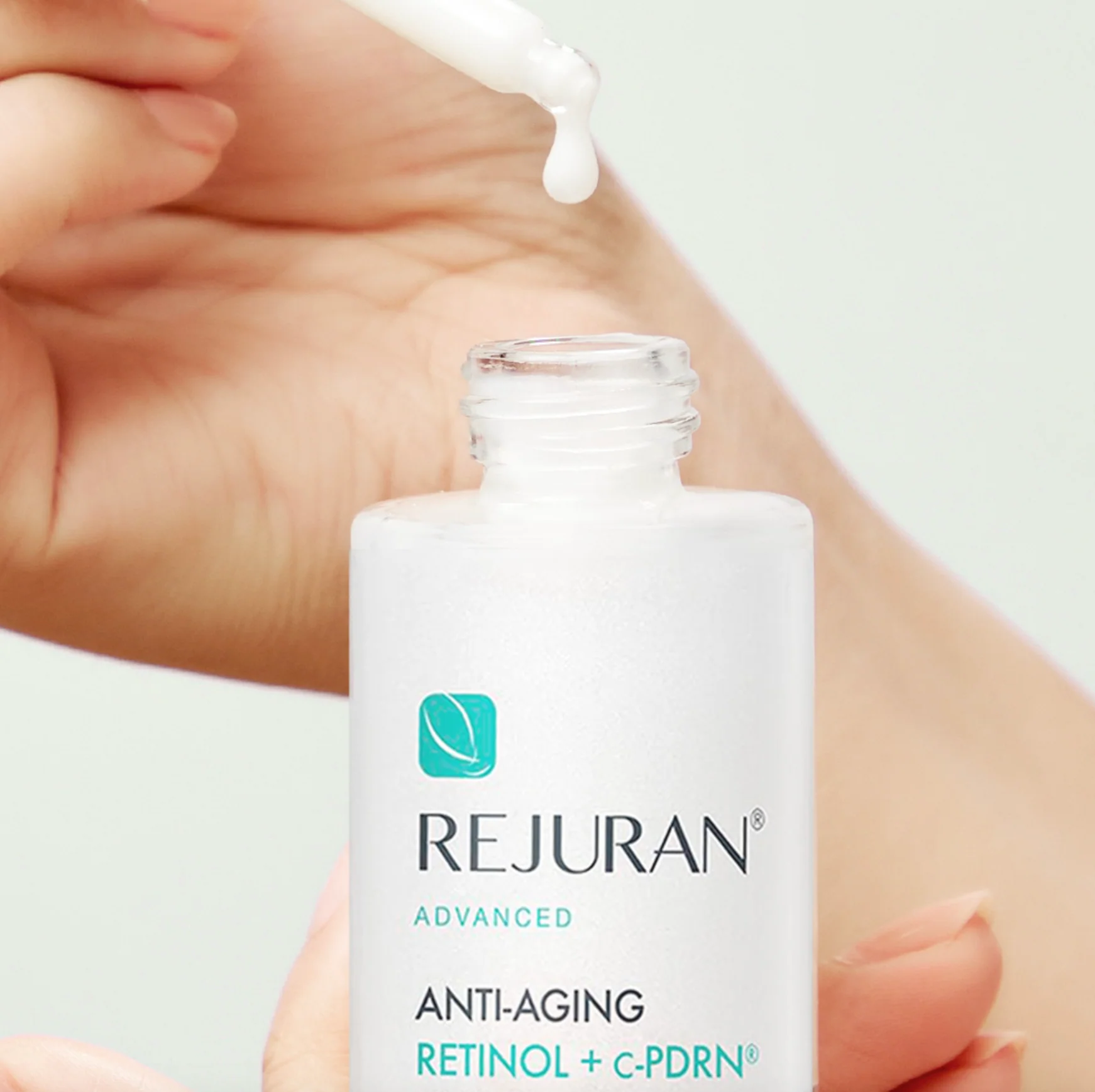
You'll find them in plenty of topical products on shelves now, from Medicube's PDRN Pink Peptide Serum, a budget-friendly fan favorite, to Rejuran's Turnover Ampoule, the at-home version of the brand's clinic treatments.
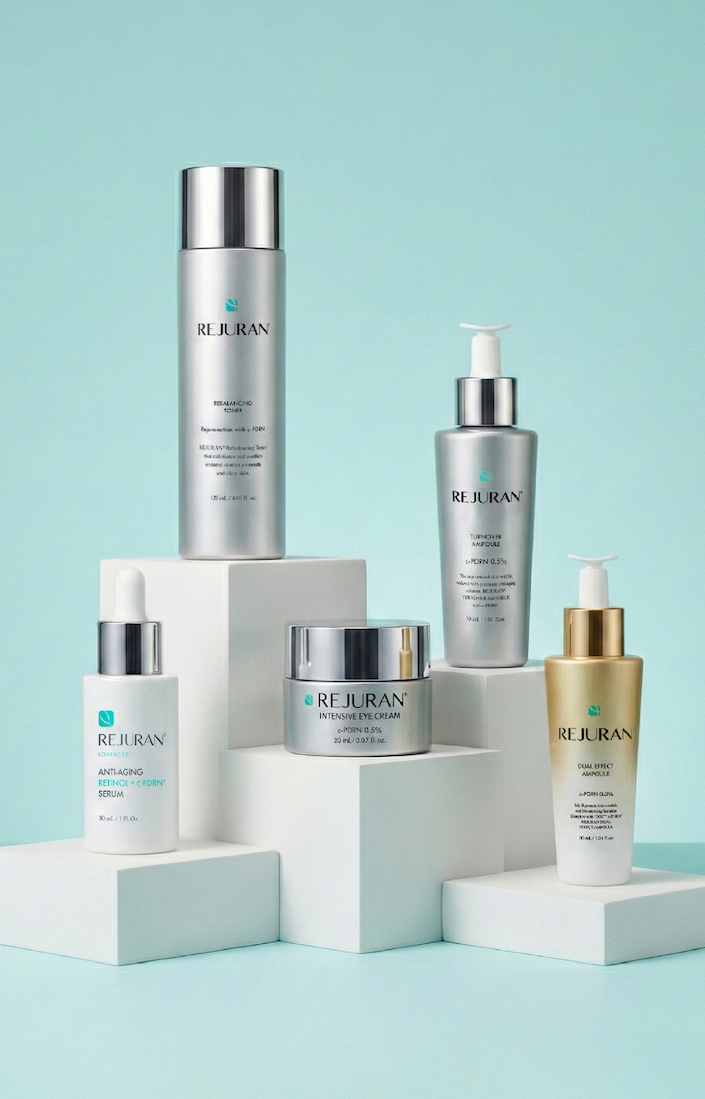
There are real trade-offs to name, though:
It's a fish-derived ingredient. Carries a fish allergy consideration for some customers.
Raises animal-welfare and sustainability questions that a growing share of buyers care about.
Extraction is complex, which keeps production costs, and shelf prices, on the higher side.
Vegan PDRN (Plant Derived)
Plant derived PDRN is a polydeoxyribonucleotide, or a PDRN-like DNA fragment, sourced from botanicals or microbes instead of fish. It's the animal-free answer to the salmon original, and it's the fastest-rising part of the category.

The vegan PDRN pool is wide. Common sources include:
Plant derived versions, extracted from botanicals like Centella asiatica, rose, ginseng, rice, green tea, oat, and seaweed. Some are built from plant callus cells through biotechnology.
Microbial sources, produced through fermentation using lactic acid bacteria or yeast. These are sometimes labeled L-PDRN.
The appeal is easy to see. A plant derived PDRN is an animal-free alternative with no fish-allergy risk, a cruelty-free sourcing story, and a sustainability angle that lands with clean-beauty shoppers.
Vegan sources like these give a brand a clean-label vegan alternative to fish-derived actives. Many topical PDRN formulas built from vegan sources are specifically formulated for low irritation, which suits sensitive and reactive skin types.
Note: A plant derived version can be a genuine, meaningful advantage for a brand, as long as the claims stay grounded in what the science actually shows. Vegan PDRNs aim to mimic the regenerative pathways rather than replicate the exact compound, and quality varies a lot between sources. There’s encouraging internal data, but it isn't the same as independent proof.
Side-By-Side: Salmon PDRN Vs Vegan PDRN
Here's the quick comparison, factor by factor.
| Factor | Salmon PDRN | Vegan PDRN |
|---|---|---|
| Source | Purified DNA from salmon or trout milt | Botanicals (Centella, rose, rice, ginseng) or fermentation |
| Best for | Buyers who want the deepest evidence base | Buyers who prioritize ethics, sustainability, and low allergy risk |
| Evidence | Decades of clinical research, mostly on injectables | Emerging and variable, no head-to-head trials yet |
| Delivery | Topical serums, creams, ampoules, plus clinical injectables | Mostly topical serums, ampoules, and creams |
| Allergy risk | Fish-allergy consideration | No fish-derived material, generally lower irritation |
| INCI name | Sodium DNA, Hydrolyzed DNA | Varies, often proprietary trade names |
| Typical cost | Higher, due to complex extraction | Often more accessible |
Salmon PDRN wins on long-term research and development, and vegan PDRN wins on ethics, allergy safety, and sustainability, so the "best" choice comes down to which of those your brand and your customers value most.
How to Market PDRN for Skincare Routines
PDRN slots in like most serums, right after cleansing and toning.
Applied topically to clean skin
Patted in gently to cover the targeted area
Sealed into the skin with a moisturizer
During the day, sunscreen goes on top.
Whether your PDRN serum is salmon or vegan, the routine is the same.
PDRN absorbs quickly, plays well with other active ingredients, and is generally considered gentle enough for sensitive skin.
For anyone starting out, two to three times a week is a sensible entry point before building up. That gentleness is a big part of why PDRN has become a fixture in modern skincare and a favorite for topical skincare lines aimed at repair and recovery.
Which PDRN Is Right for Your Brand?
The salmon PDRN vs vegan PDRN call starts with your customer, not the ingredient. If your audience is evidence-first and doesn't mind animal-derived actives, traditional salmon PDRN gives you a strong story to stand behind. If your brand is built on clean, vegan, and cruelty-free values, a plant derived PDRN keeps you consistent, and it removes the allergy barrier.
Whichever way you lean, back your claims with professional guidance and keep them honest. PDRN is generally considered safe and gentle. Follow new scientific evidence consistently.


Selling skin-barrier repair products with Selfnamed
Selfnamed has a lineup of regeneration and repair actives you can put your own name on, without minimums. Our Exosome & Niacinamide Serum pairs next-generation exosome technology with barrier-supporting niacinamide. Our Collagen Boost Serum and Collagen Night Cream target the same firmness and elasticity goals that draw customers to PDRN.
Our peptide serums round out a repair-focused range that's already formulated, stability-tested, and ready for your brand. These are topical products that support repair and skin barrier function, the same skin goals driving PDRN demand across the beauty industry.
Most of our formulas carry COSMOS certifications by ECOCERT, and the vast majority of our catalog is vegan-friendly, so a clean, ethics-led regeneration line is well within reach.
Order one bottle to test or dropship as customers buy, and we pick, pack, and ship under your brand. If PDRN is the trend that brought you here, these are the actives that let you act on it.
Closing Remarks
The salmon-versus-vegan debate is taking shape in laboratories, not at the branding level, just yet. So right now it's about which one fits your brand and the customers you're building it for.
Salmon PDRN brings the evidence. Vegan PDRN brings the ethics and the clean-beauty story. Both are riding the same wave of demand for skin regeneration. Both promise stronger, healthier skin, and both give your customers a real skin repair story to believe in.
The brands that win this category will be the ones that pick a lane, tell the truth about it, and put a genuinely good product on the shelf.
Frequently Asked Questions
-
Traditional PDRN is not vegan, because it's derived from salmon or trout. A vegan alternative exists in the form of vegan PDRN, sourced from plants or fermentation, and these products are clearly labeled as plant derived or animal-free. If a vegan alternative matters to your customers, look for vegan PDRN on the ingredient list.
-
Salmon PDRN has a favorable safety profile in the research, with clinical use reports noting few significant side effects. The main consideration is fish allergy, so anyone with a known fish allergy should approach salmon-derived products with care.
-
The honest answer is that we don't fully know yet. There are no published trials directly comparing the two, and vegan PDRN evidence is newer and more variable. Some plant derived versions show promise, but salmon PDRN still has the deeper research base.
-
PDRN is generally gentle and often recommended for sensitive skin and irritated skin, thanks to its anti-inflammatory properties. Vegan versions are frequently positioned as especially low-irritation. As always, patch testing first is smart.
-
PDRN supports overall skin quality by encouraging collagen production, skin regeneration, and skin barrier repair. Over time, that can mean improvements in skin elasticity, texture, and the appearance of fine lines, all adding up to healthier, more resilient skin.
Must read