Lipification Is the Lip Care Trend Every Beauty Brand Should Know
Table of Contents
Not long ago, lip products had a fairly simple job. A balm added moisture, a lipstick added color, and a gloss added shine. Today, those lines are starting to blur.
That shift has given rise to lipification – a trend that treats lip care with the same attention as facial skincare.
Instead of reaching for a lip balm only when their lips feel dry, people are building more complete lip care routines. Lip oils, masks, treatments, even lipsticks are now expected to care for the lips while adding color.
For beauty brands, it opens the door to new product categories, stronger ingredient stories, and lip collections that sit comfortably between skincare and makeup.
Let's take a look at what's driving lipification, how it's changing customer expectations, and what it means if you're planning your next product launch.
Key Takeaways
Lipification is bringing skincare principles into everyday lip products.
Treatment-focused lip products are expanding opportunities beyond traditional lipsticks.
The strongest lip collections solve a specific customer need before adding more products.
What Is Lipification?
Lipification grew from how customer expectations changed across the beauty industry. It’s the shift from viewing lips as a canvas for simple color to treating them like specialized skin that needs targeted care and active ingredients.
More lip products are being developed with ingredients once associated with skincare. At the same time, customers are paying closer attention to what's in their lip products and what those ingredients actually do. Looking good is still important, but it's no longer enough on its own.
From Skinification to Lipification
If you’ve ever heard about skinification, it’s that – the idea that makeup should care for the skin as well as improve how it looks.
You can see it across almost every makeup category.
Foundations now include hyaluronic acid. Primers are made with skincare ingredients. Even concealers are formulated with ceramides and peptides. Once people started expecting those benefits from makeup. Only a matter of time before the same expectations reached lip products.
Same Products, Different Expectations
Lip balms, lip oils, lip glosses, and lip masks have all been around for years. What's changed is what they're expected to do.
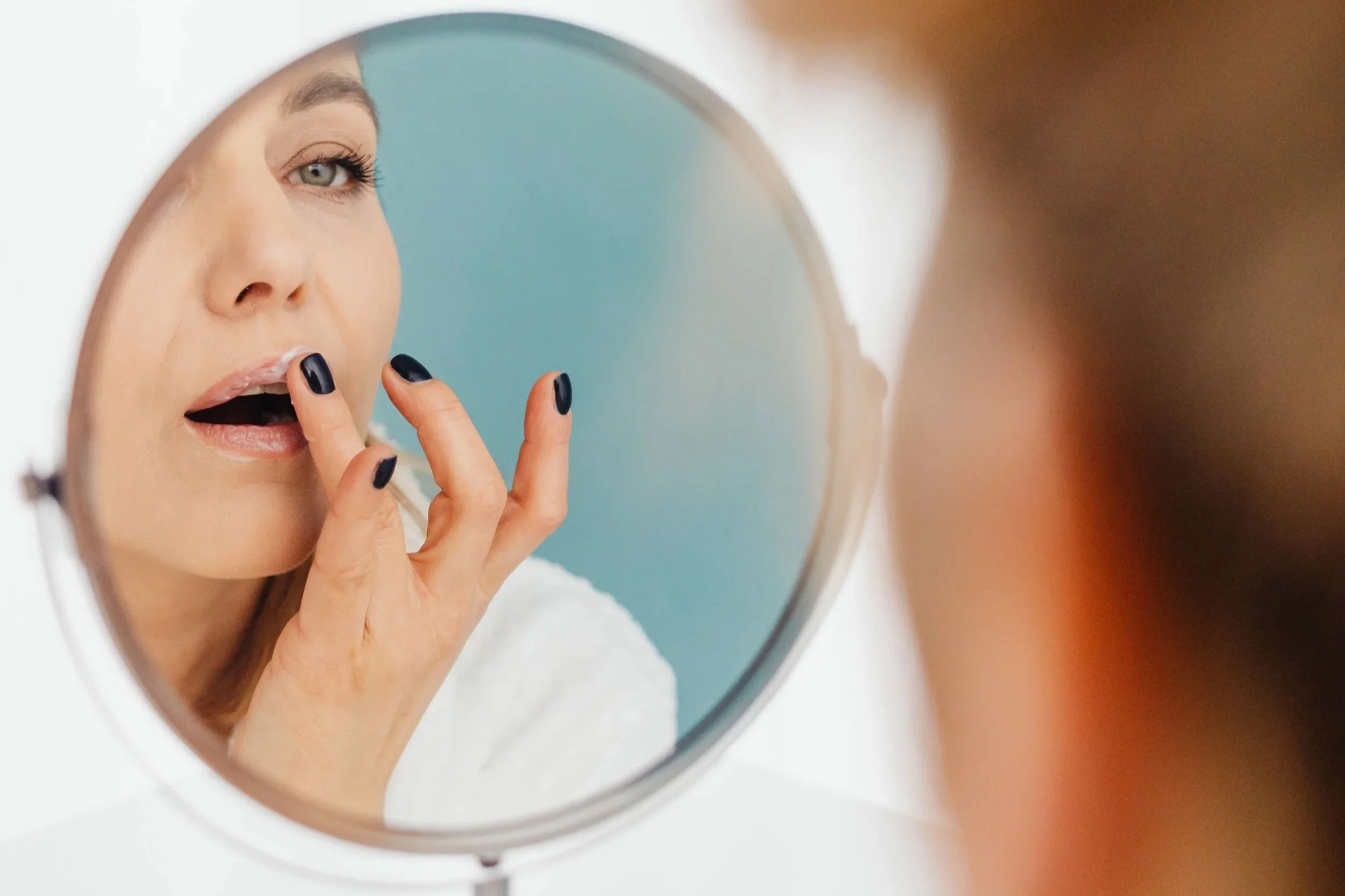
A lip balm is expected to do more than moisturize. A lip oil should hydrate as well as add shine. Even lip gloss often includes nourishing ingredients, while lip masks have become a go-to for longer-lasting care.
Why Customers Are Paying More Attention to Lip Care
The line between skincare and makeup keeps getting thinner, and lip care sits right in the middle. Customers increasingly expect the same ingredients and treatment-focused approach they already look for in facial skincare.
Many people now keep more than one lip product within easy reach, switching between formulas depending on the time of day or what their lips need. For example, they could switch between overnight lip masks, hydrating lip oils, and lipsticks made with nourishing ingredients.
Social media has accelerated that shift. It’s made products more visible and changed what people expect from them. According to Spate, lip serum continues to grow across search and social platforms, with TikTok driving +88.7% of the trend's popularity in 2026. The growing interest reflects a broader move toward lip products that combine skincare with color and shine.
Why Lipification Matters for Beauty Brands
Lipification is still a niche category but has a lot of growth potential. What was once an add-on purchase is becoming a category with its own routines, ingredients, and loyal customers. If it was a quick TikTok trend, that’s one thing, but lipification is part of a larger skincare movement.
The Shift From Cosmetic Benefits to Care Benefits
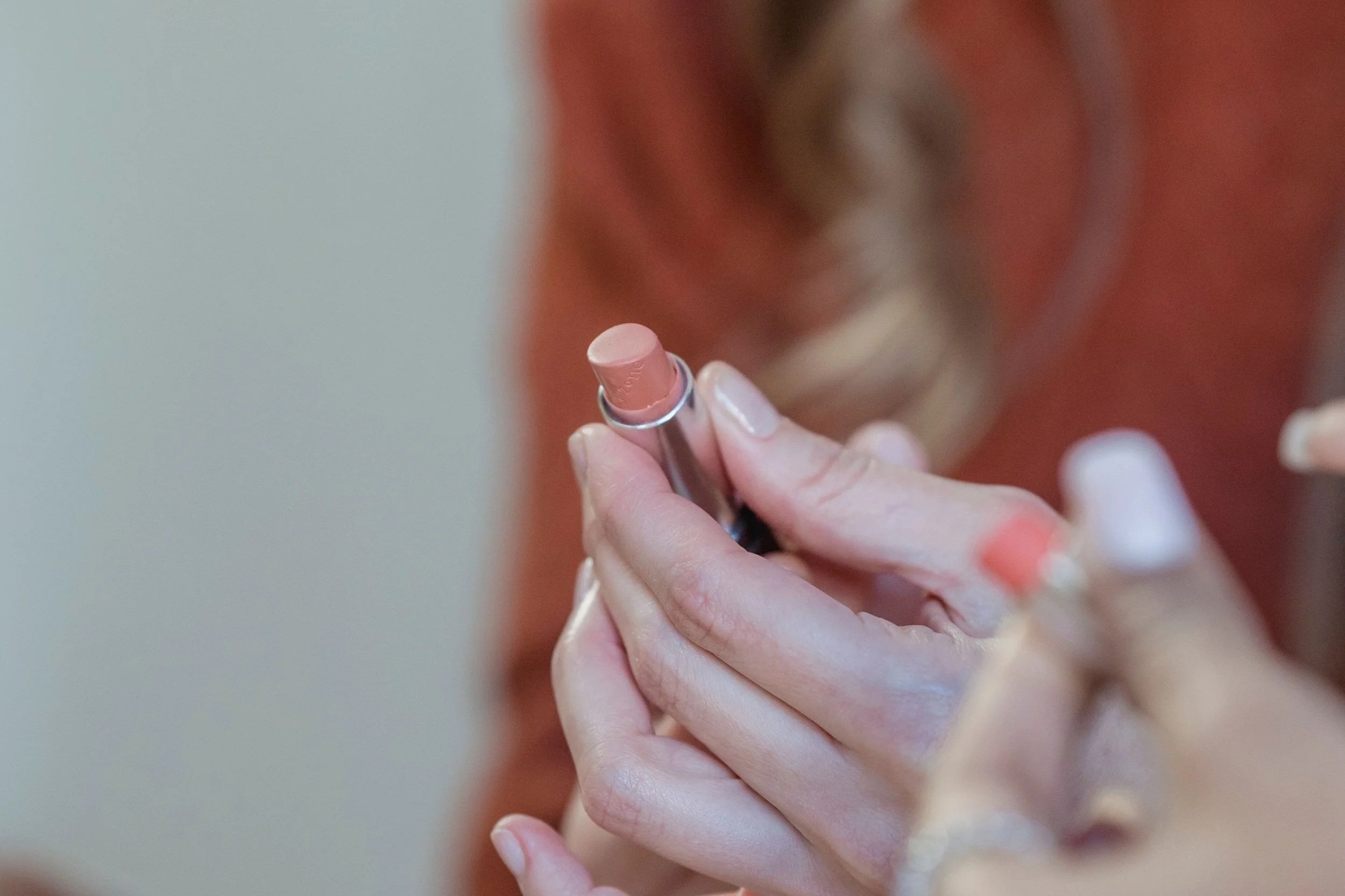
Lip products used to compete on color, finish, and wear time.
Those things still matter, but they're no longer the whole story.
Customers now expect lip products to feel comfortable throughout the day. Hydration, nourishment, and barrier support have become part of the value proposition, whether they're buying lip balm, lip oil, or even a lipstick.
That changes product development too. Instead of asking how a product looks, you increasingly need to think about how it feels, what ingredients it contains, and why those ingredients belong in the formula.
How Lip Care Fits Into Modern Beauty Portfolios
Lip care naturally connects skincare and makeup.
A skincare brand can introduce a treatment-focused lip balm or overnight mask without stepping into color cosmetics. A makeup brand can add nourishing lipsticks or lip oils without moving into facial skincare. That flexibility makes lip care one of the easiest categories to add without changing your brand identity.
The fastest way to build a lip care collection? Private label manufacturing.
Instead of spending months developing formulas, you start with products that are already made and put your energy into building a brand customers connect with.
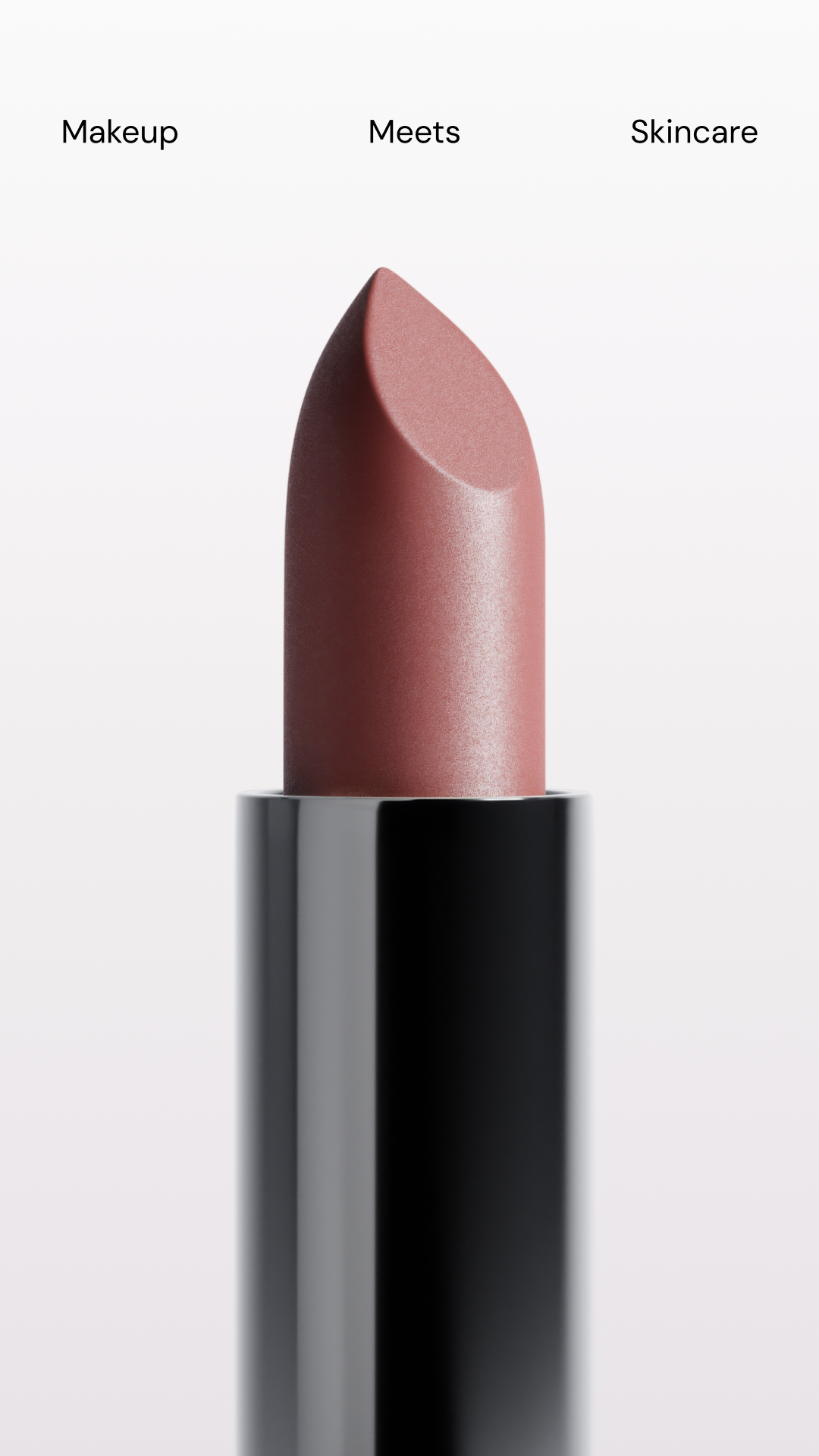
That's exactly how our own nourishing matte lipsticks work: ready-to-brand formulas that add color and care in a single swipe, which is lipification at its simplest.

The Business Opportunity Behind Lip Care
The smallest product often makes the biggest impression.
Lip products are one of the few beauty products people apply throughout the day. That gives your brand repeated opportunities to stay visible, whether someone is at work, commuting, or getting ready for an evening out.
Every application becomes another touchpoint between your brand and the customer. It's one reason lip care continues to grow. Grand View Research projects the global market will reach USD 6.1 billion by 2033, with rising awareness of lip health and daily care helping drive demand.


The Ingredients Driving Modern Lip Care
The best lip products combine ingredients that deliver different skincare benefits. Some attract moisture, some soften the lips, and others help protect them throughout the day. Understanding how they work together makes it much easier to build a formula with a clear purpose.
Hydrating Ingredients Customers Recognize
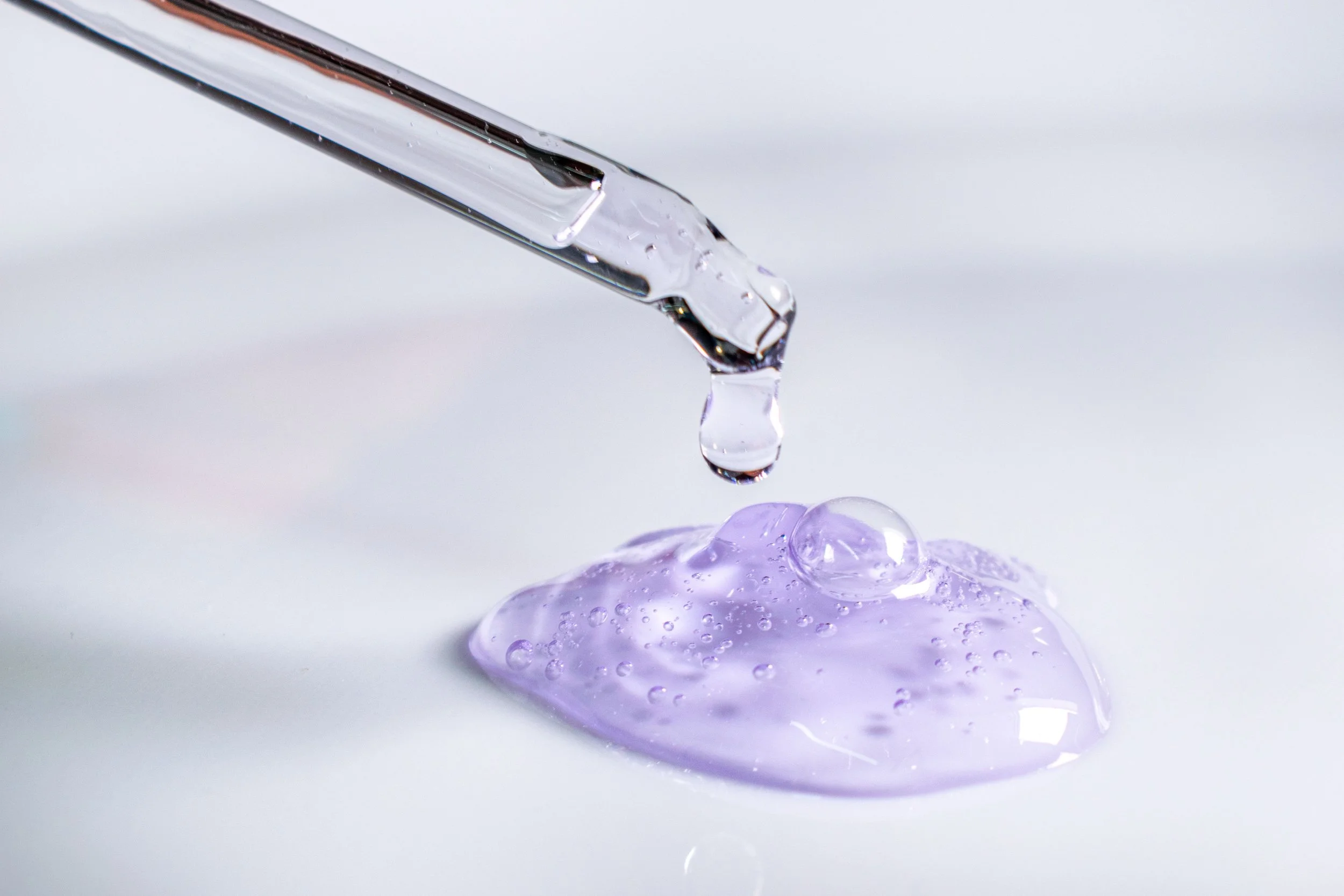
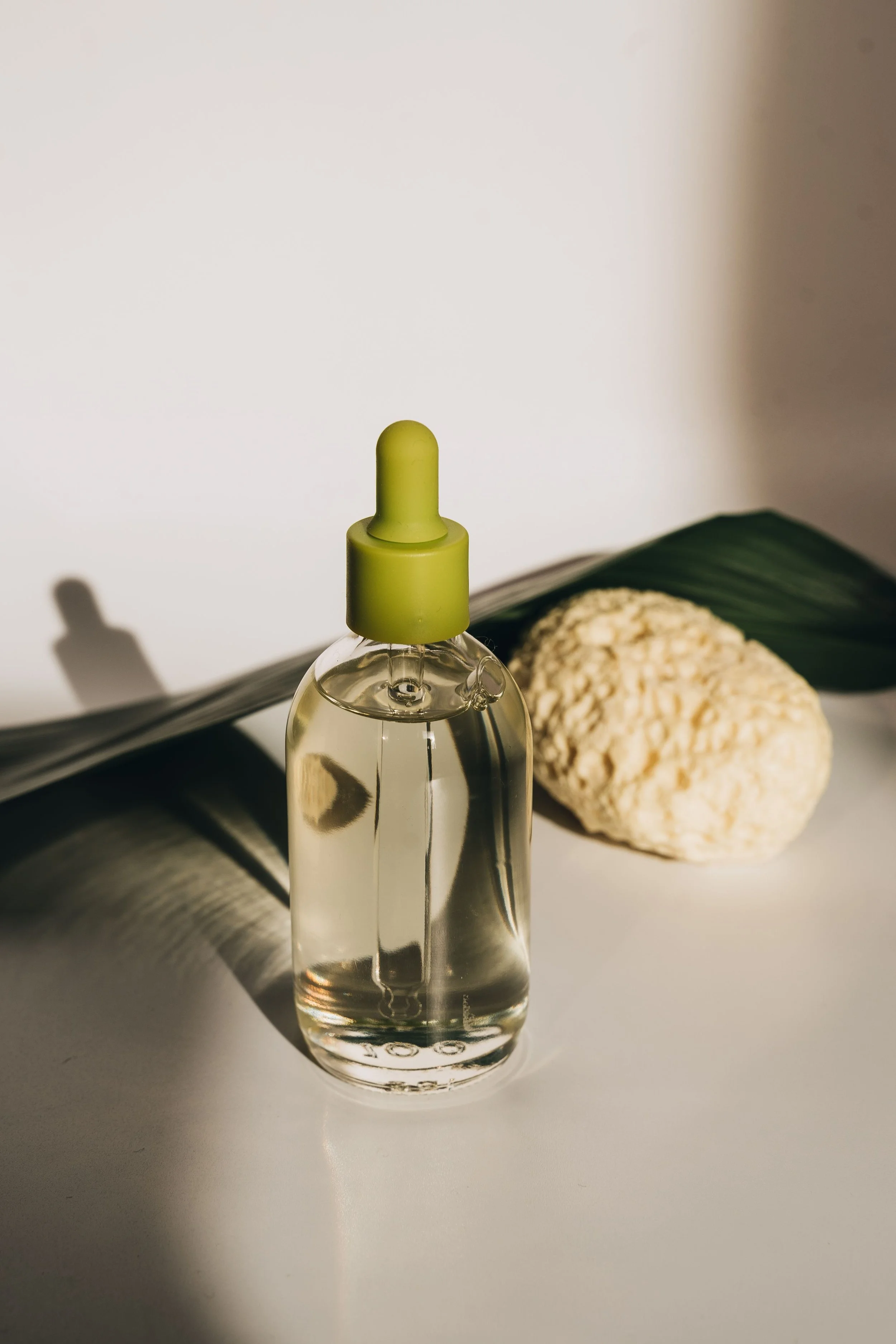
Hydration has become one of the first things customers look for in a lip product. Ingredients like hyaluronic acid, glycerin, and betaine have already earned that reputation in skincare, making them a natural fit for lip masks, lip oils, and treatment balms.
Their familiarity also helps your brand communicate benefits quickly. When customers recognize an ingredient, they immediately have a better idea of what the product is designed to do.
Nourishing Oils and Emollients
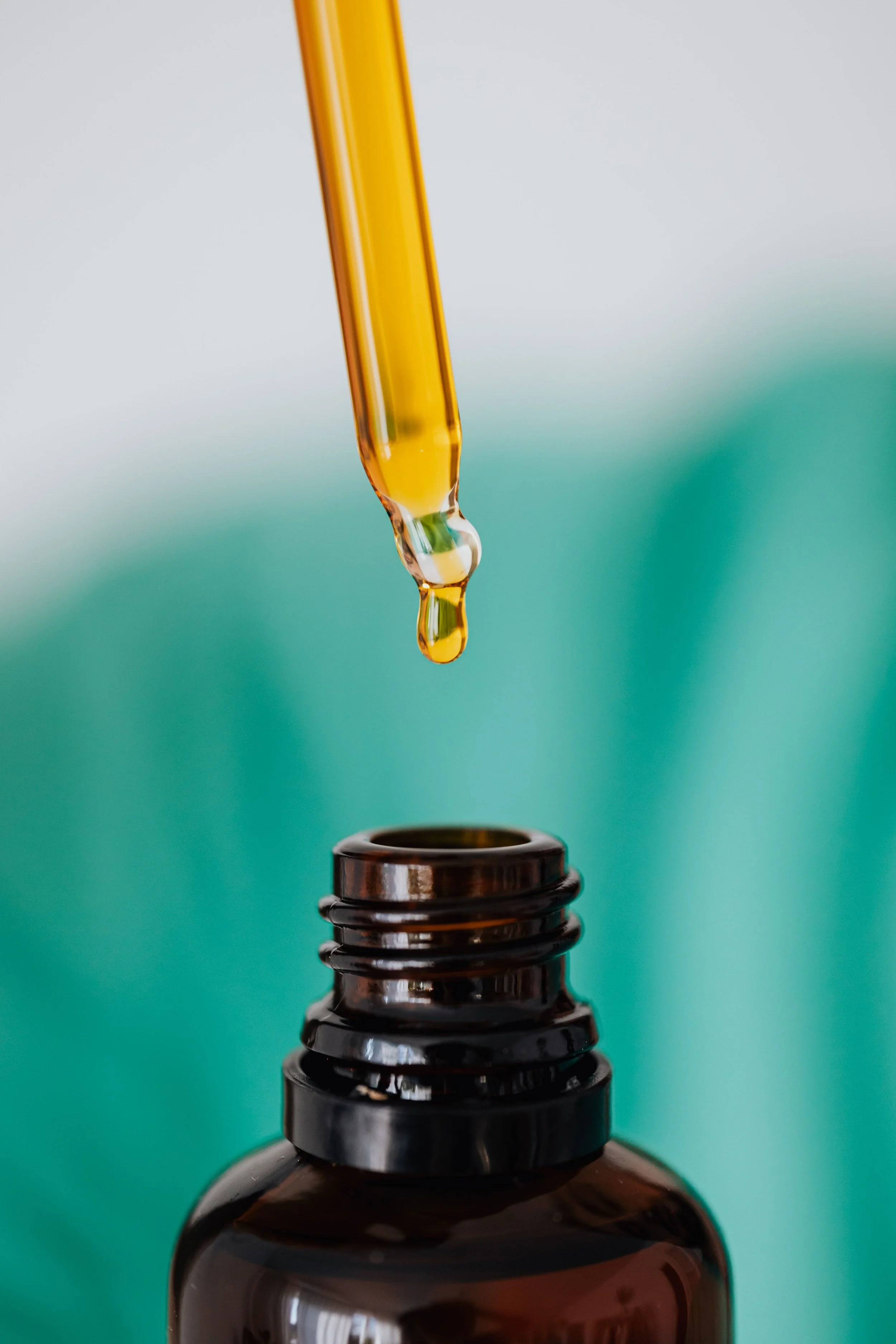

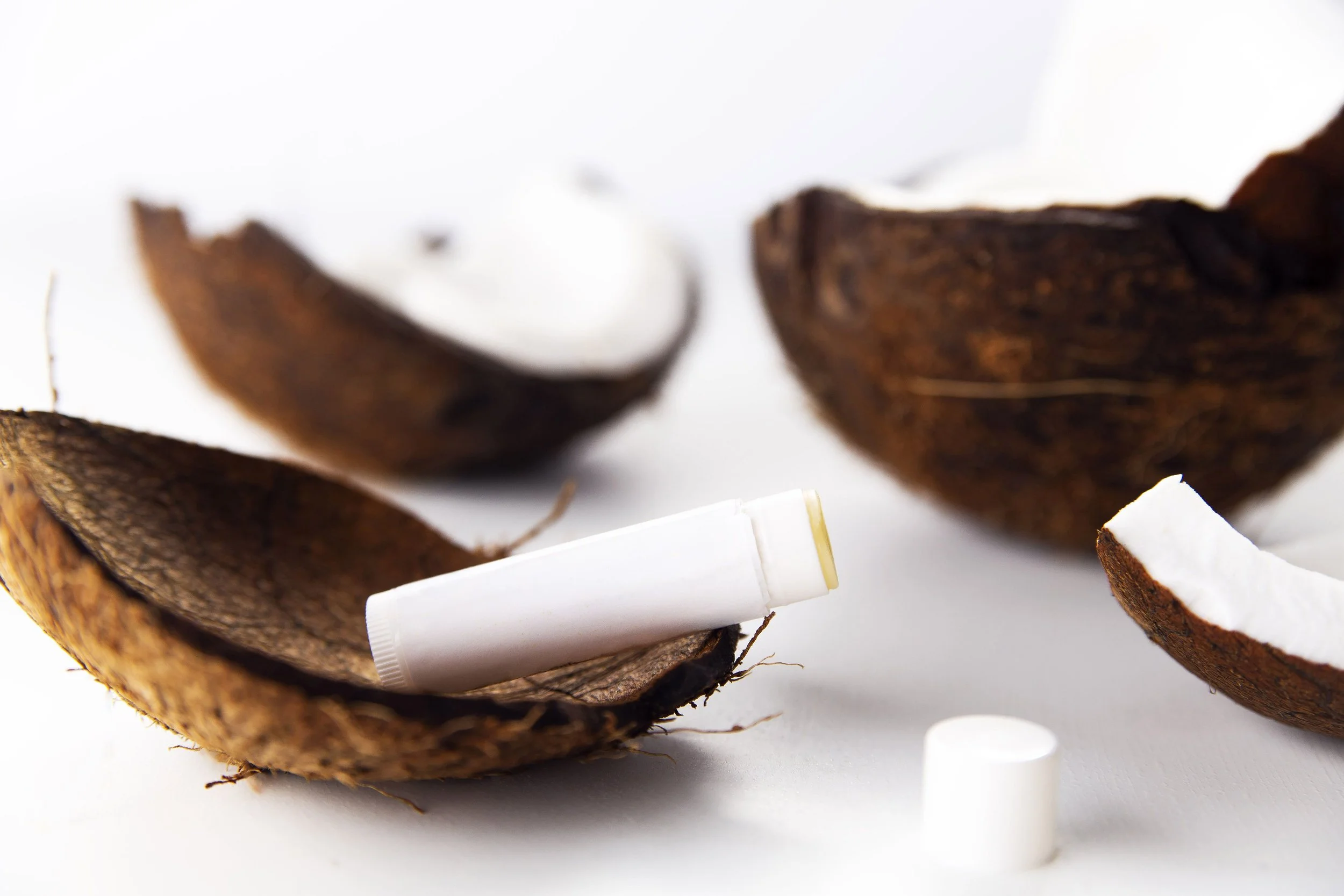
The first swipe often decides whether someone reaches for a product again.
Jojoba oil, castor oil, shea butter, and coconut oil create the smooth, rich textures people associate with premium lip care. They leave lips feeling soft and comfortable while giving each formula its own personality.
Barrier-Supporting Ingredients
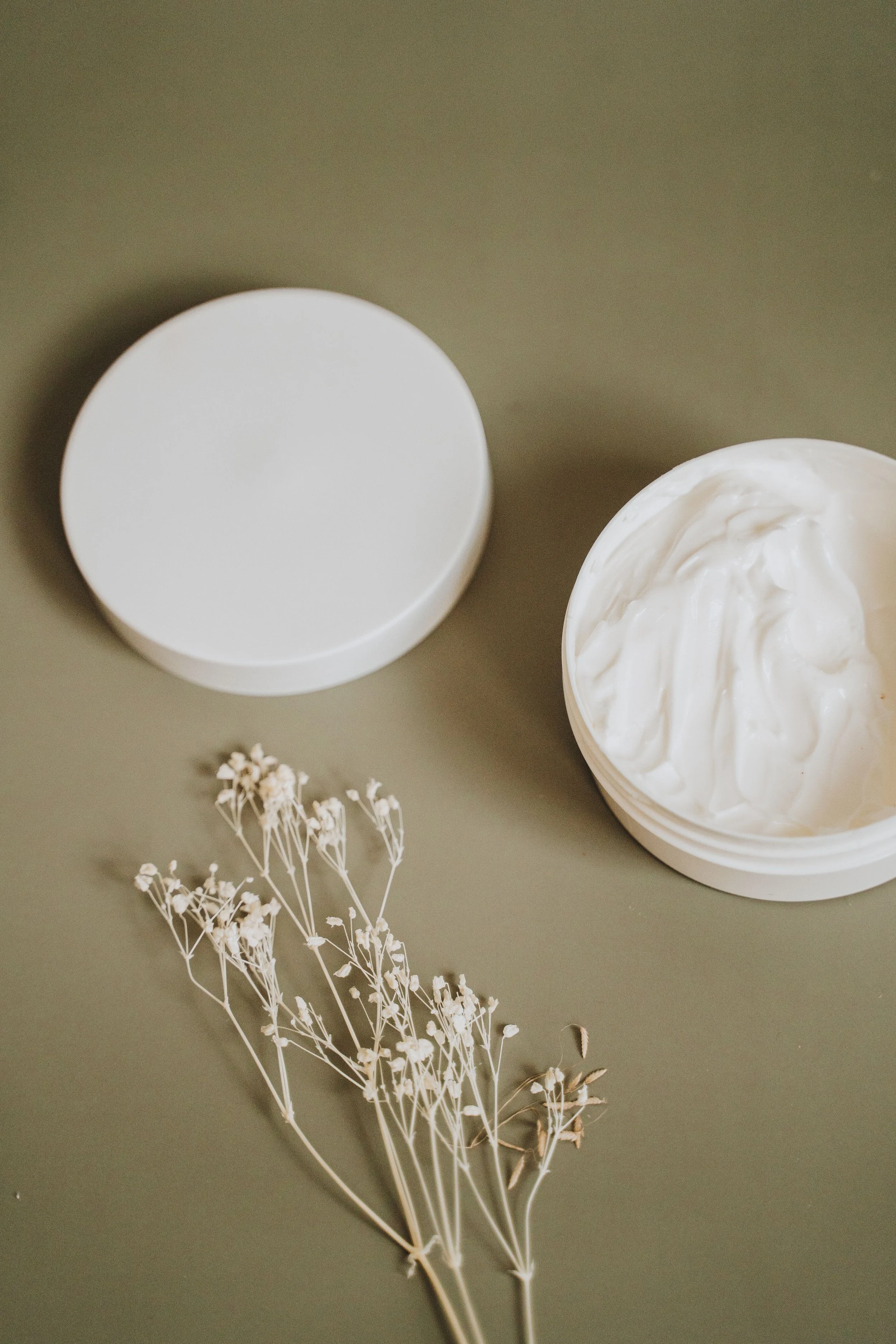
Dry lips are easy to treat once they appear. Keeping them from drying out in the first place is a little different.
That's where ceramides, squalane, and plant waxes earn their place. They help strengthen the protective layer on the surface of the lips and reduce moisture loss, making them especially useful in lip masks, treatment balms, and everyday lip care.
Ingredients That Support a Premium Brand Positioning
Customers pay attention to ingredient lists because they want to understand what they're buying. Recognizable ingredients, multifunctional formulas, and clear claims all contribute to that confidence.
Ingredient lists also help explain why one lip product feels different from another, even when both promise hydration. That's where premium brand positioning begins. A thoughtful formula is easier to explain, easier to market, and easier for customers to trust.
What Beauty Entrepreneurs Can Learn From the Trend

Lipification is changing how successful beauty brands think about product development. The strongest collections advertise trends but build their core positioning on a clear customer need.
Look for unmet needs, not missing products. Another lip balm won't necessarily stand out. But a lipstick that combines color with recognizable skincare benefits or a treatment designed for overnight use might.
Let one product lead the collection. A focused assortment is easier to understand than five products solving the same problem. Start with one hero product, then expand naturally as your customers build their makeup routine around it.
Build product claims around the formula. Customers can tell when claims are driven by marketing instead of ingredients. If your formula supports hydration, nourishment, or the lip barrier, let those benefits tell the story.
Great Lip Care Starts With Purpose
Lipification has made one thing clear – people expect more from the products they put on their lips.
A great formula adds color, comfort, and care in one step. When every ingredient has a purpose and every product has a clear place in someone's routine, the collection becomes much easier to understand. And much harder to forget.
That's exactly where strong beauty brands are built.
Frequently Asked Questions
-
Lipification is the idea that lips deserve the same attention as the rest of your skin. That's why products like lip oils, masks, and even lipsticks now include ingredients traditionally found in skincare.
-
Think of a lip mask as extra care for dry lips. Most are designed to stay on longer than a balm, giving moisturizing ingredients more time to soften rough, flaky lips.
-
Both. It adds shine like a gloss, but it's also made to care for your lips. Many lip oils contain ingredients that help keep lips soft and comfortable throughout the day.
-
Lip gloss is still mainly makeup. Some formulas include nourishing ingredients, but people usually buy gloss for the finish and color rather than the skincare benefits.
-
You don't need a complicated routine. Keep a lip balm or lip oil with you during the day, use a lip mask before bed if your lips feel dry, and choose lip makeup products with ingredients that help keep moisture in.
Must read