Wearable skincare is the beauty industry trend to watch in 2027
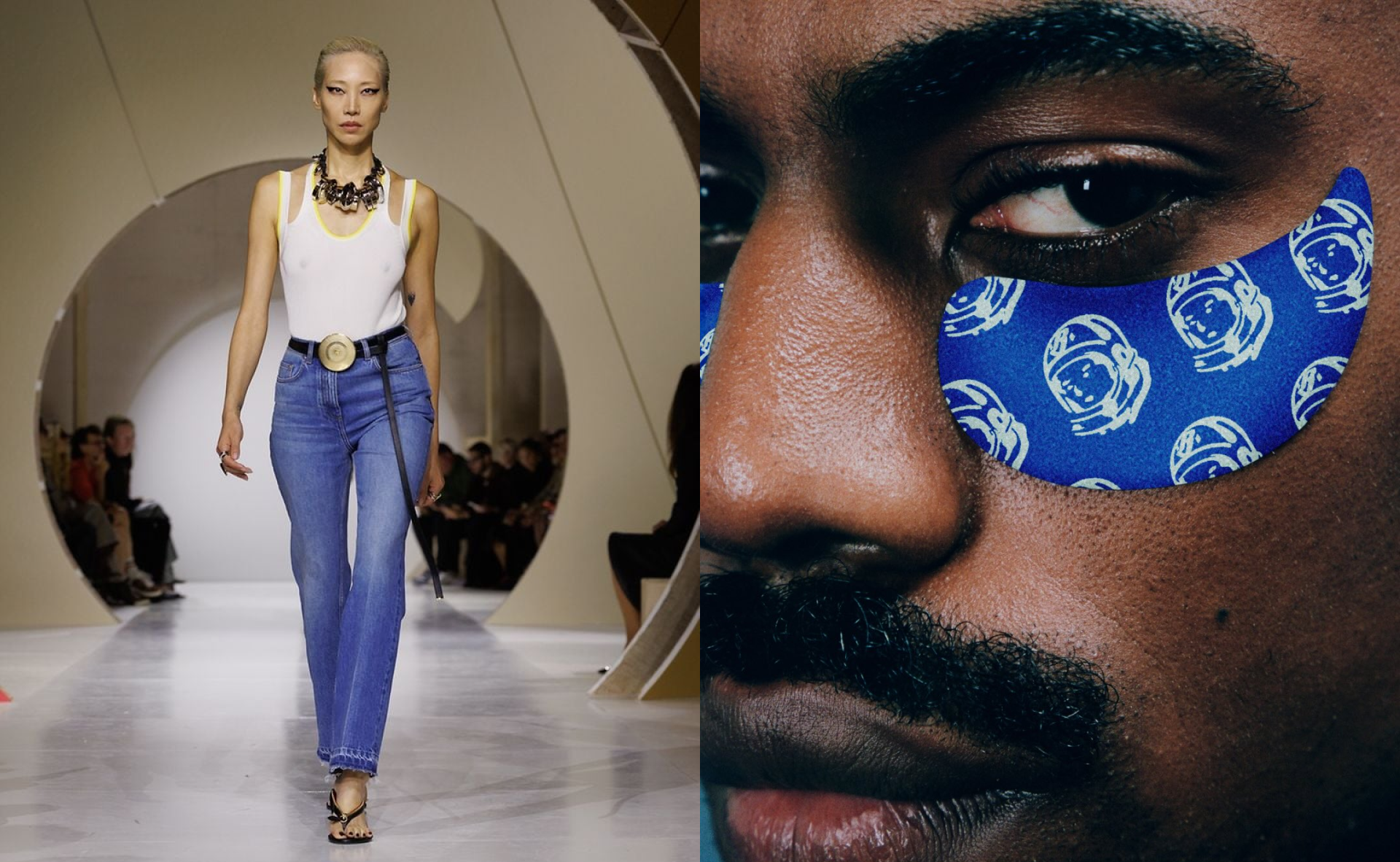
Table of Contents
Skincare is coming out of the bathroom.
Yes, there was a time when skincare and self-care were intimate. Packaging was subtle, and your pimple patches never left the house. Skincare was the art of invisible effort.
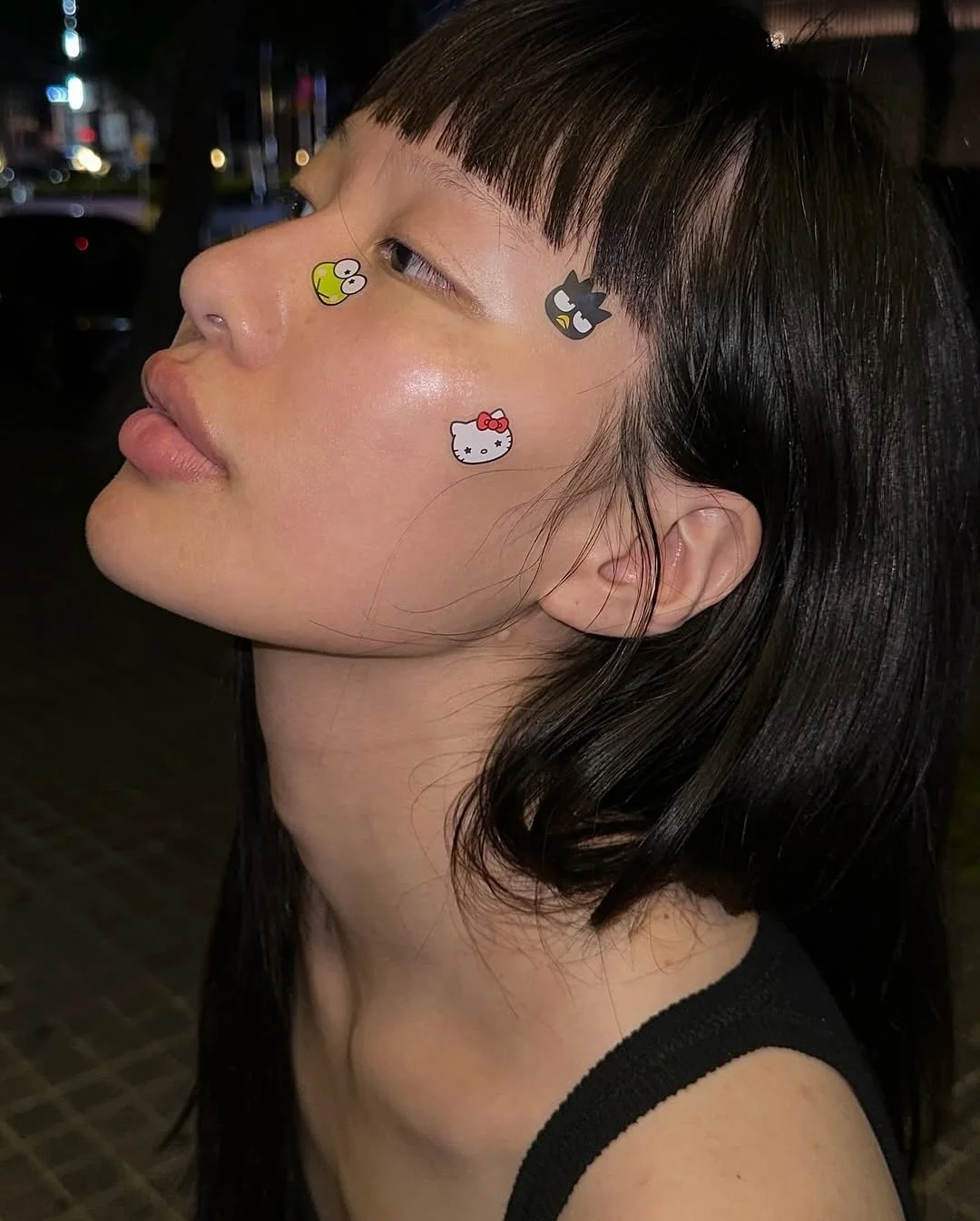
Like it or not, now it’s LOUD. It’s visible. It’s a Laneige lip tint swinging from a purse, a Dior-embossed eye patch posing for a selfie, or a bright yellow Starface star on a chin.
We especially got inspired by Givenchy’s spring/summer 2027 show in Paris, where compacts hung from leather belts and lipsticks were worn as hair clips. But we have to say that this isn’t just a runway moment. In fact, wearable beauty is one of the biggest beauty industry trends heading into 2027.
Products people used to hide in a bag are now worn, clipped, carried, and styled. A lip balm on a keyring says something about you. So does a monogrammed eye patch on the school run.
For new beauty brands, this changes A LOT. Your product isn't only what's inside the jar. It's how it looks on someone's bag, phone, or face in public. Here's what's happening, who's doing it well, and what we think it means for founders building a brand right now.
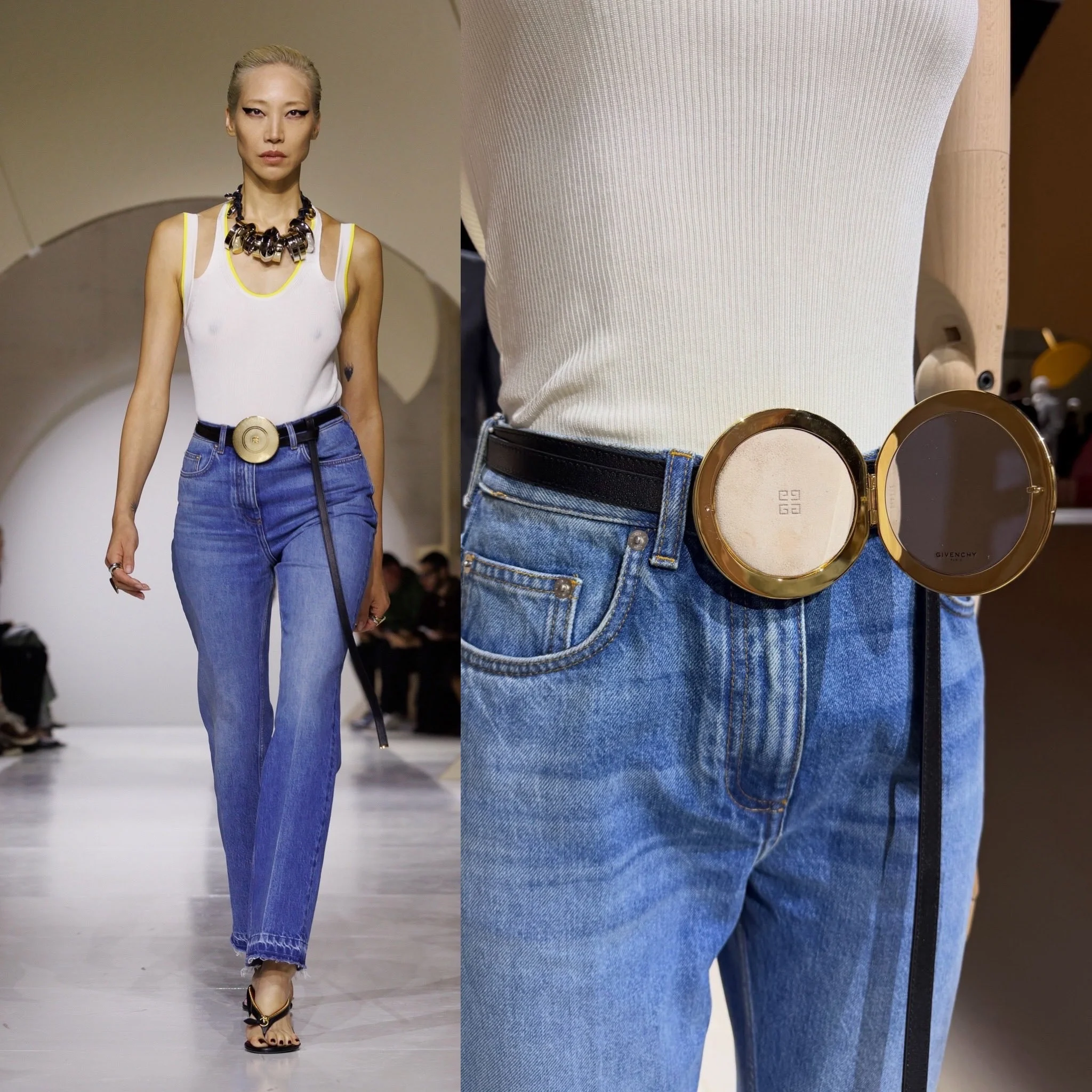
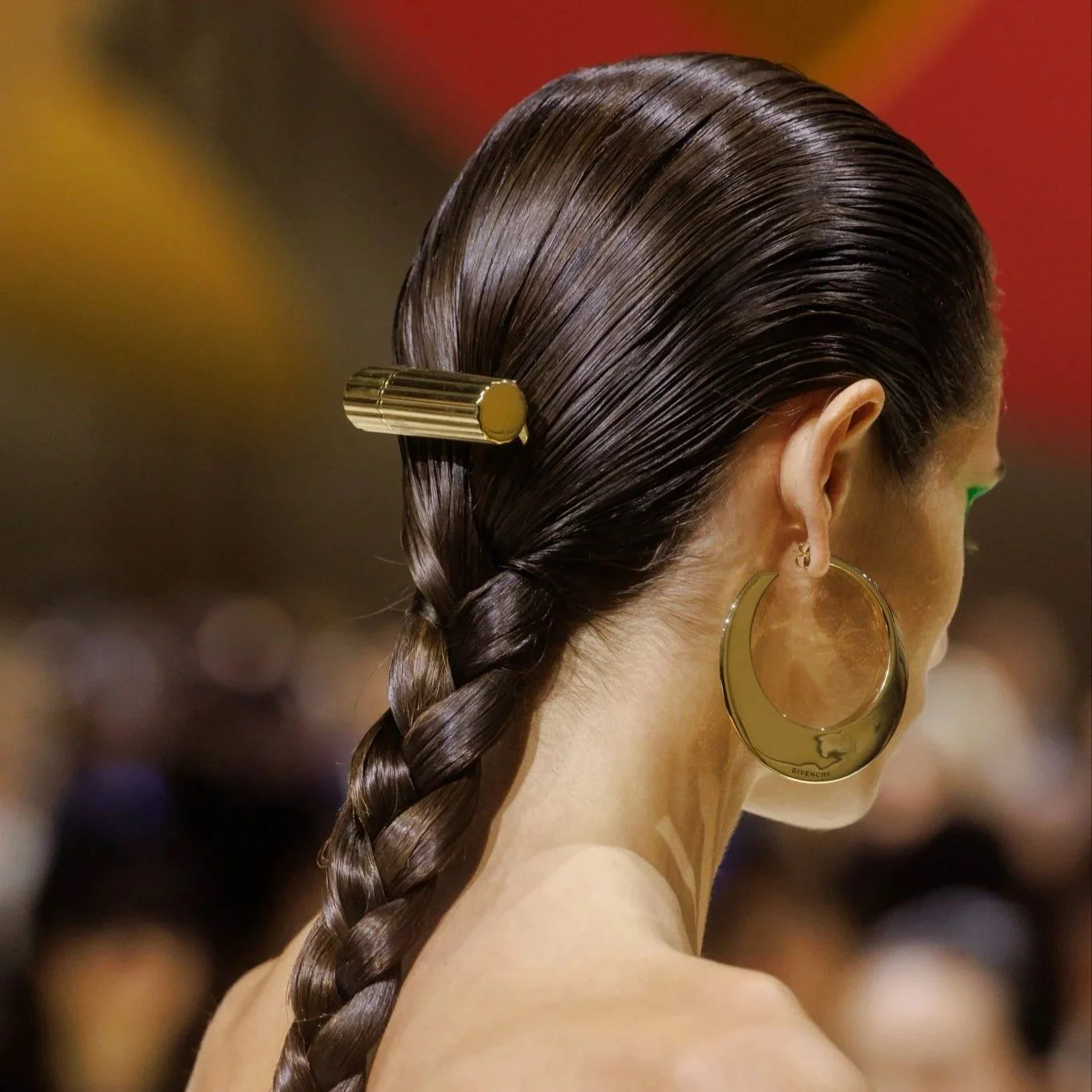
Source: Givenchy
Key Takeaways
Beauty is now something you wear. Lip balms on bag charms, lip gloss in phone cases, and branded eye patches show that products people used to hide are now meant to be seen.
The product is the ad. Rhode’s Lip Case sold out in 15 minutes. Every product worn in public markets the brand for free.
Luxury is leading the way. Givenchy put compacts on belts and lipsticks in hair at its SS27 show. Dior and Dolce & Gabbana now sell logo-stamped eye patches.
It’s about identity. People pick charms, cases, and patches the way they pick sneakers. They want products that say something about them.
For new brands, design is part of the product. Choose formats that travel, like sticks, balms, and patches. Then make the packaging worth showing off.
What’s wearable skincare and wearable beauty?
Wearable beauty means skincare and beauty products designed to be worn, clipped on, or shown off like an accessory. Think lip balms on bag charms, lip gloss in phone cases, branded eye patches worn in public, and makeup styled as jewelry.
The industry already has a name for the pull behind it. Allison Collins, co-founder and managing director of The Consumer Collective, calls it the "adornment effect". People don't just want to use their products. They want to wear them.
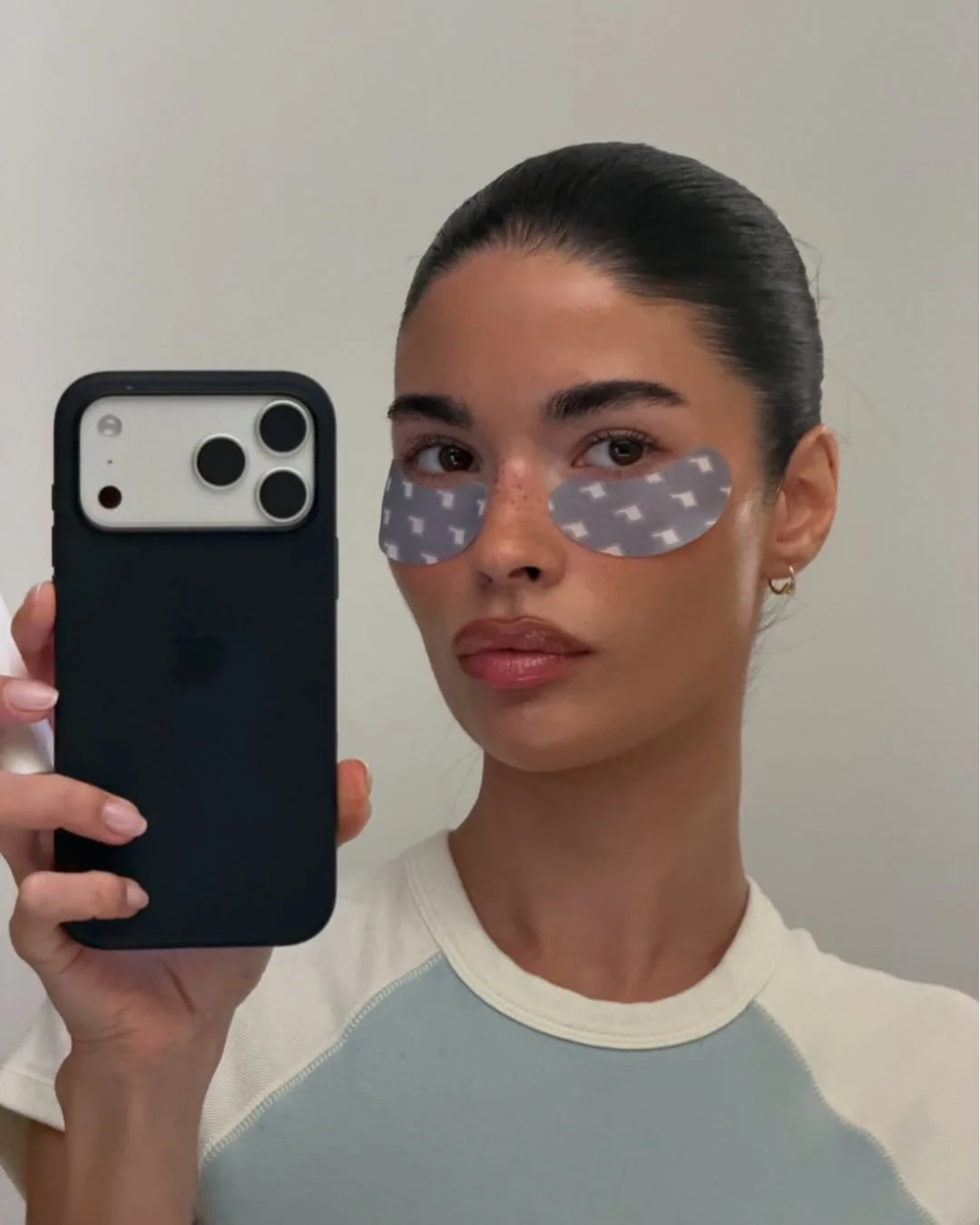
When the product becomes the ad
Wearable beauty works because every product worn in public advertises the brand for free. The numbers back it up.
Rhode's Lip Case is a silicone phone case that holds a Peptide Lip Treatment. It sold out within 15 minutes of launch. WIRED described the wearer as "a walking, unpaid Rhode advertisement."
Anthropologie sold more than 10,000 bag charms between August and October 2024, according to The New York Times, as cited by Glossy.
Touchland's collaboration with Crocs, hand sanitizer cases with Jibbitz charms, sold out in under 24 hours.
Touchland marketing director Tatiana Bravo summed up the shift. "Historically, hand sanitizer was this thing that you kept away and hid, and now people are proudly wearing it."
That WIRED line about an unpaid advertisement explains why brands love this format. Across price points, the idea is the same. Products once kept out of sight are being redesigned as objects to display, carry, and style. Each one is a small billboard that walks around town.


Eye patches went from the bathroom to the street
Under-eye patches used to be a private, at-home ritual. Now they're something people wear in public, film, and post. Grazia calls it a move "from skincare staple to status symbol."
Luxury brands spotted it fast.
Dior launched eye patches embossed with its logo.
Dolce & Gabbana sells No-Puff Caffeine Eye Patches stamped with a DG monogram, in a reusable tin.
Rhode reportedly teased embossed patches on Instagram.
Summer Fridays, Topicals, Dieux Skin, and 111Skin all sell patches with a strong visual identity.
Celebrities helped too. Selena Gomez and Sydney Sweeney have worn patches in TikTok clips, notes Business of Fashion. Pimple patches made the same jump earlier, all the way onto New York Fashion Week runways.
But here’s a quick reality check. Consultant dermatologist Dr. Justine Hextall calls eye patches "a short term boost." The accessory value and the skincare value aren't the same thing, and the best brands are honest about both.
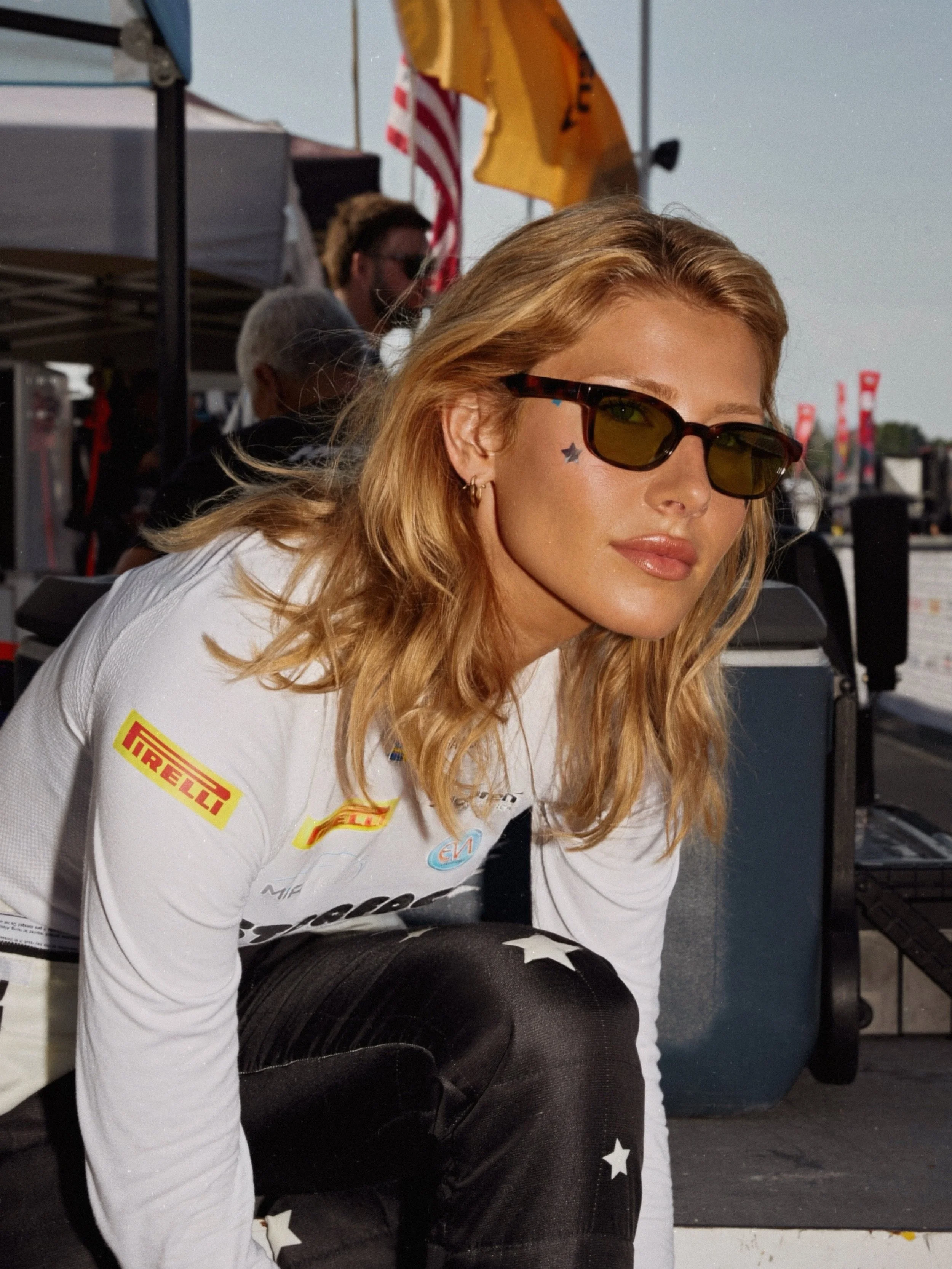
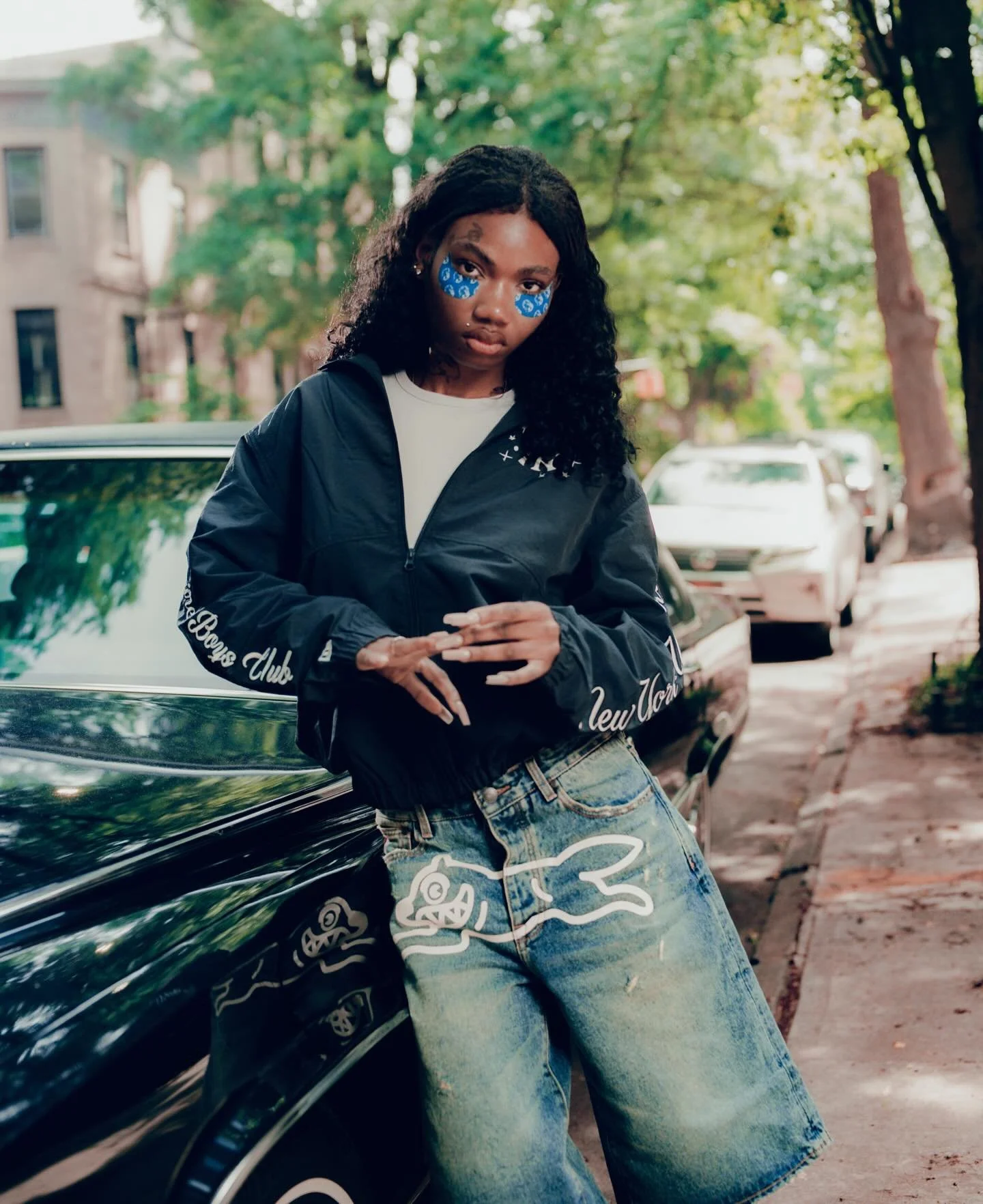
Can clothing be skincare, too?
The trend's furthest point is clothing designed to care for skin. Fashion label Sylva, founded by stylist Tallulah Harlech, calls itself a "skin-first" fashion brand.
Its pieces are made with Madrid mill Pyratex. The fabric blends SeaCell, a seaweed fiber, with Tencel and a little elastane, and is designed to be breathable and gentle on skin. The look is all black with red topstitching. Harlech describes it as "shadow-wear that is this kind of onyx shield."
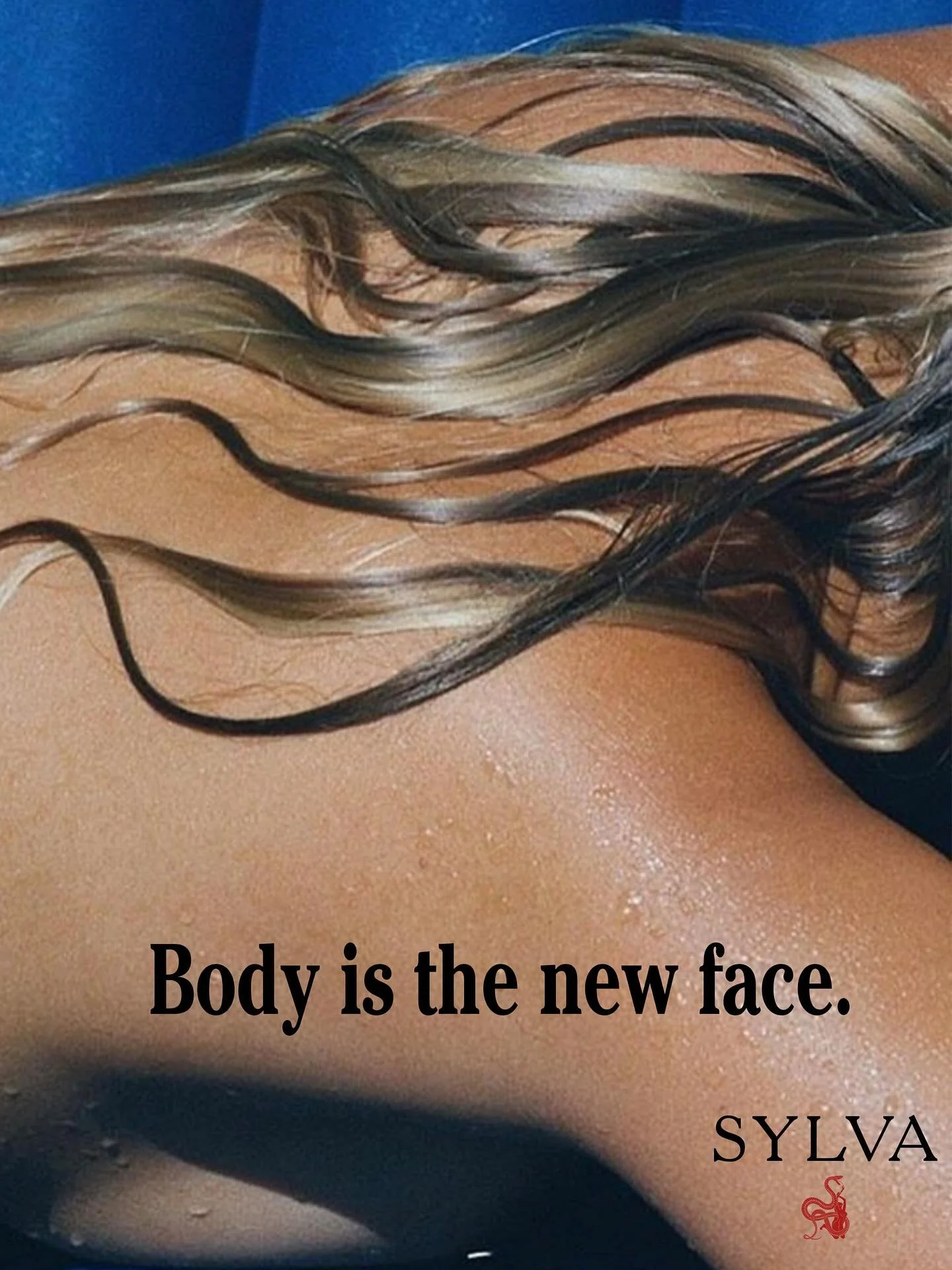
Source: Sylva
Her bet is simple. Shoppers who already read ingredient lists will start asking the same questions about what they wear. If she's right, skincare thinking is about to spread well beyond the bathroom shelf.
Why people want to wear their skincare
People wear their beauty products because those products now say who they are. Skincare has become part of the outfit, and part of the identity.
We see three forces behind it.
Self-expression. "For our community, this is about more than looking and feeling good; it's about self-expression," says Bubble founder Shai Eisenman. Gen Z especially is looking for new ways to stand out.
Personalization. Swappable charms and collectible cases let people make a product their own. Cocokind founder Priscilla Tsai puts it simply. "It becomes something you can actually customize and wear."
Life on the move. People want lip balm, SPF, and hand cream within reach all day. If it has to be visible, it had better look good.
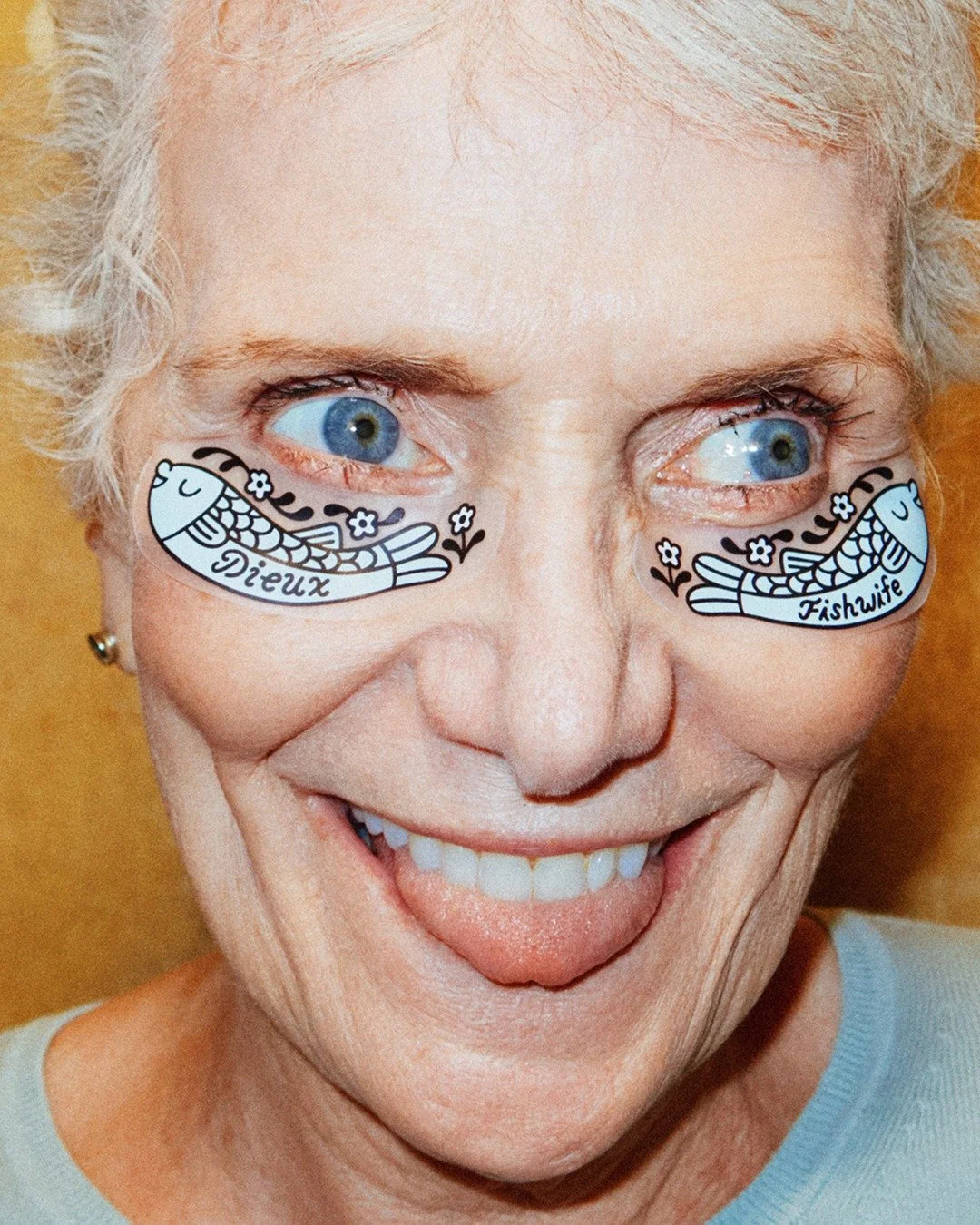
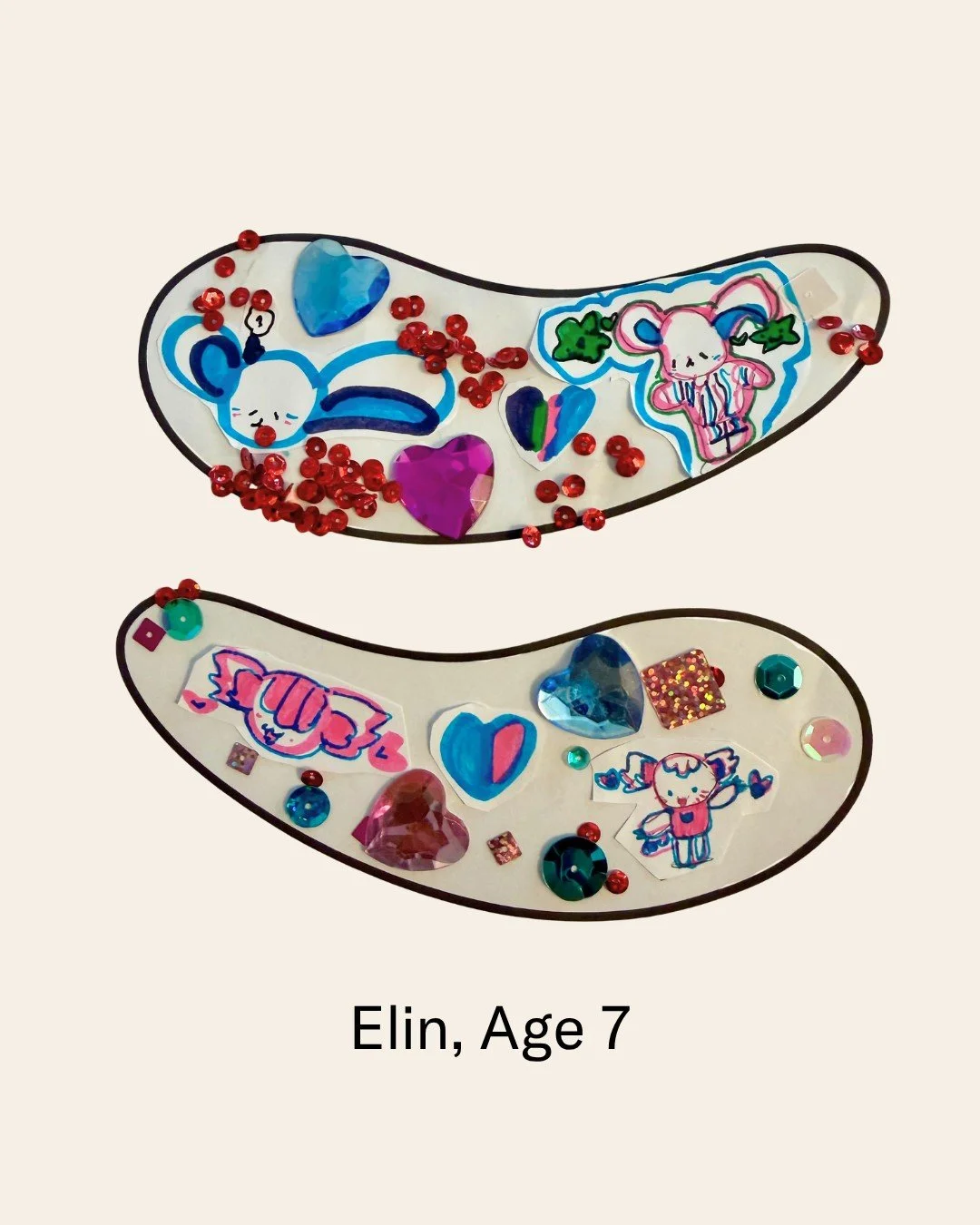
Source: Dieux
Here's our take. Beauty used to be the private part of getting ready. Now it's the public part. The lip balm on the bag sits right next to the sneakers and the phone case as a signal of taste. Brands that design for that moment get worn. Brands that don't stay in the drawer.
What wearable beauty means for new beauty brands
If you're launching a beauty brand now, give it a desirable identity.
Treat packaging as part of your marketing budget. Every product worn in public is a free ad. A distinctive graphic or color can do more for awareness than another paid post.
Choose formats that travel. Sticks, balms, patches, and minis are made for pockets, bags, and phones.
Make it collectible. Swappable charms, limited drops, and small collabs give people a reason to come back.
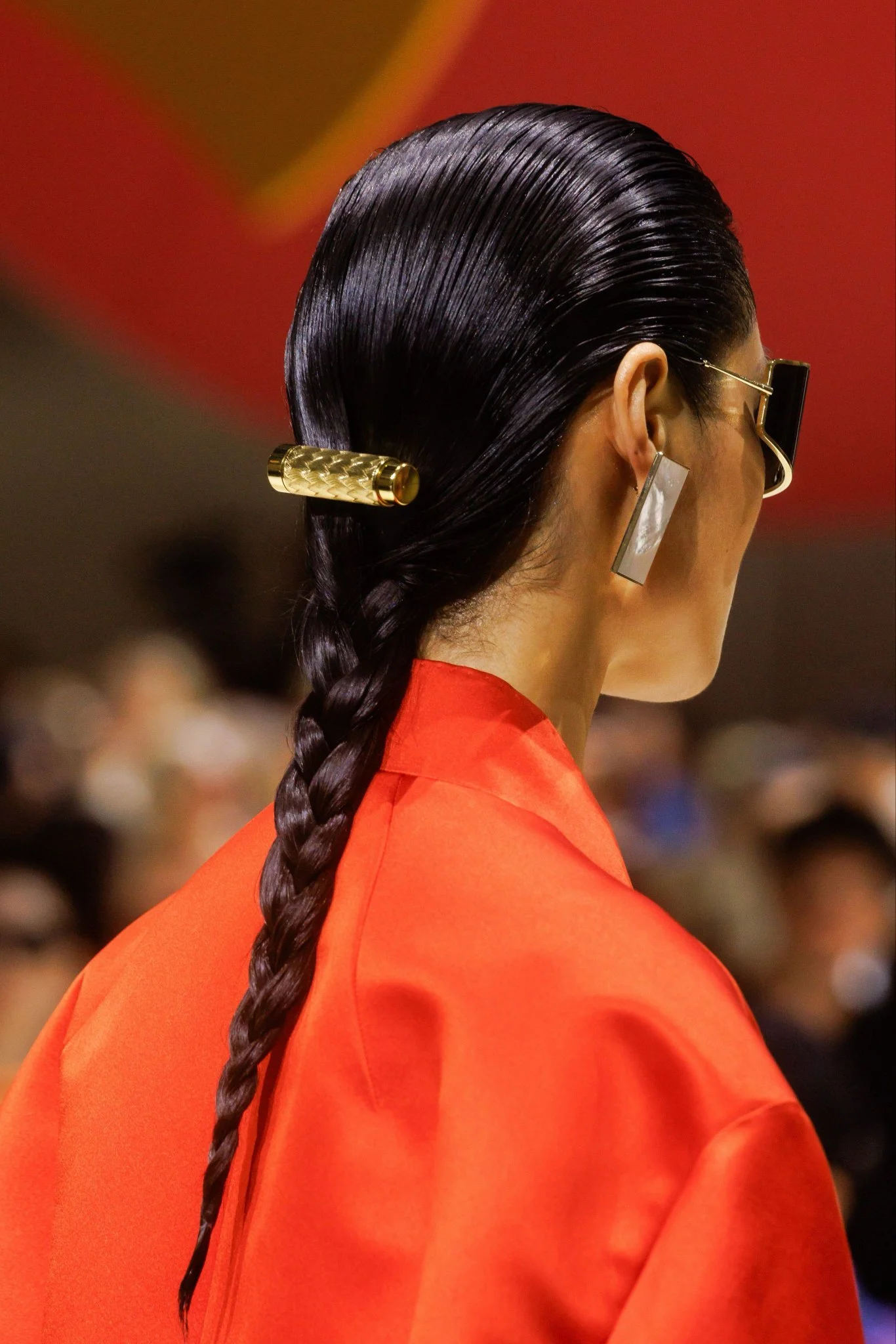
Source: Givenchy
Where we think beauty is heading next
Accessory drops become the new limited edition. Brands will release new cases and charms the way they used to release new shades.
Fashion collabs go indie. Odele and Susan Alexandra, Touchland and Crocs. Expect more small brands teaming up with accessory designers.
Status packaging moves into skincare. Monogrammed eye patches are just the start. Skincare will borrow more from jewelry and leather goods.
“Eye patches used to stay behind the bathroom door. Now they’re out in public. People have stopped pretending good skin takes no effort, and I love that.”
Build a beauty brand people want to wear
Beauty is out of the cabinet and into the closet. The brands that win next will design products people are proud to show off.
Selfnamed gives you 200+ ready-made clean beauty products to start from, with no minimums. Pick a format that travels, design your label in Design Studio, and launch something worth wearing. Start your brand with Selfnamed.
Frequently Asked Questions
-
Wearable beauty is beauty products designed to be worn or displayed like accessories. Examples include lip balms on bag charms, lip gloss phone cases, and branded eye patches. The term also covers wearable beauty tech, like LED masks and skin-tracking patches.
-
We think it's a lasting shift. Luxury houses like Givenchy and Dior, mass brands like Laneige, and indie brands like Cocokind are all building wearability into new products. It's moved past one viral launch.
-
FactMR values the beauty wearables market at USD 2,964 million in 2025 and projects USD 9,540 million by 2035, a 12.4% CAGR. That figure covers devices such as LED masks and skin sensors, not accessory-style packaging.
-
Start with a portable format, like a stick, balm, or eye patch. Then design the packaging to be seen, with a clip, a case, or a charm. Test it in a small batch before scaling up.
Must read