Table of Contents
Your client just spent an hour getting a facial. They loved the products, asked about their skin, and trusted your advice. Then they walk out with nothing to use at home.
For many salon owners, the problem isn't a lack of products. It's knowing what to recommend, when to bring it up, and how to make the sale without sounding pushy.
The best salon retail ideas start with the services you're already providing. Every facial, hair treatment, or clinic procedure creates an opportunity to recommend something useful.
Let's look at exactly what to sell after each service, how to build take-home routines clients will actually use, and how to offer those products under your own salon brand.
Key Takeaways
The best salon retail ideas start with products that match your most popular services.
Simple, personalized aftercare routines help clients care for their skin and hair between appointments.
Private label products keep your beauty salon brand in clients' daily routines and encourage repeat purchases.
Learning What to Sell Before a Treatment
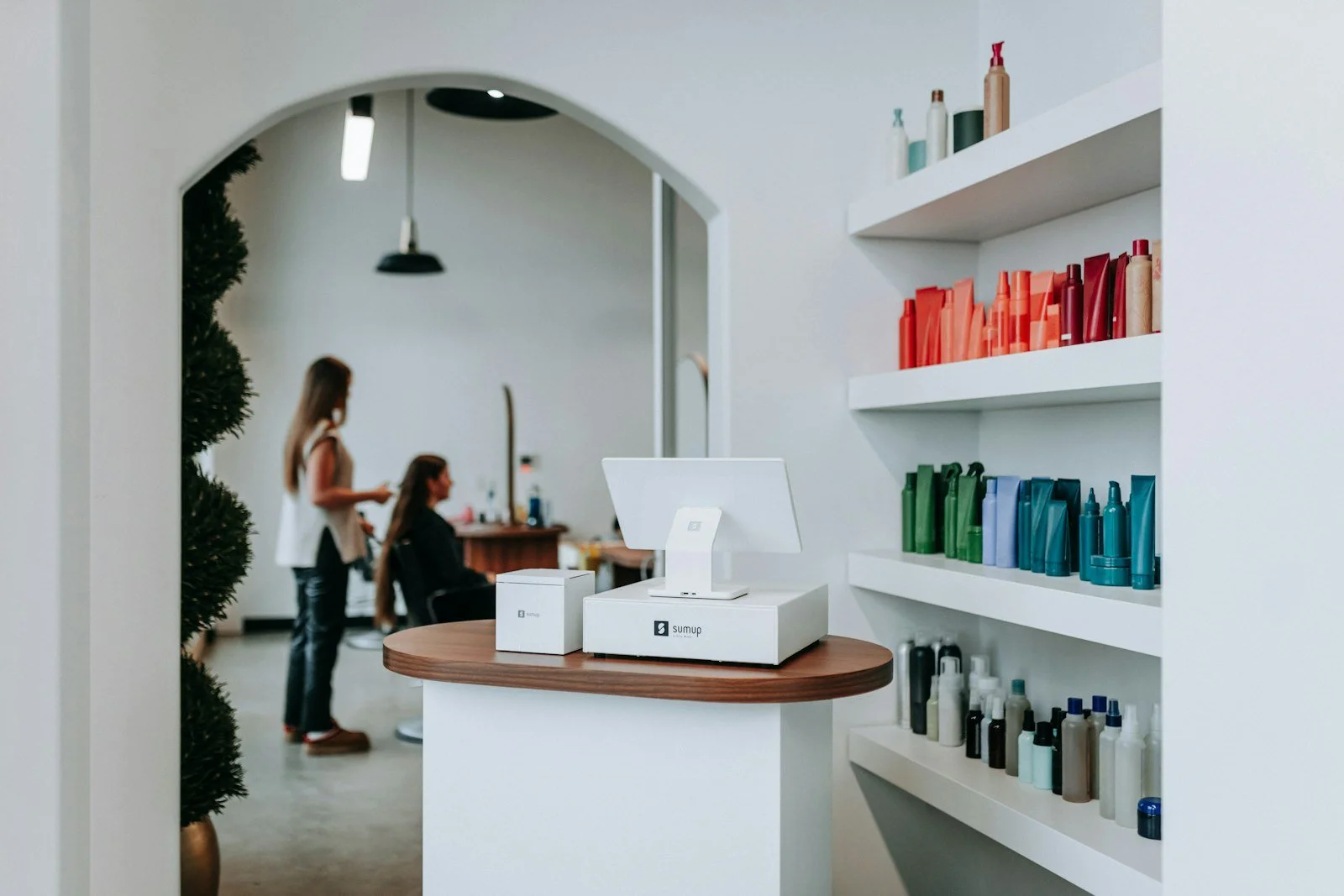
Start with products that help clients arrive ready for their appointment.
For example, gentle cleansers, hydrating toners, and face mists for skincare clients, or shampoos and conditioners suited to a client's hair type.
The best recommendation depends on what's booked. A quick question about their current routine can tell you a lot.
Is their skin feeling sensitive?
Is their scalp oily?
Are they using the right products for their hair?
Make it easy by adding a short preparation note to your booking confirmation, with one or two product suggestions where appropriate.
Clients get useful advice before they even walk through the door, and you create another natural retail opportunity.
For chemical peels, microneedling, coloring, smoothing, and other treatments with specific preparation requirements, follow the practitioner's or stylist's instructions. Sometimes the most valuable advice is knowing which products to pause before the appointment.
Aftercare Products to Sell After Clinic Treatments
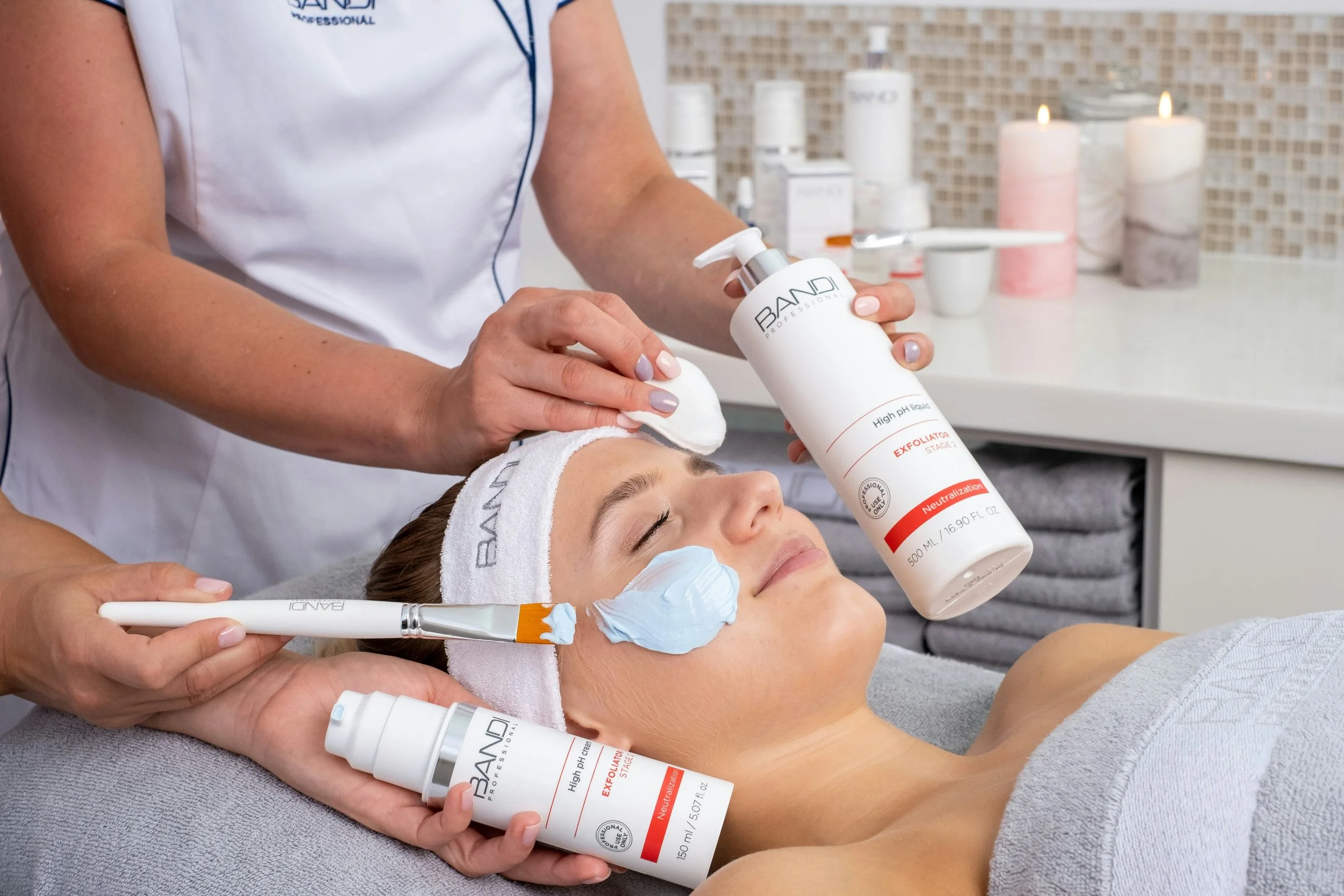
Start with three essentials:
Gentle cleanser
Barrier-supporting cream
SPF
Then adjust the recommendation to the treatment.
For your salon retail products, that could mean a Sensitive Skin Oil-To-Milk Cleanser, a Ceramide Barrier Night Cream, and a Tinted SPF30. Together, they create a simple starting point for personalized recommendations.
The important distinction is when clients can use them.
Freshly treated skin may need special care, and some procedures require a healing period before regular cosmetics are appropriate. Always follow the treating practitioner's instructions.
| Treatment | What to Add or Change | SPF |
|---|---|---|
| Injectables | Keep the basic routine | SPF 30 |
| Microneedling | Add a hydrating mist, jelly serum, or hydration gel | SPF 30 once approved |
| Chemical peels | Keep it simple; consider an SPF 50 Stick when appropriate | SPF 50 Stick once approved |
| Laser, IPL, resurfacing | Add a hydration step when skin is ready | Follow practitioner guidance |
| Hydrafacial | Add Double Hydration Boost Gel | SPF 30 |
| Body contouring | Body Oil + Caffeine Gel Booster; optional patches or mist | As appropriate for the treated area |
After Injectables
Keep the take-home routine straightforward: Sensitive Skin Oil-To-Milk Cleanser, Ceramide Barrier Night Cream, and Sunscreen SPF30.
These aftercare products give clients a clear everyday skincare plan once their injector approves normal product use. A three-product recommendation is also easy for your team to explain and for clients to remember.
After Microneedling
Clients often ask about skincare after microneedling, especially when their skin feels tight or sensitive.
The suggested retail pairing adds a hydration step to the basic routine. Depending on the client's needs, consider Microbiome Prebiotics Face Mist, Bioactive Prebiotics Jelly Serum, or Double Hydration Boost Gel + HA, alongside the cleanser, barrier cream, and sunscreen.
The key is timing. As the American Academy of Dermatology explains, skin needs time to recover after microneedling. Recommend additional skincare only when the treating practitioner says it's suitable.
After Chemical Peels
For skincare after chemical peel appointments, simplicity wins.
The pairing includes Sensitive Skin Oil-To-Milk Cleanser, previously mentioned Ceramide Barrier Night Cream, and Sun Protection SPF50 Stick. The stick is a convenient sun-protection option to discuss for the later stages of aftercare, once sunscreen use is permitted.
And because chemical peel recovery depends on the depth of the treatment, clients may need different skincare and sun-protection precautions while healing. Follow the treating practitioner's instructions instead of relying on SPF alone.
After Laser, IPL and Resurfacing
Laser treatments cover a wide range, including relatively gentle procedures and intensive resurfacing. That's why post-procedure skincare needs a treatment-specific approach.
The suggested retail range starts with Sensitive Skin Oil-To-Milk Cleanser and Ceramide Barrier Night Cream. For additional hydration, consider Microbiome Prebiotics Face Mist, Bioactive Prebiotics Jelly Serum, or Double Hydration Boost Gel + HA once the skin is ready.
Your most useful recommendation may be a simple written routine showing clients which products to introduce and when, based on their practitioner's instructions.
After Hydrafacial
A hydrafacial is a natural opportunity to talk about keeping skin comfortably hydrated at home.
Pair Sensitive Skin Oil-To-Milk Cleanser and Ceramide Barrier Night Cream with Double Hydration Boost Gel + HA and Sunscreen SPF30, where suitable.
Show clients exactly where the gel fits in their routine. That small bit of guidance turns a product recommendation into something they can actually use.
After Body Contouring
Your client has invested in a body treatment. Now give them a simple way to care for their skin at home.
Omega 6-9 Glowing Skin Body Oil is a good retail option for keeping skin moisturized, while Caffeine Gel Booster can fit into a body-care routine focused on smoother-looking skin. Patches and body mist are easy extras for clients who enjoy a little more self-care.
Explain what each product does and how to use it. These are everyday cosmetic products, so keep the focus on skin care rather than promising better or longer-lasting treatment results.
Salon Products to Sell After Facials
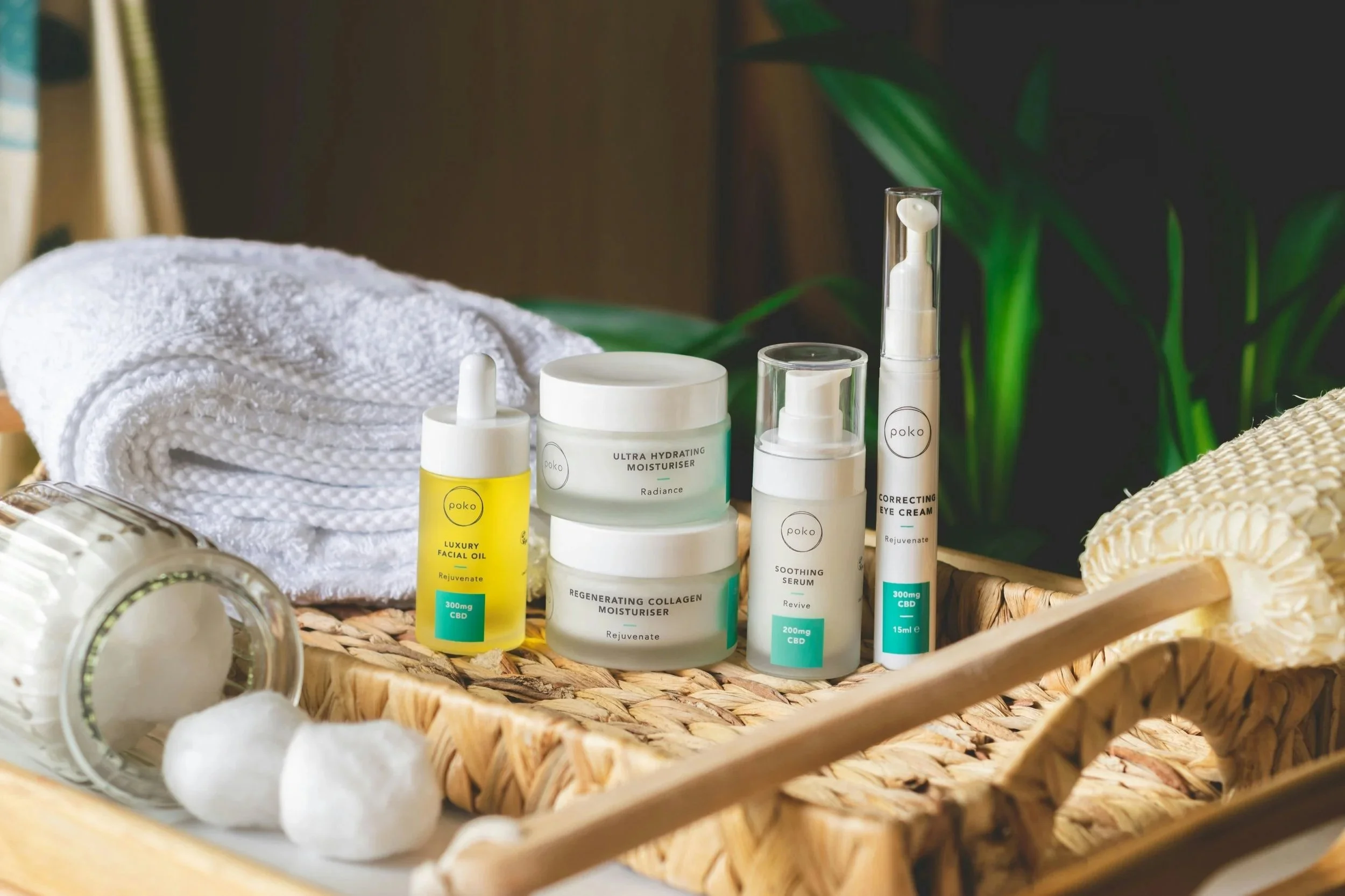
Clients love the results of a facial. The real question is how to keep their skin looking good between appointments. Give them a routine that matches their skin concerns, with clear daily steps and optional weekly extras.
Clarifying Facial (Oily, Acne-Prone Skin)
For clients dealing with excess oil and clogged pores, recommend Cleansing Foam, Microbiome Prebiotics Face Mist, Retinol Alternative Serum, Niacinamide Gel Moisturiser, and Sunscreen SPF30 as their daily routine.
Add the Clay Mask for Pores and Blackheads once or twice a week for extra attention to congested areas. Explain that oily skin still needs moisture, and harsh cleansing can leave it feeling tight and irritated.
Texture Refining Facial (Post-Acne Marks, Dark Spots)
Here, consistency matters more than using every exfoliator on the shelf. Pair Cleansing Foam and Microbiome Prebiotics Face Mist with 0.3% Spicule PDRN Centella Asiatica Serum, Retinol Alternative Moisturiser, and Sunscreen SPF30 for daily care.
The Icelandic Volcano Face Scrub can be an occasional weekly addition if the client's skin tolerates it. Explain that sunscreen is particularly important when they're trying to improve the appearance of dark spots.
Barrier Repair Facial (Dry, Sensitive Skin)
Clients with dry, sensitive skin usually want one thing: skin that feels comfortable throughout the day.
Build their routine around Gentle Cleansing Milk, Microbiome Prebiotics Face Mist, Bioactive Prebiotics Jelly Serum, and Sensitive Skin Moisturiser. Add Ceramide Barrier Night Cream for evening care and sunscreen for daytime protection.
Show them which moisturizer to use when. That simple explanation makes a six-product routine much easier to understand.
Radiant Longevity Facial (Uneven Tone, Fine Lines)
For clients concerned about dullness and early signs of aging, suggest Purifying Mousse, Microbiome Prebiotics Face Mist, Exosome & Niacinamide Serum, Anti-Age Day Cream, and Sunscreen SPF30.
The Brightening Face Exfoliator with Kojic Acid is an optional once- or twice-weekly step, depending on skin tolerance. Make sure clients understand which products belong in their daily routine and which are occasional extras.
Cell Regenerating and Collagen Boost Facials (Texture, Firmness)
These two facials share a foundation of Purifying Mousse, Natural Retinol Alternative Oil Serum, Microbiome Prebiotics Face Mist, and Sunscreen SPF30, but the serum recommendation depends on the client's main concern.
For uneven texture and fine lines, the cell regenerating routine adds 0.3% Spicule PDRN Centella Asiatica Serum and Peptide Anti-Aging Serum. For clients focused on firmer-looking skin, the collagen boost routine uses Collagen Boost Serum and Peptide Ageless AM/PM Cream instead.
Salon Retail Products for Hair Services
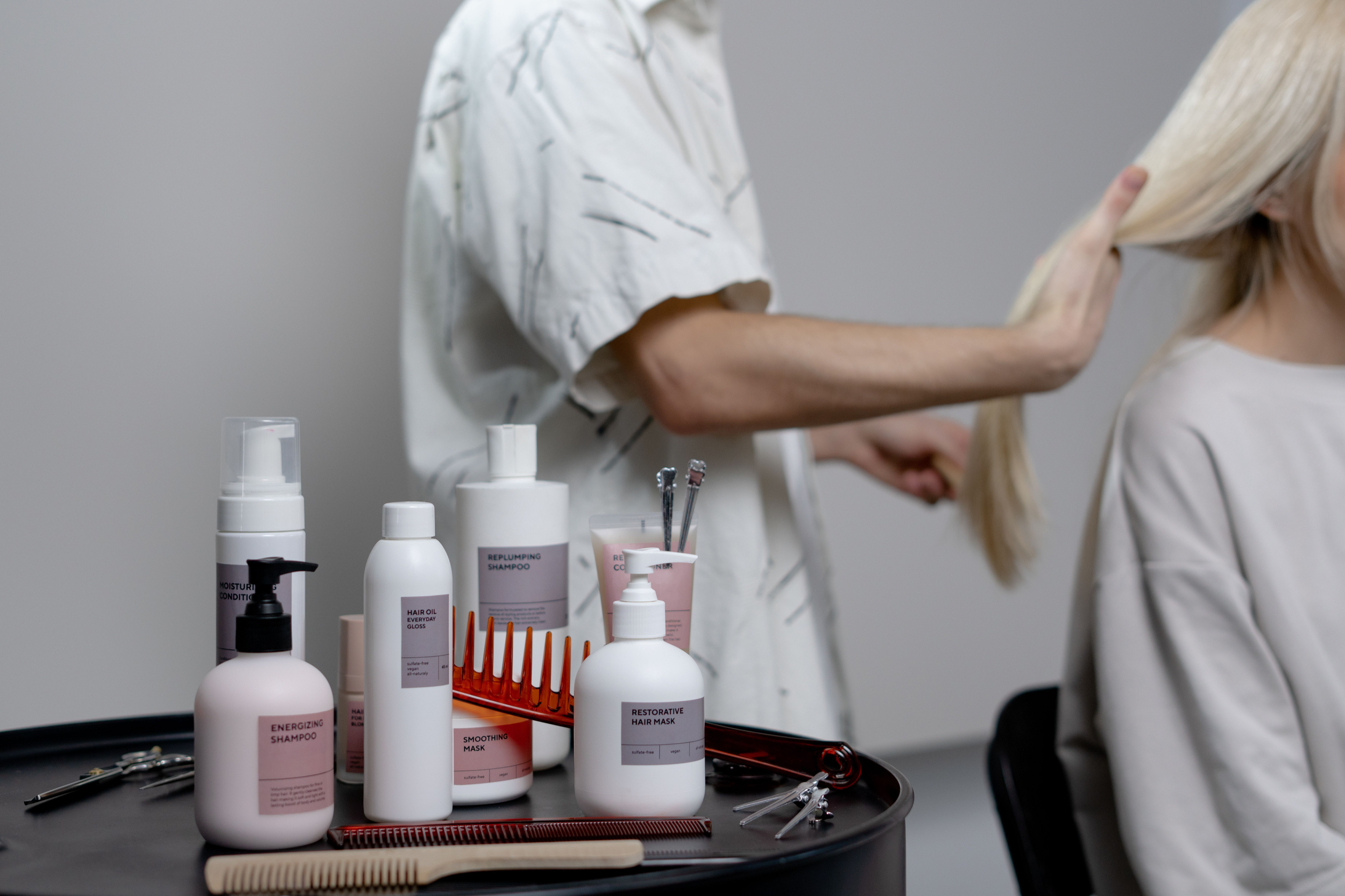
Your client loves how their hair looks when they leave the chair. Get it to behave just as well at home.
Private label hair care products are a natural addition to beauty salon services because clients already ask about washing, styling, and maintenance. Match your recommendations to their hair types and treatments, and you give them a routine that makes sense.
After Scalp Treatments and Head SPA
A head SPA appointment often gets clients thinking about scalp care for the first time.
Recommend Deep Clean Scalp Scrub for occasional use, followed by Keratin Volume Boost Shampoo and Conditioner for regular washing, if they suit the client's scalp and hair.
Explain how often to exfoliate and how much product to use. A client who understands the routine is far more likely to stick with it.
After Color
Fresh color is an investment, and clients want to keep it looking good between visits.
Pair Nourish and Volumize Shampoo with Keratin Shine Leave-In Hair Mist for conditioning and easier styling. Rosemary Hair & Scalp Strengthening Oil can be an extra for clients who enjoy scalp care, while Curly Hair Shampoo is worth considering for customers with curls.
Choose the shampoo based on hair type and color-care needs. A curly-hair formula won't automatically be the right match for everyone who colors their hair.
After Keratin or Smoothing Treatments
The first question is usually, "When can I wash it?"
Answer that before recommending anything else. Different smoothing treatments have different washing schedules and product restrictions.
Once the stylist confirms they're suitable, Keratin Volume Boost Shampoo and Conditioner and Keratin Shine Leave-In Hair Mist make a straightforward retail pairing for ongoing hair care.
After Extensions and Perms
Extensions and perms need a little more explanation at checkout. For suitable hair types, recommend Curly Hair Shampoo and Nourish and Volumize Shampoo, with Keratin Intensive Rescue Hair Mask as an occasional conditioning treatment.
Show clients where to apply the conditioner or mask, especially around extension bonds. It's the kind of practical advice customers remember when they're choosing where to purchase their next products.
For beauty salon owners, the business opportunity is simple: stock products that match your target audience, not every new launch. Convenient take-home routines encourage repeat purchases, support customer retention, and give your retail range room for steady growth.
How to Sell Retail Products in a Salon Without a Hard Sell
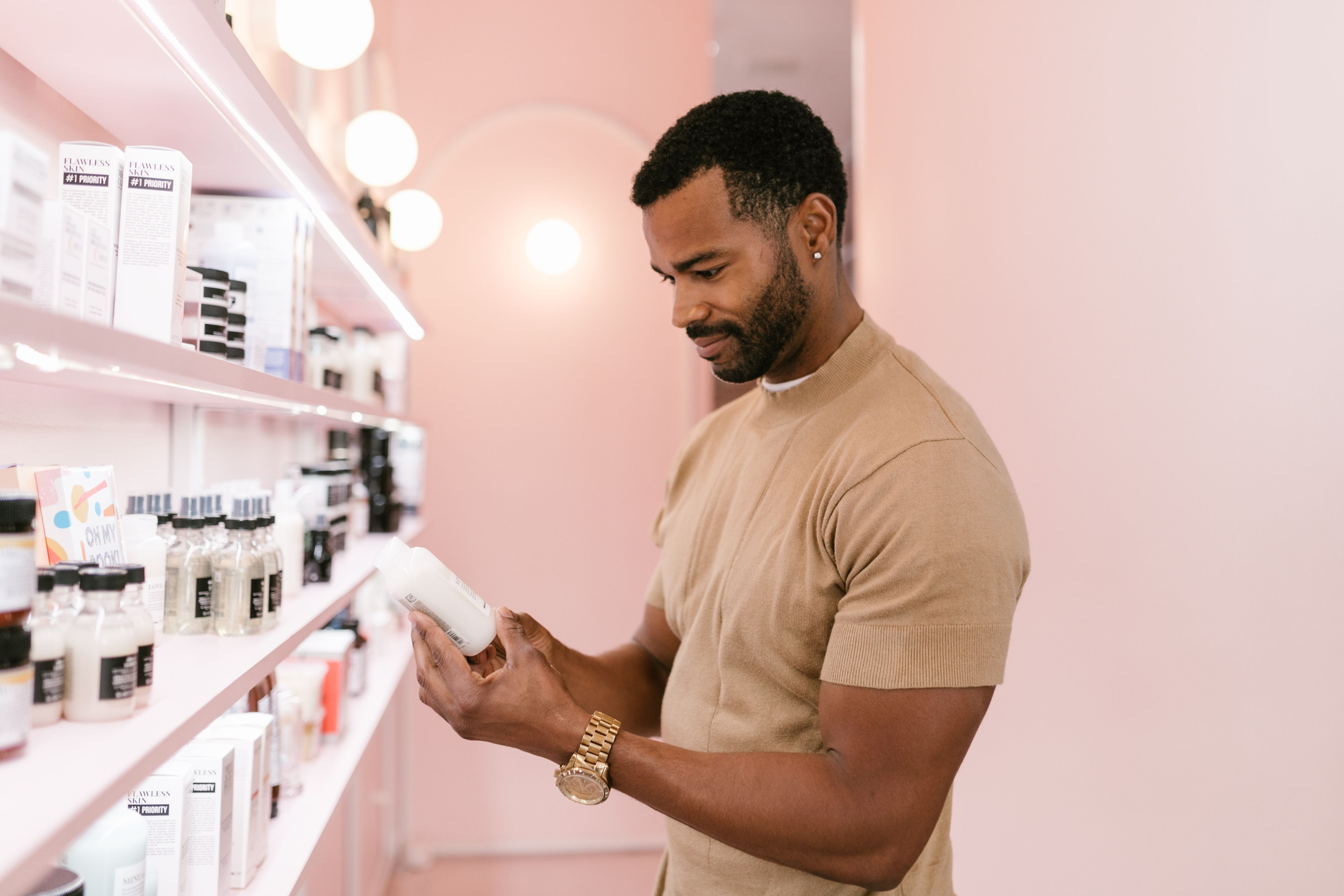
Nobody books a facial hoping for a sales pitch at checkout. But a useful product recommendation? That's part of a great customer experience.
The secret to how to sell retail products in a salon is making it easy for clients to say yes, without feeling pressured.
Here are a few salon retail ideas you can put to work tomorrow:
Let the product do the talking. When you use something during a treatment, tell the client why you chose it. "I'm using this because your skin feels dry around the cheeks" sounds much more natural than a sales script.
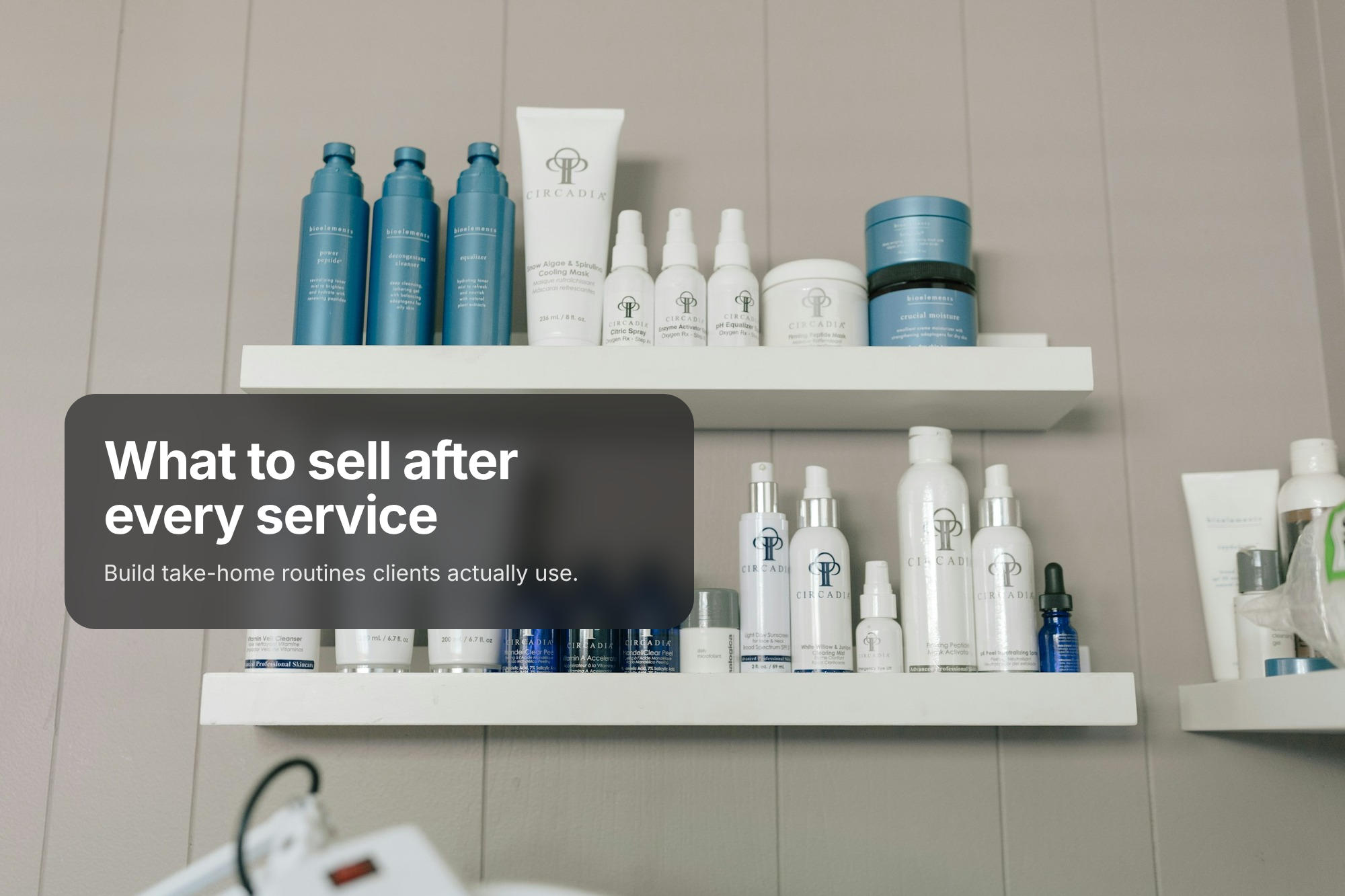
Make your shelves easy to shop. The best salon retail display ideas are simple: group products under signs like "after your facial" or "for colored hair." Clients should understand what they're looking at in seconds.
Recommend a starting point. Offer one or two essentials before introducing new products. You can build a fuller routine over future appointments.
Make reordering effortless. Add your private label salon products to an online store and share the link in your aftercare message. That convenience matters when clients run out between visits.
Use what your clients tell you. Track common questions, repeat purchases, and customer data to see what sells. Use those insights for relevant targeted promotions, instead of following every beauty trend.
Give them a reason to return. A quick check-in about how a product is working shows clients you care about their long-term results.
Good retail isn't about having the biggest selection in the beauty salon industry. It's about helping clients find products they'll actually use. That's what turns a small recommendation into better customer engagement, stronger client retention, and steady business growth.
Sell Your Aftercare Under Your Own Salon Brand
Why send clients elsewhere for products they already love? With private label salon products, beauty salons can sell ready-made formulas under their own brand, creating salon exclusive products without developing skincare from scratch.
Getting started with Selfnamed is simple:
Choose formulas from private label skincare for salons or SPA products.
Test your favorites with samples.
Brand them using the Design Studio.
Salon retail trends and marketing trends change, but the best salon retail ideas have staying power. Your own product line keeps your brand in customers' daily routines and makes the overall client experience feel more connected.


Salon Retail Trends Start With What Clients Need
The best salon retail ideas start with knowing what your clients need when they leave your chair.
For beauty salons, connecting products to salon services is one of the most practical marketing strategies. It gives customers useful advice, creates a positive experience, and helps your business earn their trust beyond the appointment.
Start with your most popular treatments, choose products you believe in, and make them easy to buy again. And if those products carry your own brand, even better.
Because great beauty service shouldn't end when your client walks out the door.
Frequently Asked Questions
-
Wondering what to sell in a salon? Start with skincare essentials and hair care products that match your busiest services. For beauty salons, the smartest marketing strategies focus on what customers already need.
-
A gentle cleanser, moisturizer, and SPF are great starting points. Add a serum or mask based on the client's skin concerns. The best routine is one they'll actually follow. For intensive treatments, always follow the practitioner's aftercare instructions.
-
Keep it gentle and follow the treating practitioner's instructions. Skin needs time to recover, so use only approved cleansing and moisturizing products until it's ready for regular skincare again.
-
Start with five to ten carefully chosen products. Track what sells, then expand based on customer demand. That's a smarter path to business growth and sustainability than filling shelves with every new launch.
-
Yes. Private label skincare lets you put your brand on ready-made formulas. Add an online store for extra convenience, and use simple technology to manage orders across online channels. It's an accessible way to build your own beauty collection without developing formulas from scratch.
Must read