Table of Contents
A fully booked appointment calendar has long been the gold standard of salon success. But a packed schedule doesn't necessarily mean a healthy bottom line.
With operating costs eating into margins and consumer spending becoming harder to predict, even busy salons are discovering the limits of relying on services alone. There are only so many hours in a day, and only so many clients a stylist can fit into them.
Some salon owners are looking beyond appointments for their next opportunity. They've spent years building expertise, earning trust, and developing a loyal clientele. Now they're finding ways to turn all of that into a business that isn't confined to the salon's four walls.
And sometimes, that secret ingredient comes in a bottle with their own name on it.
Key Takeaways
Booking revenue alone is getting less predictable.
Retail is a small share of salon sales but one of the most profitable.
Your own product line keeps your salon in clients' routines between visits.
Low-minimum private label makes launching a line realistic for smaller salons.
The Chair-Time Ceiling
Every salon has a ceiling on how much it can earn from appointments. A stylist can only see so many clients in a day, treatments take as long as they take, and adding another chair isn't always practical. Even a salon with a waiting list eventually runs out of space in the calendar.
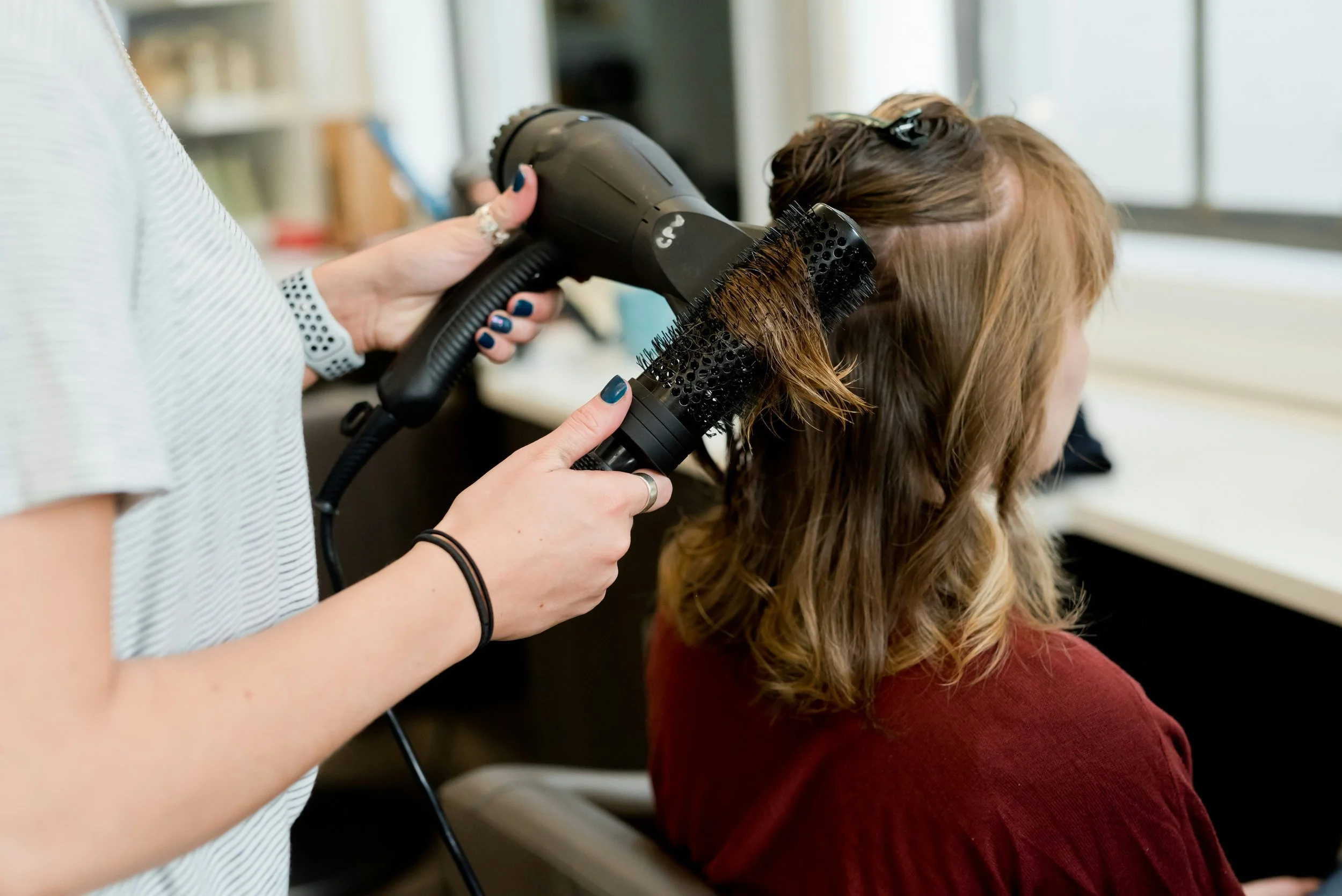
For some salon owners, the halcyon days of a reliably packed appointment book are beginning to feel rather distant.
According to Kline + Company data reported by Beauty Independent in July 2026, U.S. salon revenue fell 6.9% year over year to $8.5 billion in the first quarter of 2026. Transactions dropped 7.9%, while average service prices rose by just 1.3%.
Retail wasn't faring much better, with salon product sales falling 9.8% over the same period.
The Professional Beauty Association's September 2026 Pro Beauty Pulse reported another decline. In August, retail units sold were down 12.22% year over year, despite an increase in average product prices.
Clients haven't suddenly lost interest in looking good. It's just that their money has a few more places it needs to go. Many are watching what they spend, stretching the time between salon visits, and thinking more carefully about which treatments make the cut.
That puts salon owners in a difficult position. Fewer appointments mean less revenue, and modest price increases can only do so much. Meanwhile, no one has canceled the rent. The staff and suppliers still need paying, too, and none of them particularly care whether Tuesday afternoon was quiet.
A salon can deliver exceptional service and still find itself struggling to make the numbers work.
The question, then, is what else a salon can do with the expertise and reputation it has earned over the years.
From Service Business to Brand Business
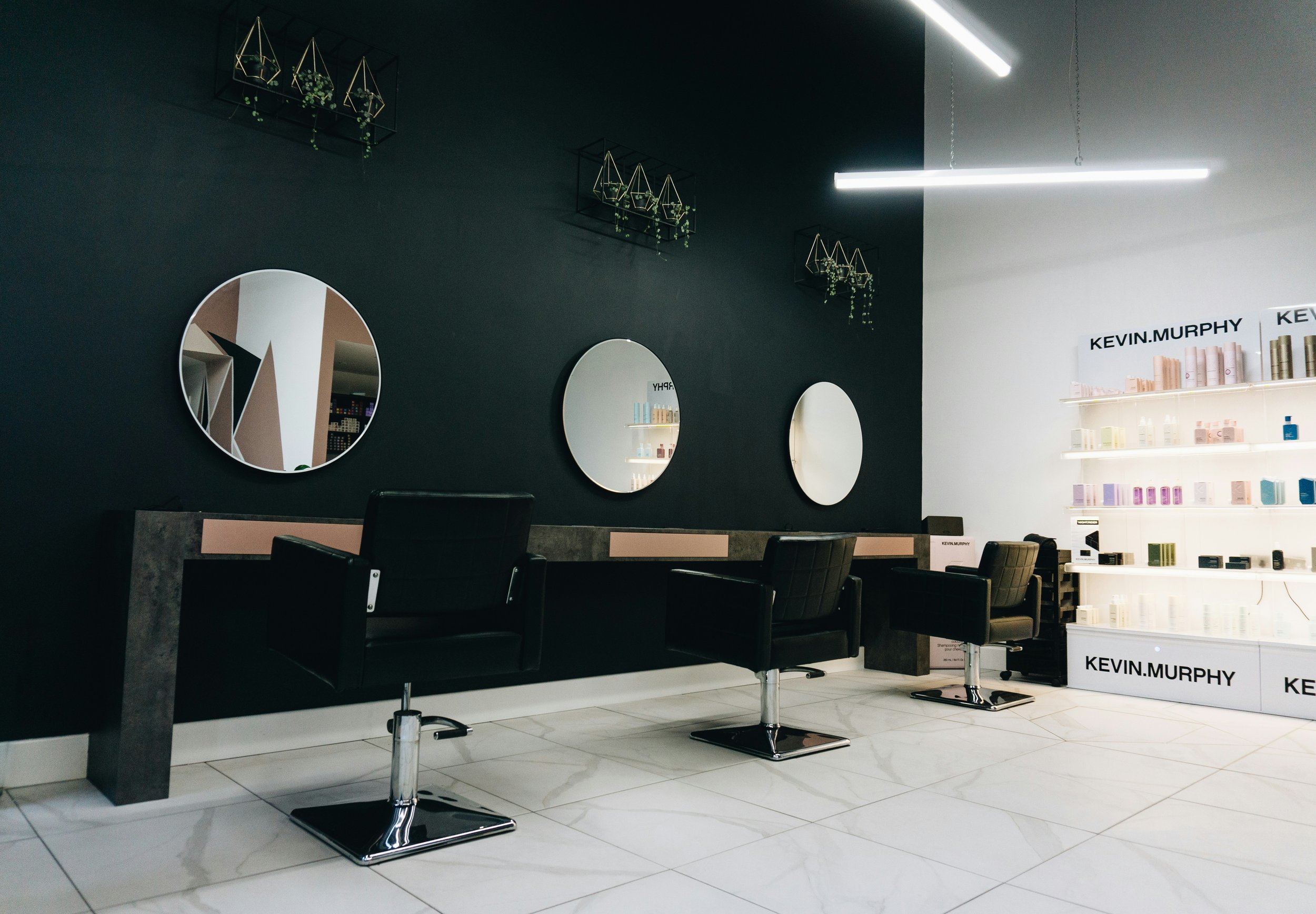
Salon owners put a remarkable amount of thought into making their businesses stand out. The interiors, the service menu, the Instagram feed, even the refreshments and little touches that make clients feel pampered. Every detail has a part to play.
And then there's the retail shelf, where somebody else's name often gets top billing.
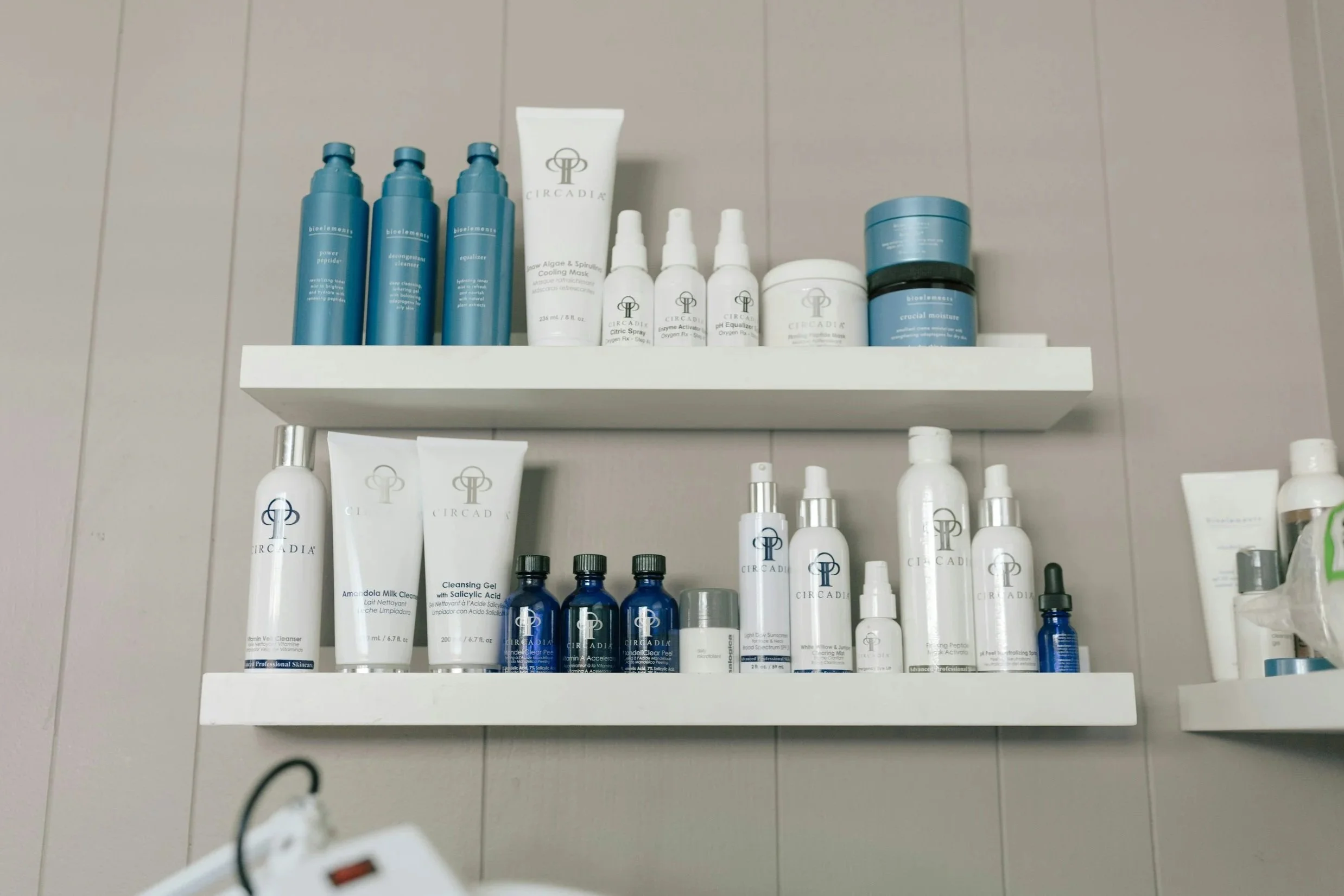
An own-brand range changes that, turning the salon's expertise into something clients can take home and use long after their appointment.
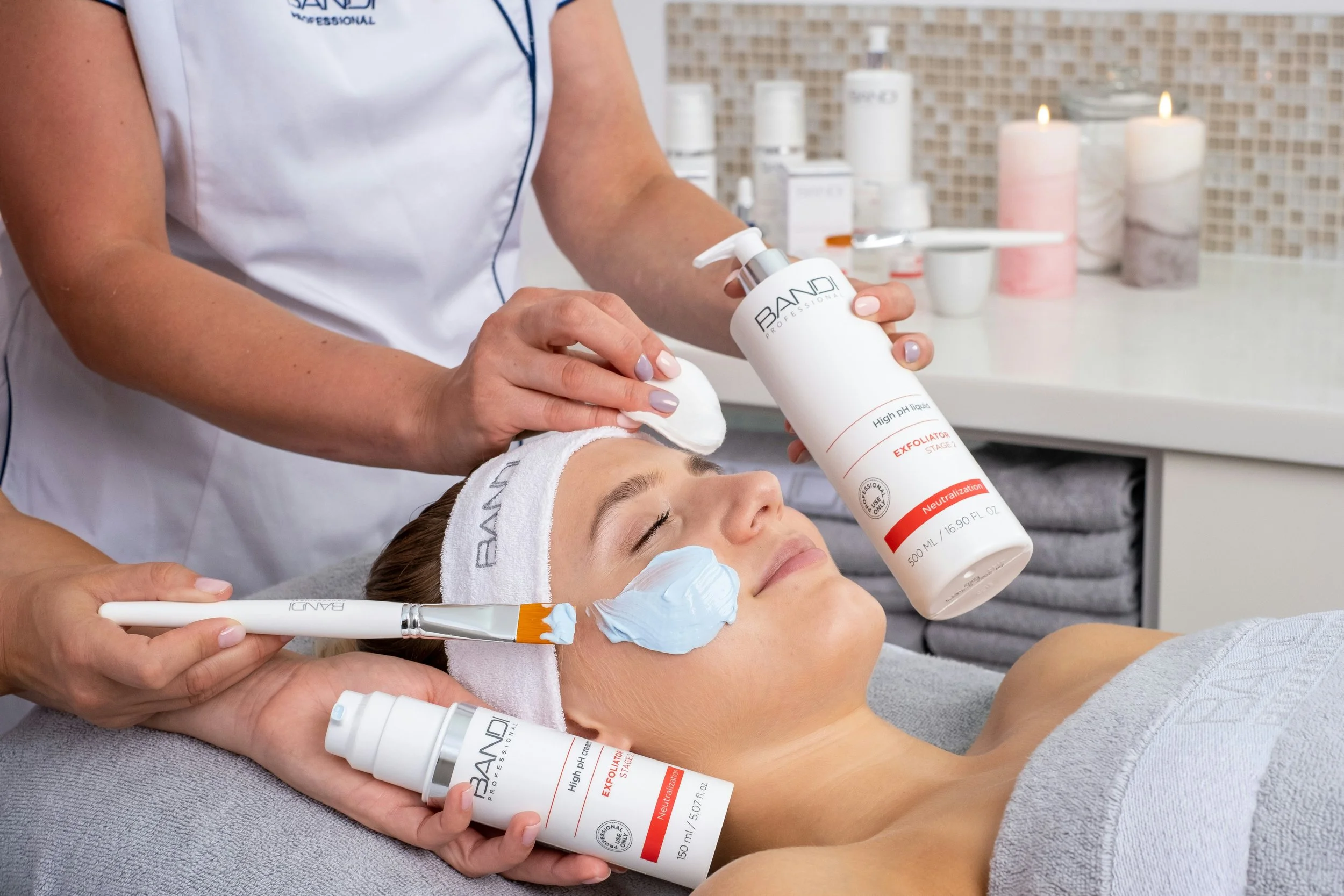
A color specialist knows what helps clients maintain their hair between visits. An esthetician knows which products make sense after a facial. With the salon's name on those products, that professional knowledge finds its way into clients' bathrooms, not just the treatment room.
Why Reselling Other Brands Isn't the Same
There's good reason salons stock established beauty brands. Clients recognize them, professionals know how they perform, and many have spent years earning their reputation.
There's just one catch: the client can often buy the same bottle somewhere else.
And shopping elsewhere has never been easier. According to McKinsey's July 2025 beauty industry research, online sales accounted for 26% of global beauty retail in 2024, with that share projected to reach 31% by 2030.
A stylist might spend twenty minutes explaining why a particular shampoo is worth using, only for the client to find it online later. The salon provides the advice; another retailer gets the sale.
With an own-brand product, the salon has a chance to keep both connected. The recommendation leads back to its own range, and each purchase helps build recognition for the business behind it.
That doesn't mean clearing every familiar brand from the salon's retail selection. A salon's own products can sit alongside established favorites; something familiar with a touch of something new and just as effective.
What Own-Brand Products Do for Salons
There's plenty to like about the idea of selling products under your own name. More control over what you offer, something clients can't pick up just anywhere, and another way to bring money into the business.
So we know that there’s a clear benefit to keeping the sale local. Your own-brand range can also help build client loyalty, give a competitive edge, and create new opportunities for revenue.
Stronger Client Retention
Some clients visit just once, while others become regulars whose names and preferences the whole team knows.
A 2023 Boulevard report published by Business Wire, based on more than 11 million appointments, found that top-performing salons converted 70% of first-time clients into repeat visitors, compared with an overall average of 45% among the businesses studied.
Interestingly enough, the same research found that only 13% of retail sales happened during a client's first appointment. After all, it's easier to trust a product recommendation when you've already seen what the person recommending it can do.
An own-brand product can become part of that relationship. The shampoo a stylist recommends after a color appointment gets used several times a week. The moisturizer introduced during a facial finds its way into a morning routine.
A good product won't guarantee another booking. But when it works, clients remember who recommended it. Having the salon's logo on the packaging certainly doesn't hurt.
Real Differentiation
Visit a few salons in the same area, and you'll probably spot some of the same professional beauty brands filling up their shelves. An own-brand range gives clients something they can't buy from the salon down the street.
It could be a small collection designed to give fine hair more volume, a skincare routine chosen to complement its facial treatments, or a signature body product clients come to associate with the salon.
Of course, a logo alone won't make a mediocre product worth buying. Clients will judge what's inside the bottle, how it performs, and whether it deserves a place in their routine.
Get those things right, and the product can become a signature in its own right as well as a valuable asset to the business.
Revenue That Doesn't Need a Booking
Retail may account for just 5-15% of a salon's business, but it has historically been one of its most profitable revenue streams, according to Kline's 2026 industry findings.
Unlike services, product sales aren't directly limited by appointment availability or stylist working hours. And when managed well, retail can contribute to profitability without requiring additional chairs, treatment rooms, or staff hours.
Own-brand products also give salon owners more say over pricing, presentation, and how the products are sold. Instead of competing with online retailers offering the exact same shampoo, they can develop a range around their own clientele and business.
More control doesn't necessarily translate into better margins.
Manufacturing, packaging, fulfillment, and marketing all cost money, but the size of those costs depends on how you source. Private label with no minimum order lets you start small and reorder what actually sells, rather than paying upfront for stock before you know what moves.

Understanding your salon’s profit margins matters just as much as choosing the right products. A product that looks beautiful on display but barely sells isn’t much of a business opportunity.
A well-chosen product range can reach customers in ways a salon's services never could.
Clients can reorder their favorites online between appointments. Gift sets make sense around holidays. Aftercare bundles can accompany particular treatments. And someone who has moved away might still want the products they discovered at their old salon.
None of this makes retail effortless. Someone still has to manage stock, handle orders, and make sure people know the products exist. But the right supplier can make that much easier.
What It Takes to Launch a Salon Product Line in 2026
The barriers to launching a beauty range have come down considerably. Smaller production runs and ready-made formulations have made it possible for salon owners to develop their own products without the kind of investment that once put the idea out of reach.
But having more options doesn't make choosing the right products any easier. Before deciding what to launch, ask yourself which products your clients would miss if they ran out.
Start Small, but Make It Count
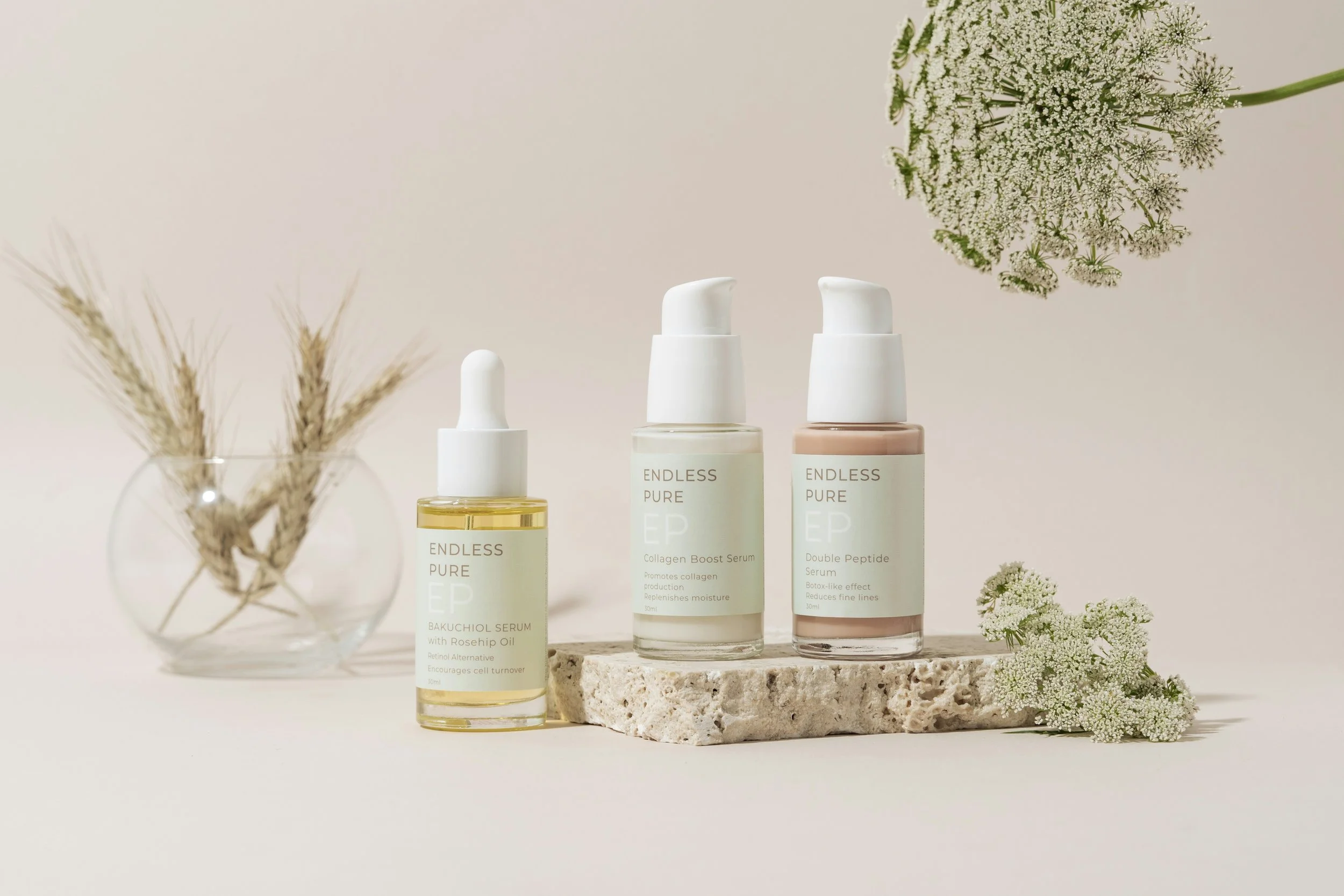
You don't need a dozen products on day one. Three to five well-chosen formulas give you plenty to work with, without tying up your budget in products nobody asked for.
A salon specializing in color might start with shampoo, conditioner, and a hair mask for treated hair.
A facial studio could put together a straightforward home-care routine with a cleanser, serum, and moisturizer.
The best clues often come from conversations you're already having with clients. Maybe they're constantly asking how to keep frizz under control, or complaining that they can't find a moisturizer that suits their skin.
Your existing retail sales can tell you plenty, too, especially when one product consistently sells out while another keeps gathering dust.
Once you've settled on a few products, give them a proper trial run.
Ask regular clients what they think, see how the products fit into their routines, and resist the temptation to expand the range too quickly.
A beautiful label might catch someone's eye, but what's inside has to justify the purchase – and give them a reason to come back for more.
Let Expertise Do the Selling
Salon professionals have something most retailers don't: firsthand knowledge of their clients' hair, skin, preferences, and routines. That's an advantage worth using.
Staff should know what each product does, who it's suitable for, and when it makes sense to recommend it. A thoughtful recommendation during a consultation carries more weight than a sales pitch delivered just as the client reaches for their wallet.
People come to salons for professional advice. Retail should be a natural part of that conversation, not an awkward extra at checkout.
Make the Most of Modern Private Label
Private label manufacturing used to feel like an arcane world of formulations, factory negotiations, and minimum orders that could fill a stockroom.
Selfnamed offers more than 200 ready-made clean beauty formulas across skincare, body care, hair care, and makeup that salons can sell under their own labels. There's no minimum order requirement, and salons can customize labels and packaging through our Design Studio.
With dropshipping and fulfillment available in the U.S. and EU, salon owners can test products and see what clients respond to before investing heavily in inventory.
Launching a product line may be easier than it used to be, but making it profitable is work. The formulas have to deliver, the pricing has to work, and demand has to last beyond the initial excitement. What happens after the launch will determine whether your range earns its place.
Conclusion
Great service will always be the foundation of a successful salon. No product line can replace a talented professional or the trust built over years of looking after clients.
But why should everything a salon has worked so hard to build only pay off when someone has an appointment?
An own-brand range gives salons a chance to turn years of professional know-how into something clients will happily make room for in their bathrooms – and tell their friends about.
There's no need to launch twenty products or set out to become the next household beauty name. A handful of well-chosen products is a perfectly good place to begin.
The best-performing salons understand that their name is worth more than the sign above the door. A fully booked calendar is a wonderful achievement. Building a business that can earn beyond it might be an even better one.


Frequently Asked Questions
-
Yes. Low minimum order private label makes it realistic to start with just a few products, so you’re not buying bulk stock upfront. Begin with three to five formulas tied to your core services, then reorder what sells and add from there.
-
Three to five is plenty to begin. Choose formulas that match what you already do, like color care for a color salon or a simple home-care routine after facials. You can always widen the range once you see which products clients reorder.
-
Retail is usually a small share of a salon’s sales, but it tends to be one of the most profitable parts of the business. Product sales aren’t limited by chair time or stylist hours, so a well-run shelf can earn between appointments and after them.
-
Many do, especially regulars who trust your advice. When a stylist recommends something that clearly works, clients tend to remember who suggested it. An own-brand product also keeps your salon in their routine between visits, which is harder with a brand they can buy anywhere.
-
It depends on how many products you launch and how much you order. Low minimum order private label keeps upfront costs down, since you’re not paying for bulk inventory before anything sells. You’ll still budget for customization, marketing, and keeping stock on hand.
-
Both let you sell products under your salon’s name. White label means a ready-made formula that other brands can also sell, usually with lighter customization. Private label is closer to your own: you shape the packaging, and often the formula, so the range reflects your salon.
Must read