Vegan Skincare Brands Leading a More Conscious Beauty Market

Table of Contents
Vegan skincare has grown far beyond a niche category. Some of the best vegan skincare brands now compete on the same things as any serious beauty brand. Effective formulas, memorable design, accessible pricing, and products people actually want to repurchase.
The label itself, though, isn’t always as straightforward as it looks. Vegan, cruelty-free, natural, and clean are often grouped together, even though each says something different about a product. A formula can skip animal-derived ingredients without necessarily telling you the full story about testing, sourcing, or sustainability.
That distinction matters for customers trying to make more conscious choices. It matters just as much for beauty founders deciding what their own brand will stand for.
Let’s take a look at 10 vegan skincare brands worth knowing in 2026. Some have built their identity around plant-derived formulas and sustainability. Others stand out for sensitive-skin products, accessible prices, distinctive packaging, or unusually clear communication about what goes into their formulas.
We’ll look at what each brand does differently, the products that helped define it, and what beauty founders can learn from its approach. First, though, let’s clear up what vegan skincare actually means – and what it doesn’t.
Key Takeaways
Vegan and cruelty-free describe different things, so it’s worth checking both claims.
The strongest vegan skincare brands offer more than vegan formulas: they have a clear identity and purpose.
Certifications and transparent ingredient information make vegan claims easier to trust.
What Makes a Skincare Brand Truly Vegan?

Vegan skincare products contain no ingredients or by-products derived from animals. That includes familiar examples such as beeswax and lanolin. It also covers ingredients such as animal-derived collagen, keratin, and carmine.
Things get less obvious once you start reading the full ingredient lists.
Some ingredients can come from either animal or plant sources, so the name alone may not reveal their origin. A credible vegan claim therefore depends on knowing what goes into the formula and where those ingredients come from.
Vegan vs. Cruelty-Free: What’s the Difference?
Vegan and cruelty-free describe two different things:
Vegan refers to the ingredients and production of a product.
Cruelty-free refers to animal testing.

A product can be cruelty-free and still contain an animal-derived ingredient such as beeswax or lanolin. A vegan label also doesn’t automatically tell you everything about a company’s animal-testing policy. That’s why the two claims often appear together.
Third-party certifications can make them easier to verify. Leaping Bunny certifies companies under its cruelty-free standard. PETA’s Beauty Without Bunnies distinguishes between companies that are animal test-free and those that are both animal test-free and vegan.
The Vegan Trademark from The Vegan Society focuses specifically on vegan products. Its standard excludes animal ingredients and animal-derived substances. It also includes requirements around animal testing.
When a brand describes its products as vegan and cruelty-free, there are two separate promises behind those words. Both need to hold up.


What to Look for When Choosing Vegan and Cruelty-Free Skincare Brands
A few details can tell you much more than a vegan logo on the front of the packaging:
Third-party certifications. Recognized certifications give the claim something concrete behind it and show which standard the product or brand has met.
Ingredient information. Look at what goes into the formula and how clearly ingredient origins are explained. If a company sells both vegan products and non-vegan products, the difference should be obvious.
Brand transparency. Strong vegan and cruelty-free skincare brands make their sourcing, manufacturing, and testing policies easy to find and understand.
Clear terminology. Vegan, natural, organic, and clean beauty aren’t interchangeable. Standards such as COSMOS and ECOCERT cosmetics focus on natural and organic cosmetics, for example. They shouldn’t be treated as another way of saying vegan.
These details matter on both sides of the shelf. Customers and salon professionals get a clearer idea of what they’re buying. While founders get a useful benchmark for the claims their own brand will eventually need to support.

The Best Vegan Skincare Brands to Know in 2026
The brands below take very different approaches to vegan skincare. Some lead with plant-based ingredients, while others have built their identity around biotechnology, sensitive skin, affordability, or lower-waste packaging.
Here’s a quick comparison before we look at each one more closely.
1. Youth To The People
Youth To The People has built its identity around what it calls “Superfoods + Science.” Its formulas combine familiar plant ingredients such as kale, spinach, and green tea with modern skincare actives. The brand is vegan and cruelty-free, and sustainability plays a visible role in its packaging and wider identity.
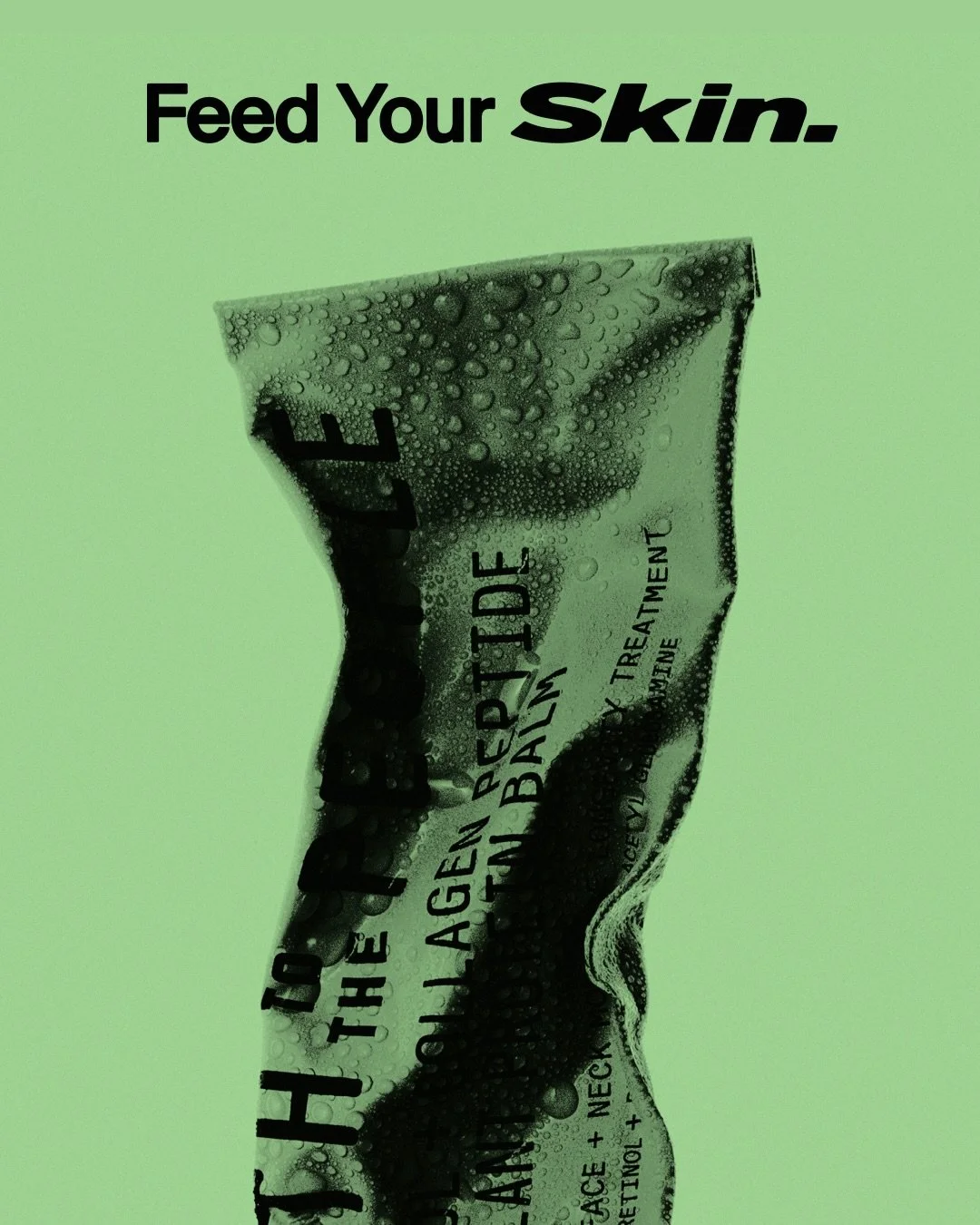
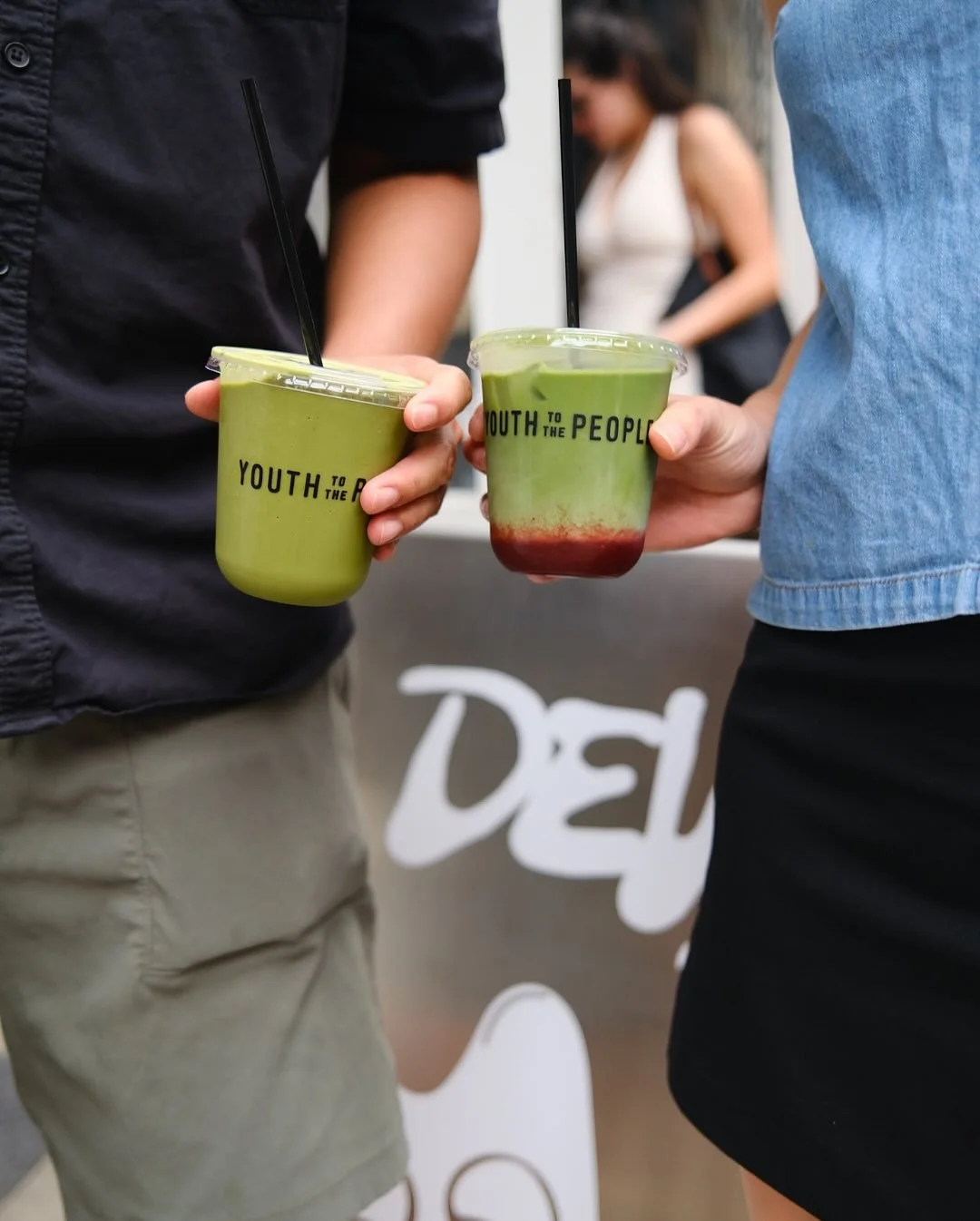
What makes them different: The superfood concept is easy to understand and easy to recognize. It runs through the formulas, product names, packaging, and marketing without making the brand feel like traditional botanical skincare.
Hero products: The Superfood Cleanser is the product most closely associated with Youth To The People. Its formula features kale, spinach, green tea, alfalfa, and vitamins C and E, and the cleanser is also available in a refill format.
What founders can learn from their approach: A strong concept can give an entire product range direction. They don't need to invent a completely new story for every launch because its superfood positioning already connects the products.
2. Biossance
Biossance approaches vegan skincare from a more science-led direction. Squalane sits at the center of the brand, but instead of sourcing it from animals, Biossance uses a version derived from renewable sugarcane. That ingredient now appears throughout the range and has become closely associated with the brand.
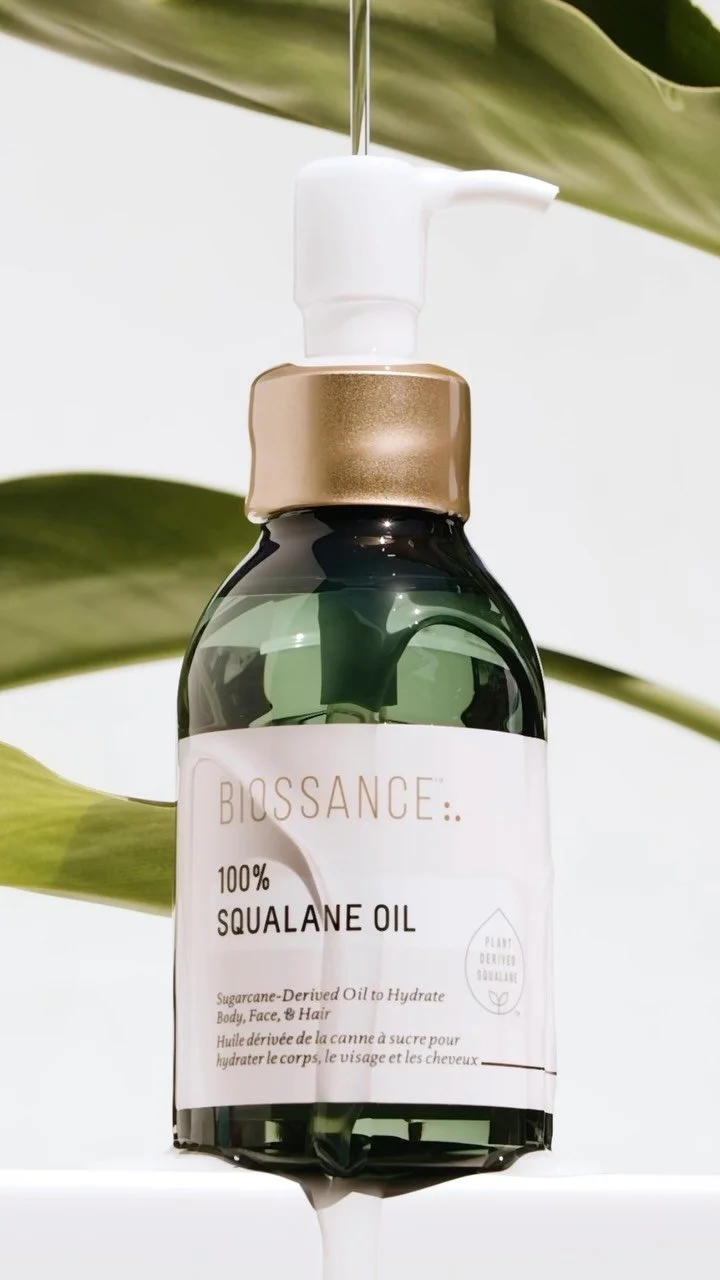
What makes them different: Biossance has created recognizable territory around one ingredient. Its biotechnology story also separates it from vegan beauty brands that rely more heavily on traditional plant-based positioning.
Hero products: Squalane + Vitamin C Rose Oil is one of its best-known products. Their Squalane + Omega Repair Cream is another prominent formula built around the brand’s signature sugarcane-derived squalane.
What founders can learn from their approach: One signature ingredient can become bigger than a single product. When it appears consistently across a range, customers can start associating that ingredient with the brand itself.
3. Herbivore Botanicals
Herbivore Botanicals brings plant-focused formulas together with a highly recognizable visual identity. Facial oils, botanical ingredients, glass packaging, and the natural colors of its formulas all contribute to the way the brand looks. The result feels minimal without becoming clinical.

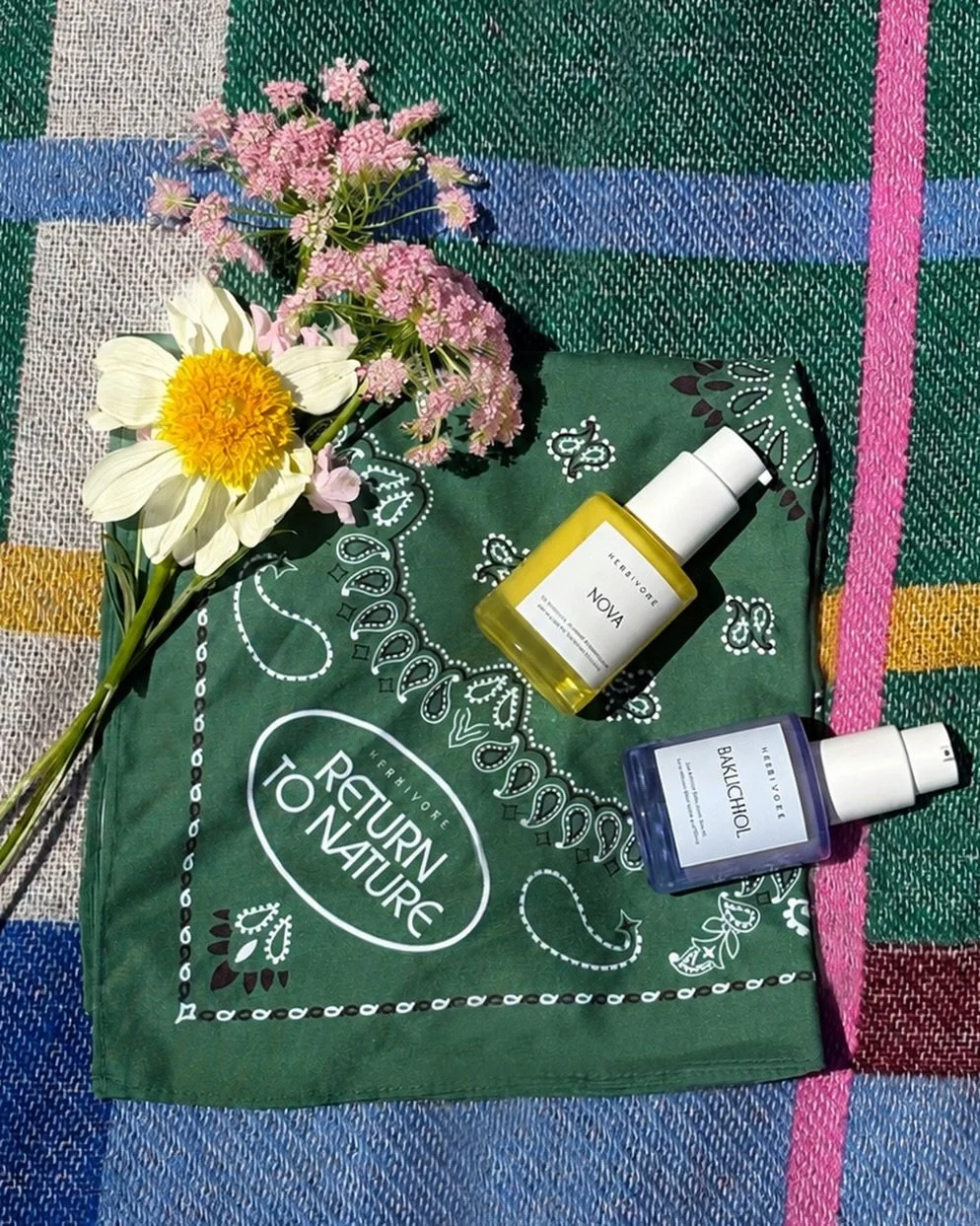
What makes them different: Herbivore makes the formulas part of the visual experience. Color and texture are given room to stand out, while the packaging remains relatively simple.
Hero products: Phoenix Rosehip + Sea Buckthorn Deep Renewal Facial Oil is one of the brand’s established facial oils. Their Lapis Blue Tansy + Squalane Balancing Facial Oil is another recognizable product in the range.
What founders can learn from their approach: Packaging can communicate the product story before someone reads the label. When the formula, product name, and visual identity reinforce one another, recognition becomes much easier to build.
4. Pacifica
Pacifica has helped move vegan beauty into a much more accessible part of the market. Its portfolio stretches across skincare, makeup, fragrance, hair, and body care, with vegan and cruelty-free positioning running throughout the brand. In skincare, it brings ingredients and concepts often seen in prestige beauty to a broader audience.
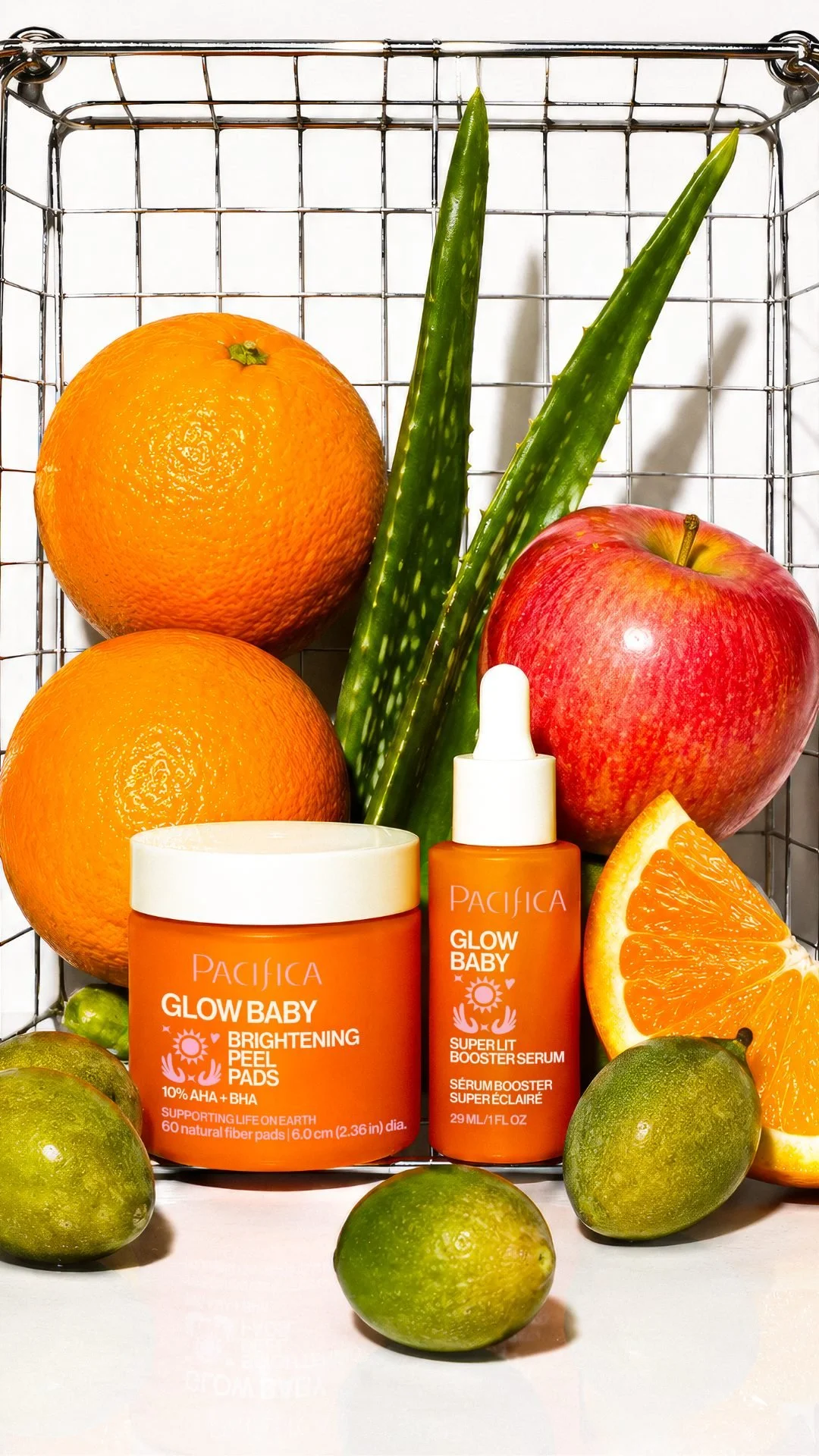
What makes them different: Vegan beauty isn’t presented as specialist or particularly exclusive. Pacifica makes it colorful, accessible, and easy to find across several beauty categories.
Hero products: Vegan Collagen Overnight Recovery Cream is a good example of the brand’s approach. Its wider Vegan Collagen collection carries the same concept into serums, eye care, and other skincare products.
What founders can learn from their approach: Vegan positioning doesn’t have to mean luxury pricing. A brand can make ethical values part of an accessible proposition rather than using them to justify a premium one.
5. OSEA Malibu
OSEA Malibu has considerably more history than many of the brands associated with modern vegan beauty. Founded in 1996, the family-run company has built its skincare and body care around seaweed and an enduring connection to the ocean. Even its name reflects that world: Ocean, Sun, Earth, and Atmosphere.
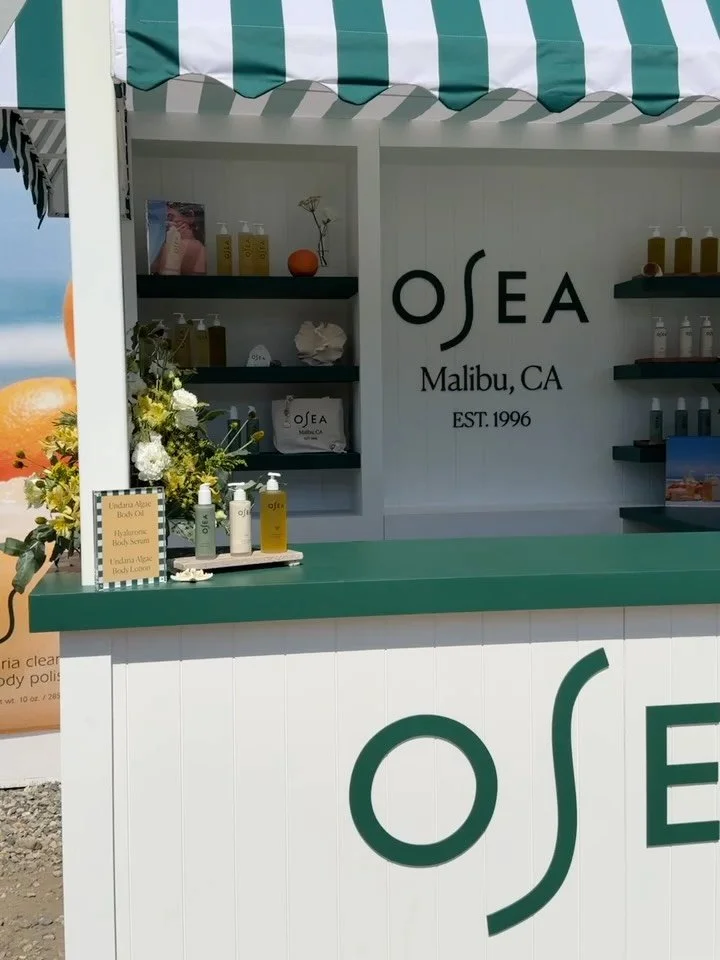
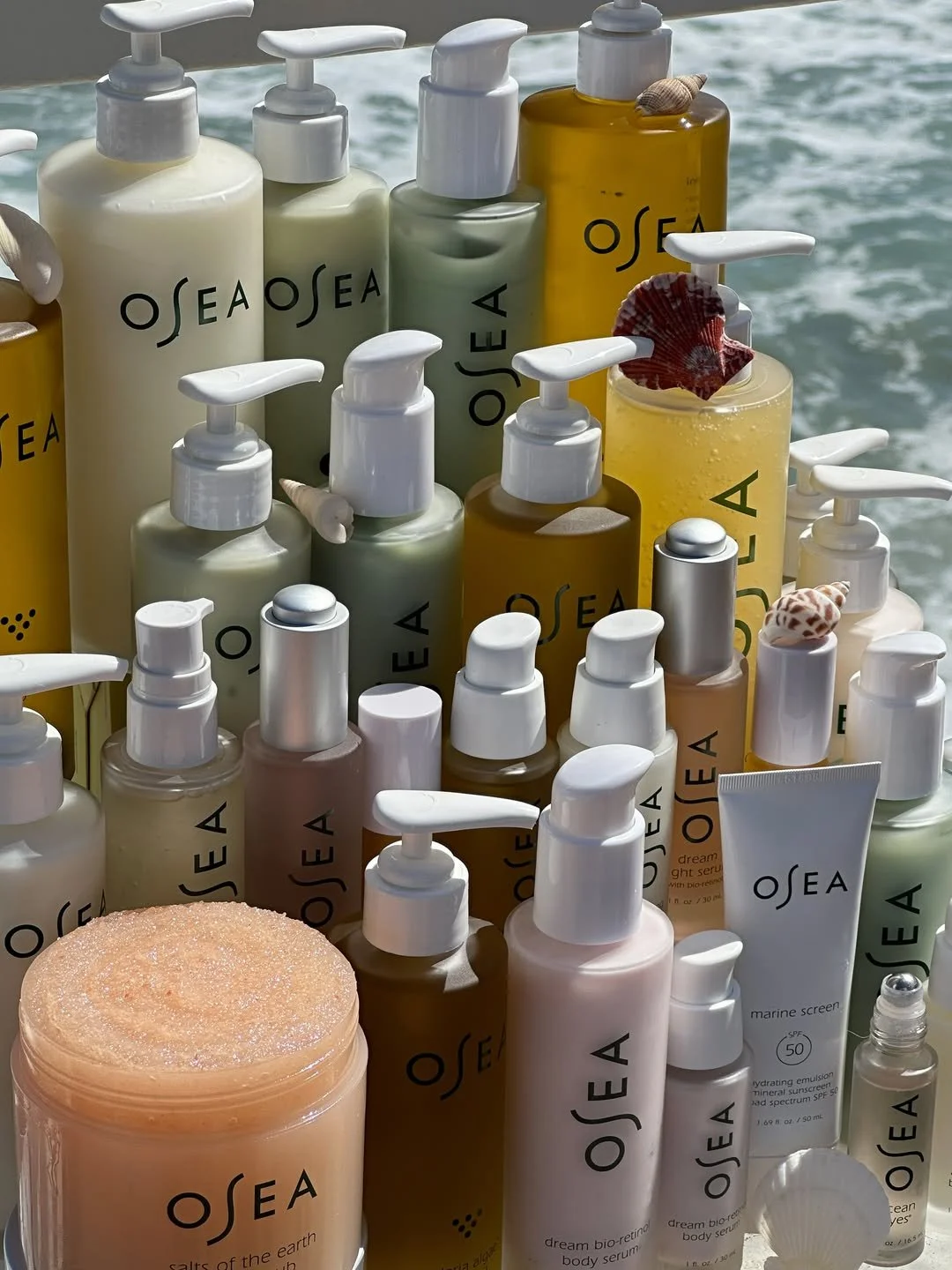
What makes them different: OSEA has stayed within a very recognizable brand territory. The ocean influences the ingredients, imagery, packaging, and storytelling rather than appearing as a theme for one product line.
Hero products: Undaria Algae Body Oil has become one of OSEA’s signature products. Its face range continues the seaweed story through moisturizers, cleansers, oils, and treatments.
What founders can learn from their approach: A brand story becomes stronger when it lasts. OSEA shows how one clearly defined identity can continue to support new products without constantly being reinvented.
6. Versed
Versed is the kind of brand you can shop without knowing much about skincare first. The names usually tell you what the product is for, and the range doesn’t feel like it expects you to follow a complicated routine.
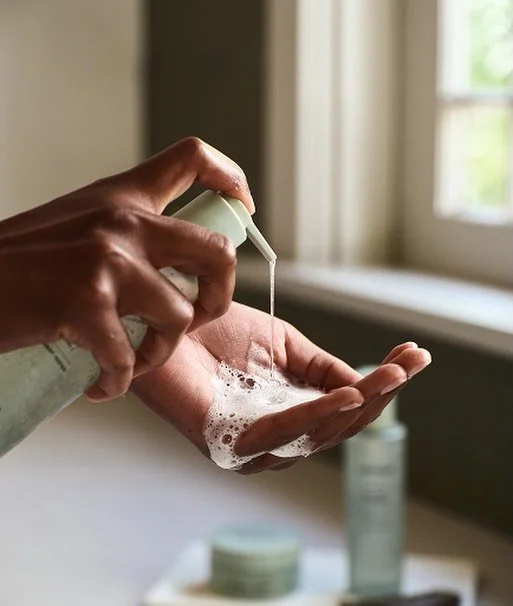
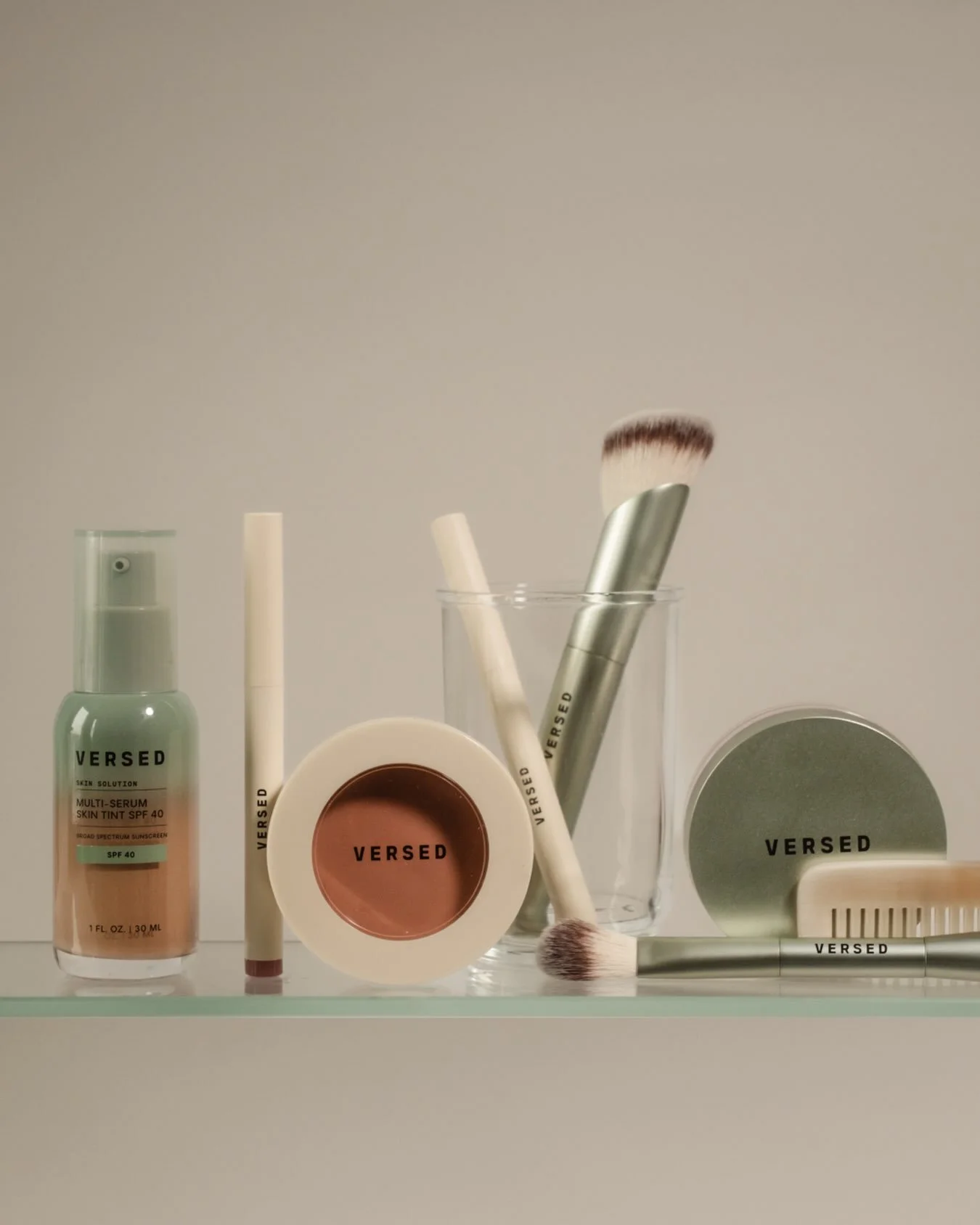
What makes them different: There’s not much decoding involved. Versed talks about common skin concerns in plain language and keeps the products themselves pretty straightforward.
Hero products: Dew Point Moisturizing Gel-Cream is probably the name most people will recognize. It sits alongside everyday cleansers and serums, plus treatments for concerns such as breakouts, dryness, and uneven skin.
What founders can learn from their approach: Sometimes clarity is enough of a differentiator. Customers should be able to look at a product, understand what it’s for, and decide whether it belongs in their routine. Versed does that well without overexplaining everything.
7. Pai Skincare
Pai Skincare has built its identity around a much more specific audience: people with sensitive skin. Rather than treating sensitivity as one concern among many, the brand puts it at the center of its formulas and communication. Its products are also independently certified vegan by The Vegan Society.
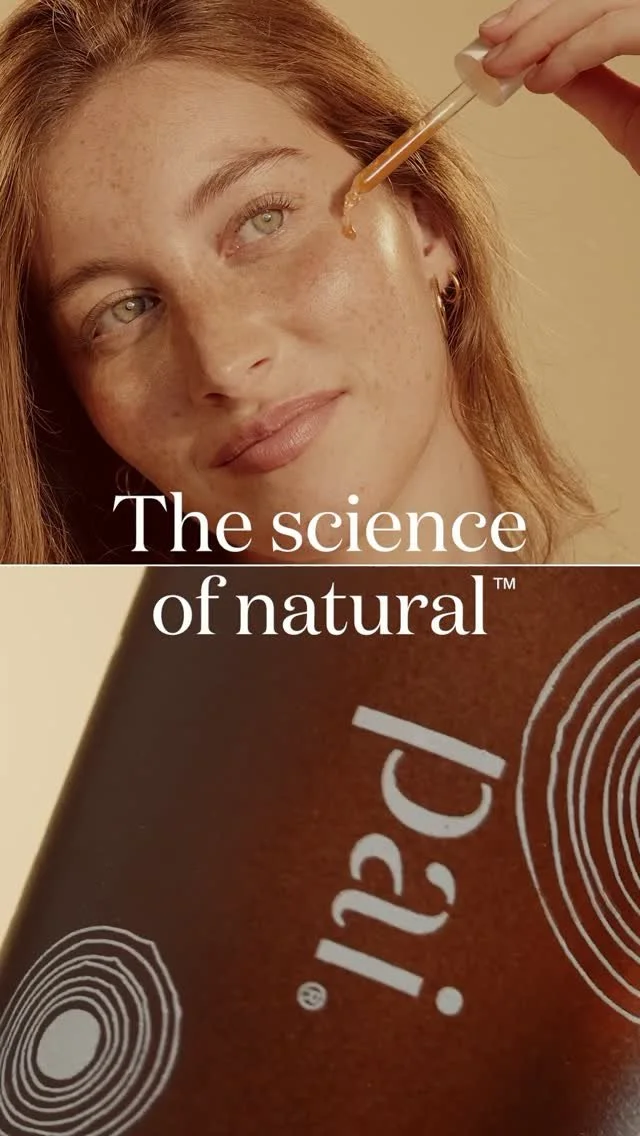
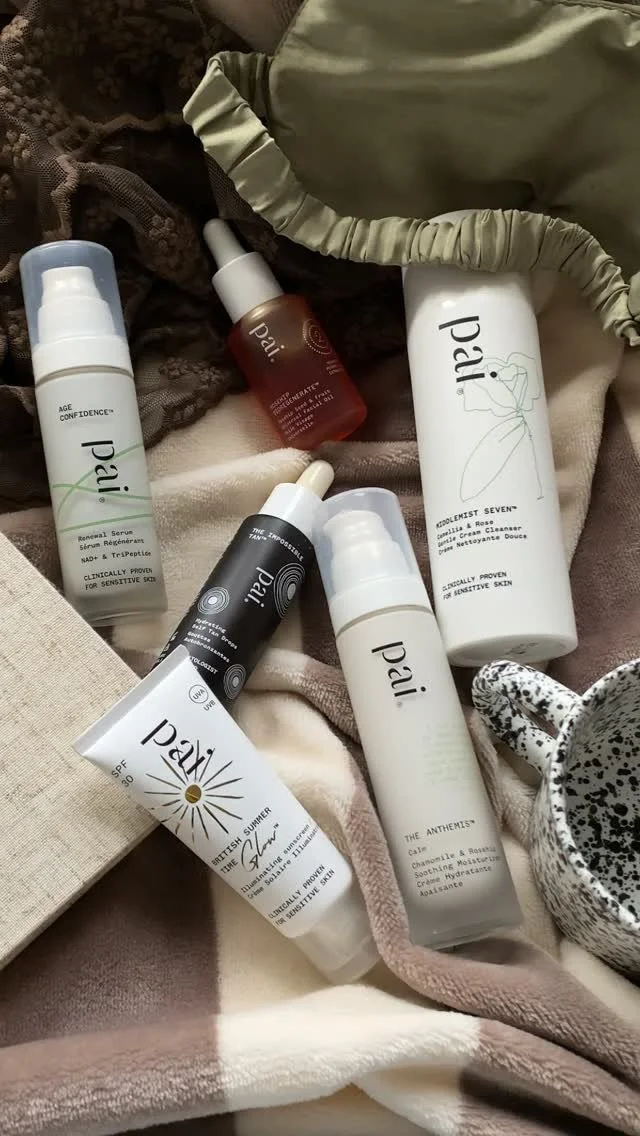
What makes them different: Pai has a clearly defined customer problem to solve. That gives the brand a sharper purpose than simply offering another collection of plant-based or vegan skincare products.
Hero products: Rosehip Bioregenerate Oil is one of Pai’s longest-standing and most recognizable products. It has also helped make rosehip oil closely associated with the brand.
What founders can learn from their approach: A new brand doesn’t have to appeal to everyone. A well-defined audience can provide clearer direction for product development, messaging, and the wider brand identity.
8. ACURE
ACURE brings vegan and cruelty-free skincare into an affordable, everyday part of the market. Its range includes cleansers, moisturizers, serums, oils, scrubs, and treatments built around familiar skincare concerns. The brand states that its products are 100% vegan and cruelty-free.
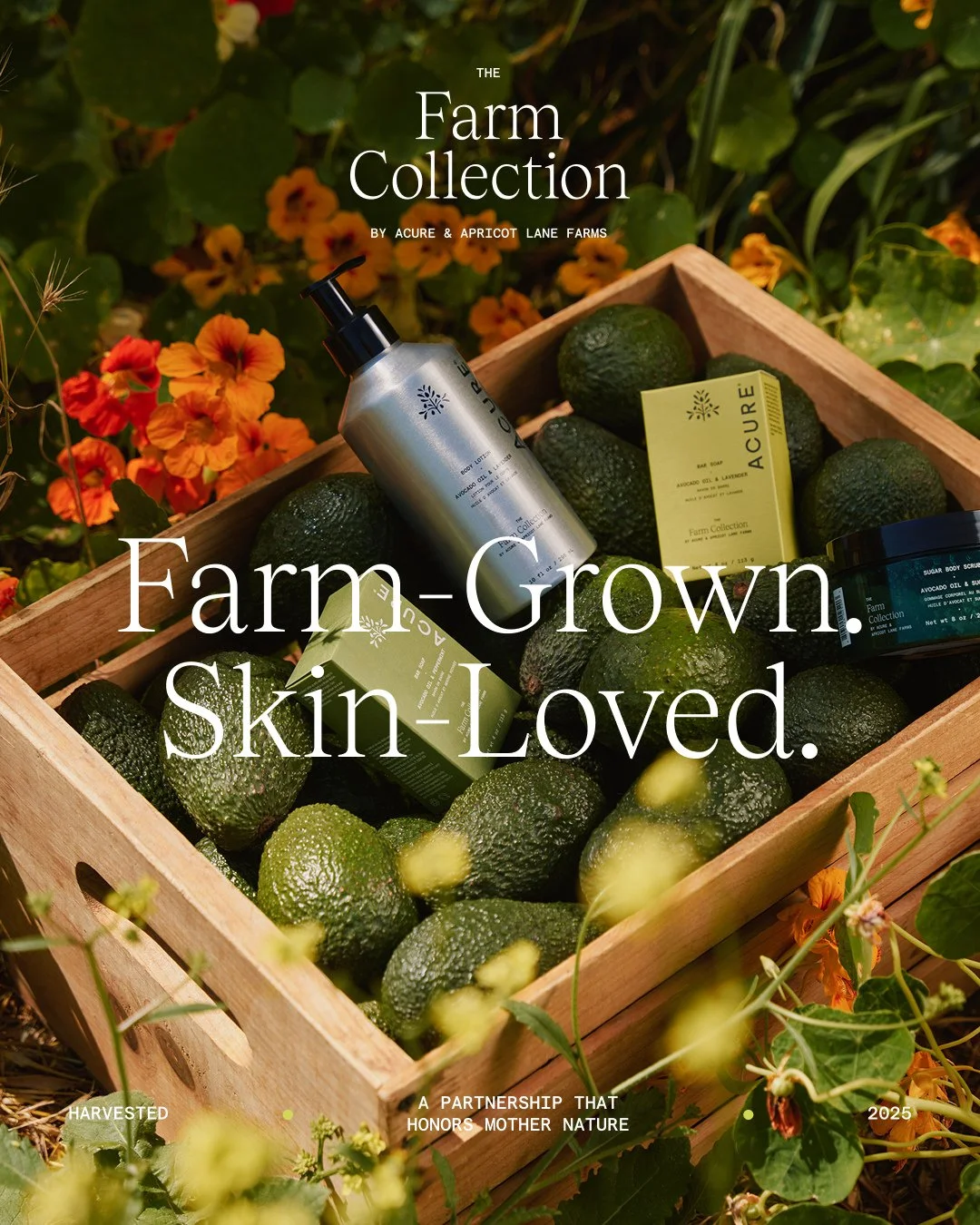

What makes them different: ACURE combines ethical positioning with products that remain relatively accessible. The range is also easy to navigate, with clear references to concerns such as brightening, hydration, sensitivity, and signs of aging.
Hero products: Brightening Facial Scrub remains one of the products most closely associated with the brand. ACURE has also developed broader collections around rejuvenation, hydration, and barrier care.
What founders can learn from their approach: Affordable skincare doesn’t need vague positioning. A product can have an accessible price while still communicating clearly what it does and what the wider brand stands for.
9. Alpyn Beauty
Alpyn Beauty comes from Jackson Hole, Wyoming, and that setting shows up throughout the brand. Its formulas mix familiar skincare actives with mountain-grown plants, some of which are hand-harvested in the area. So while the products have a botanical side, they’re not positioned as purely natural skincare.

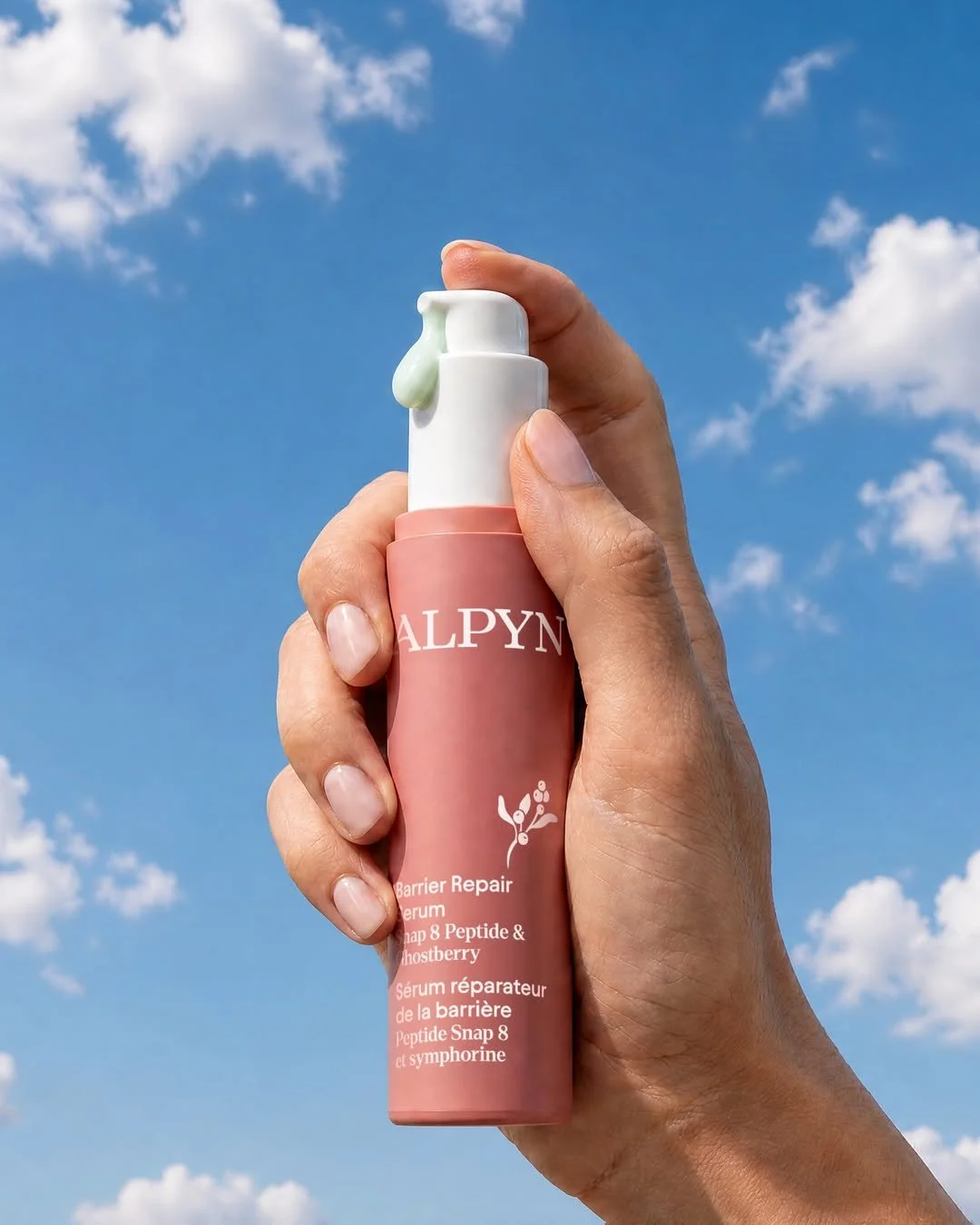
What makes them different: The Jackson Hole story feels specific to Alpyn. Mountain plants aren’t just there for the imagery; they show up in the formulas and give the brand something recognizable to build around.
Hero products: Super Peptide & Ghostberry Barrier Repair Cream pairs ghostberry with ingredients such as ceramides and peptides. Beyond that, Alpyn has cleansers, serums, masks, and other treatments across the range.
What founders can learn from their approach: Alpyn is a good example of using where a brand comes from without turning it into a generic nature story. The location gives the products context and makes the brand easier to remember.
10. Meow Meow Tweet
Meow Meow Tweet takes a noticeably different route from the polished minimalism common across prestige skincare. Founded by artists Tara Pelletier and Jeff Kurosaki, the indie brand pairs vegan personal care with hand-drawn illustrations and a playful personality. Low-waste packaging is also a significant part of how the company develops and presents its products.
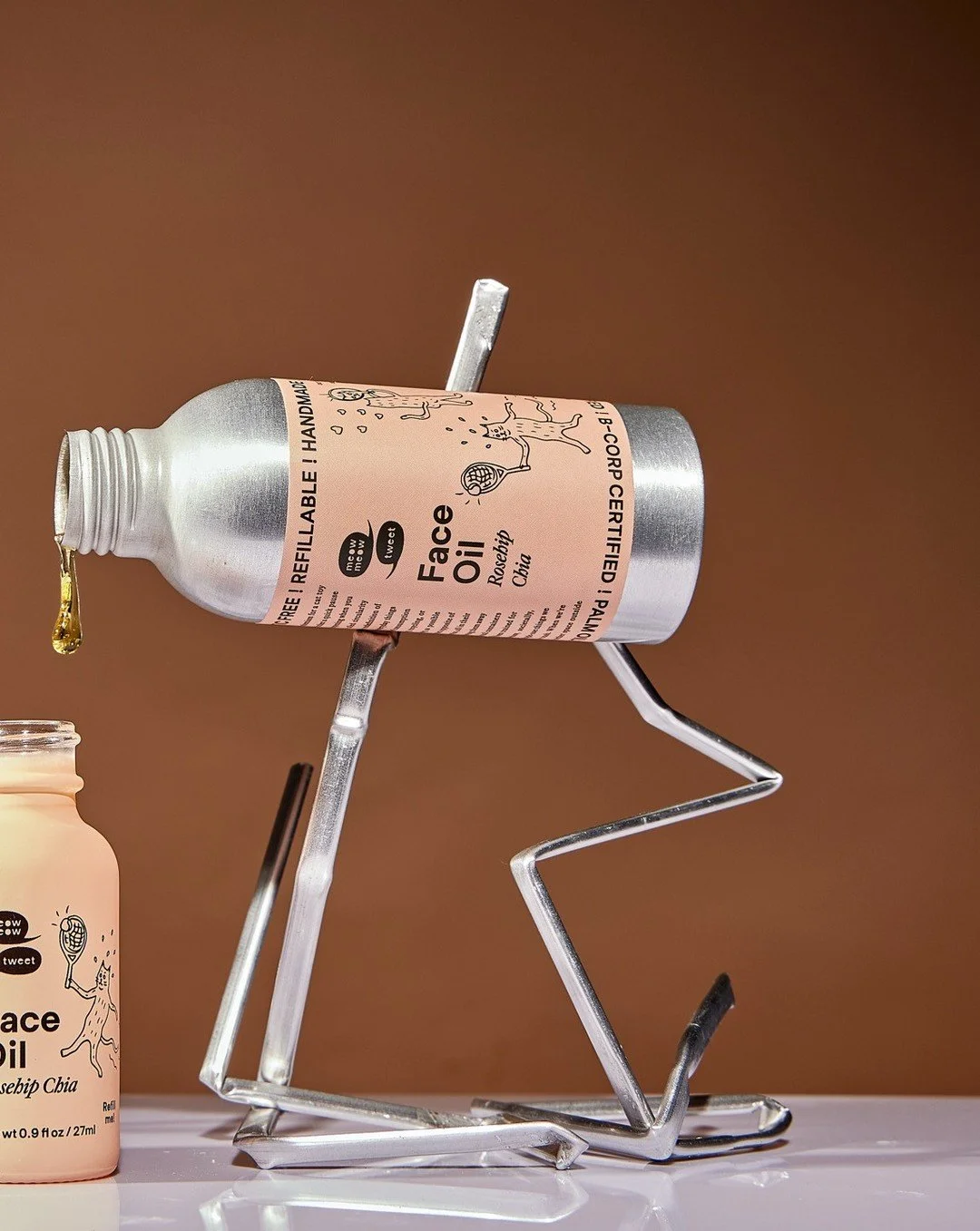
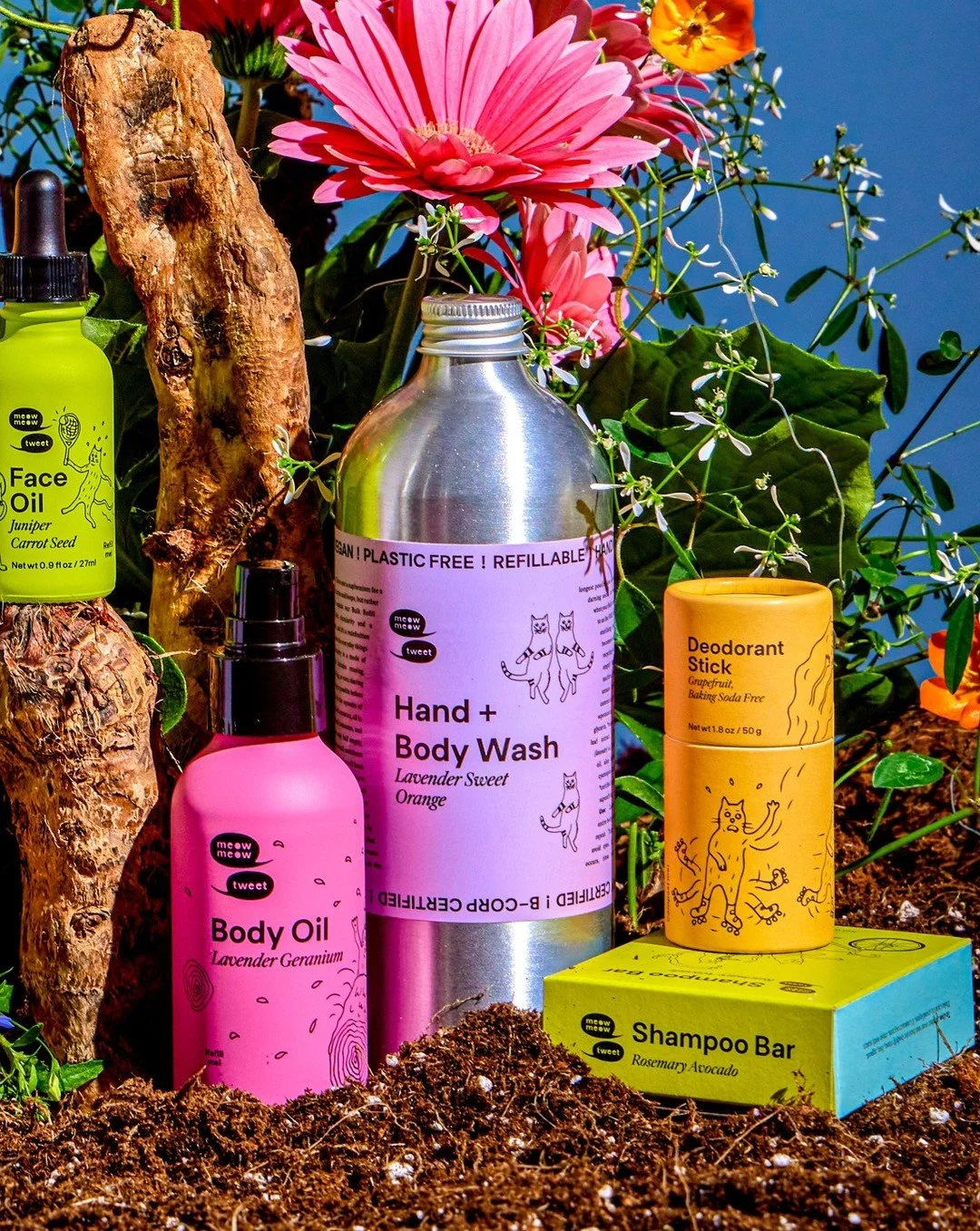
What makes them different: Packaging is closely connected to environmental philosophy. The brand uses materials including glass, aluminum, and compostable paper, alongside refill options and a closed-loop bulk program.
Hero products: Skin Cream and the brand’s facial oils sit within a wider personal-care range that also includes soaps and its recognizable deodorants in compostable paper tubes.
What founders can learn from their approach: Looking different from established beauty brands can be an advantage. Meow Meow Tweet shows how a distinctive visual voice, clear values, and unconventional packaging can make an independent brand easier to remember.
Affordable Vegan Skincare Brands That Don’t Cut Corners
Vegan skincare doesn’t have to come with a premium price tag. Several brands have made it easier to build a vegan routine without spending heavily on every product.
ACURE keeps much of its skincare range below $25, including everyday cleansers, moisturizers, and treatments.
Versed focuses on straightforward products at accessible prices, making it a practical option for building a simple skincare routine.
Pacifica brings vegan skincare to a broader beauty audience, with affordable products across skincare as well as makeup, hair, and body care.
These affordable vegan skincare brands have helped move vegan beauty away from the idea that making a more ethical choice always means paying more.
That opens up more room when deciding where a new brand should sit in the market. Vegan skincare can be premium, but it doesn’t have to be.
What Aspiring Beauty Founders Can Learn From These Vegan Beauty Brands
Looking across the best vegan skincare brands, being vegan is rarely the whole identity. The brands people remember usually have a clearer point of view around their ingredients, values, packaging, or the customers they want to reach.

That matters to shoppers, too. McKinsey found that more than half of Millennial and Gen Z consumers surveyed were willing to pay more for beauty products from a sustainable brand. Avoiding environmentally harmful ingredients, using natural formulas, and cruelty-free production were also among the sustainability attributes these consumers cared about.
For new beauty founders, there are a few useful lessons here:
Decide what the brand stands for. Being vegan friendly can be part of the story, but it doesn’t have to be the whole story. You might focus on plant derived ingredients, sensitive skin, accessible pricing, or more eco friendly packaging.
Be specific about your claims. If you’re selling vegan or cruelty-free products, explain what those terms mean for your formulas and production. Certification can add another layer of trust.
Build an identity people can recognize. Packaging, photography, language, and product names all shape how a brand feels. These details help one product line look different from the next.
Know who you’re creating the brand for. Think about the customer before filling out the product range. A clear audience makes it easier to decide which products belong and how to talk about them.
Make information easy to find. If ingredients, sourcing, testing, or packaging are important to your positioning, don’t make customers search for the details.
It’s worth figuring out these basics before getting too deep into individual formulas. The positioning has to come from you. The product development doesn’t necessarily have to.

If formulation and manufacturing feel like the difficult part, Selfnamed can handle much of that work with ready-made vegan skincare formulas that you can build your own brand around.
How to Launch Your Own Vegan Skincare Brand
Once you know what you want your brand to stand for, the practical side comes next. You don’t need to launch with a huge range either. A few well-chosen vegan beauty products can be enough to build a simple skincare routine around.
Here’s how to start your own vegan skincare brand:
Find the right manufacturer. Look for experience with vegan cosmetics and ask how ingredient origins and animal-testing policies are verified.
Check formulas and certifications. If you want a cruelty free and vegan range, make sure the formulas and any certification claims support that.
Get the labeling right. Packaging and product claims need to meet the cosmetic requirements of each market where you sell.
Keep the first range focused. New vegan brands can start with a small collection of products that make sense together.
Selfnamed offers ready-made white label and private label products for founders who want to skip formulation from scratch. The entire manufacturing pipeline is cruelty-free, while the full makeup line and most skincare formulas are vegan-friendly. You can add your own branding and start with no minimum order.


Vegan Beauty Products Are About More Than the Label
Vegan skincare leaves plenty of room to create something original. A brand can be playful or minimal. Affordable or premium. Science-led or rooted in nature. What matters is that the choices behind it feel intentional.
The same goes for the beauty products themselves. Clear claims, thoughtful formulas, and a strong identity give people a reason to trust the brand – and come back to it.
Frequently Asked Questions
-
If you’re new to vegan skincare, Pacifica, Versed, and ACURE are easy places to start. They have plenty of everyday vegan skincare products without making routines feel complicated. If your skin is sensitive, Pai is another name worth looking at. There’s no single winner among the best vegan beauty brands – it really comes down to what works for your skin.
-
Vegan means a product doesn’t contain animal-derived ingredients. Cruelty-free skincare refers to animal testing. Some skincare brands meet one standard but not the other, so look for products that are clearly cruelty-free and vegan if both matter to you.
-
Definitely. ACURE, Versed, and Pacifica all have affordable options for everyday routines. You can find simple moisturizers and cleansers as well as formulas with clean ingredients and familiar actives such as vitamin C.
-
You can, especially if you start small. Private label skincare lets you work with formulas that are already developed instead of funding everything from scratch. With Selfnamed, there’s no minimum order, so you can test a few products first and grow the range when you’re ready.
Must read