Table of Contents
Customers read ingredient lists. And more of them are choosing vegan skincare and avoiding animal-derived ingredients. They expect full transparency from the brands they buy from.
For brand owners, that’s both an opportunity and a challenge. Launching a vegan skincare brand sounds exciting, but finding the right manufacturer? That’s where it can get a little tricky.
There’s lots of information out there, and figuring out on your own takes time and a bit of patience, and maybe a few too many open tabs.
We’ll walk through what vegan private label cosmetics actually are, what to look for in a partner, and which manufacturers are worth considering in 2026, including why Selfnamed stands out.
What Are Vegan Private Label Cosmetics?
At its core, vegan private label cosmetics are ready-made vegan-friendly formulas manufactured by a third-party manufacturer and sold under a retailer’s or entrepreneur’s own brand name.
Read more: Our article on what is private label skincare defines the production model in more detail.
Vegan skincare products are strictly free of animal-derived ingredients and byproducts. It’s a fixed definition that a lot of brands get wrong, even when prioritizing ethical production.
Vegan means saying no to common animal-derived ingredients such as:
beeswax;
lanolin;
collagen from animal sources;
carmine (a very common pigment in makeup products).
Instead, certified vegan products rely on plant-based ingredients and synthetic alternatives, coupled with actives like Hyaluronic Acid or Vitamin C to support moisture and skin health.
Vegan vs Cruelty-Free (Not the Same Thing)
This is the part where many new brand owners get confused.
At first glance, the terms “vegan” and “cruelty-free” can sound like the same thing, but they’re not. Here’s the difference:
Vegan: no animal ingredients.
Cruelty-free: the product isn’t tested on animals.
A product can be cruelty-free and still contain animal-derived ingredients, which is why the distinction matters when building a vegan private label skincare or cosmetics brand.
Ideally, you want both. Especially if you're building a clean beauty or ethically positioned brand. But it's absolutely worth understanding the difference.
If you want to go deeper into ingredient standards, labeling, and claims, you can explore our concerns and claims guide.
Clean, Natural, Organic: Where Do They Fit?
These labels often overlap, but they’re not interchangeable. Consumers tend to group them together, even though each one has its own meaning:
Clean beauty: focuses on safe, transparent ingredient lists.
Natural: derived from nature, but not always vegan.
Organic: certified and sustainable farming practices.
Vegan skincare products may use plant-based or synthetic alternatives instead of animal-derived ingredients. They can also include ingredients such as parabens, synthetic colorants, or fragrances, so vegan doesn't automatically qualify as natural or organic.
Vegan can fit across all these categories, but it’s specifically about avoiding animal involvement entirely.
Why Choose a Vegan Skincare Manufacturer?
Short answer? Because your customers already are.
The rise of vegan skincare and plant-based beauty is happening for a reason. According to Fortune Business Insights, the global vegan cosmetics market is projected to grow from $21.88 billion in 2026 to $37.43 billion by 2034.
Much of that growth is driven by growing awareness around animal testing, sustainability, and what actually goes into skincare products. More customers now weigh ethics and the environment in their beauty choices. And that shift is hard to ignore.
For brand owners, this creates a clear advantage.
A focused vegan private label skincare or makeup line gives businesses a stronger starting point and makes it easier to enter the market faster, without having to build formulas from the ground up. It’s simply easier to define your brand identity, build a consistent product line, and communicate what your brand stands for without overcomplicating things.
And there’s more to it than that. Choosing the right manufacturer directly affects your brand credibility, regulatory compliance, and long-term growth. So it’s not something you want to rush.
It also gives you more flexibility as you grow. Whether you’re testing new formulations, expanding into categories like haircare or makeup products, or scaling with global shipping, a vegan positioning makes it easier to stay consistent while adapting to different markets.
Vegan skincare has moved well beyond a niche. It’s now a global category across North America, Europe, the Middle East, and Asia-Pacific. Now, that matters if you’re thinking about scaling from day one.
What to Look for in a Vegan Private Label Cosmetics Manufacturer

Not all manufacturers are built the same.
Some excel at scale, others at flexibility, and what matters most is finding one that fits your needs. Knowing what to look for makes the whole process much easier.
Ingredient transparency:
You should know exactly what’s in your formula. Look for clear ingredient lists, sourcing details, and proper documentation you can rely on. That also includes records that trace ingredients and plant-based or synthetic substitutes for common non-vegan components.
A trustworthy manufacturer should also be able to explain its production process to confirm no animal-derived ingredients are used and that no animal testing takes place.
Certifications:
Third-party validation matters. Look for manufacturers that meet recognized vegan standards (for example, standards aligned with the Vegan Society) and offer cruelty-free verification, so you’re not relying on claims alone.
These certifications can also support international regulatory navigation, especially in the EU, where animal-testing bans are strictly enforced.
MOQ flexibility:
High minimum order quantities can be a dealbreaker, especially early on. If you’re testing a product line or working with a smaller budget, low MOQ options and access to samples can make all the difference for new businesses and test-market launches. Especially if you’re not ready to commit to thousands of units just yet.
Speed to market:
Trends move fast, and your manufacturer should be able to keep up. That means efficient production timelines, ready-to-go vegan formulas, and smooth packaging and logistics, so you can launch faster without building formulas from zero.
Customization options:
If you want to stand out, look for ways to tailor your product line. That could mean bespoke packaging design, branding opportunities, and even custom formulations if you have the R&D budget for it. Anything that goes beyond simply adding your logo to a generic product.
Packaging and sustainability:
It’s not just about what’s inside the product. Look for options like recyclable or refillable glass bottles, eco-conscious materials, and packaging that aligns with your brand values, such as recycled glass or biodegradable materials.
Compliance
Your products need to meet regulations in every market you sell in, including EU CPNP, FDA, and UK SCPN requirements. If your manufacturer can handle compliance, it saves time and reduces risk. That’s a huge win.
Growing demand is also tied to ethical sourcing and environmental impact. That's why strong compliance and modern plant-based actives or biotechnology ingredients are becoming increasingly important across the industry.
Top Vegan Private Label Cosmetics Manufacturers
If you're ready to move forward, the next step is choosing the right partner.
To help narrow things down, here are some of the top players in the vegan private label space right now and the manufacturers worth considering in 2026.
1. Selfnamed
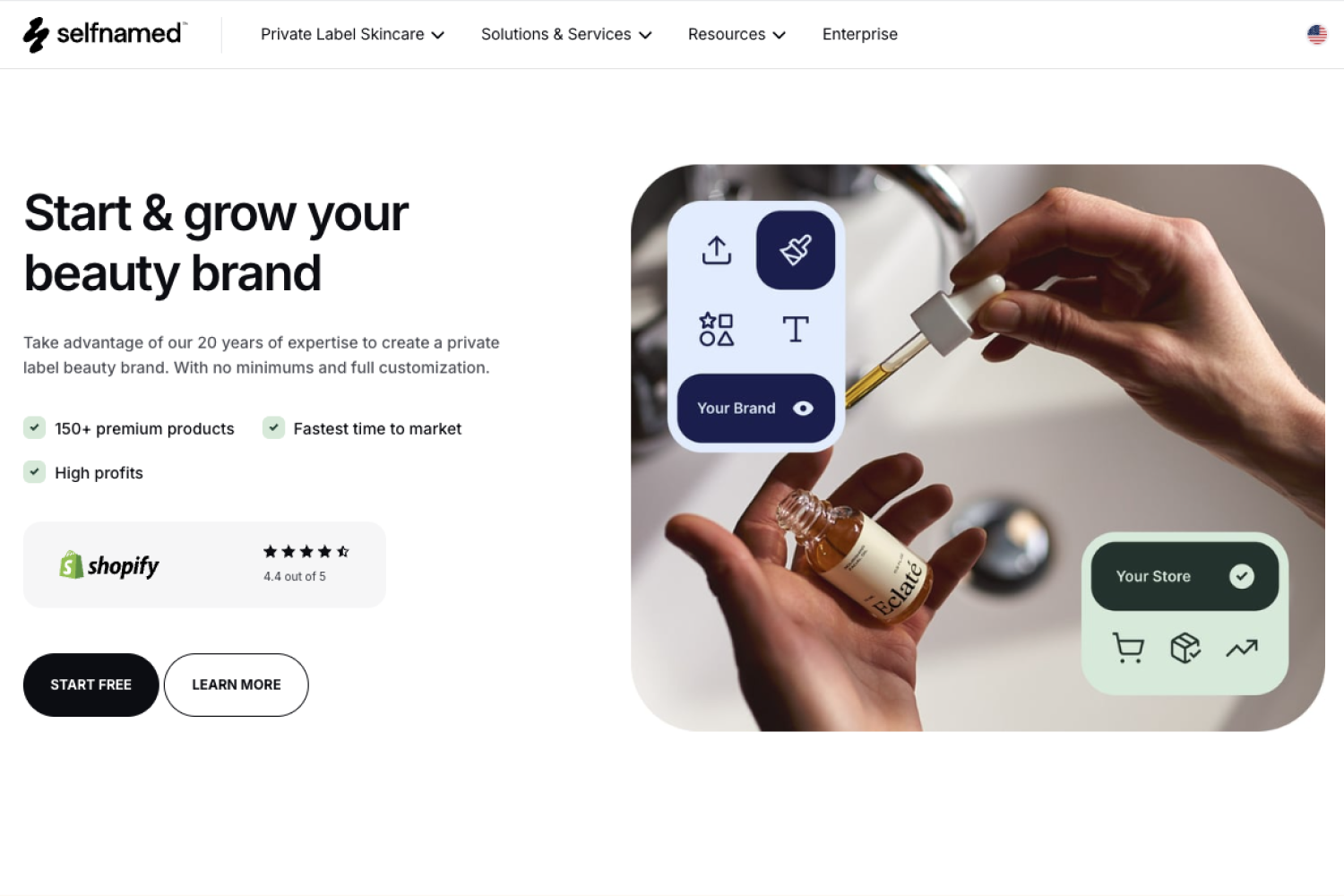
If you're looking for a straightforward way to launch a vegan skincare or makeup line, Selfnamed is one of the easiest places to start.
The platform is built for speed and simplicity, offering a catalog of 200+ ready-to-go skincare and beauty products, including many vegan options, that you can brand and launch quickly without getting stuck in lengthy product development processes.
Selfnamed is free to start, with no minimum orders and no upfront cost. When you're ready to grow, an optional Pro plan adds bulk and dropshipping discounts plus more advanced design and customization tools, with an Enterprise tier for high-volume brands.
Key strengths:
Wide range of skincare and beauty products, including many vegan serums, moisturizers, and cleansers.
Low MOQ and the ability to test products before committing to production.
Fast turnaround and simple production process.
Transparent ingredient lists and clean formulations.
Global shipping and digital-first workflow.
Free to start, Pro to grow for bulk and dropshipping discounts.
Best for: startups, indie brands, and anyone looking to launch fast without sacrificing quality.
2. Indigo Cosmetics
Indigo Cosmetics offers a more hands-on approach, making it a good option if you want more control over how your product line comes together. The company combines flexibility with solid manufacturing experience, especially within the European market.
Key strengths:
Flexible product development with custom formulations.
Experience across skincare and makeup products.
Ability to help brands customize products to their needs.
Strong knowledge of EU regulations.
Best for: brands that want more control and flexibility in product development.
3. Pravada Private Label
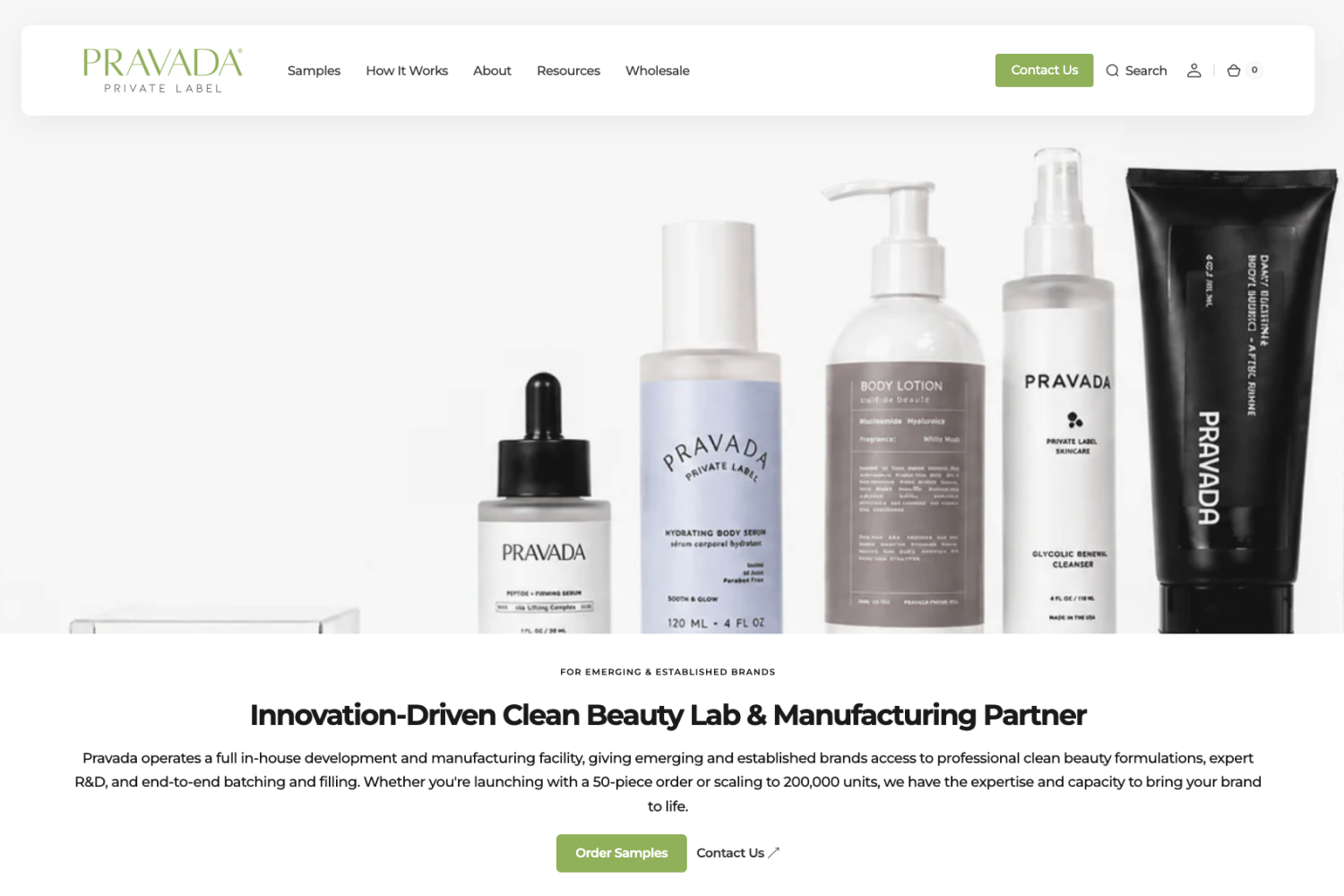
Pravada is a US-based manufacturer with a large catalog that includes everything from cleansers and moisturizers to targeted treatments. This gives brands plenty of options to build a well-rounded skincare range. Many of its products are also available in vegan formulations.
Key strengths:
Extensive range of skincare products.
Vegan-friendly options across categories.
Custom branding support.
Strong focus on natural and clean positioning.
Best for: entrepreneurs who want to launch a broad skincare line quickly.
4. Intercos Group
Intercos operates on a completely different scale. It works with some of the biggest names in beauty and is known for its strong focus on innovation. Its portfolio includes high-performance skincare and makeup formulations, as well as vegan products developed with plant-based ingredients, plant extracts, and biotechnology-led actives.
Key strengths:
Advanced research and development capabilities.
Expertise in both skincare and makeup.
Strong innovation pipeline.
Global production infrastructure.
Best for: established brands looking for high-level formulation and large-scale production.
5. Dynamic Blending
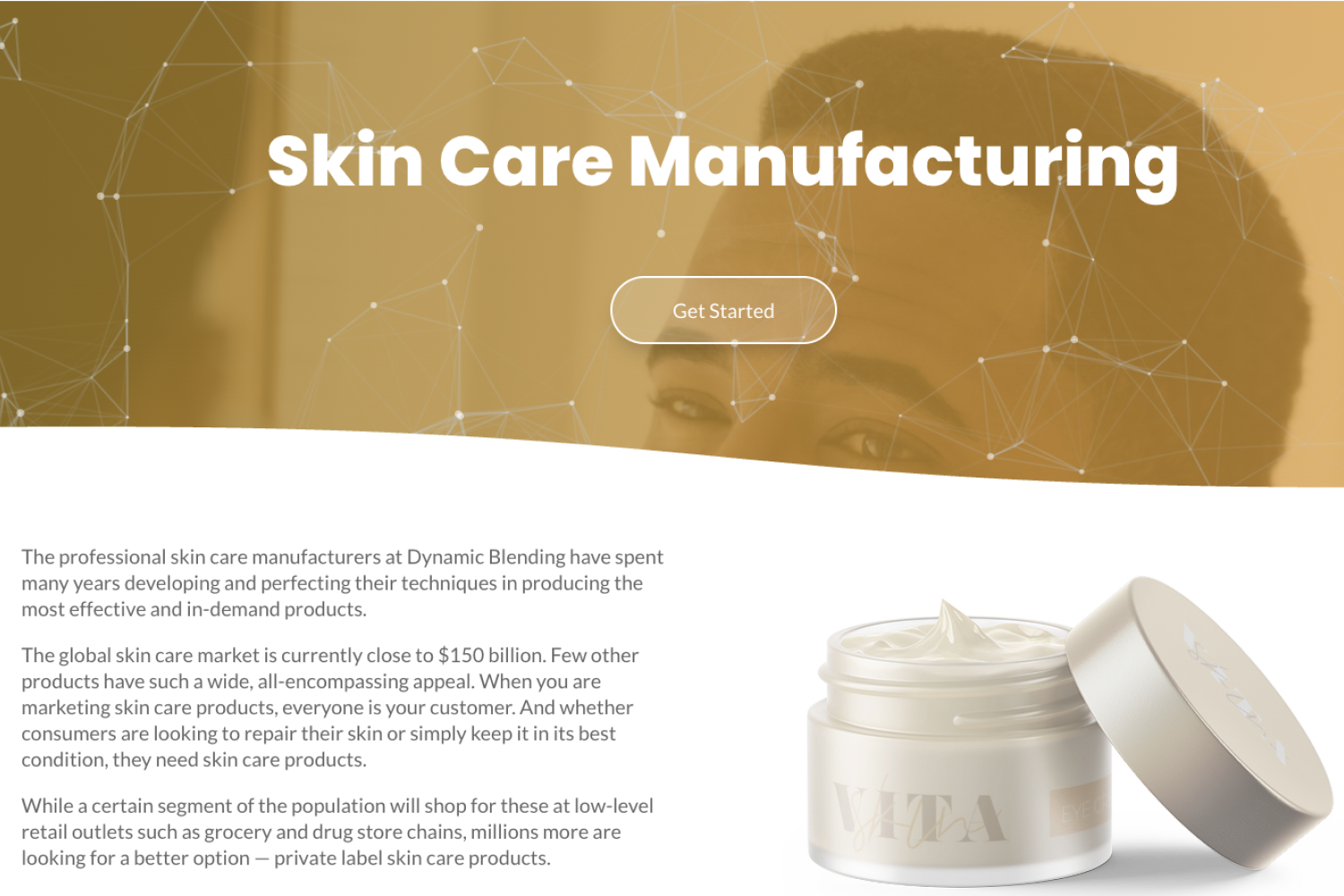
Dynamic Blending is a US-based manufacturer offering full-service support for skincare brands. The company handles everything from product development and formulation to packaging and logistics. It’s a good fit for businesses that want a more hands-off approach as they grow.
Key strengths:
End-to-end production support.
Customizable product options.
Scalable manufacturing.
Packaging and branding services.
Best for: growing brands preparing to scale operations.
6. Carasa Lab
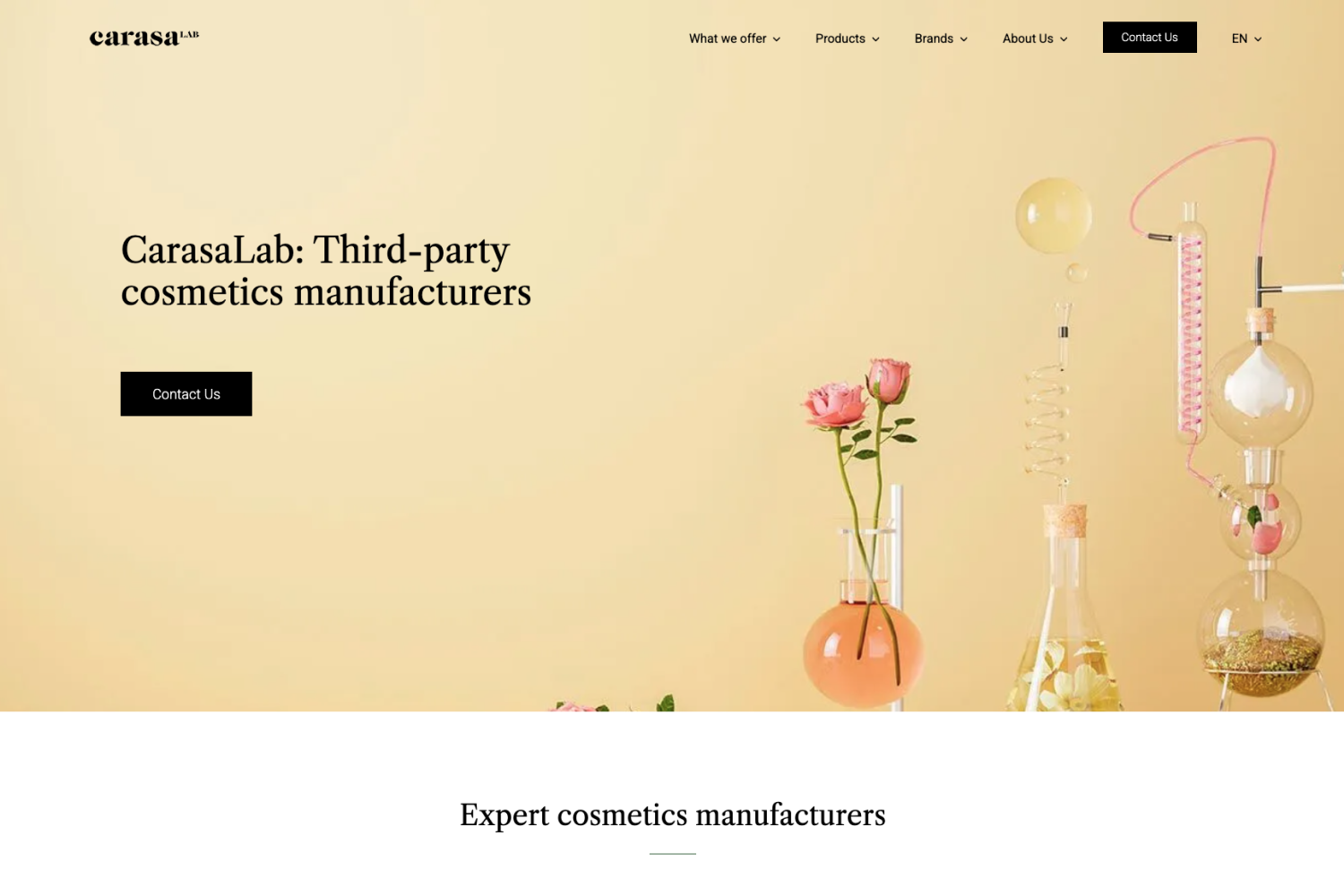
Carasa Lab takes a more boutique approach than many larger manufacturers. With a strong focus on clean beauty, smaller batch production, and detail-oriented formulations, it appeals to brands looking to create a more niche or premium vegan beauty offering.
Key strengths:
Small batch production.
Focus on clean and vegan formulations.
High attention to detail.
Flexible development approach.
Best for: niche, premium, or concept-driven brands.
7. Blanka
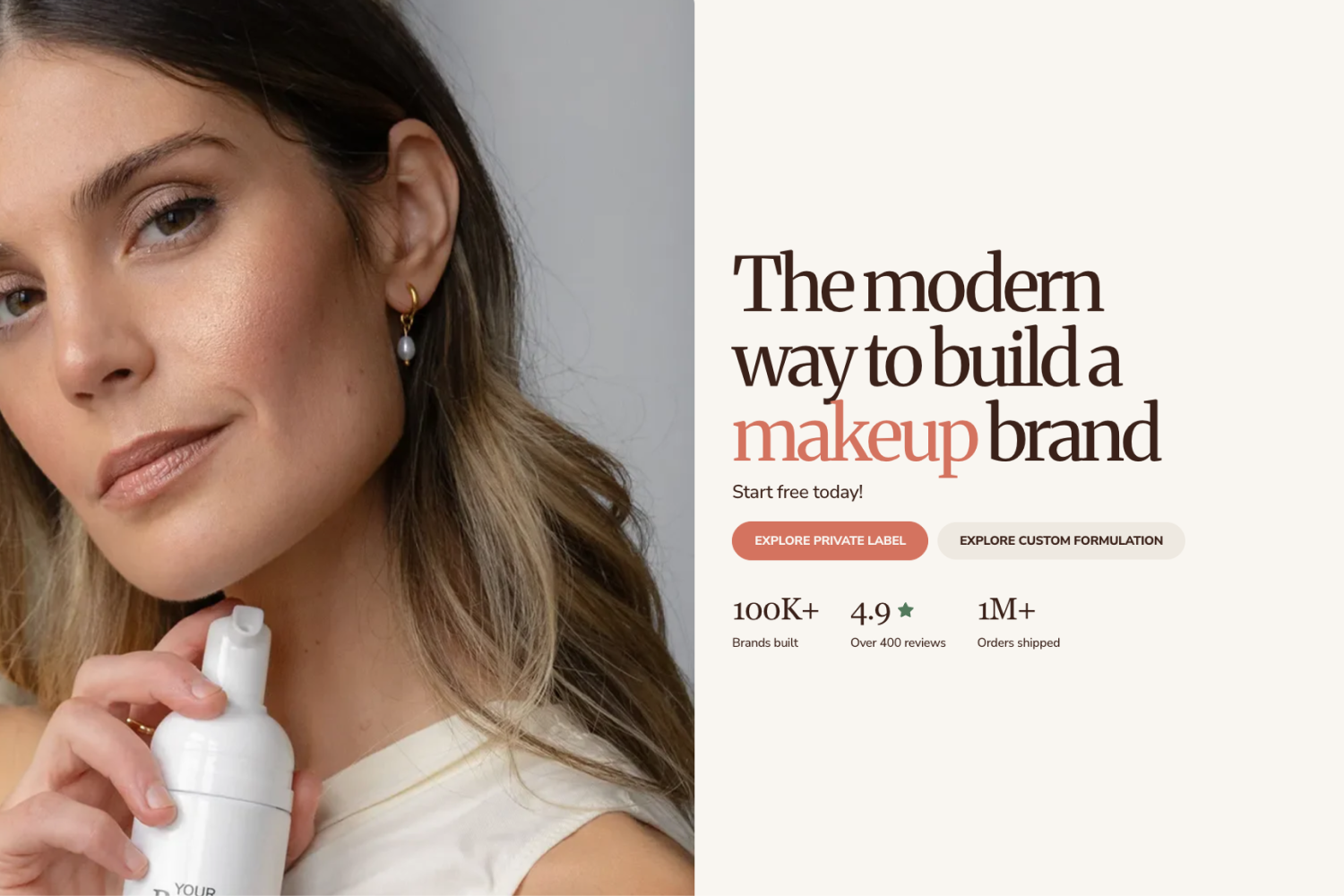
Blanka is built for speed and simplicity, making it a popular option for entrepreneurs who prefer testing an idea before going all in. Its low-commitment model allows brands to start selling skincare and makeup products without holding inventory or managing production upfront.
Key strengths:
No inventory required.
Fast setup for makeup and skincare products.
Simple ecommerce integration.
Beginner-friendly platform.
Best for: testing product ideas before committing to larger production runs.
Read more: If you’re comparing platforms, it’s worth taking a closer look at how they differ. Our Selfnamed vs Blanka comparison breaks down the key differences, identifying which option is the better fit for your business.
8. Visona
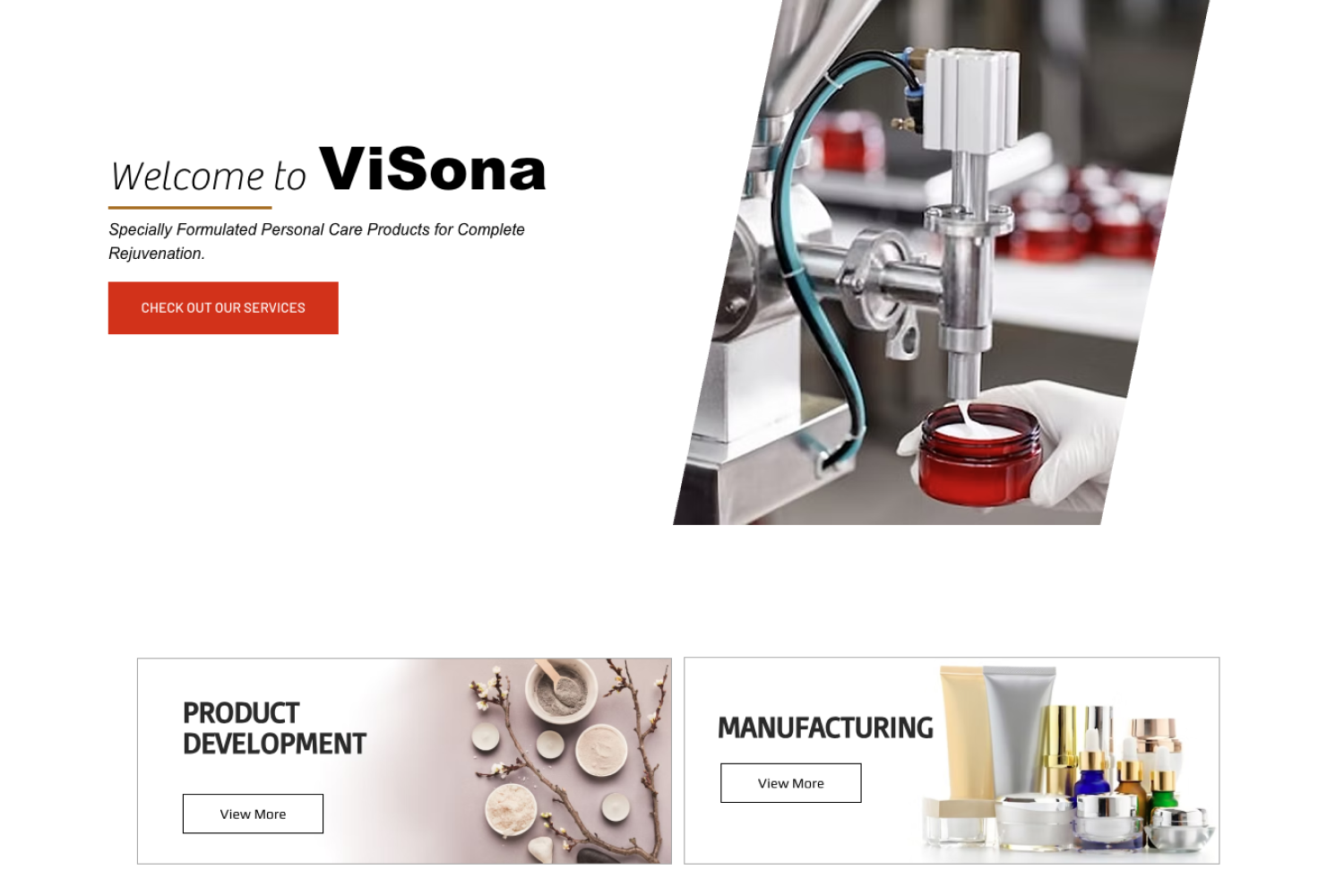
Visona is known for combining Italian formulation expertise with thoughtful packaging and design. Its focus on premium cosmetics makes it particularly appealing to brands looking to create a more elevated customer experience.
Key strengths:
High quality formulations.
Strong packaging and design capabilities.
Experience in premium beauty segments.
Reliable European manufacturing base.
Best for: brands targeting the premium or luxury segment.
Explore More Manufacturers by Region
Location can also play an important role when choosing a manufacturing partner, especially when it comes to logistics, regulations, shipping times, and market access.
If you're exploring suppliers in a specific market, our regional guides can help narrow down your options:


Final Thoughts
Choosing the right vegan private label cosmetics manufacturer isn't just about finding someone to make your products. It's about finding a partner that supports your goals, aligns with your values, and helps you build a brand customers can trust.
The right manufacturer can help you:
build trust through clean ingredients and transparent formulations;
launch faster with fewer risks;
create a product line that resonates with your target audience;
grow more confidently as your business expands.
If you're just starting out, flexibility matters. So does speed and transparency. And being able to test ideas before making bigger commitments is a whole lot better than learning costly lessons later.
With no minimum orders, ready-to-go products, and a simple process, it makes it easier to focus on building your brand instead of juggling all the moving parts on your own.
After all, you'll have enough on your plate building a beauty brand. Your manufacturing process shouldn't be one more thing to worry about.
If you'd like to learn more, contact us at Selfnamed and explore which products and solutions fit your brand best.
Frequently Asked Questions
-
Vegan private label cosmetics are ready-made formulations produced by a third-party manufacturer and sold under your own brand name, with the guarantee that no animal-derived ingredients – such as beeswax, lanolin, collagen, or carmine – are used anywhere in the formula. You own the brand. The manufacturer handles the ethical production.
-
They're related but not the same. Vegan means the product contains no animal-derived ingredients. Cruelty-free means the product wasn't tested on animals. A product can be cruelty-free and still contain animal ingredients, and vice versa. If you're building a fully ethical brand, it's worth seeking manufacturers who meet both standards.
-
The most recognized are the Vegan Society trademark and PETA's Beauty Without Bunnies certification for cruelty-free status. For organic or natural positioning, look for ECOCERT or NATRUE. If you're selling in the EU or US, also verify that the manufacturer meets CPNP, FDA (MoCRA), or UK SCPN compliance requirements.
-
MOQ stands for Minimum Order Quantity — the fewest units a manufacturer will produce in a single run, typically applied per SKU. Standard MOQs in private label skincare range from 1,000 to 3,000 units, but platforms like Selfnamed offer a zero MOQ entry point, which makes it much easier to test products before committing to a full production run.
-
Yes. Long gone are the days where vegan alternatives left a bad texture feel. Modern plant-based actives – including synthetic Hyaluronic Acid, Vitamin C derivatives, and biotechnology-led ingredients – perform on par with or better than many animal-derived alternatives. The performance gap that existed years ago has largely closed, which is a key reason the market continues to grow.
-
These labels overlap in marketing but mean different things.
Vegan = no animal ingredients.
Natural = derived from nature, but not necessarily vegan or certified.
Organic = certified sustainable farming practices.
Clean beauty = safe, transparent ingredient lists, with no standardized legal definition.
A product can be vegan and still contain synthetic preservatives or fragrances, so vegan doesn't automatically qualify as natural or organic.
Must read