How to Start an Ecommerce Beauty Brand in 2026
Table of Contents
Launching a beauty brand no longer requires retail partnerships, huge upfront investments, or large amounts of inventory. Ecommerce lets founders, salon owners, creators, and entrepreneurs launch beauty and makeup businesses faster and more efficiently than ever before.
Beauty customers now discover products through TikTok, Instagram, skincare influencers, and ecommerce websites long before they ever enter a store. In fact, recent research shows that more than half of Gen Z discover beauty products through social media, with TikTok leading as a major beauty discovery platform.
At the same time, private label skincare, dropshipping, and modern fulfillment models have made it easier to test product ideas, validate demand, and scale with lower risk. Combined with social media virality, even a single TikTok video can now sell out a cleanser overnight. No PR agency required.
But learning how to start an ecommerce beauty brand successfully takes more than launching a website and uploading products. Strong positioning, a clear brand identity, and smart ecommerce marketing are what separates growing brands from forgettable ones.
This guide breaks down the process step by step. From choosing a niche and product strategy to building your store, launching products, and growing loyal customers online.
Why Start an Ecommerce Beauty Brand in 2026?
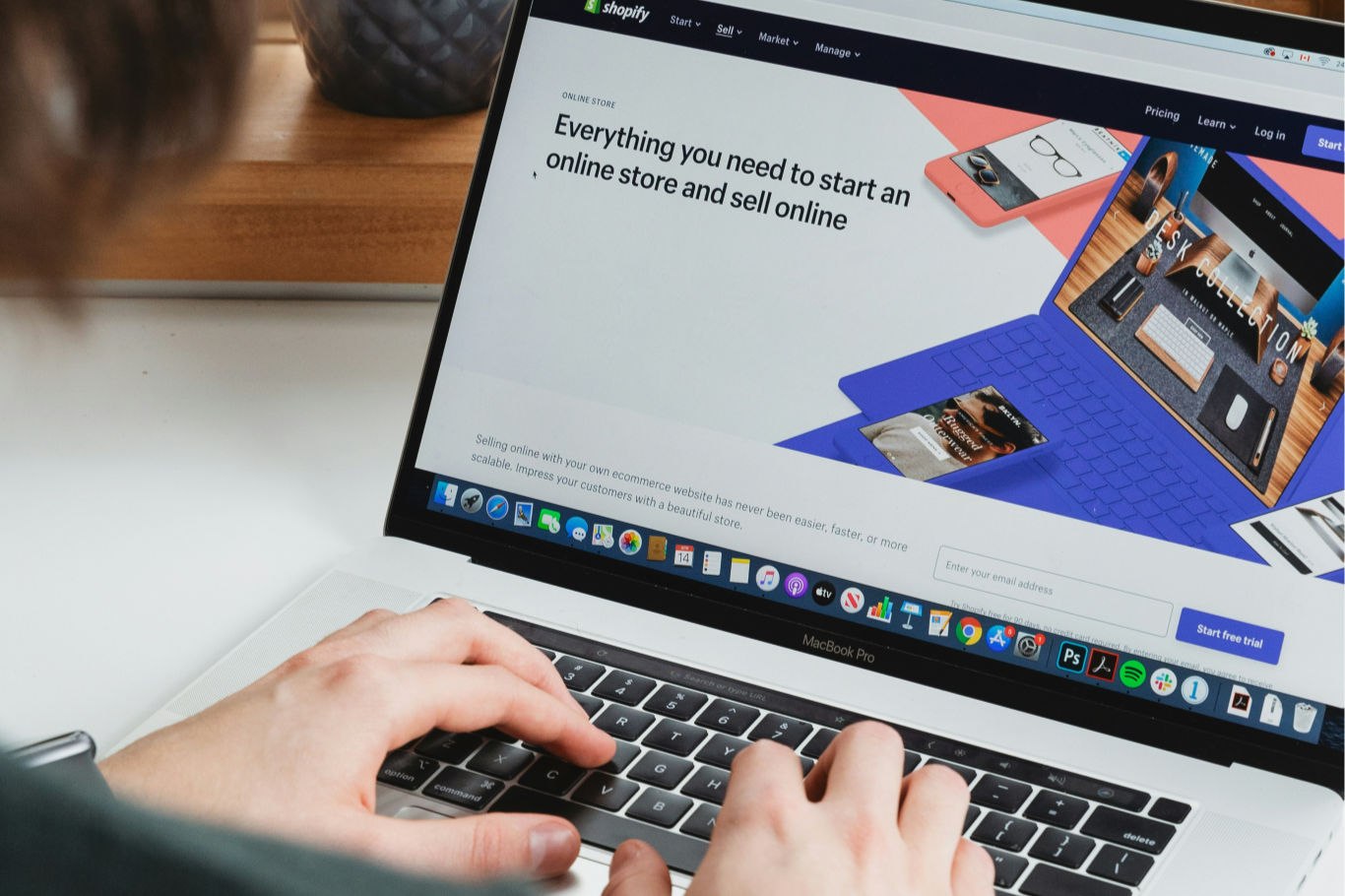
Across the personal care industry, ecommerce continues to reshape how brands are built and scaled. Beauty ecommerce continues to grow rapidly, and customer behavior is shifting alongside it. These changes are reshaping the global beauty industry, with more brands now built online-first rather than through traditional retail.
More people now discover skincare and beauty products through social media, creators, and online communities. Direct-to-consumer brands are also replacing traditional retail as a key discovery channel.
Customers also expect convenience. They want to browse products online, compare ingredients, read reviews, and buy directly from brands they trust. This has made ecommerce one of the fastest and most accessible ways to build a beauty business.
Ecommerce offers advantages that traditional retail often can’t, including:
lower startup costs;
faster launch timelines;
global reach;
direct customer relationships;
easier testing and product validation;
scalable growth opportunities.
Many successful beauty founders start online first before expanding into retail later.
Brands like Glow Recipe, Summer Fridays, and Rhode all built enormous momentum online before becoming retail staples. Their growth shows how ecommerce, creator marketing, and strong branding can scale beauty brands incredibly quickly.
Current market shifts are also changing how beauty brands approach ecommerce, customer experience, and product positioning. Our latest beauty ecommerce trends (2026) and list of top ecommerce brands highlight how digital-first beauty companies continue to reshape the industry.
Beauty is built for ecommerce.
The products are visual, personal, and easy to share online. For anyone learning how to start an ecommerce brand, few industries combine repeat purchases, community building, and content-driven marketing as naturally as beauty does.
Step 1 – Define Your Niche and Target Audience
One of the biggest mistakes new founders make is trying to appeal to everyone. “Beauty brand” is far too broad to compete effectively online.
Successful ecommerce beauty brands usually focus on a specific audience, concern, or lifestyle first – in short, they focus on a specific niche market. Clear positioning helps customers immediately understand who the products are for and why they should care.
Some common beauty niches include:
acne-prone skin;
sensitive skin;
clean beauty;
men’s grooming;
anti-aging skincare;
minimalist skincare routines;
salon-grade haircare;
vegan or cruelty-free beauty;
wellness-focused beauty products.
Some of the fastest-growing niches online today are driven almost entirely by internet culture. Think “glass skin,” minimalist routines, barrier repair, skin cycling, or even the “clean girl aesthetic” that pushed certain products viral on TikTok.
The goal is not just to choose a category, but to understand the customer behind it. What problems are they trying to solve? What kind of products do they already use? What frustrates them about existing brands?
The better you understand your audience, the easier it becomes to develop product ideas, messaging, and marketing that resonate online.
Validation matters too. Before investing heavily, market research should focus on understanding demand and customer behavior.
Spend time researching:
TikTok and Instagram conversations;
Reddit discussions;
Amazon reviews;
Google Trends;
competitor positioning;
product reviews in your niche.
This research helps identify gaps in the market and gives insight into how customers actually talk about their beauty concerns.
Strong ecommerce beauty brands are rarely built around products alone. They’re built around understanding a very specific customer and consistently solving a very specific problem. This is also where the foundation of your business plan starts to take shape.
Step 2 – Choose Your Product Strategy
Once you understand your niche, the next step is deciding how you’ll create and sell products.
For ecommerce founders, speed, flexibility, and manageable upfront costs are especially important. That’s why many new beauty entrepreneurs choose private label or dropshipping models instead of building custom formulations from scratch immediately.
Private Label vs White Label
Private label skincare allows brands to customize skincare products, packaging, and branding while working with existing (or semi-customizable) formulations. That means a founder can build a recognizable brand identity without developing products entirely from scratch.
For example, two brands might both sell a niacinamide serum, but use different packaging, positioning, target audiences, and marketing angles to make the product feel completely different online.
White label products, on the other hand, are usually more standardized and offer less flexibility. Products are often sold with minimal customization, which makes launching faster. But can also make it harder for ecommerce brands to stand out in a crowded market.
For ecommerce beauty brands, private label often provides the best balance between speed, flexibility, and differentiation. It helps founders launch relatively quickly while still creating a brand that feels distinct and tailored to a specific audience.
If you’re comparing the two approaches, private label vs white label breaks down the differences in more detail.

Bulk Inventory vs Dropshipping
Another major decision is fulfillment.
Bulk ordering gives brands more control over packaging, shipping, and margins. But requires inventory management and higher upfront investment.
Dropshipping lowers operational complexity by allowing products to ship directly from the supplier to the customer. This can be especially useful for:
first-time founders;
creators testing demand;
salon owners launching ecommerce stores;
businesses with limited startup capital.
The trade-offs between these approaches are explored further in bulk vs dropshipping.
Why Many Ecommerce Beauty Brands Start with Private Label
Private label skincare has become one of the fastest ways to launch an ecommerce beauty brand. Why? It reduces development time while still allowing brands to create a distinct identity.
Many founders choose this route because it offers:
lower minimum order quantities;
faster launch timelines;
professionally developed formulations;
flexibility in branding and packaging;
easier scalability.
For entrepreneurs wanting a deeper look at the process, this article about how to start your own skincare line provides additional guidance.


Step 3 – Build Your Brand (Not Just Products)
Products matter, but strong brand identity is often what determines whether customers remember you online.
In ecommerce, customers can’t physically test products before buying. That means your brand needs to communicate trust, quality, and positioning quickly.
Your brand identity and brand concept include:
your visual style;
packaging;
website design;
tone of voice;
product naming;
messaging;
photography;
social media presence;
your brand’s personality.
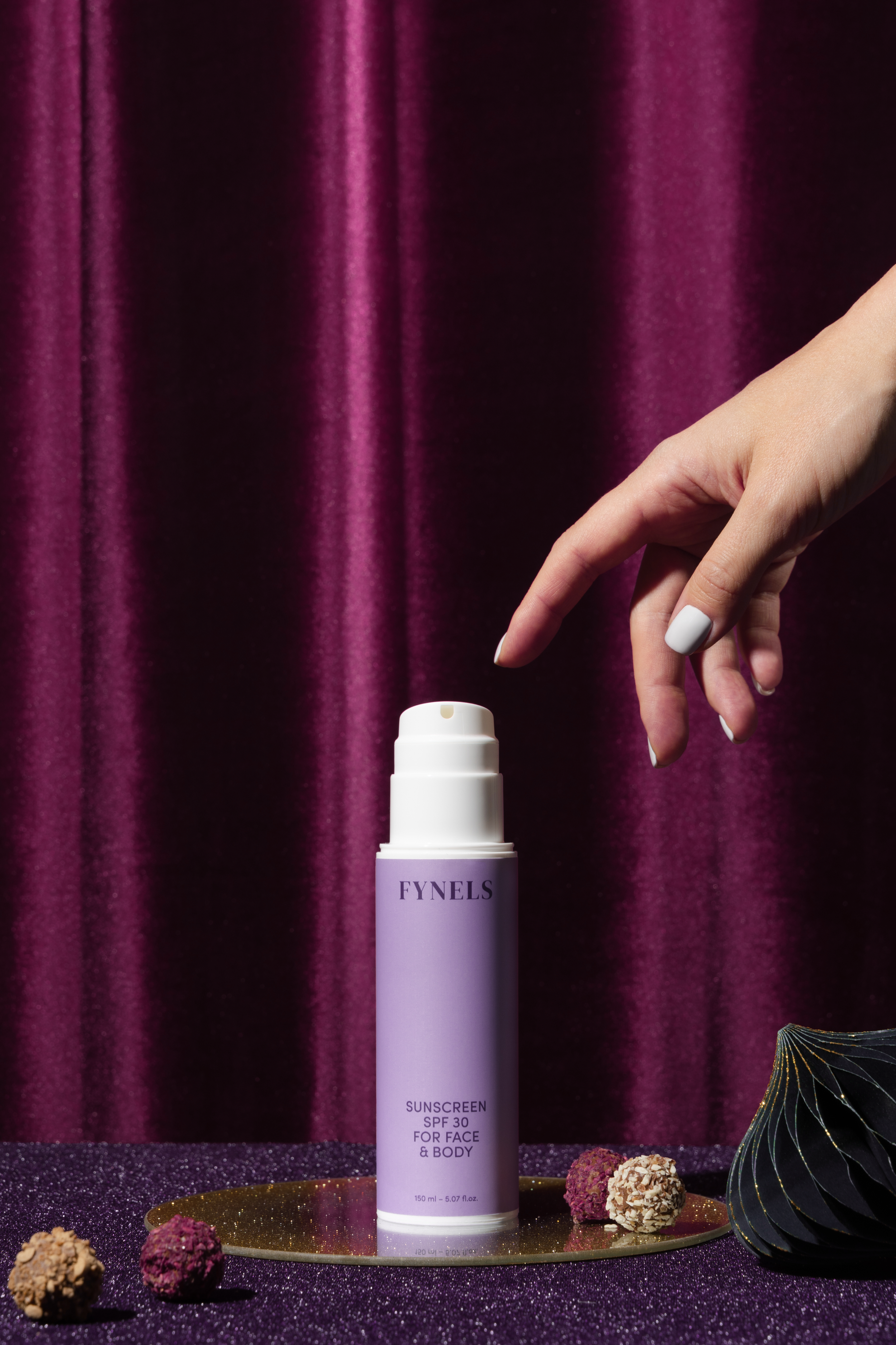

The strongest beauty brands create consistency across all of these touchpoints.
Just as importantly, your messaging needs to explain:
who the products are for;
what problems they solve;
why your brand is different;
why customers should trust you.
Many founders overcomplicate this stage. In reality, clear positioning is usually more effective than trying to sound luxurious or overly technical.
There are also many misconceptions about launching beauty brands online. Some founders assume they need huge budgets, celebrity influencers, or dozens of products to succeed. In reality, many ecommerce beauty brands grow by starting small and building strategically.
Beauty business myths explore some of the most common misunderstandings that prevent founders from launching.
Step 4 – Set Up Your Ecommerce Store
This is where ecommerce beauty brands truly separate themselves from traditional beauty businesses.
Your website will be your storefront, sales team, customer service experience, and brand presentation - all in one tab open on someone’s phone at 1am. Your ecommerce store is the main place where customers browse and purchase cosmetic products.
It needs to deliver a seamless user experience from first click to checkout. In ecommerce, beauty customers make decisions quickly, often within seconds of landing on a page.
The platform you choose matters because it affects:
store customization;
checkout experience;
SEO capabilities;
integrations;
scalability;
ease of management.
It can also influence the shipping process, fulfillment setup, and overall customer experience. In beauty ecommerce, visual appeal is a key factor, as customers often decide within seconds whether a brand feels trustworthy and relevant.
Choosing an Ecommerce Platform

Most beauty founders typically compare:
Shopify;
WooCommerce;
Squarespace;
Wix.
Shopify is often preferred for ease of use and scalability. WooCommerce offers greater flexibility for more technical users. Squarespace is popular among smaller brands focused heavily on design simplicity.
If you’re deciding between platforms, WooCommerce vs Shopify vs Squarespace vs Wix provides a useful breakdown.
Ecommerce Conversion Basics
A beautiful website alone is not enough. Your store also needs to convert visitors into customers.
Some essentials include:
clear navigation;
fast loading speeds;
mobile optimization;
professional product photography;
ingredient transparency;
customer reviews;
trust signals;
simple checkout flow;
clear product benefits.
Beauty ecommerce customers often make decisions quickly based on trust and clarity. Confusing layouts, vague messaging, or poor product descriptions can hurt conversions significantly.
Step 5 – Create High-Converting Product Pages
Product pages are one of the most important parts of an ecommerce beauty brand.
Online customers cannot physically touch, smell, or test products. Your product pages need to answer questions before customers ask them. That’s where detailed product descriptions do the heavy lifting.
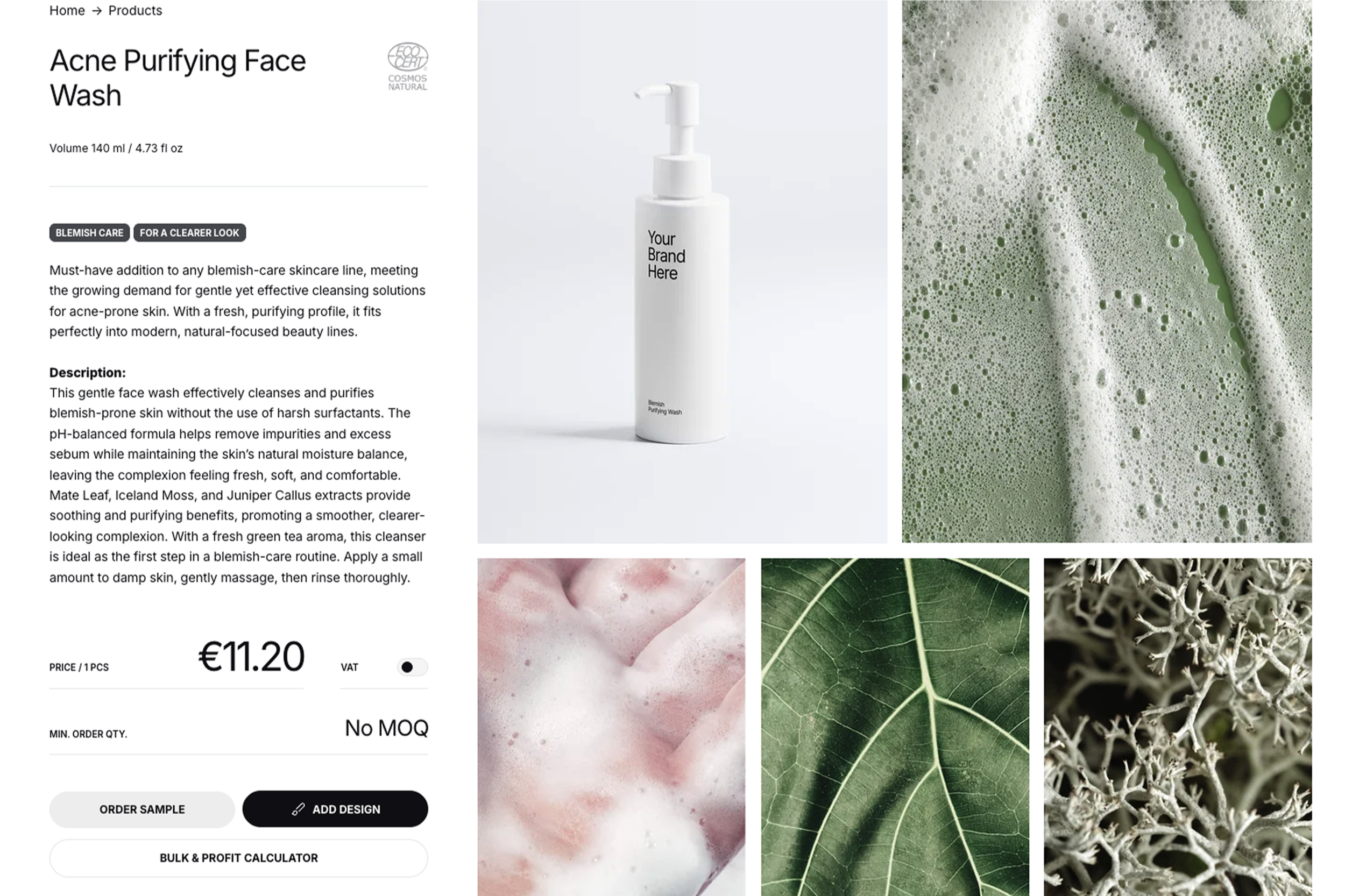
One of the most important things to clarify early is which skin type the product is designed for. Whether it’s oily, dry, combination, sensitive, or acne-prone skin.
Strong beauty product pages usually include:
clear product benefits;
ingredient explanations;
usage instructions;
texture descriptions;
lifestyle imagery;
close-up product shots;
before-and-after visuals;
customer reviews;
FAQs.
Clarity matters more than sounding overly scientific. Instead of listing ingredients without explanation, explain what they actually do:
hydration;
calming redness;
supporting the skin barrier;
improving texture;
reducing breakouts.
Visuals also play a huge role in ecommerce beauty sales. Many successful brands rely heavily on:
user-generated content;
creator videos;
tutorials;
skincare routine demonstrations;
realistic product photography.
Customers want to imagine how products fit into their own routines and lifestyles.
That’s why beauty brands now rely heavily on “bathroom shelf” aesthetics, Get Ready With Me videos, texture shots, and realistic skincare routines instead of overly polished campaign photography.
Step 6 – Launch Your Ecommerce Beauty Brand
Launching does not have to mean releasing dozens of products all at once. Many successful ecommerce beauty brands begin with:
one hero product;
a small curated routine;
a limited product collection.
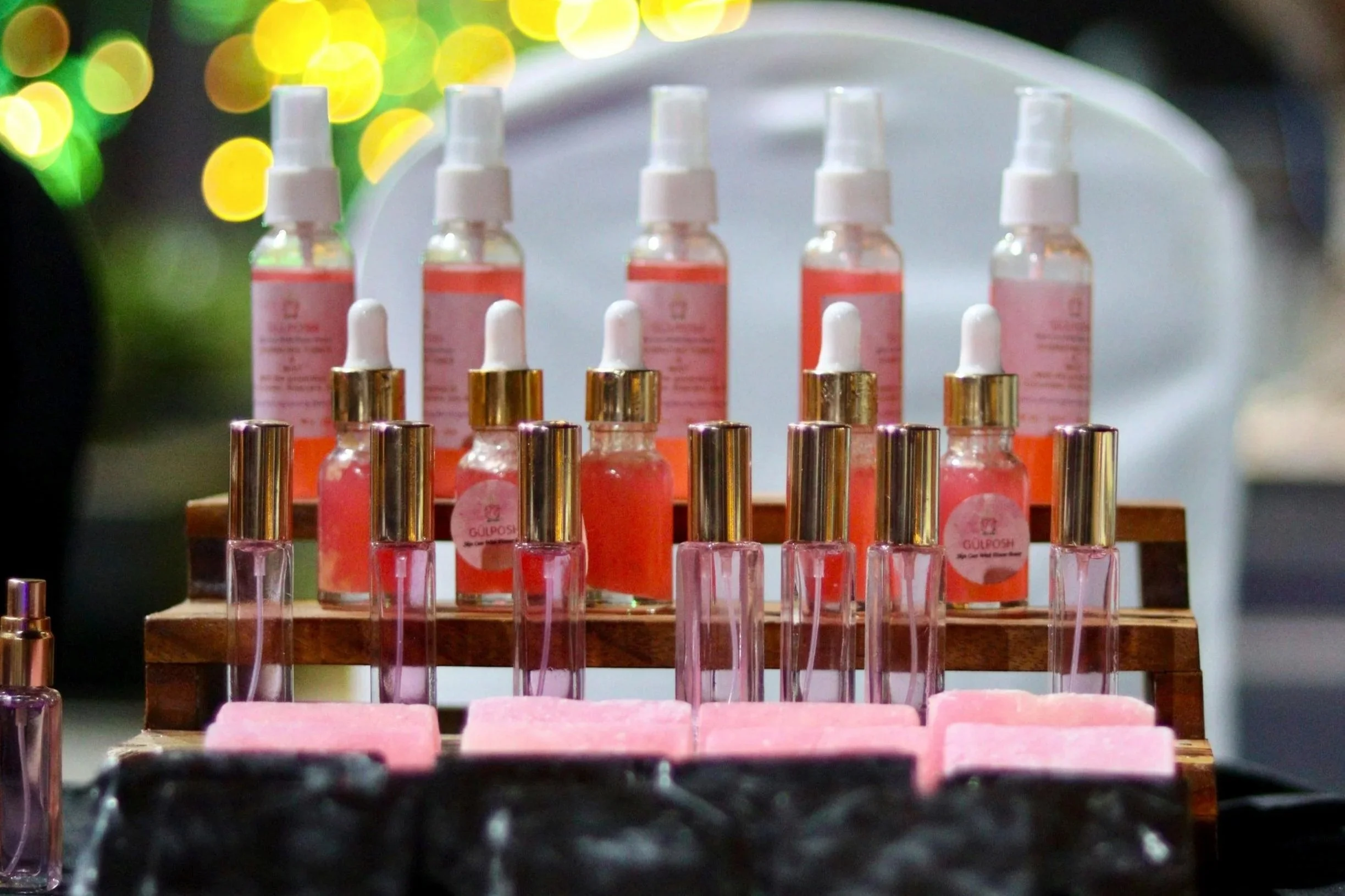
The goal is to validate demand before expanding.
Build Anticipation Before Launch
Pre-launch marketing is often overlooked, but it can make a major difference.
Some effective strategies include:
waitlists;
email signups;
teaser campaigns;
founder storytelling;
behind-the-scenes content;
early-access launches.
Building an audience before launch helps create momentum once products become available.
Influencer and Creator Seeding
Social proof matters enormously in beauty ecommerce. And beauty influencers play a major role in shaping early product discovery through influencer marketing.
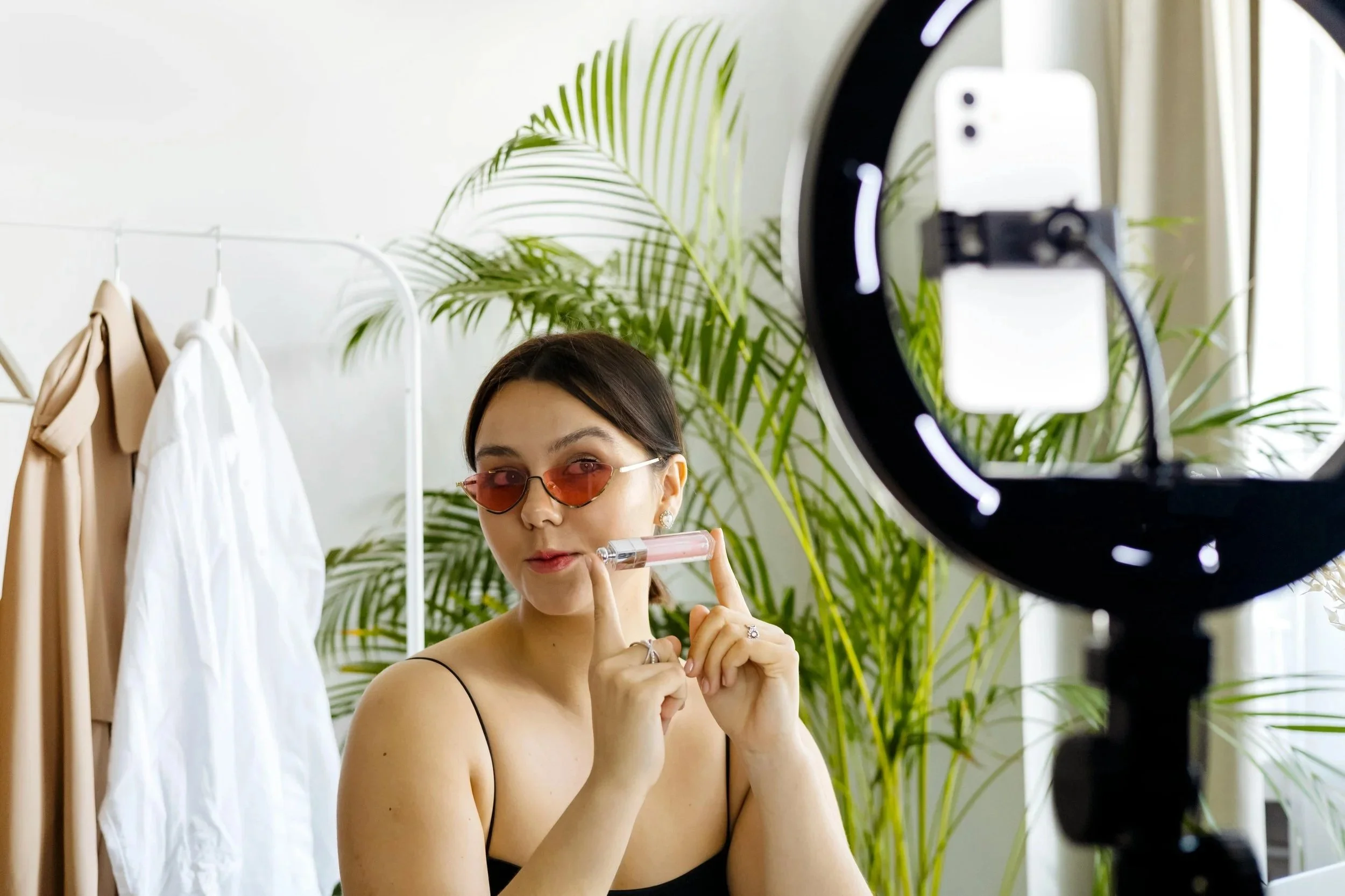
Many newer brands grow through:
micro-influencer partnerships;
creator collaborations;
product gifting;
UGC campaigns;
TikTok skincare creators.
Creators help potential customers see products in real routines and on real skin. Influencer collaborations, UGC, and paid ads all help attract new customers during the launch phase.
If you already have an audience online, influencer-led beauty brands can scale especially quickly. Start a skincare brand as an influencer with our extensive guide.
Email Marketing Still Matters
While social media gets attention, email marketing remains one of the highest-converting channels for ecommerce brands.
Strong email flows can help:
recover abandoned carts;
drive repeat purchases;
educate customers;
increase customer lifetime value;
build stronger relationships.
This guide about skincare email marketing explains how beauty brands can approach email marketing effectively.
Paid Advertising
Paid ads can accelerate growth, but they work best after:

positioning is clear;
messaging is refined;
product pages convert well;
organic content already performs reasonably well.
For many ecommerce beauty brands, TikTok and Meta ads remain two of the most widely used customer acquisition channels. Especially for product discovery, influencer-driven campaigns, and direct-to-consumer growth.
Step 7 – Marketing Your Ecommerce Beauty Brand
Learning how to start an ecommerce beauty brand is only part of the process. Sustainable growth comes from marketing across multiple channels and customer retention.
Social Media Marketing
Beauty is naturally visual, which makes platforms like TikTok and Instagram extremely important.
Successful beauty brands usually focus less on polished advertising and more on:
content marketing;
relatable routines;
education;
creator partnerships;
before-and-after content;
ingredient explanations;
authentic storytelling.
Alongside social media and paid campaigns, many brands also build long-term visibility through organic traffic from search engines. They do this using SEO-driven content and search-optimized product pages.
Customers want transparency and realism more than overly perfect branding.
UGC and Community Building
User-generated content often outperforms traditional advertising because it feels more authentic and relatable. Research shows customers are far more likely to trust UGC than branded ads, with significantly higher engagement and conversion rates across ecommerce and beauty.
This encourages customers to:
post routines;
share reviews;
tag products;
create tutorials;
Brands like Rhode, Starface, and Bubble have built massive online visibility partly through UGC-heavy marketing strategies. Instead of polished luxury campaigns, they lean into creator routines, casual bathroom selfies, unfiltered reviews, and relatable skincare content that feels native to TikTok and Instagram.
It’s not polished. It’s not perfect. And that’s exactly why it works.
Community-driven ecommerce brands also tend to retain customers more effectively over time.
Customer Retention
Acquiring customers is expensive. Building customer loyalty is what turns first-time buyers into loyal customers and makes ecommerce brands profitable in the long run.
Retention strategies include:
loyalty programs;
email flows;
subscription models;
personalized recommendations;
reminders based on past purchases;
consistent product education.
The strongest beauty brands turn first-time buyers into loyal customers who continue using their routines long term.
Final Thoughts
Starting an ecommerce beauty brand is far more accessible than it used to be. Founders no longer need retail partnerships or massive inventories to launch successfully.
But ecommerce beauty is also highly competitive. Success usually comes from combining strong positioning, clear branding, effective products, and smart digital marketing. The fastest route isn’t always the best, and sacrificing quality can hurt long-term brand growth.
Building an online business in beauty offers unmatched flexibility. You can start lean, validate demand, build an audience gradually, and scale over time.
The internet does not need another generic serum in a beige bottle. The brands that grow are usually the ones that understand a specific audience, solve a specific problem, and communicate it in a way that actually feels human online.
The beauty brands that stand out online are rarely the ones trying to appeal to everyone. They’re the ones that understand exactly who they’re for and communicate that clearly across every part of the customer experience.
Frequently Asked Questions
-
Many founders start with no previous beauty industry experience. Using private label skincare suppliers, dropshipping models, and ecommerce platforms makes it possible to launch without developing products from scratch. The most important skills are understanding your audience, building strong branding, and learning ecommerce marketing fundamentals.
-
Shopify is one of the most popular options because it’s beginner-friendly and scalable. WooCommerce offers more customization for advanced users, while Squarespace works well for smaller design-focused brands. WooCommerce vs Shopify vs Squarespace vs Wix compares these platforms in more detail.
-
Timelines vary depending on your product strategy, branding, and website setup. Many ecommerce beauty brands using private label products can launch within a few weeks to a few months.
-
Yes. Private label skincare is often one of the fastest and most flexible ways to launch an ecommerce beauty brand because it allows founders to focus on branding, ecommerce, and customer acquisition without managing complex product development from scratch.
Must read