Sunscreen Trends 2026: What Brands Should Know

Table of Contents
Sunscreen is no longer just a summer product people throw into a beach bag once a year. SPF has officially entered the “main character skincare” era, becoming part of daily routines alongside serums, moisturizers, and barrier-repair products.
That shift is creating major opportunities for beauty brands. From tinted SPF products and hybrid formulas to portable application formats. This category is evolving rapidly while customers become more informed and selective about texture, finish, and wearability.
The brands that succeed in 2026 won't simply sell sunscreen. They’ll position SPF as part of modern skincare, education, and everyday routines.
This article explores the biggest sunscreen trends shaping 2026, why they matter commercially, and how beauty brands can successfully build, position, and market SPF products.
Key Takeaways
Sunscreen is becoming a daily skincare essential, not just a seasonal product.
Demand is rising for mineral, hybrid, and tinted SPF formulas with better textures and usability.
SPF marketing is shifting to education-first, creator-led content.
Customers are more ingredient-aware and selective than ever.
Sunscreen offers strong potential for long-term, repeat-purchase beauty brands.
Sunscreen and Sun Care Trends for 2026
The sunscreen category is evolving faster than almost any other segment in skincare, and the latest trends suggest that momentum isn't slowing.
Rising year-round usage, increasing awareness of UV rays and sun damage, and strong market growth across the global suncare market are all reshaping which SPF products customers buy. And that reflects how beauty brands position and market them.
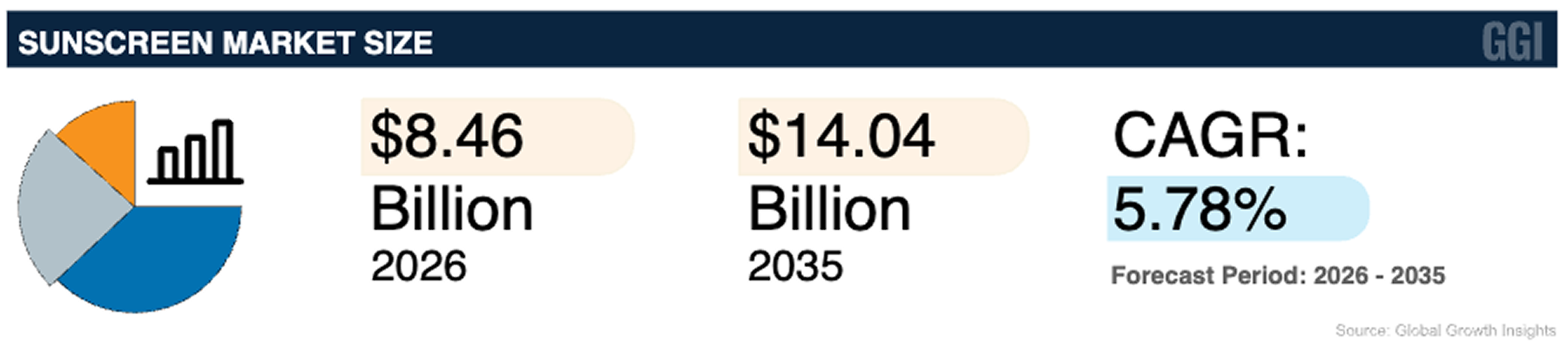
From mineral sunscreens to multi-functional SPF products, here's what's driving the category forward in 2026.
1. “Wear Sunscreen”: The Shift to Daily SPF Use
Skincare TikTok has essentially turned "wear sunscreen" into the new "drink water". That cultural shift is changing everything about how SPF products are marketed.
Daily SPF use is no longer reserved for beach days or summer months. Customers increasingly treat sunscreen as the final step in their morning skincare routine, motivated by a clearer understanding of the long-term harmful effects of unprotected sun exposure: skin damage, premature aging, hyperpigmentation, and skin cancer risk.
Board-certified dermatologists like Dr. Shereene Idriss and Dr. Muneeb Shah have helped bring SPF education into mainstream content, making UV protection feel less like a seasonal precaution and more like foundational skin health.

That shift in framing matters. Modern SPF branding is moving away from fear-based sun exposure messaging toward something more proactive, emphasizing:
anti-aging prevention;
barrier protection;
hyperpigmentation management;
daily environmental protection, including UV light (and, increasingly, blue light).
Customers actively search for "broad spectrum sunscreen," a term indicating protection against both UVA and UVB rays linked to sun damage, and they want formulas that fit seamlessly into existing routines: lightweight, non-comedogenic, fragrance-free, and compatible under makeup.
For beauty brands, this is a significant positioning opportunity.
SPF products are no longer standalone seasonal items. They're skincare essentials with strong potential for customer retention and repeat purchases.
Educational content definitely helps. Customers actively search for guidance around SPF usage, layering, and reapplication habits. Our article on daily sunscreen routines helps reinforce why sunscreen is increasingly viewed as a year-round skincare essential.
2. Rise of Mineral and Hybrid Formulas
Mineral sunscreen trends continue gaining momentum as customers become more selective about what goes on their skin. Particularly those with sensitive skin, acne-prone skin, or concerns about chemical filters.
Customers are paying closer attention to:
ingredient transparency;
skin sensitivity;
acne compatibility;
fragrance levels;
perceived formula safety;
skin barrier health;
SPF testing standards and how protection claims are validated.
As a result, mineral sunscreens are becoming pretty popular among those looking for gentler or more skin-friendly options, especially for high-risk skin types or sensitive skin concerns.
Historically, mineral and physical sunscreens carried a reputation for heavy textures and visible white cast. But modern sunscreen formulations have largely addressed those limitations.
Brands like Supergoop!, La Roche-Posay, and Beauty of Joseon helped push modern sunscreen formulas toward lighter textures, invisible finishes, and more skincare-focused positioning. While newer innovations in iron oxides and tinted mineral options have made broad spectrum SPF more wearable across every skin tone.
Hybrid SPF products, which combine mineral and chemical UV filters, are also becoming more common. These formulas aim to balance cosmetic elegance with broad-spectrum protection. They appeal to customers who want lightweight textures without completely abandoning mineral ingredients.
For beauty entrepreneurs, this creates room for differentiation.
Instead of competing purely on SPF numbers, brands can position products around:
sensitive skin;
invisible finishes;
lightweight textures;
makeup compatibility;
skincare-focused formulations.
Ingredient education has also become part of the journey. Many shoppers actively compare mineral and chemical sunscreens before purchasing.
Our article about mineral sunscreen vs chemical sunscreen expands on formulation differences, SPF buyer traffic, and trust-building for brands. In 2026, SPF education is increasingly tied to conversion.


3. Tinted SPF and Multi-Functional Products Are Growing Fast
The "your skin but better" makeup trend has supercharged one of the fastest-growing segments in the sunscreen market: tinted SPF products that blend sun protection, skincare, and light coverage into a single step.
Products like Saie Slip Tint – a skin tint with built-in SPF that went viral across TikTok and Instagram – are a perfect example of how quickly the line between sunscreen and makeup is blurring.
This is closely tied to the broader skinification of beauty, where customers want fewer products doing more work. That growing demand has accelerated interest in:
Tinted sunscreens and SPF skin tints
Moisturizer-SPF hybrids
Serum-SPF combinations
Complexion-focused sunscreen products with glow-enhancing finishes
For beauty brands, multi-functional SPF products carry strong commercial advantages beyond trend alignment. They encourage everyday use, integrate naturally into makeup routines, and increase the likelihood of consistent reapplication — which is ultimately what makes UV protection effective.
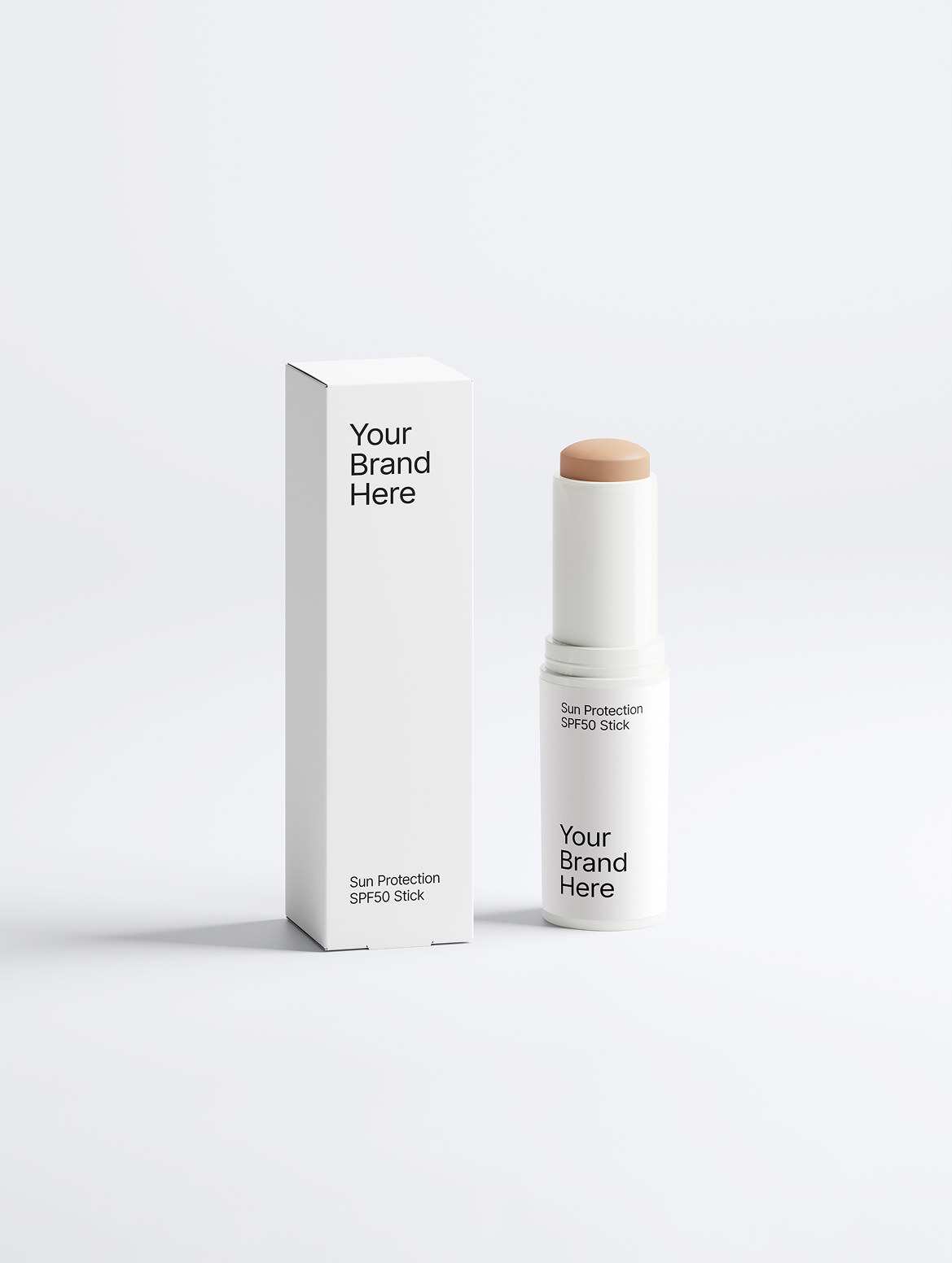
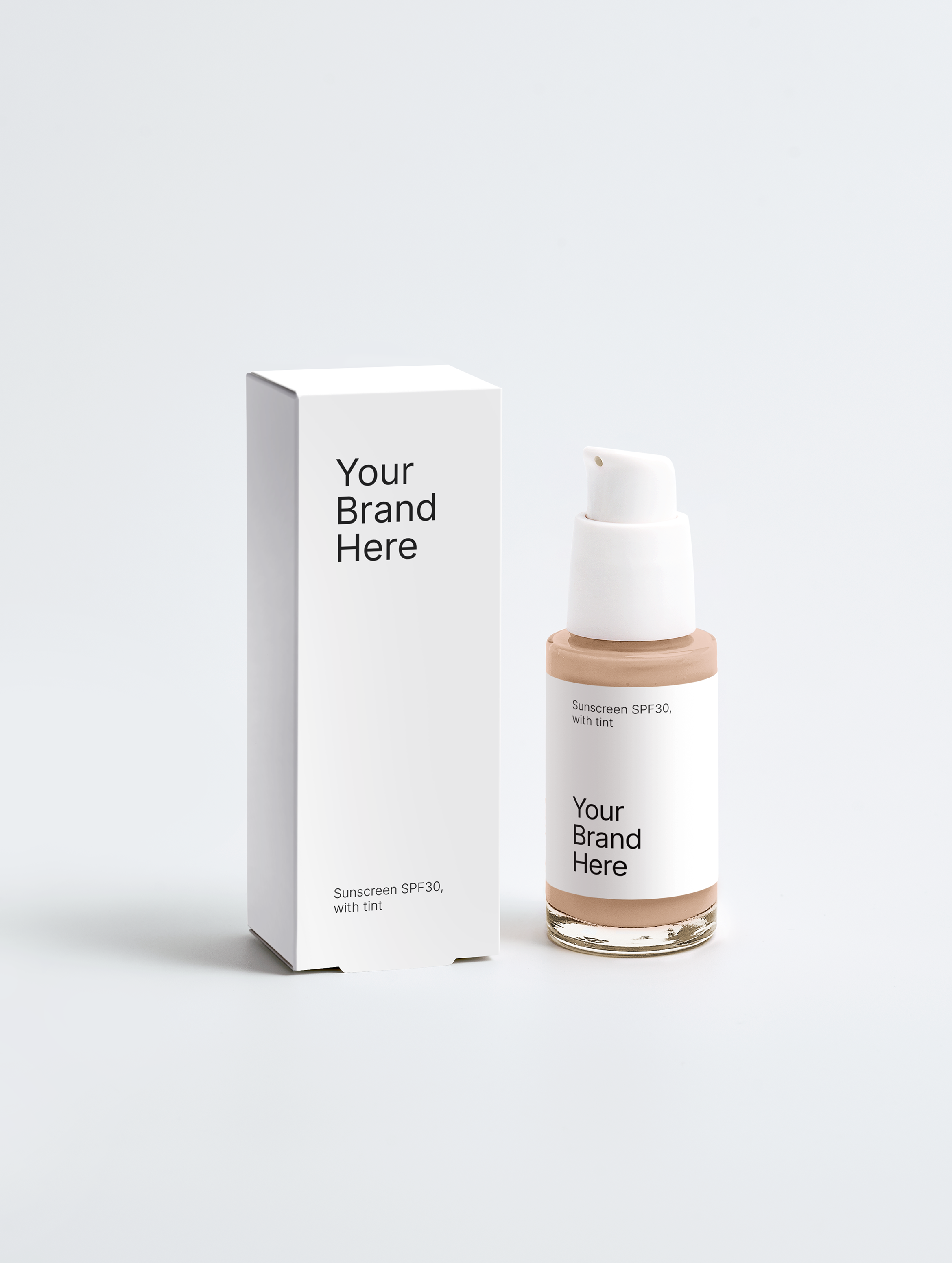
Products like SPF50 tint sticks and SPF30 tinted sunscreens reflect how SPF is becoming a hybrid beauty essential rather than traditional sunscreen alone.
4. SPF Innovation is Expanding Beyond Traditional Creams
Format innovation is reshaping suncare market trends, driven largely by when and how people now apply sunscreen.
Modern customers don't just apply SPF in the morning. They reapply between errands, at the gym, over makeup, while traveling, and throughout the workday.
That behavioral shift has turned reapplication convenience into a genuine differentiator, giving rise to a new generation of portable formats:
Sunscreen sticks
Powder sunscreens
SPF mists and spray touch-ups
Cushion SPF
TikTok creators have normalized the midday SPF refresh as part of a real skincare routine. Sticks and powders have become the format of choice because they work over makeup without disrupting it.
The Shiseido Clear Sunscreen Stick SPF 50+, Supergoop! Glow Stick SPF 50, La Roche-Posay Anthelios Stick SPF 50+, and Beauty of Joseon Matte Sun Stick SPF50+ are among the most recommended in the category.
For brands, portable formats offer strong content and commerce opportunities. A sunscreen stick isn't just skincare packaging. It's product design built for social media. And in ecommerce beauty, that distinction matters.
5. Transparency and Ingredient Awareness are Reshaping SPF Marketing
Brands can’t rely on vague marketing language or generic “clean beauty” positioning.
Modern customers research:
UV filters;
fragrance content;
alcohol levels;
reef-safe positioning;
sensitive skin compatibility;
eco-friendly packaging;
environmental impact;
fragrance-free formulations;
organic sunscreen alternatives.
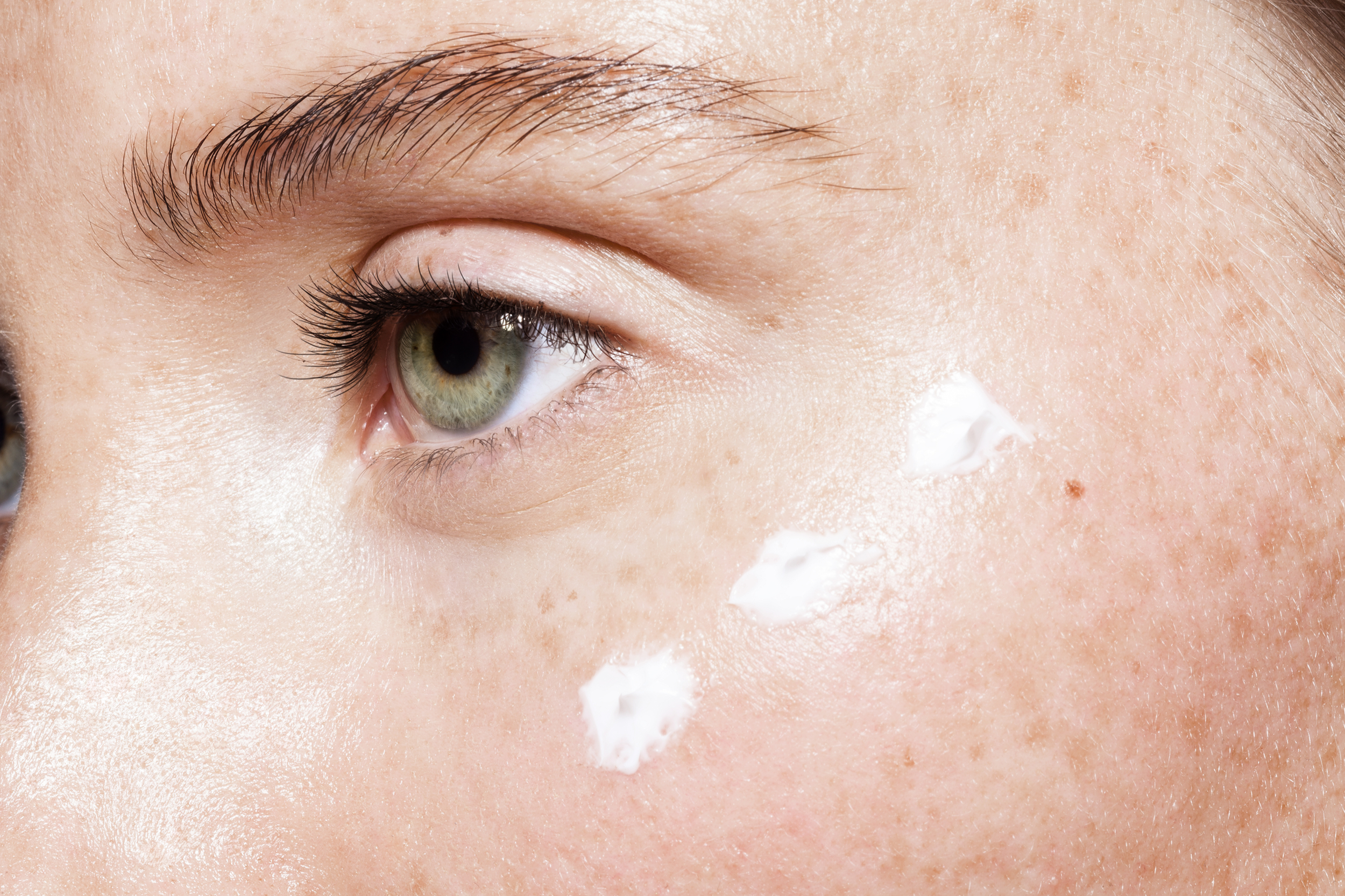
At the same time, ongoing conversations around sunscreen ingredients continue shaping public perception globally. For brands, transparency is becoming a competitive advantage.
Customers want to understand:
what ingredients are included;
why they are used;
how formulas feel on skin;
whether products work well for their skin type.
This is especially important in sunscreen because many customers still associate SPF with greasy textures, white cast, clogged pores, or allergic reactions.
Brands that address these concerns openly – through ingredient transparency, honest product descriptions, and clear formulation storytelling – tend to build stronger trust and better retention than those leaning on broad claims.
At the same time, as awareness of cosmetic dermatology grows, customers are becoming more skeptical of fear-based messaging around UV radiation or unsupported "clean" claims.
The brands winning in 2026 are leading with clarity, not anxiety.
Marketing SPF Differently in 2026
Sunscreen marketing is evolving alongside customer behavior.
Traditional SPF advertising focused heavily on beaches, vacations, and outdoor exposure.
But modern sunscreen marketing is centered around lifestyle integration, skincare education, and daily routines, shaped by ongoing daily exposure to UV rays in everyday life, rather than a product used only during summer or travel.
Education-first marketing has become especially important as customers ask more questions about sunscreen layering, mineral versus chemical filters, white cast, reapplication, acne compatibility, and texture.
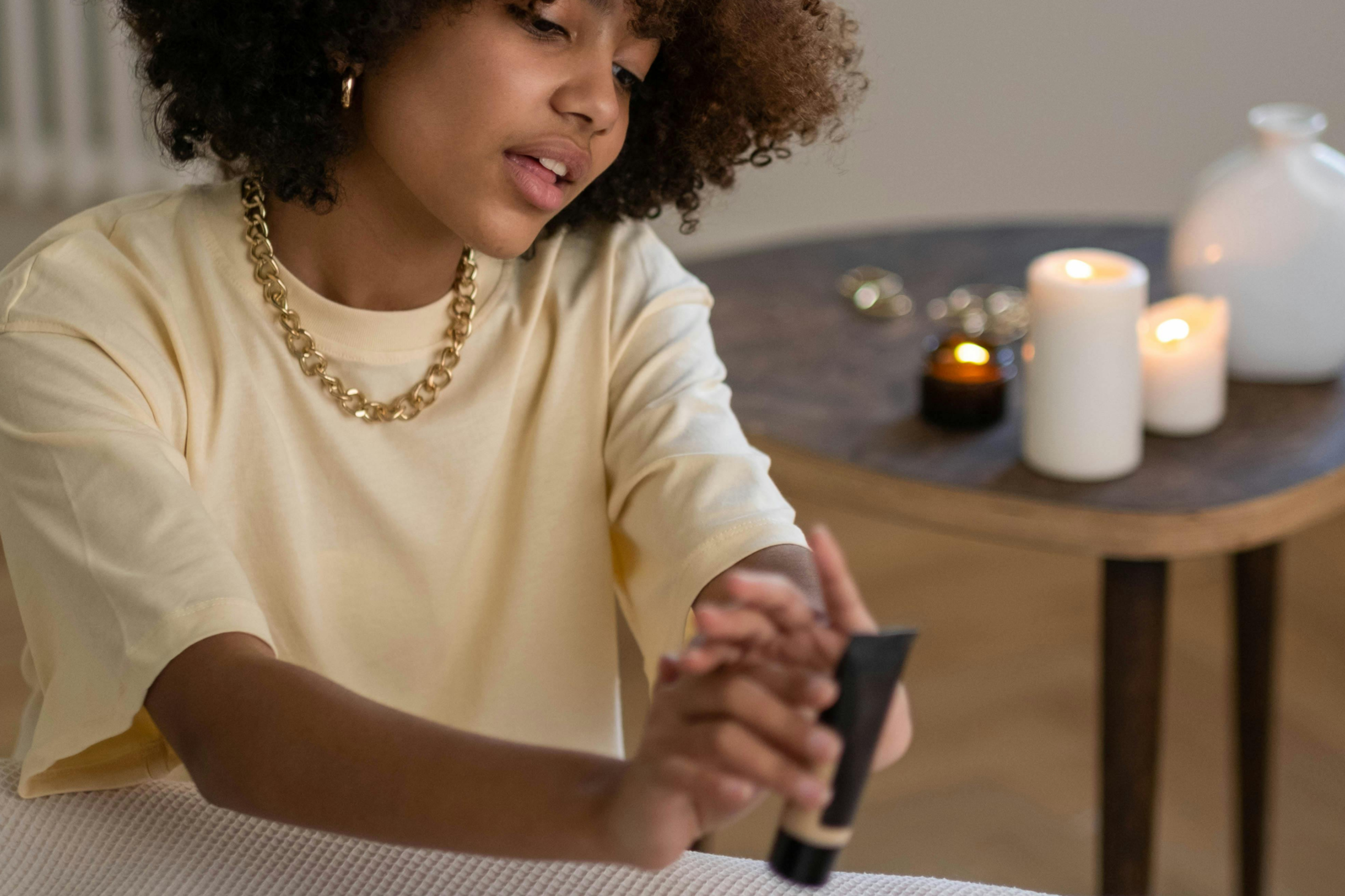
In many ways, SPF marketing now looks more like skincare education than traditional advertising. That shift is also changing the type of content brands create.
Instead of relying entirely on polished campaigns, many sunscreen brands now focus on:
Get Ready With Me videos;
dermatologist-led content;
skincare tutorials;
texture demonstrations;
realistic wear tests;
creator-led product reviews.
This type of content feels more authentic on platforms like TikTok and Instagram, where customers discover and evaluate SPF products through creators and skincare communities.
People want to see how sunscreen behaves in real life. Not just under studio lighting.
Few beauty products create better before-and-after content than sunscreen. One white-cast comparison video alone can generate millions of views.
This shift also explains why sunscreen performs particularly well on TikTok, Instagram Reels, YouTube Shorts, and creator-led platforms where visual demonstration builds trust quickly.
For brands looking to improve positioning and customer acquisition strategies, our article on sunscreen marketing strategies provides additional insight into how SPF marketing continues evolving.
Sunscreen is becoming one of the most content-driven categories in beauty.
What These Trends Mean for Beauty Brands
For entrepreneurs and beauty founders, these sunscreen trends represent more than changing customer preferences. They represent major business opportunities.
SPF has become an especially attractive category because it naturally supports repeat purchases, strong skincare positioning, and daily usage habits. Unlike highly trend-dependent beauty categories, sunscreen also benefits from long-term relevance.
Daily SPF use is becoming more normalized globally, especially among younger audiences who view sunscreen as part of everyday skincare.


For many entrepreneurs, private label products, including sunscreen, also lower the barrier to entry significantly. Instead of investing years into custom product development, founders can launch products faster using existing formulations while focusing more on branding, ecommerce, positioning, education, and community building.
This creates great opportunities for:
skincare-focused ecommerce brands;
salon owners;
creator-led beauty brands;
minimalist skincare concepts;
niche beauty businesses.
Niche positioning matters more than ever. The sunscreen category is crowded, but customers tend to search for highly specific solutions. From invisible mineral SPF and makeup-friendly formulas to sunscreen designed for acne-prone skin, deeper skin tones, travel, or everyday wear.
Brands that know exactly who they are speaking to usually stand out more effectively. When products fit naturally into real routines, they do not need aggressive marketing to feel relevant. Trying to appeal to everyone often makes a brand easier to ignore.
And of course, educational content remains equally important.
Customers researching SPF products often spend significant time comparing ingredients, textures, and application methods before purchasing.
Our article on why sunscreen belongs in daily skincare talks about ways to help support trust-building with SPF while also strengthening long-term SEO visibility.
Successful sunscreen brands are rarely built around SPF alone. They’re built around education, positioning, consistency, and daily routine integration.
Final Thoughts
Sunscreen is no longer a niche seasonal category. It has become one of the most important segments in modern skincare.
As sunscreen trends evolve, so do customer expectations. People increasingly want SPF products that feel lightweight, fit seamlessly into daily routines, and support broader skincare goals, including anti-aging protection.
For beauty brands, this creates significant opportunity. The sunscreen category now sits at the intersection of skincare, wellness, beauty, and lifestyle content, making it well suited for long-term customer relationships rather than one-off purchases.
Success in SPF, however, depends on more than protection claims. The brands that stand out in 2026 are those that educate clearly, build trust through transparency, prioritize elegant formulations, and design products that align with what customers consider the best sunscreens for everyday use.
In a skincare industry increasingly driven by prevention and consistency, SPF is becoming an everyday essential that helps protect long-term skin health.
Frequently Asked Questions
-
Some of the biggest sunscreen trends in 2026 include daily SPF usage, tinted sunscreen products, mineral sunscreen trends, hybrid SPF formulas, portable sunscreen formats, and skincare-focused sunscreen positioning.
-
Yes. Mineral sunscreen trends continue growing as customers become more ingredient-conscious and look for formulas designed for sensitive skin, lightweight wearability, and everyday use.
-
Yes. Sunscreen is becoming one of the strongest long-term skincare categories because customers increasingly use SPF daily rather than seasonally. This creates strong repeat purchase potential and significant opportunities for niche beauty brands. The focus is shifting from simply offering high SPF values to delivering formulas that feel lightweight, wearable, and suitable for everyday use.
Must read