Table of Contents
The beauty industry is already preparing for its next influential customer group: Gen Alpha.
Born roughly between 2010 and 2024, Gen Alpha is the first generation to grow up fully immersed in smartphones, social media, creator culture, and algorithm-driven content. If Gen Z grew up online, Gen Alpha was basically installed there from day one. While many are still young, they are already shaping how beauty and skincare brands think about product development and digital marketing.
What makes Gen Alpha skincare especially notable is how early awareness begins. Previous generations often discovered skincare during their teenage years. Gen Alpha, however, is exposed to skincare content much earlier through TikTok, YouTube, Instagram, and creator-led communities.
As a result, skincare is no longer viewed only as problem-solving. It is increasingly tied to self-expression, entertainment, and digital identity.
For brands and marketers, understanding these shifts is becoming essential, as the behaviors forming today are likely to influence the skincare industry for years to come.
Key Takeaways
Gen Alpha is developing skincare awareness earlier than any previous generation, driven by social media, creators, and digital exposure.
Key Gen Alpha skincare trends in 2026 include mini routines, starter kits, aesthetic packaging, and educational content.
Unlike Gen Z, Gen Alpha approaches skincare through entertainment, identity, and online culture before purchasing power.
Parents still strongly influence decisions, making safety, transparency, and age-appropriate messaging essential.
Brands that focus on trust, education, and simplicity will be best positioned for this audience.
What Defines Gen Alpha Skincare in 2026
The defining characteristic of Gen Alpha skincare is early exposure. Unlike previous generations, many Gen Alpha children encounter skincare content long before they become active users.
Skincare literacy is developing earlier than ever. According to Mintel’s analysis of Gen Alpha beauty trends, younger audiences are entering beauty categories with expectations shaped by digital-first content and creator education. For many of them, skincare vocabulary is learned before skincare itself.

Yet early awareness does not mean more complicated routines. If anything, Gen Alpha is helping drive a shift toward simplicity. Basic, beginner-friendly routines are often preferred over multi-step regimens. The three-step routine might be the new "maximalism."
Platforms like TikTok and YouTube play a central role in this behavior. Skincare discovery often happens through short-form content, where products appear alongside fashion, wellness, gaming, and entertainment. Rather than existing as a standalone category, skincare becomes part of a broader digital lifestyle.
These shifts are already influencing how brands design products, create content, and communicate with younger audiences.
Content Shaping Gen Alpha's Skincare Awareness
To understand Gen Alpha’s skincare awareness, it helps to look at the content they consume daily. Rather than traditional beauty advertisements or structured skincare tutorials, many younger users are first introduced to skincare through short-form, entertainment-led content on platforms like TikTok and YouTube.
Common formats include:
“Get Ready With Me” (GRWM) videos;
skincare shelf tours;
product unboxings;
morning and night routine clips;
creator-led discussions that break down ingredients or debunk skincare myths.
These videos are rarely purely educational in a clinical sense. Instead, they blend lifestyle storytelling with beauty, fashion, and everyday routines.
A typical TikTok video might show a creator preparing for school while sharing a simple three-step skincare routine, testing a new lip balm with playful packaging, or ranking colorful skincare products based on aesthetics and sensory appeal.
In many cases, skincare isn't the main focus of the video. It’s rather one element within a broader lifestyle narrative that also includes outfits, room decor, wellness habits, or school life content.
This format matters because it shapes how Gen Alpha perceives skincare from the very beginning. Products are introduced as part of identity, routine, and entertainment.
As a result, skincare discovery becomes emotionally driven and visually led, long before it becomes a personal necessity or independent purchasing decision. In Gen Alpha’s world, a skincare routine is rarely just skincare. It’s background content for a lifestyle performance.
The Rise of “Sephora Kids” and Early Beauty Exploration
Another visible signal of Gen Alpha's growing skincare awareness is the rise of "Sephora Kids”. A term used to describe pre-teens engaging with beauty retail environments and viral skincare products at an unusually early age.
While the trend has sparked debate around age-appropriate skincare, it also highlights how early discovery of skincare and beauty products has become part of modern consumer culture. Many Gen Alpha customers now encounter skincare both online and in-store through curiosity-driven exploration shaped by social media.
In these environments, discovery is highly visual. Packaging, color, texture, and shelf presence often matter as much as the product itself.
This is where brands like Bubble, Byoma, and Starface have gained traction among younger audiences.
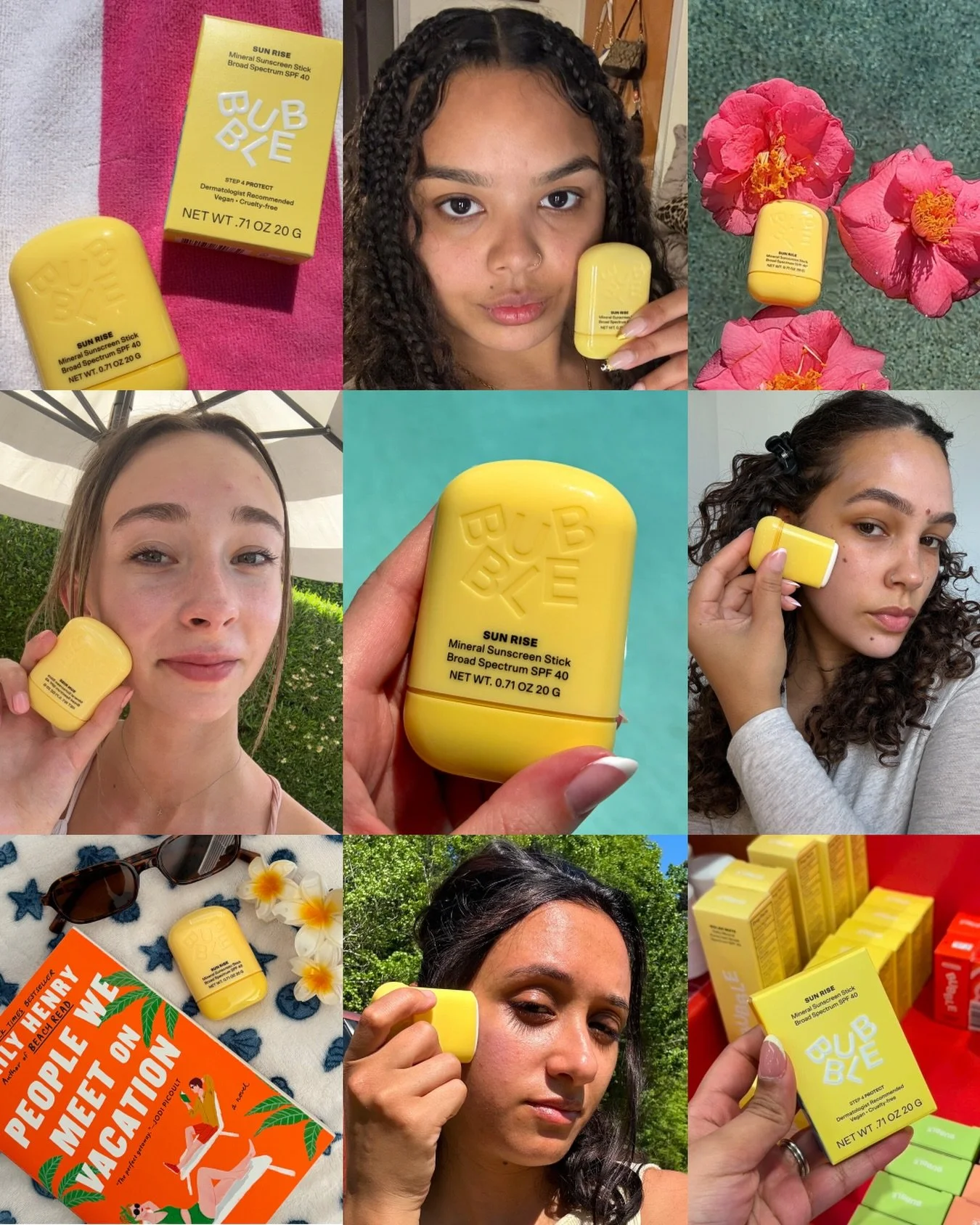
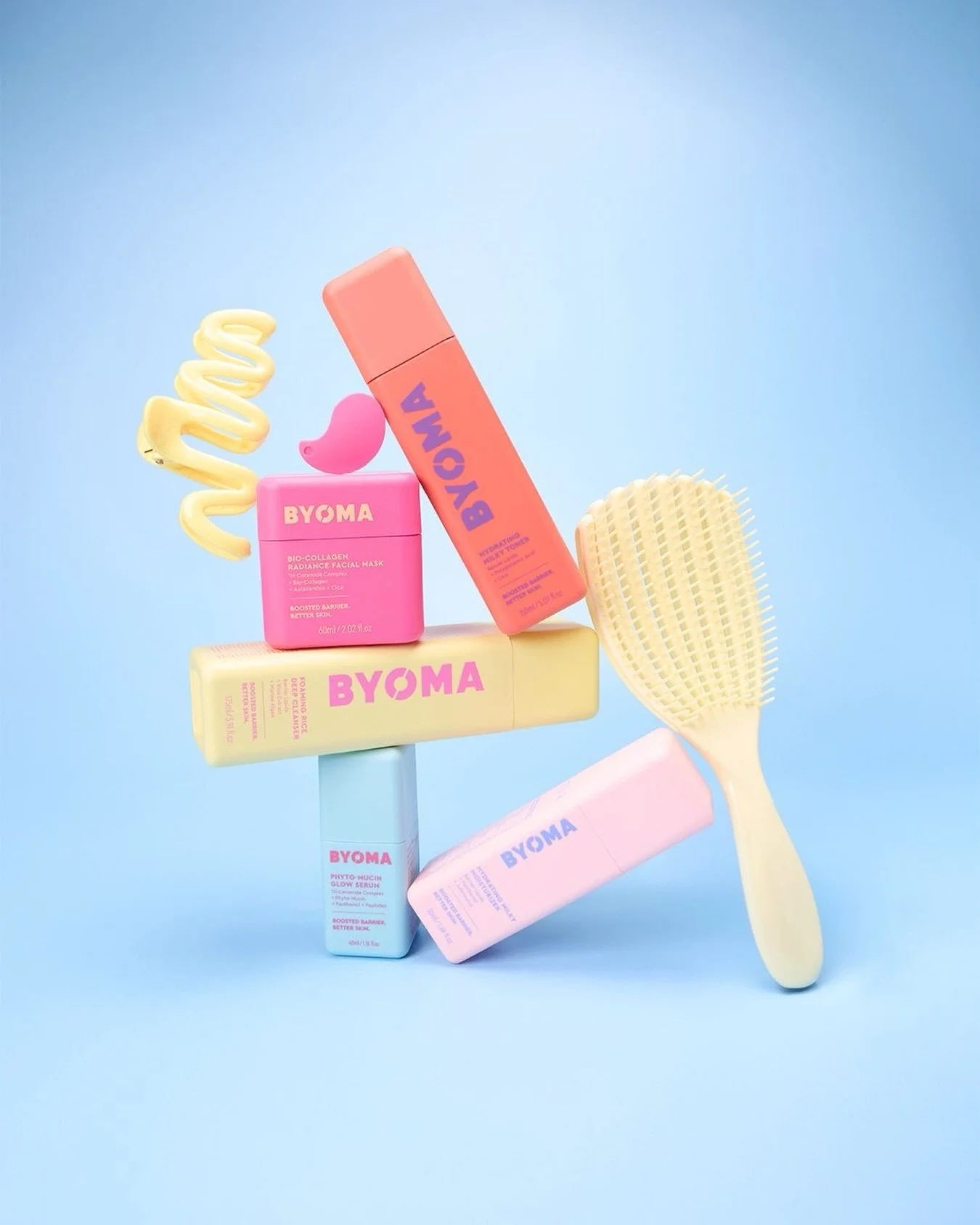
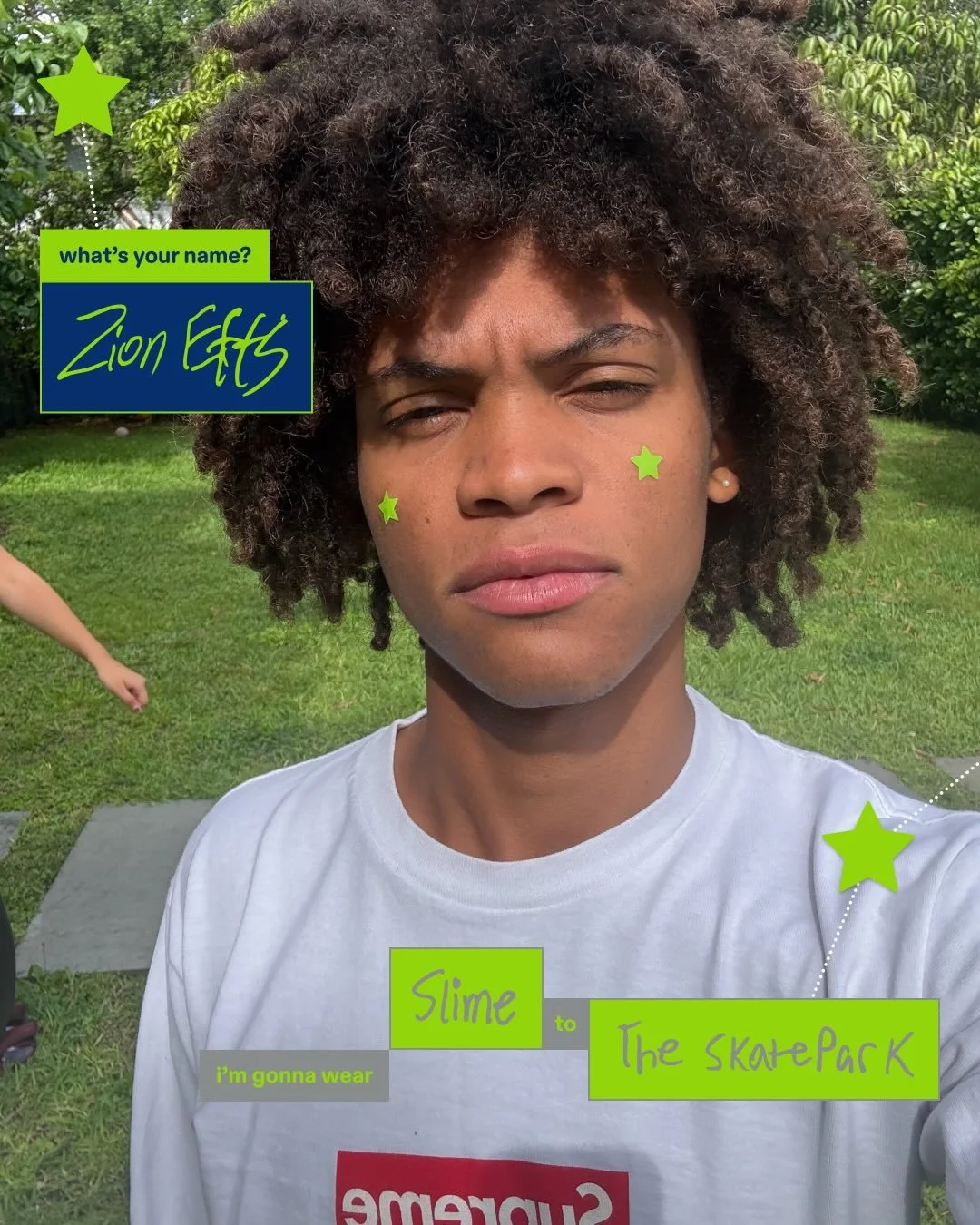
Bubble is known for its gentle, beginner-friendly approach and educational focus. Byoma stands out with colorful packaging and barrier-focused messaging, while Starface turns skincare into self-expression through its iconic star-shaped pimple patches.
What connects these brands is their ability to make skincare feel approachable:
Easy to understand rather than overly technical
Visually distinctive both online and on store shelves
Playful and emotionally engaging
Aligned with simple, beginner-friendly routines
The lesson is clear: discovery is no longer driven solely by product performance. In a socially influenced, visually crowded environment, attention is often the first step toward conversion.
Gen Alpha Skincare Trends 2026: What’s Shaping the Beauty Industry
Let’s start with the top Gen Alpha skincare trends of 2026. What kinds of products and offers does the average digital native see in their content, and what are the marketing angles brands take to appeal to this customer segment?
Mini Routines and Starter Skincare Kits
One of the clearest trends is the movement toward simplified skincare.
Rather than adopting lengthy, multi-step regimens, many younger customers are drawn to basic routines consisting of only a few products. Cleansers, moisturizers, and sunscreen often form the foundation of these beginner-friendly routines.
This shift is clearly reflected in how brands structure their offerings. Starter routines and kits are designed to remove complexity and guide users toward simple, consistent habits. Examples include:
CeraVe – widely known for its dermatologist-recommended basics, often framed around a simple cleanser, moisturizer, and SPF routine
Byoma – barrier-focused skincare systems and starter sets designed to simplify routine-building into a few clear steps
The Ordinary – step-based, ingredient-focused products that encourage minimal, structured routines rather than layered complexity
La Roche-Posay – gentle, dermatologically tested product ranges often used in simplified, skin-barrier-friendly routines
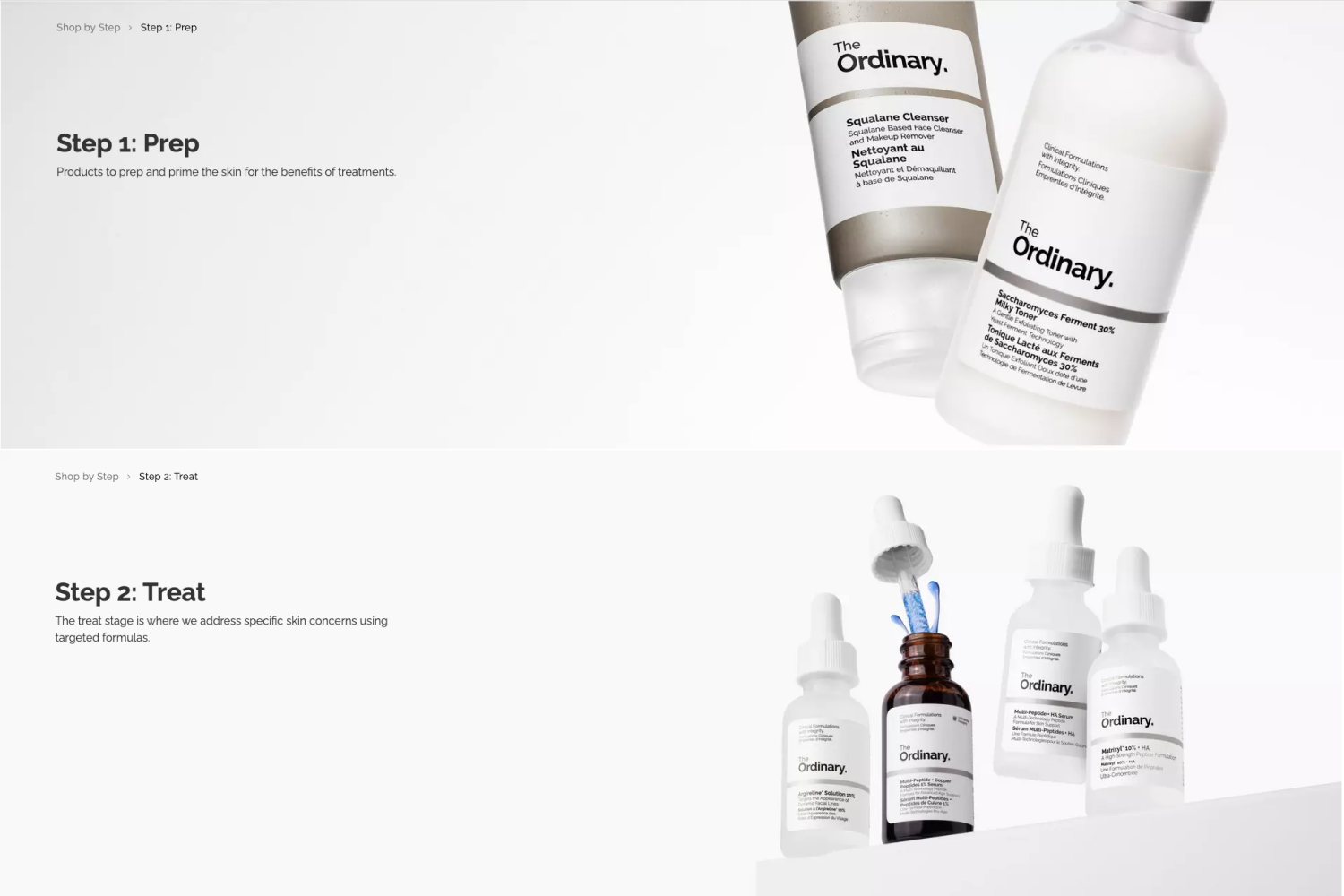
This trend reflects growing conversations around age-appropriate skincare. Parents, dermatologists, and responsible beauty brands are increasingly promoting simplicity over complexity.
Starter kits are becoming especially popular because they provide a structured introduction to skincare. Rather than overwhelming users with dozens of products, these kits guide customers toward healthy habits through manageable routines. The goal isn’t a 10-step glow-up anymore. It’s “what’s the bare minimum I can actually stick to?”
For brands, this trend creates opportunities to focus on education and long-term trust rather than encouraging unnecessary product usage.
Aesthetic-First Skincare Experiences
Visual appeal has become a major factor in product discovery. Gen Alpha has grown up in highly visual digital environments where aesthetics often influence engagement.
However, aesthetics are not only about appearance. They also support social sharing and content creation. Products that photograph well or fit into visually appealing routines naturally generate greater engagement across social platforms.
This is where packaging begins to function as a form of “visual shorthand.” Some brands become instantly recognizable even before the product name is mentioned. For example, Glow Recipe is often identified by its fruit-inspired packaging, pastel color palette, and glossy textures. One look at watermelon packaging and most customers already know what brand they’re dealing with.
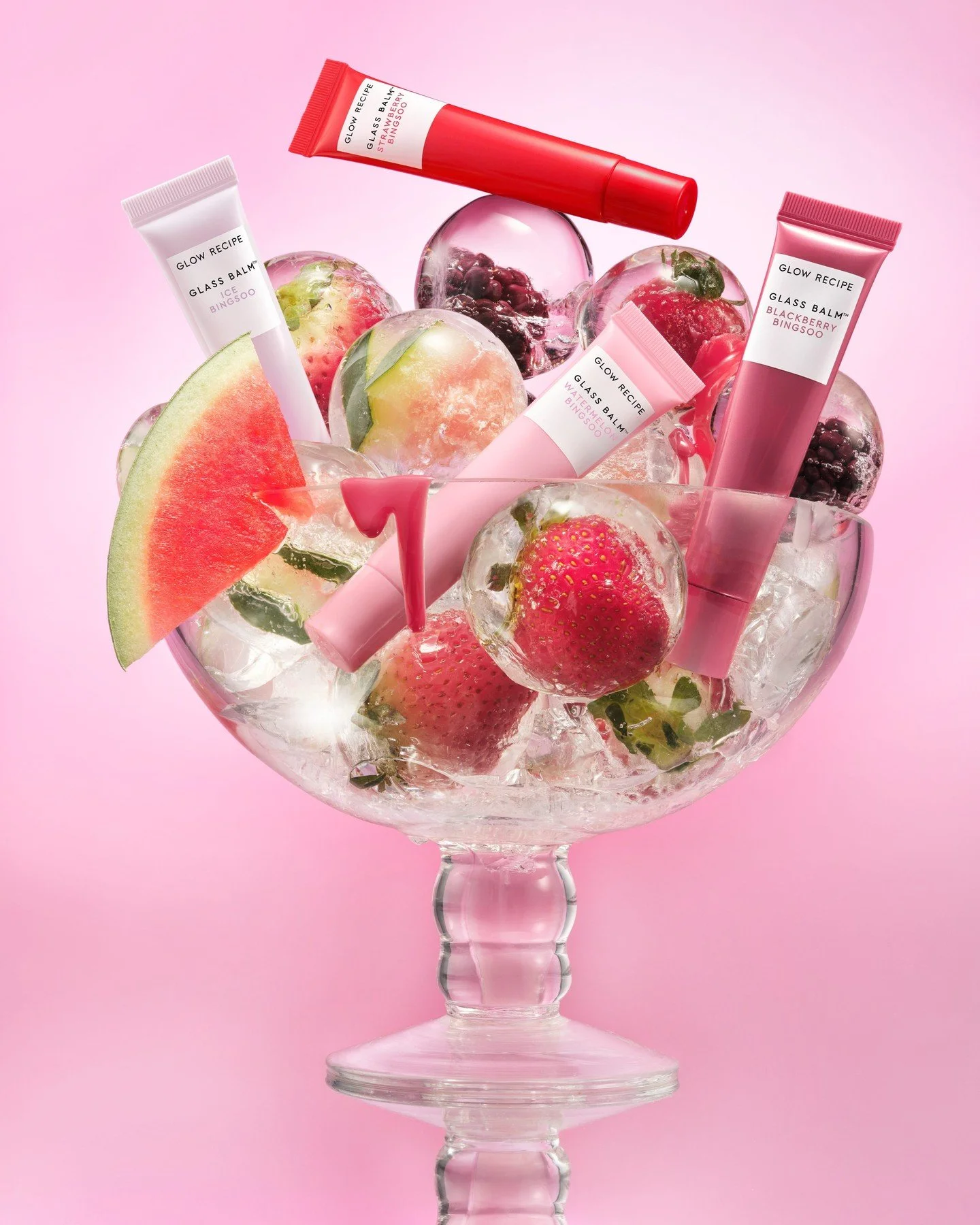
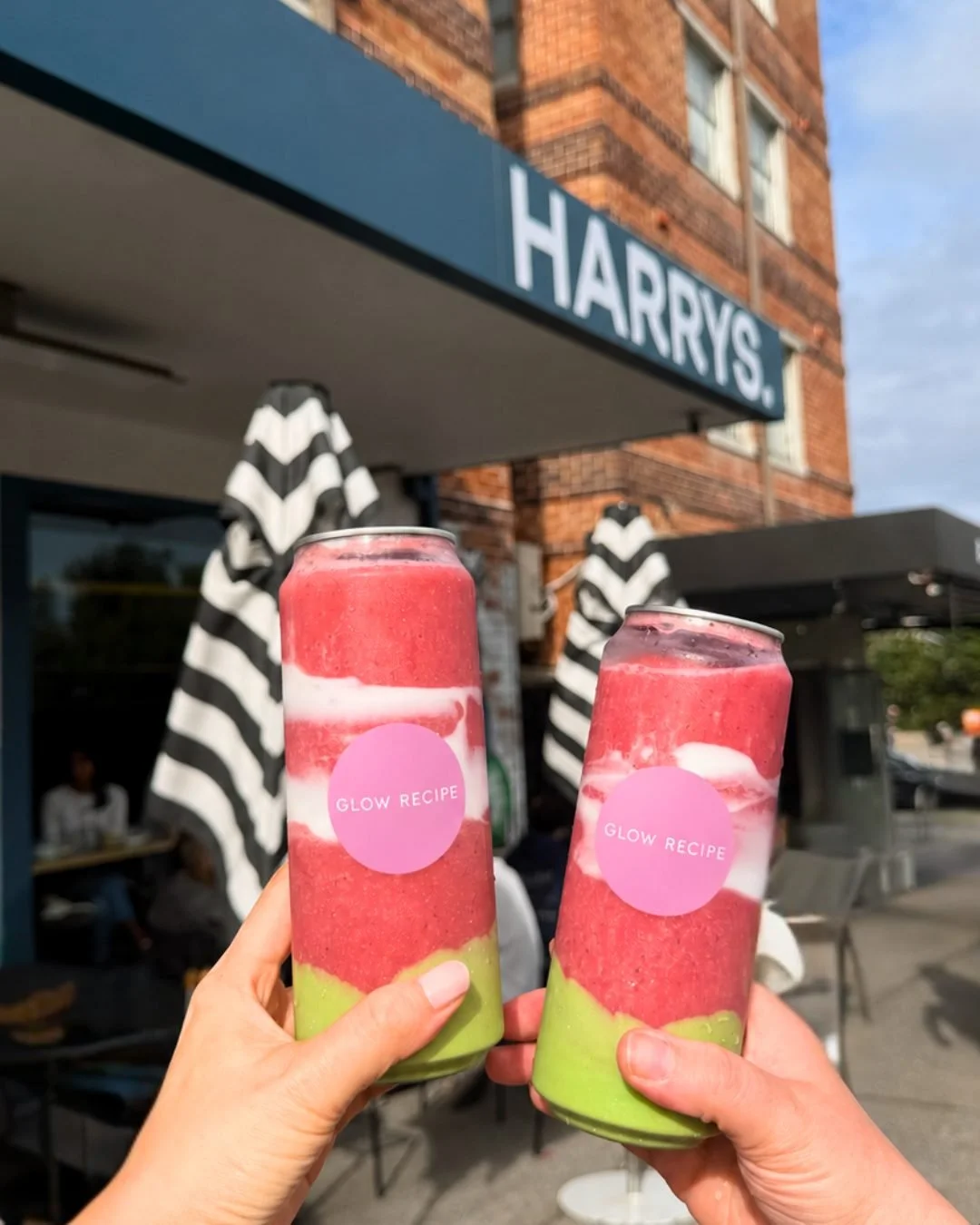
That stands out immediately in TikTok routines, GRWM videos, and shelfie-style content. In fact, for many younger customers, watermelon-inspired visuals have become so closely associated with the brand that they act as an instant recognition cue across social feeds.
Packaging is becoming part of the product experience itself rather than simply serving as a functional container.
What makes packaging “Gen Alpha-ready”:
Instantly recognizable visual identity (color, shape, texture)
Strong social media readability (works in TikTok / Instagram feeds)
Emotional or playful design cues
Shareable “shelf appeal” aesthetics
Content-Driven Product Discovery
Traditional advertising continues to lose influence among younger audiences.
Many Gen Alpha customers encounter skincare products through tutorials, reviews, routine videos, and creator recommendations. Product awareness often begins with content and not with direct advertising.
This trend highlights the growing importance of educational storytelling.
Skincare brands that create informative, transparent, and engaging content are often better positioned than those relying solely on promotional campaigns.
As discussed in Selfnamed's article on Gen Z beauty trends, digital-native generations increasingly expect brands to communicate through authentic, content-first experiences. While Gen Alpha differs from Gen Z in several important ways, both generations prioritize trust, relatability, and educational value.
Parent-Influenced Purchasing Decisions
Although Gen Alpha is becoming increasingly influential, parents still play a critical role in purchasing decisions.

This creates a unique challenge for beauty brands. Marketing must appeal to younger customers while simultaneously earning parental trust.
As a result, brands that emphasize safety, ingredient transparency, educational value, and responsible product positioning often have a competitive advantage.
The most successful products tend to balance fun and responsibility. They attract younger audiences through engaging branding while reassuring parents through credible information and sensible skincare guidance.
Gen Alpha Skincare Preferences 2026: What’s Driving Customer Behavior
Looking beyond products alone takes us a step further. Many of the Gen Alpha skincare preferences emerging today are shaped by broader technological, cultural, and social influences. Here’s how Gen Alpha shapes skincare through consumer behavior.
Gentle and Barrier-Friendly Formulations
The growing conversation around skin barrier health is influencing younger customers as well.
Many Gen Alpha users are becoming familiar with concepts such as hydration, gentle cleansing, and barrier support. This reflects broader industry efforts to promote healthier skincare education.
Brands like Byoma, with its barrier-focused positioning and simple, supportive routines, and CeraVe, known for its dermatologist-developed, gentle formulations, are strong examples of this shift toward skin-friendly basics. Similarly, La Roche-Posay has long emphasized mild, barrier-safe products that align well with parental expectations around safety and skin health.
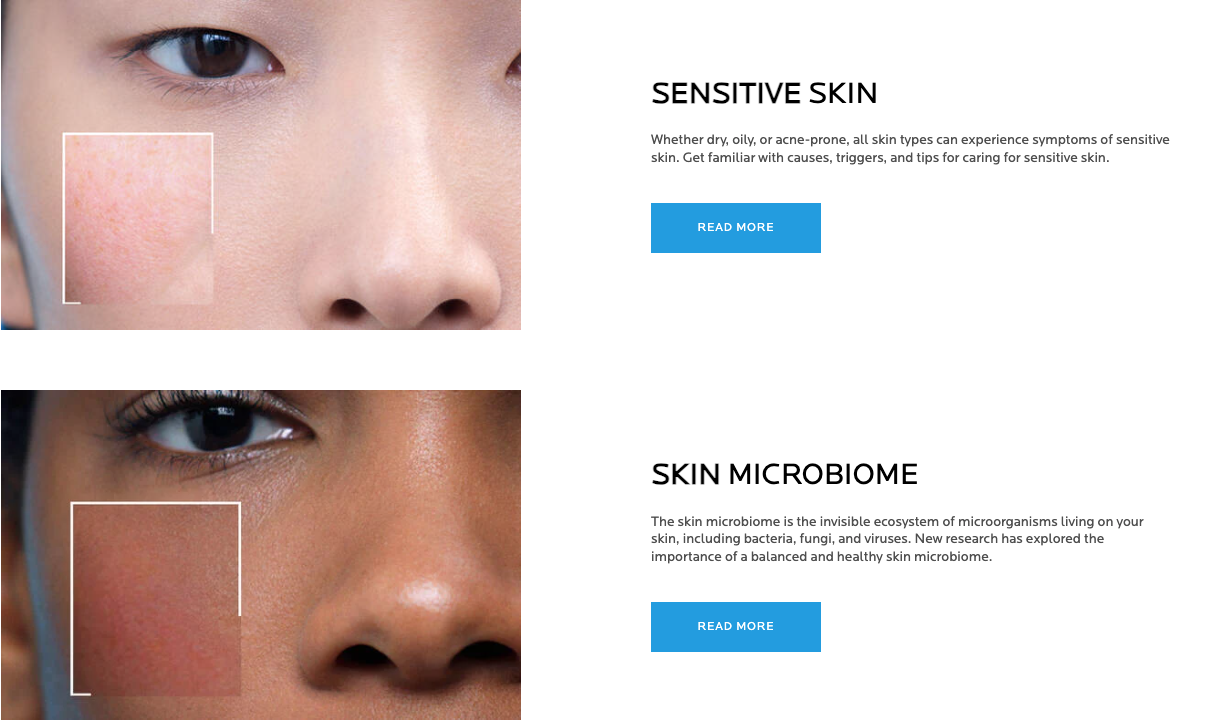
Brands that focus on comfort, simplicity, and skin health are often more appealing than those emphasizing dramatic transformations or complex ingredient combinations.
This preference also aligns closely with parental expectations regarding safety and age-appropriate skincare practices.
Fun Textures, Packaging, and Sensory Appeal
While safety remains important, enjoyment is equally influential.
Gen Alpha customers are often drawn to products that feel interactive and engaging. Beyond efficacy, they value experiences that are visually appealing, tactile, and fun to share online.
What drives appeal?
Lightweight, satisfying textures that feel pleasant to apply
Playful product formats that make routines more interactive
Visually appealing packaging that stands out on shelves and social feeds
Sensory experiences that turn skincare into a ritual rather than a task
For example, Laneige Lip Sleeping Mask is widely recognized for its smooth, balm-like texture and dessert-inspired variants, making it as much a sensory experience as a functional lip treatment.
Similarly, Bubble's Water Slide Hydration Gel Cream is often associated with its lightweight, cooling gel texture that reinforces the idea of skincare as something playful and approachable.
For younger audiences, the ritual of using skincare can be just as important as the skincare benefits themselves. Products become part of routines that are enjoyable, shareable, and visually satisfying.
Brands are increasingly focusing on creating memorable experiences rather than simply selling functional products.
Trust and Education Over Hype
Despite their young age, Gen Alpha customers are growing up in an environment where discussions about misinformation and unrealistic beauty standards are increasingly common.
This makes trust a powerful differentiator.
Brands that explain ingredients clearly, provide educational resources, and communicate realistic outcomes may be more likely to earn long-term credibility.
This is particularly relevant in categories such as acne care, where education often influences purchasing decisions. This guide on how to market acne solutions in a Gen Z–driven skincare market highlights the growing importance of balancing product promotion with educational value.
For Gen Alpha audiences, education is not merely a marketing tactic. It’s an essential part of the customer experience.
The Influence of Gen Z Siblings and Creators
One of the strongest drivers of Gen Alpha skincare behavior is the influence of slightly older generations.
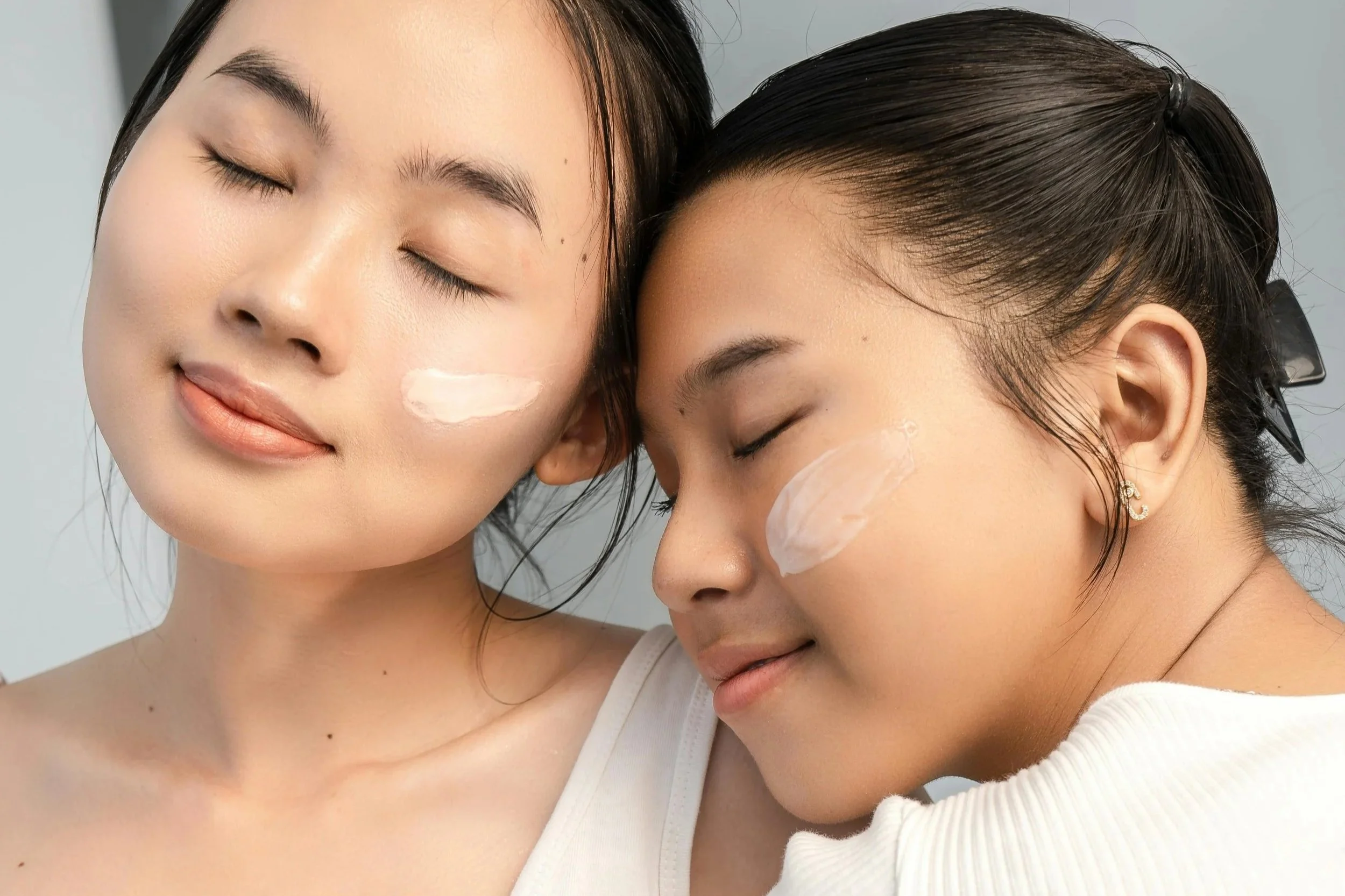
Many Gen Alpha customers look to Gen Z siblings, relatives, and creators for inspiration. They adopt skincare terminology, observe routines, and learn about products through these relationships. This creates an important bridge between generations.
While Gen Z helped normalize skincare discussions across social platforms, Gen Alpha is growing up with those conversations already established. Instead of discovering skincare culture, they are inheriting it.
As noted in Byrdie's report on Gen Alpha beauty behavior, younger customers view beauty as a tool for self-expression and identity rather than purely functional self-care.
Gen Alpha Skincare: How Brands Should Approach Their Positioning
Now that we’ve discussed the industry, customer behavior, and seen how they overlap, it’s time to consider where independent skincare brands fit in the picture. As interest in younger skincare customers grows, beauty businesses must approach this category responsibly.
The opportunity is significant, but so is the responsibility.
1. Prioritize Age-Appropriate Messaging
How brands communicate with younger audiences matters just as much as the products themselves. Messaging should reflect realistic skincare needs and avoid promoting unnecessary routines or unrealistic beauty standards.
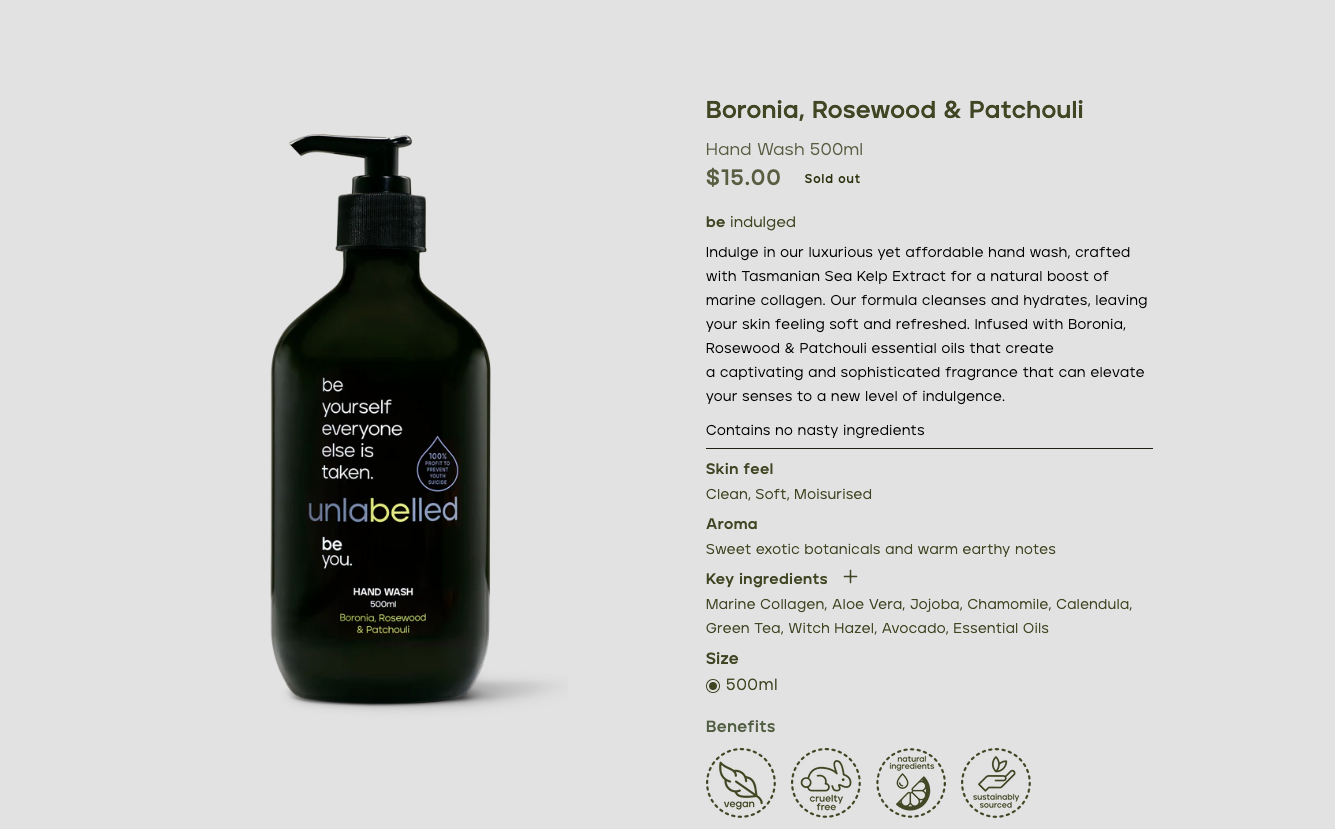
Source: Unlabelled.co
Empowering product messaging – “be yourself everyone else is taken.“ hand wash product page example.
Brands that position skincare as healthy self-care rather than perfection-driven transformation are more likely to earn trust among both parents and younger customers.
Responsible messaging helps create positive long-term relationships while reducing unrealistic expectations.
2. Invest in Educational Content
Education is becoming one of the most valuable assets in beauty marketing.
Clear explanations about ingredients, routines, skin health, and product usage can help younger customers navigate skincare safely and confidently.
Educational content also helps parents make informed purchasing decisions.
Importantly, educational materials should remain engaging and accessible. Short videos, visual guides, and creator-led explanations often resonate strongly with digital-native audiences.
3. Embrace Product Simplicity
Many brands assume younger customers want more products. In reality, simplicity may be the stronger strategy.
A focused skincare line built around cleansing, moisturizing, and sun protection often aligns better with responsible skincare principles and emerging customer expectations.
Simple products are easier to understand, easier to use, and easier for parents to evaluate.


4. Avoid Over-Commercialization
One of the biggest risks in the emerging Gen Alpha category is excessive commercialization.
Younger customers are increasingly aware of marketing tactics and may respond negatively to overly aggressive sales messaging.
Brands should focus on relationship building rather than short-term revenue opportunities. Long-term trust is likely to become one of the most valuable assets in this category.
What Gen Alpha Means for the Future of Skincare Marketing
The rise of Gen Alpha signals broader changes that extend beyond children's skincare and cosmetics categories. As these customers mature, their expectations may reshape the entire beauty and skincare industry for the future to come.
Some of the biggest shifts brands should watch include:
Entertainment-first discovery – product awareness comes through creators, storytelling, communities, and platform-native content.
A new era of influencer marketing – family creators, sibling dynamics, educational influencers, and younger content formats are becoming more influential.
Trust as a competitive advantage – customers growing up surrounded by sponsored content place a premium on transparency, authenticity, and educational value. Skincare brands that deliver on this will earn long-term trust.
Content before commerce – many customers discover skincare and makeup brands through videos and social content long before they make a purchase.
Ultimately, Gen Alpha is not simply introducing new skincare preferences. They’re helping redefine how beauty brands build relationships in digital-first environments.
Final Thoughts
The rise of Gen Alpha skincare reflects a broader shift in how the beauty industry is evolving.
In 2026, younger customers are becoming aware of skincare earlier than any previous generation, shaped by social media, creator culture, and constant digital exposure. However, their interest goes beyond products, extending into identity, entertainment, and self-expression.
Key Gen Alpha skincare trends in 2026 include simplified routines, beginner-friendly kits, educational content, aesthetic packaging, and trust-focused communication. Parents also remain key decision-makers, making safety and transparency essential.
Brands that combine education with simplicity and responsible messaging will be best positioned to build lasting relevance with this emerging audience.
Frequently Asked Questions
-
Gen Alpha skincare refers to the skincare habits, preferences, and product expectations of Generation Alpha, generally defined as people born between 2010 and 2024. It is characterized by early skincare awareness, strong digital influence, and a preference for simple, beginner-friendly routines.
-
Gen Z generally discovered skincare during adolescence, while Gen Alpha is encountering skincare content much earlier through social media, creators, and older siblings. Gen Alpha also tends to favor simplified routines, educational content, and playful experiences.
-
Social media platforms, beauty creators, YouTube content, and Gen Z influence have exposed younger customers to skincare conversations earlier than any previous generation. This digital exposure has accelerated skincare awareness and interest.
-
Key trends include mini skincare routines, starter skincare kits, gentle formulations, aesthetic packaging, educational content, parent-guided purchasing decisions, and creator-driven product discovery.
-
Brands should focus on age-appropriate messaging, educational content, ingredient transparency, realistic skincare expectations, and simple product routines. Building trust should take priority over encouraging excessive product usage.
Must read