Table of Contents
Love creating content about the beauty industry? You can earn from it.
Share something you believe in, your audience buys, and you earn a cut. The Selfnamed affiliate program pays you for recommending private-label beauty fulfillment to your audience.
Key Takeaways
Affiliate marketing pays you a commission for recommending products through a tracked link.
Beauty is a top affililiate niche because it's visual and recommendation-driven.
Selfnamed pays 10% on every order your referred customer makes for six months, with no cap.
Payouts are monthly via PayPal, and joining is free.
Audience trust matters more than follower count.
The Selfnamed Affiliate Program at a Glance
Selfnamed is a private label beauty platform built on one idea: anyone should be able to start their own skincare or makeup brand. No minimum orders, no R&D, no warehouse.
Our 200+ private-label formulas are high-performance, COSMOS-certified by ECOCERT and vegan-friendly, backed by two decades of clean beauty development from a Certified B Corp.
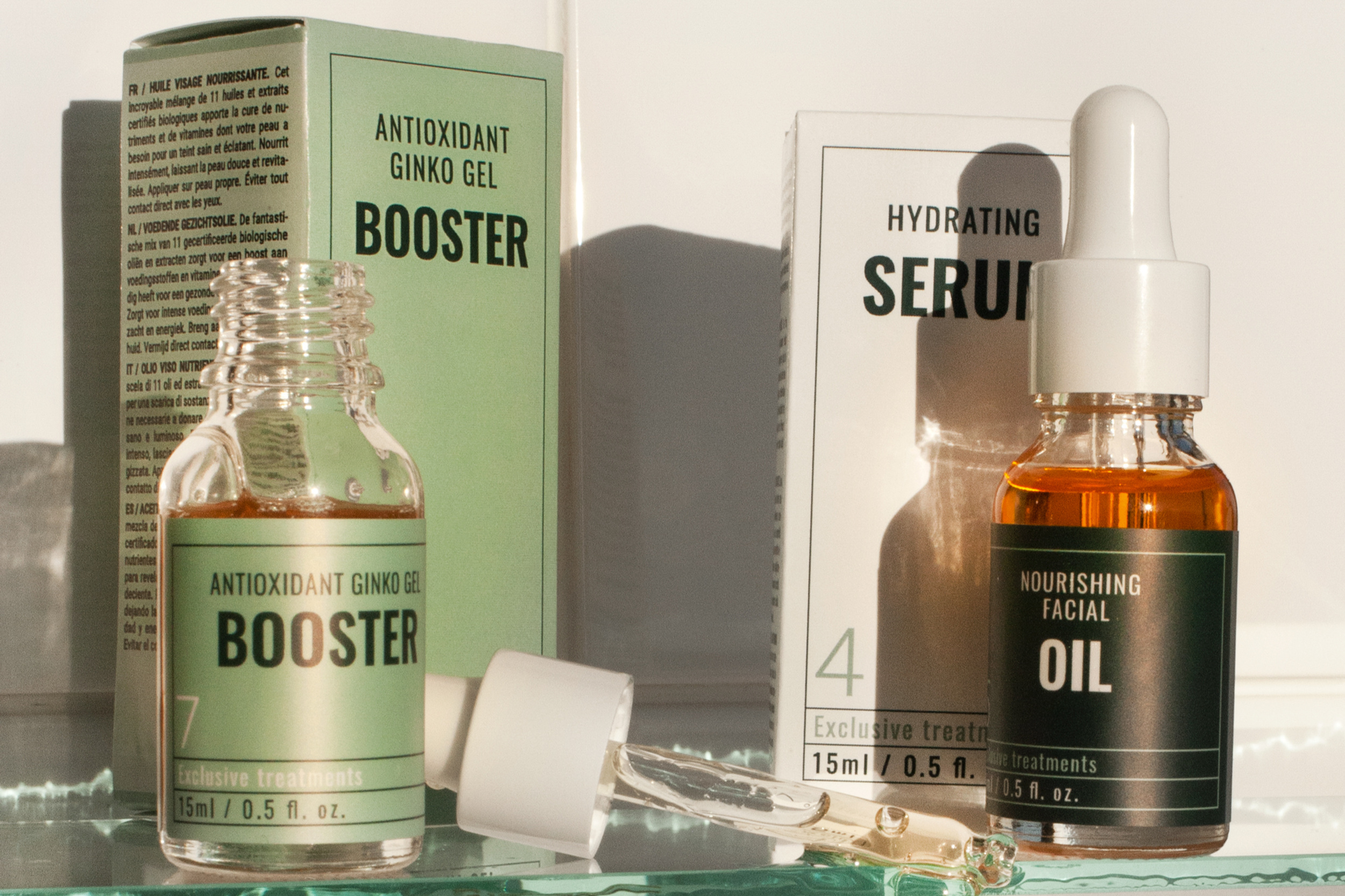
It's beauty worth putting your name on, which makes it easy to recommend and sell.
The Selfnamed Affiliate Program pays you 10% commission on every order your audience places, for six months after they first buy. Share your link and promo code, and Selfnamed handles the rest.
It’s free to join, and you receive:
10% commission on every order referred customers make;
Six-month earning window per customer to make more on repeat orders;
No earnings cap; 10 customers or 10,000, the structure stays the same;
Monthly payouts via PayPal for the entire six-month period;
Marketing brand kit and dedicated support once you're approved;
Your audience saves 10% on their first order with your unique affiliate code.
All of this runs on one unique link and code that gets attributed to you.
How the Selfnamed Affiliate Program Works
Good affiliate partnerships work in three ways: you earn a commission, your audience gets a good deal, and Selfnamed gains a customer. Getting started on your end takes three steps.

Step 1: Apply in Seconds
Fill in the application form to tell us who you are, where you'll share Selfnamed, and what your audience cares about. Every application gets reviewed personally within 5 business days.
Step 2: Get Your Link and Promo Code
Once you're approved, your unique link and promo code arrive by email. You also get a brand kit and dedicated support to help you start strong.
Step 3: Share, They Save, You Earn
Your audience clicks your link and uses your code at checkout for 10% off their first order. From there, you earn 10% commission on every order they place over the next six months.
The process works in one line: your code gives your audience a reason to buy, and your link makes sure every order they place for the next six months is credited to you.
Who the Selfnamed Affiliate Program Is For?
If you're connected to the beauty world in any way, your audience is likely a fit.

The program works especially well for:
Beauty educators and skincare professionals whose audiences already trust them.
Online content creators or influencers across YouTube, TikTok, Instagram, and blogs.
Salon and spa owners with founders asking where to buy and who to partner with.
E-commerce sellers and dropshippers looking to add a revenue stream.
Business coaches and consultants who help people launch or grow a brand.
Bloggers and reviewers in beauty, skincare, and e-commerce.
The common thread: an audience interested in clean beauty or in building a brand of their own. If that's who follows you, you're in the right place.
What It Takes to Become an Affiliate
You don't need a marketing degree or a huge following.
You may already have what it takes to start:
An audience, even a small one. A blog, a YouTube channel, an email list, an engaged Instagram or TikTok following, a Facebook group. Anywhere people listen to you.
A niche you actually know. The best affiliates recommend inside their lane. If you talk skincare, beauty, or building a business, a beauty fulfillment platform fits in naturally.
Trust with your audience. This is the real currency. People buy on your recommendation because they believe you. Everything else is mechanics.
A willingness to create. Affiliate income comes from content that keeps working after you publish it. One good review can earn for months, but you have to make it first.
Follower count matters less than you'd think.
71% of consumers are more likely to buy based on a social media reference from someone they follow, and smaller creators often convert better because their audiences trust them more. A focused audience of 2,000 who take your word can out-earn a distracted 100,000 who don't.
What Does an Affiliate Actually Do?
At its core, affiliate marketing has four moving parts:
You, the affiliate, recommending a product.
Your audience, who trusts your recommendation.
The merchant (here, Selfnamed), who makes and ships the product.
A tracked link, which ties any resulting sale back to you.
You share your unique link. Someone clicks it, buys, and the sale is credited to you automatically. You earn a commission. No inventory, no customer service, no shipping. Your job is to connect the right people to the right product and let the tracking handle the accounting.
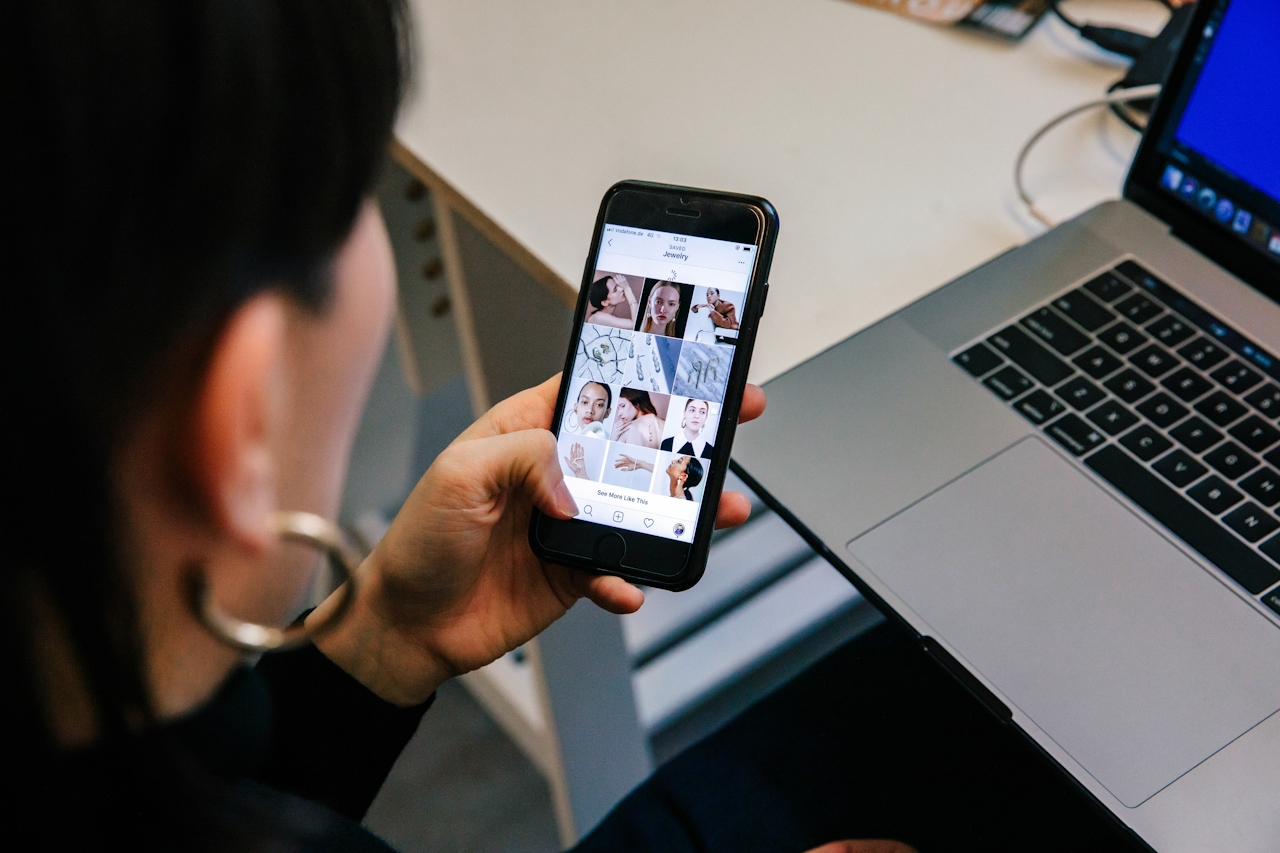
It's a growing industry. US businesses will spend $13.81 billion on affiliate marketing in 2026, up 11.3% from the year before, and 84% of brands now run an affiliate program. For publishers, it pays: 31% of creators say affiliate marketing is their biggest revenue source.
Here's what the money actually looks like. Say you post a "how I started my own skincare brand" video that gets 2,000 views:
Around 5% click your link: 100 visits.
About 4% of those buy: 4 orders.
At an $80 first order, that's $320 in sales, and $32 to you at 10%.
Then the six-month window kicks in. If two of those customers restock once, that's roughly $30 more.
One video, around $62, from content that keeps earning every time someone new watches it.
The figures above are illustrative, but they show the shape of the model: small percentages on steady traffic, compounding over time.
How to Actually Do Affiliate Marketing, Step by Step
Knowing the model is one thing. Running it well is another. Here's the full play-by-play, from picking a program to reading your results, with beauty and Selfnamed as the working example.
1. Find the Right Program
Not every affiliate program is worth your time. Before you promote anything, check:
Commission rate. What percentage do you earn per sale? (Selfnamed pays 10%.)
Attribution window. How long after a click do you still earn? A longer window means more credited sales. (Selfnamed credits for every order for six months.)
Product fit. Does it match what your audience already wants? A great commission on a product or service nobody wants pays nothing.
Payout terms. How and when do you get paid, and is there a threshold? (Selfnamed pays monthly by PayPal without a threshold.)
Brand trust. You're lending your reputation. Promote products you'd genuinely stand behind.
2. Research Your Audience

You can't recommend well if you don't know who's listening. Get specific:
What problem are they trying to solve?
starting a brand;
finding clean products;
adding income?
What do they already buy and search for?
Which platform do they spend their time on?
What price point are they comfortable with?
Match the program to the audience, not the other way around. For a beauty-curious or entrepreneurial audience, a no-minimums clean private label platform is an easy fit.
3. Develop Content That Converts
This is where most of the work lives. Good affiliate content teaches or entertains first, and recommends second. Beauty is built for it, too: it was the product category with the most sponsored posts on Instagram in 2024, because it's visual, demonstrable, and routine-driven.

A few formats that work:
Tutorials and how-tos."How I designed and launched my own serum in a weekend." Show the process, and the product appears naturally.
Honest reviews."I spent 90 days building a beauty brand. Here's the truth." Include the trade-offs. Balanced reviews convert better than pure praise.
Comparisons."Private label vs. dropshipping vs. making it yourself." Buyers weighing options are close to a decision.
Listicles."6 ways to start a beauty brand with no inventory." Easy to skim, easy to share, easy to rank.
Whatever the format, a simple framing formula keeps content persuasive without feeling like an ad:
Hook (grab attention), then Value (teach something useful), then Recommendation (introduce the product as the solution), then CTA (tell them exactly what to do next).
Put your link where it belongs for each format: inside the content for blogs, in the description and pinned comment for video, in your link-in-bio for short-form, and directly in the body for email.
It helps to try what you promote. Order a sample, build a product and set up a store. Then, speak from experience. Confidence sells better than any script or boiler-plate ad copy.
4. Find the Right Channels
Meet your audience where they already are. Each channel has a strength:
Blog and SEO. Evergreen content that ranks on Google and pulls traffic for years.
YouTube. Long-form demos and tutorials, ideal for showing a process end to end.
TikTok and Reels. Short, punchy hooks that reach new audiences fast.
Email. Your warmest audience, and usually your highest conversion rate.
Pinterest. Visual discovery that works unusually well for beauty and DIY.
You don't need all of them. Pick one or two you can do consistently, and go deep.
5. Build a Marketing Strategy

Consistency beats intensity. Stay true to your original content and run the story in phases:
Mix evergreen and timely. Evergreen guides earn quietly for months; timely posts on trends, launches, and seasons bring spikes.
Think in a funnel. Awareness content brings people in, trust content warms them up, and conversion content closes.
Repurpose. One tutorial becomes a blog post, a video, three short clips, and an email. Make once, share everywhere.
Set a rhythm. A realistic schedule you can keep beats an ambitious one you can't.
6. Track Revenue and See What's Working

Affiliate marketing rewards the people who watch their numbers. Keep an eye on:
Clicks. Is your content getting people to the link?
Conversion rate. Of those who click, how many buy?
Earnings per click (EPC). Your best single measure of what a piece of content is worth.
Average order value. Bigger orders mean bigger commissions on the same effort.
Then do more of what works. If one review out-earns everything else, make three more like it. Cut what doesn't convert. Small, steady improvements compound the same as your content.
Why Selfnamed Is Worth Promoting
Selfnamed is a clean beauty platform that lets anyone build a private label cosmetics brand without R&D, order minimums, or warehousing. E-commerce sellers, beauty salons, brand builders – if you’re related to the beauty industry, your audience definitely has an interest.
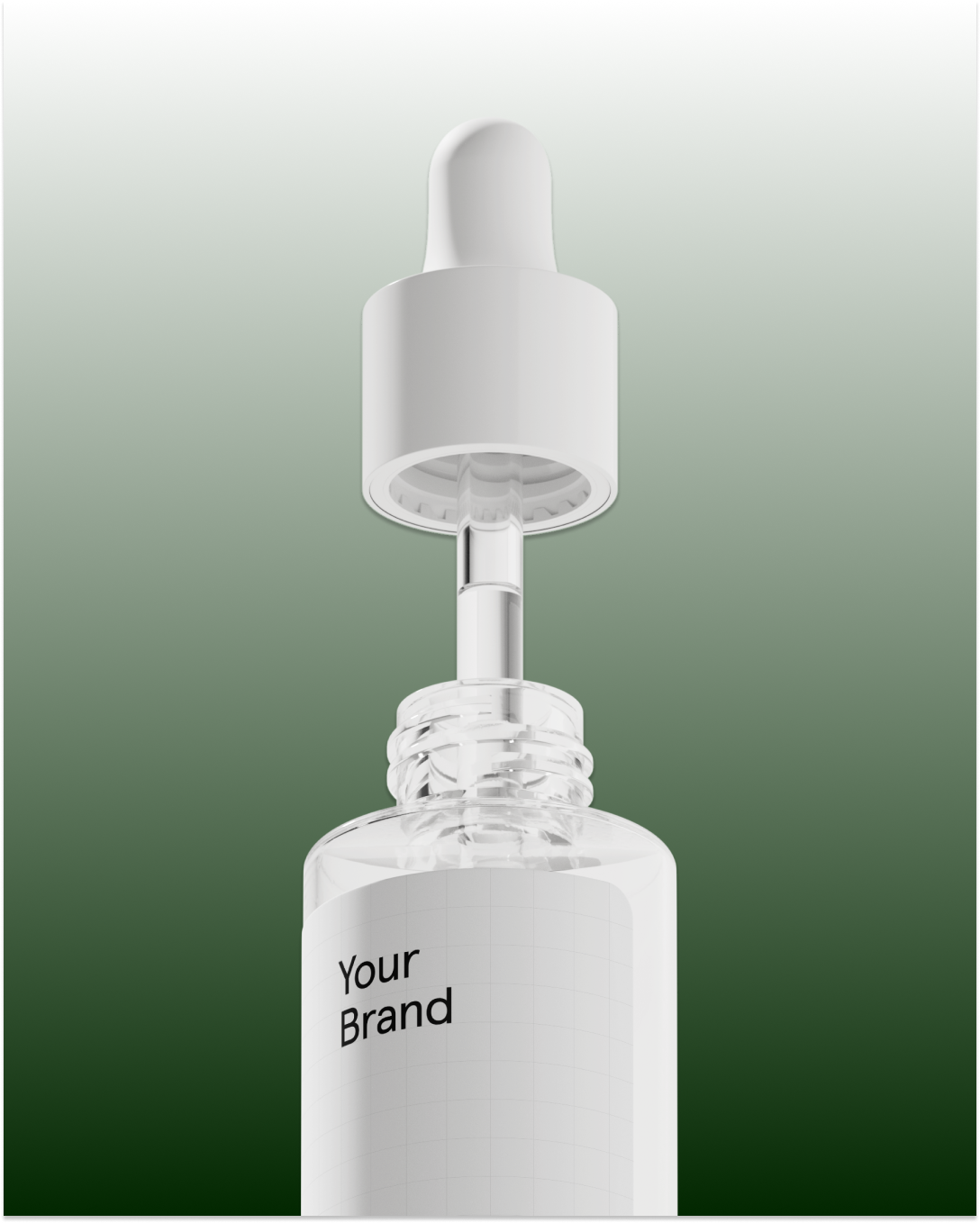
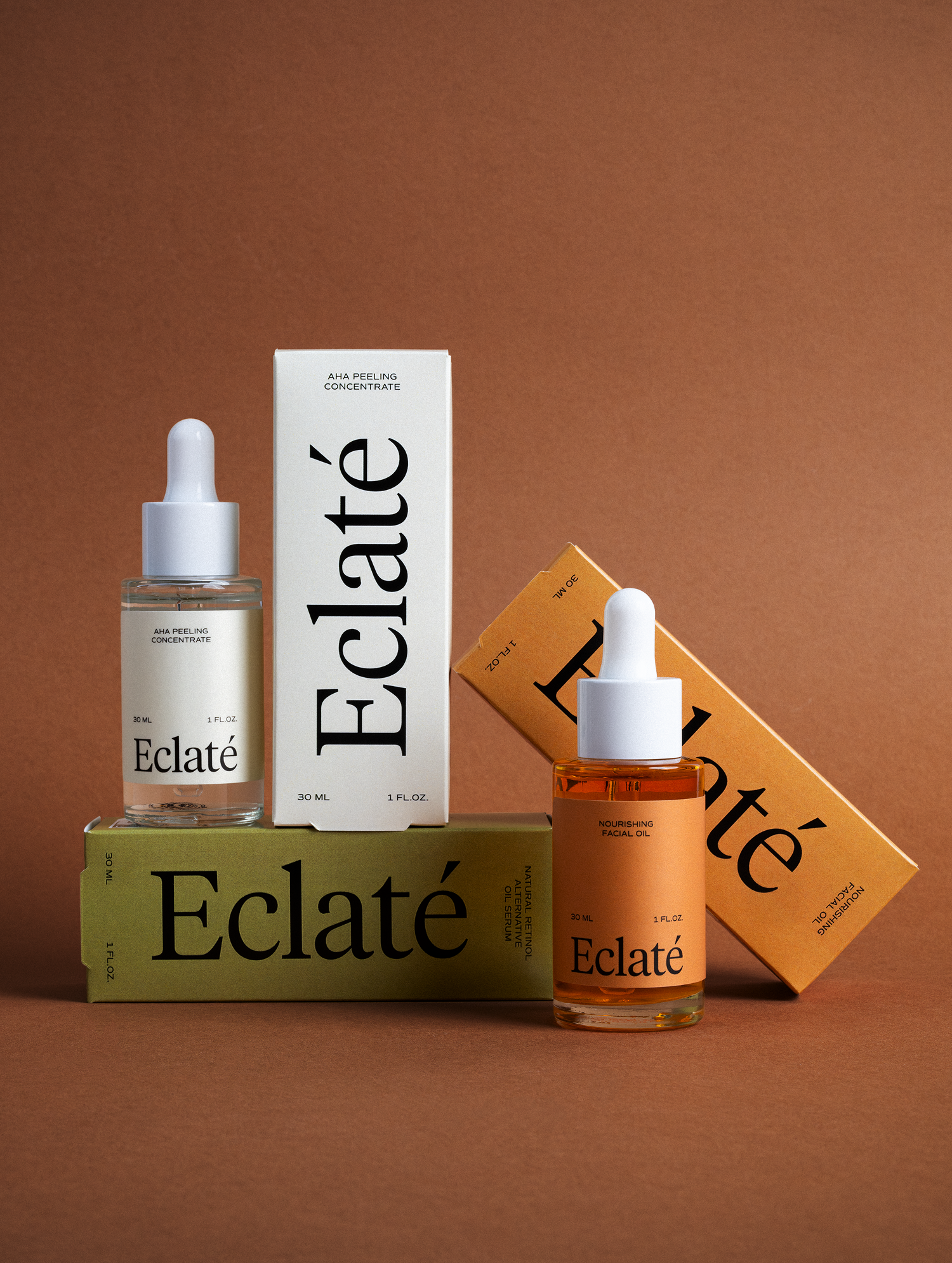
Here's what makes it an easy recommendation.
No minimum order. Your audience can start with a single product. Zero inventory, zero upfront stock commitment.
200+ ready-to-brand formulas. Face care, hair care, body care, and makeup, COSMOS-certified by ECOCERT and vegan-friendly, ready to brand from day one.
Free built-in Design Studio. A drag-and-drop tool that lets every buyer create their own branded label in minutes, no designer needed.
End-to-end fulfillment. Selfnamed handles production, packaging, compliance, and shipping from both EU and US locations.
Compliant and ready to sell. Every formula is pre-registered with the FDA in the US and the CPNP portals in the UK and EU.
Two decades of clean beauty R&D. Every formula is backed by more than 20 years of European skincare development and stability testing.
Global shipping to 30+ countries. Products ship from whichever hub is closest to the customer, cutting delivery times and costs.
Free to join. Your audience can create an account, browse the full catalog, and test the Design Studio before spending a cent.
If you know your way around the beauty industry, or you've just got a routine that turns heads, this is your opening. Apply to the Selfnamed Affiliate Program, share your link, and start earning.
Affiliate Do's and Don'ts
Becoming an affiliate is not a side-hustle. Even if you manage to create evergreen content that consistently converts, gaining passive income requires a dedicated strategy and experience.

Do:
Disclose the partnership. Tell your audience you earn a commission openly. It's required by the FTC, and honesty builds the trust that drives sales.
Recommend what fits. Promote products that genuinely suit your audience, even when it means passing on a higher commission elsewhere.
Lead with value. Teach, demonstrate, or entertain first. The recommendation should feel earned.
Be specific. "This is how I built my label in an afternoon" beats "check out this great platform."
Don't:
Spam links. Blasting a link with no context reads as desperate and converts poorly.
Promote everything. Recommend too much and your audience stops trusting any of it.
Over-promise. "Get rich overnight" claims break trust, and they can break disclosure rules.
Hide the relationship. Undisclosed affiliate links damage credibility fast when they're discovered.
A quick before-and-after:
Weak: "Start a beauty brand today, link below!"
Strong: "I always wondered how people launch their own skincare line without a factory. So I tried it: I designed a serum, put my label on it, and ordered a single unit to test. Here's exactly how it went, and what I'd do differently. My link gives you 10% off if you want to try it too."
Same link, very different result.
Conclusion
Affiliate marketing rewards people who recommend things they believe in, to an audience that trusts them. The mechanics are simple: share a link, earn on what sells. The craft is in the content, the consistency, and the honesty.
Selfnamed is one of the more rewarding programs to build that habit around. You earn 10% on every order a customer places for six months, repeat purchases included.
You're recommending a clean, certified platform that's genuinely useful to anyone curious about starting a beauty brand. And it's free to join. Try it for yourself, make the result speak for itself.
Frequently Asked Questions
-
There's no fixed earnings cap. Revenue depends on your audience size, how well your content converts, and the commission rate. Small, engaged audiences often earn more than large, passive ones. The model rewards consistency, since content you publish keeps earning long after you post it.
-
Selfnamed pays commissions monthly via PayPal, across the full six-month window on each referred customer.
-
No. A website helps, especially for SEO, but many affiliates earn through YouTube, email, or social media alone. Start with the channel where your audience already pays attention.
-
Every order a referred customer places within six months of their first purchase earns you 10% commission, repeat orders included.
-
It varies. Some content converts within days, while SEO-driven posts can take weeks or months to gain traction and then earn steadily. Affiliate marketing is a compounding game, not an overnight one.
-
No. Applications are reviewed personally, and what matters most is whether your audience is a fit for clean beauty and brand-building.
Must read