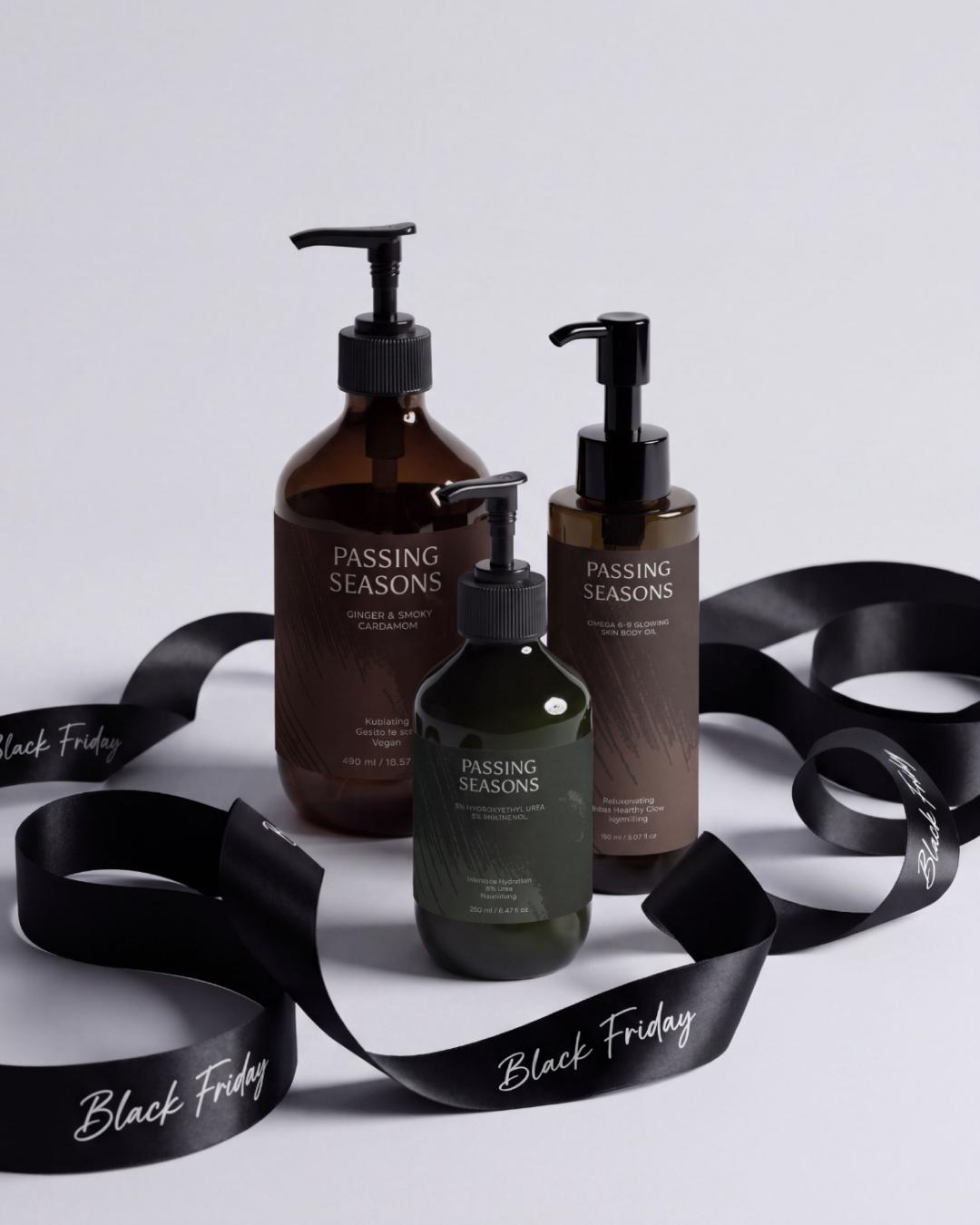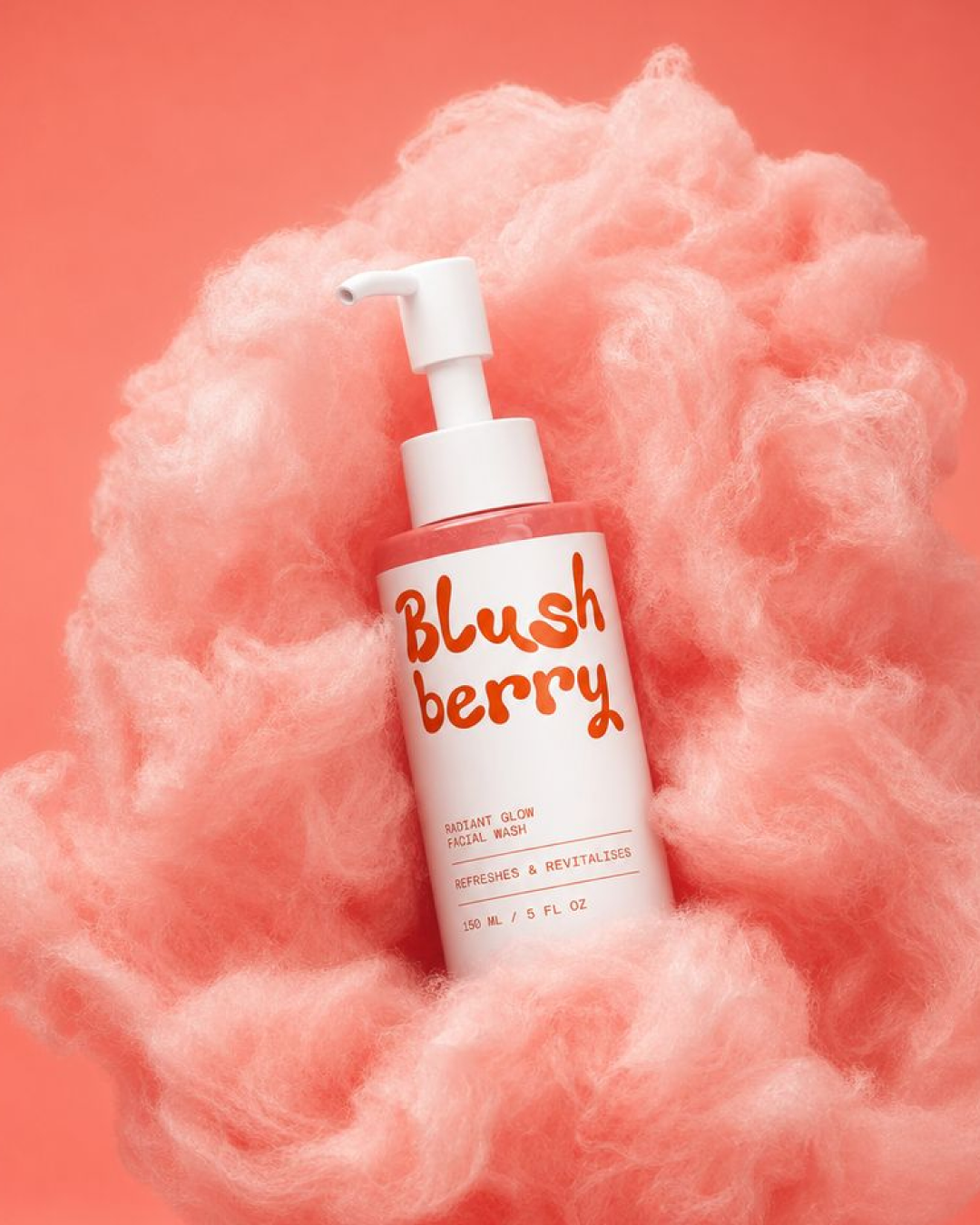
Table of Contents
Building a beauty brand means building two things at once: the product customers buy and the brand they encounter on their screens.
The second part can get overwhelming fast. TikToks every day? An Instagram grid to match? YouTube? And do you really need to juggle every platform in the first place?
Learning how to build a brand on social media starts by ignoring some of that noise. You need a clear identity, the right places to communicate it, and enough consistency for customers to understand what your brand is about.
This guide covers how to turn those foundations into a social media branding strategy: content, community, and a social media presence people remember.
Key Takeaways
A clear identity helps people recognize and remember your brand.
One or two platforms that fit your brand and audience are enough to start.
Content pillars make it easier to plan what to post.
A realistic posting rhythm keeps your presence consistent without burning you out.
Saves, shares, profile visits, and clicks reveal what's working.
Why Brand Building on Social Media Is Different From “Just Posting”
Posting keeps an account active. Social media branding makes it recognizable.
Think of successful beauty brands you can identify before you even see their names. Is it the packaging, photography, humor, or the way they talk about beauty?
Trending content changes, but something about the brand stays unmistakably theirs.
“If my logo disappeared from this post, would it still feel like my brand?” – if the answer is usually no, posting more probably isn't the solution you need to spend your time on.
Beauty feeds are already full of ‘shelfies’, routines, tutorials, transformations, and beautiful packaging. Looking good alone won't make you memorable.
Your point of view might.
Like making skincare feel uncomplicated for people tired of ten-step routines. Running a salon known for honest hair advice. Making your products feel playful and collectible.
That's the goal: giving people a reason to remember you and making your brand stand out. Before worrying about trends or posting schedules, decide what makes your brand feel like your brand.
Define Your Brand Identity Before You Post Anything
A strong social media presence starts with decisions you make before opening Instagram or TikTok. You need to know how your brand looks, how it speaks, and what makes it worth choosing.
Start with a simple exercise. Finish this sentence: “We are the beauty brand for people who…” Try to make the answer specific. “Care about their skin” could describe almost any skincare company. “Want an effective routine without turning their bathroom shelf into a laboratory” already gives you a little something to build on.
Your positioning doesn’t need to become a slogan. Its job is to give your social media content a direction. Once you know who you are talking to and why they should care, you can decide how that brand should look and sound.
Nail Your Visual Identity
Give yourself a few brand guidelines to play with. Think of them as a starting point, not hard rules: brand colors, fonts, photography style, and a consistent approach to product imagery. Together, these elements shape your brand image and make your content easier to recognize.
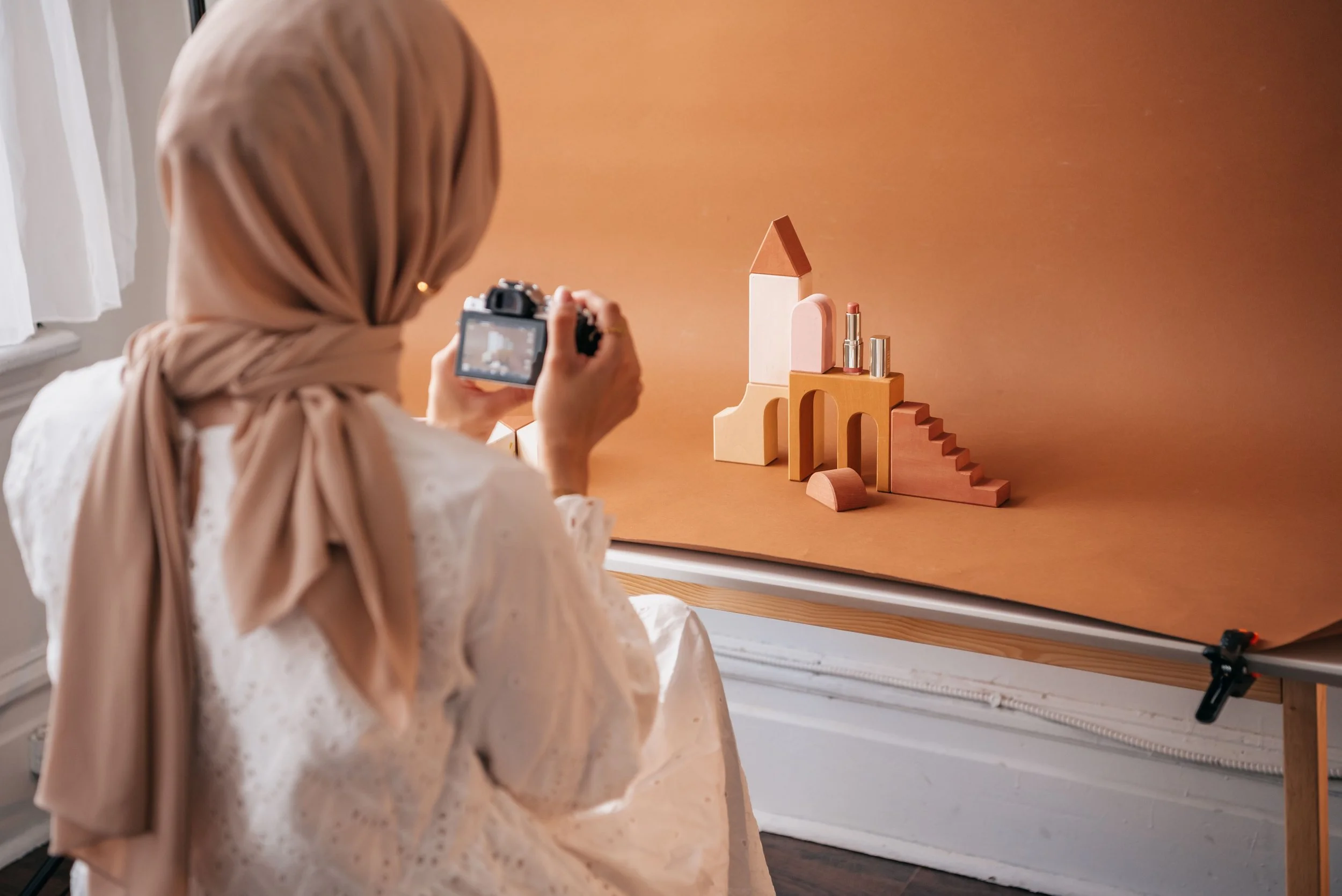
Packaging matters next. After all, your bottles and jars will end up in tutorials, ‘shelfies’, unboxings, and customer photos.
Take Selfnamed's private label products, for instance. We offer full customization for beauty founders, without the research and development associated with traditional manufacturing. Choose ready-made formulas and use the Design Studio to customize the labels with your brand visuals quickly and without high investment.


Finally, make sure the products support your story. If you promise uncomplicated skincare, a focused cleanser, serum, and moisturizer range makes sense.
When it comes to the actual tools you’ll need for social media content, free design software like Canva can help you create reusable branded templates. Explore our list of skincare templates for social media and beauty design and branding trends for inspiration.
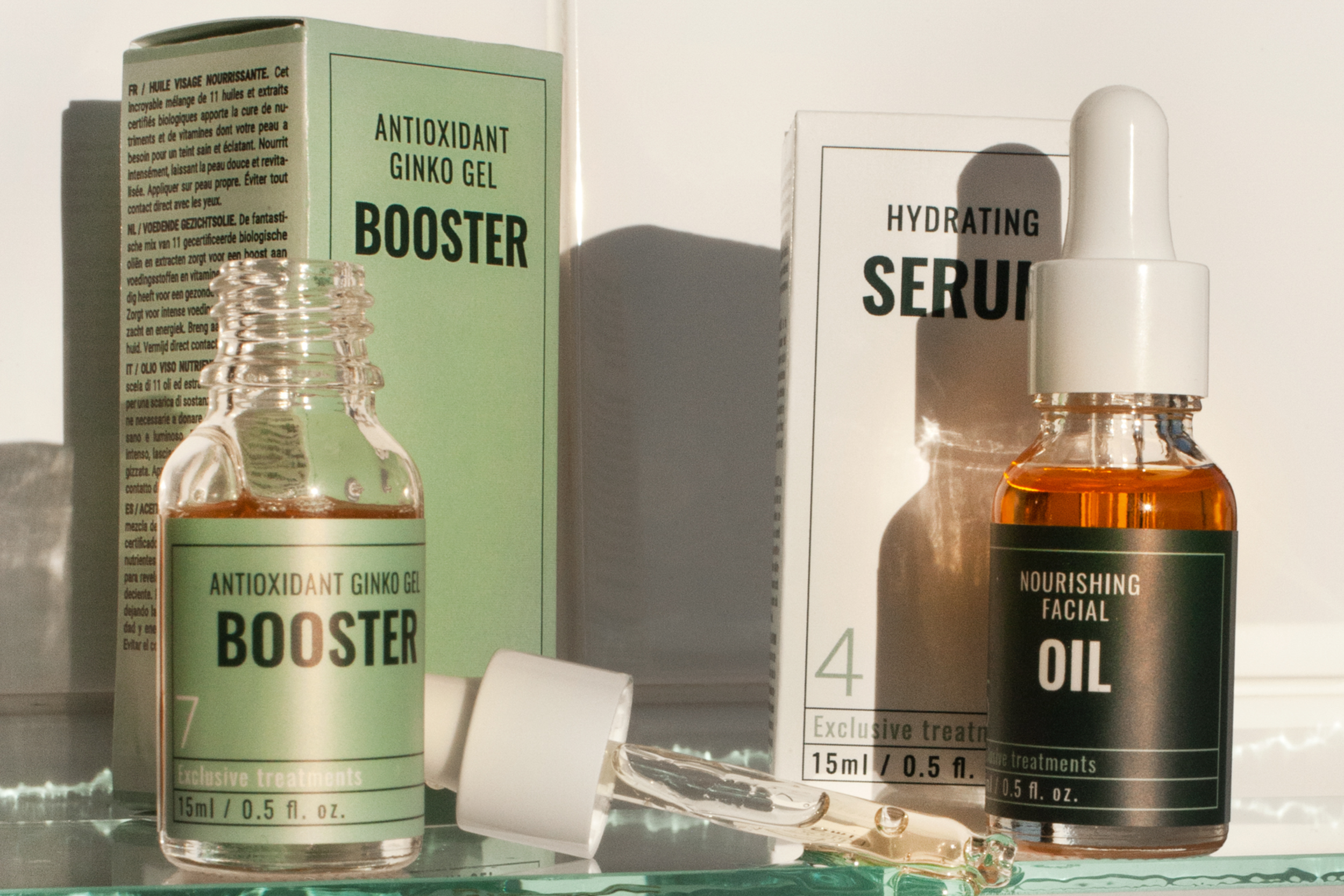
Consistent branding doesn't mean every post has to look identical. And don't polish away all the personality. Product textures, people, salon footage, customer content, and behind-the-scenes moments bring the brand to life.
Find Your Brand Voice
Visuals establish the look of the brand. Your voice brings the brand's personality to life.
Pick three words that describe how you want to sound, then make them concrete.
For example:
Knowledgeable: Explain ingredients without drowning people in terminology.
Reassuring: Help customers without making them anxious about every pore or fine line.
Playful: Leave room for humor, personality, and unexpected language.
Think about what doesn't fit your voice, too. A brand promising uncomplicated skincare probably shouldn't promote elaborate routines.
Starface shows how a distinctive voice can become part of the brand itself. Its star-shaped pimple patches come with memes, slang, pop-culture references, and Big Yellow. It’s playful, but it also supports the bigger idea: breakouts aren’t embarrassing.
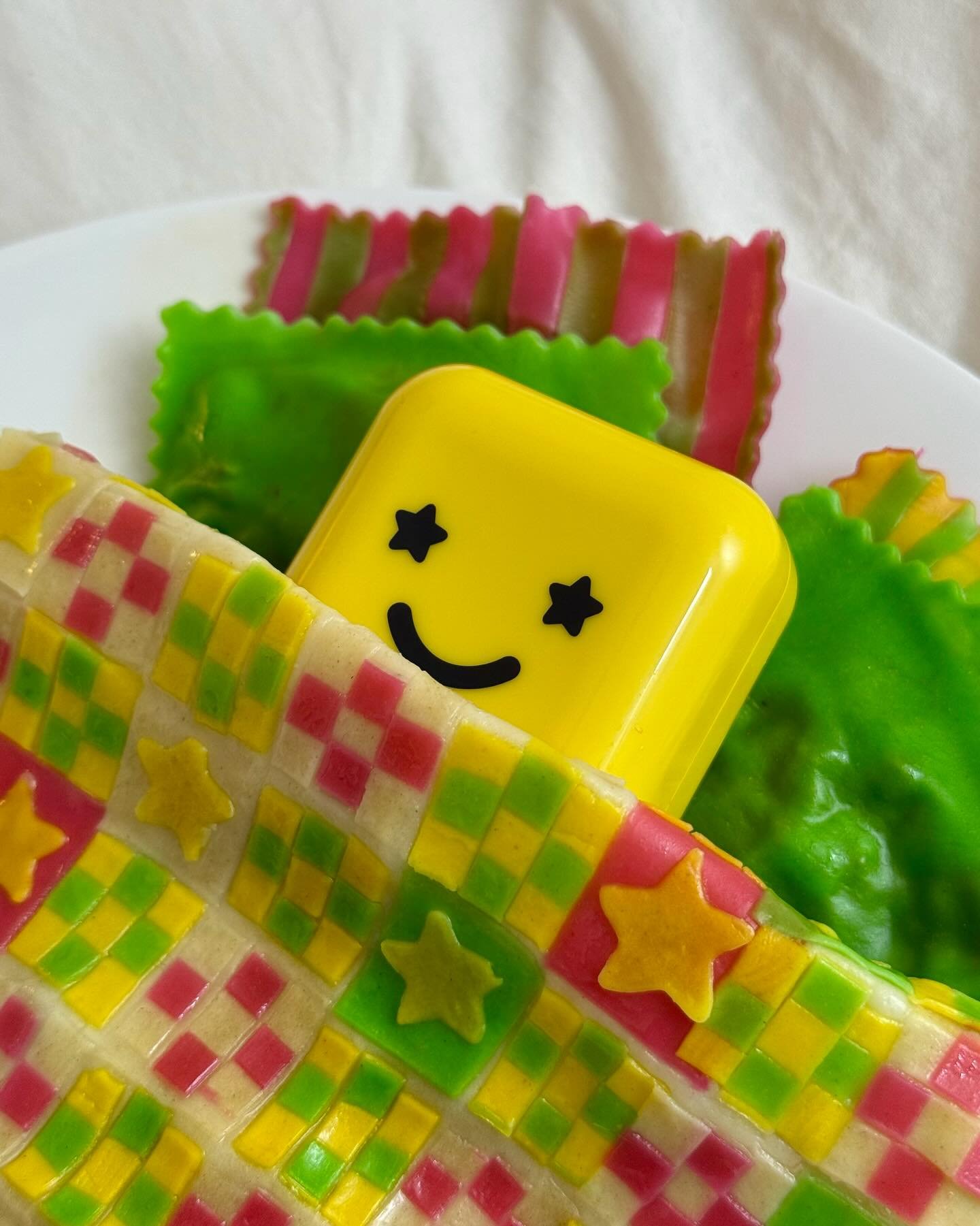
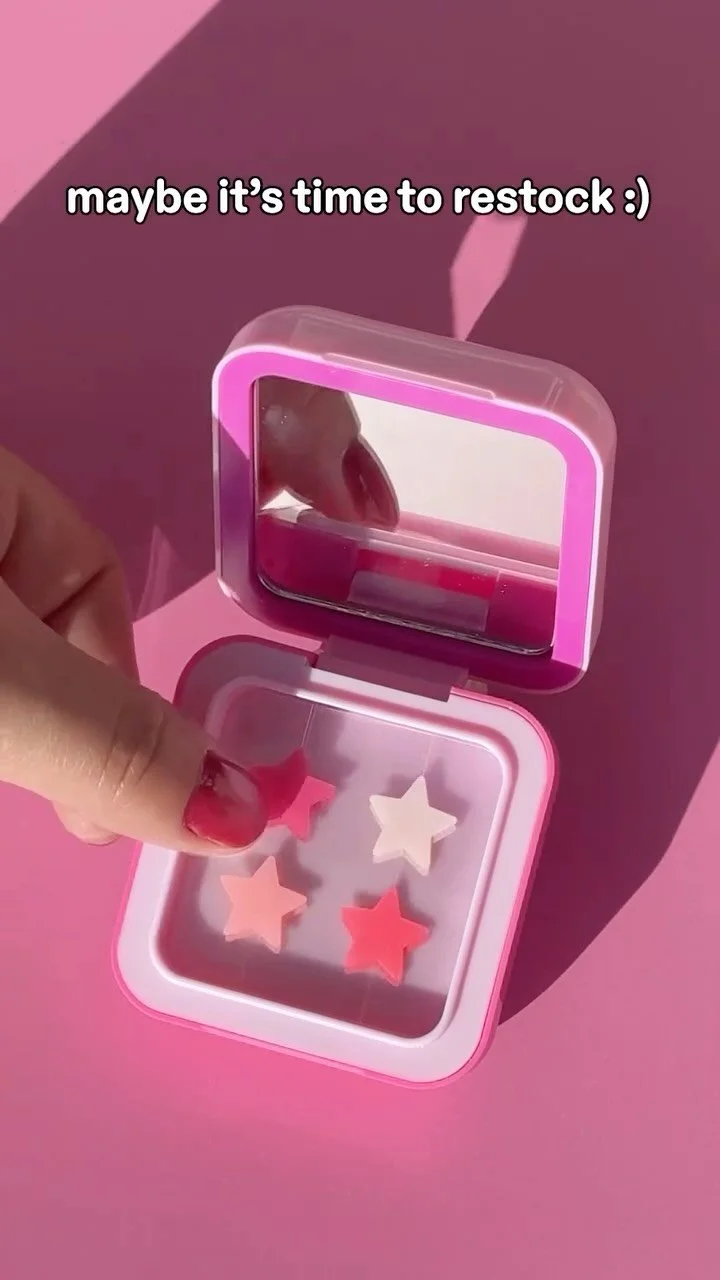
Source: Starface Instagram
It has a consistent brand voice, recognizable across a caption, Reel, or reply.
Once you know how your brand looks and sounds, the big question is: where should it show up?
Choose the Right Platform to Build a Brand on Social Media
You probably don't need to be everywhere. Choose the social media channels that actually suit your brand.
For most new beauty businesses, that means starting with one main social platform and one secondary one. Here's the quickest way to narrow it down:
| Platform | Best For | Think… |
|---|---|---|
| Building the visual world of your brand | Reels, product shots, before-and-afters, reviews, routines | |
| TikTok | Showing personality and expertise | Tutorials, founder videos, transformations, honest beauty advice |
| Content people actively search for and save | Skincare guides, hair inspiration, routines, beautiful product imagery | |
| Building the business and founder profile | Founder stories, industry expertise, retailers, salons, partnerships |
What Does That Look Like in Practice?
Take Rhode. Hailey Bieber doesn't just appear in campaign images. She demonstrates products, shares routines, films tutorials, and takes followers behind the scenes. The face, taste, and beauty habits of her team and audience are part of how people experience the brand online.
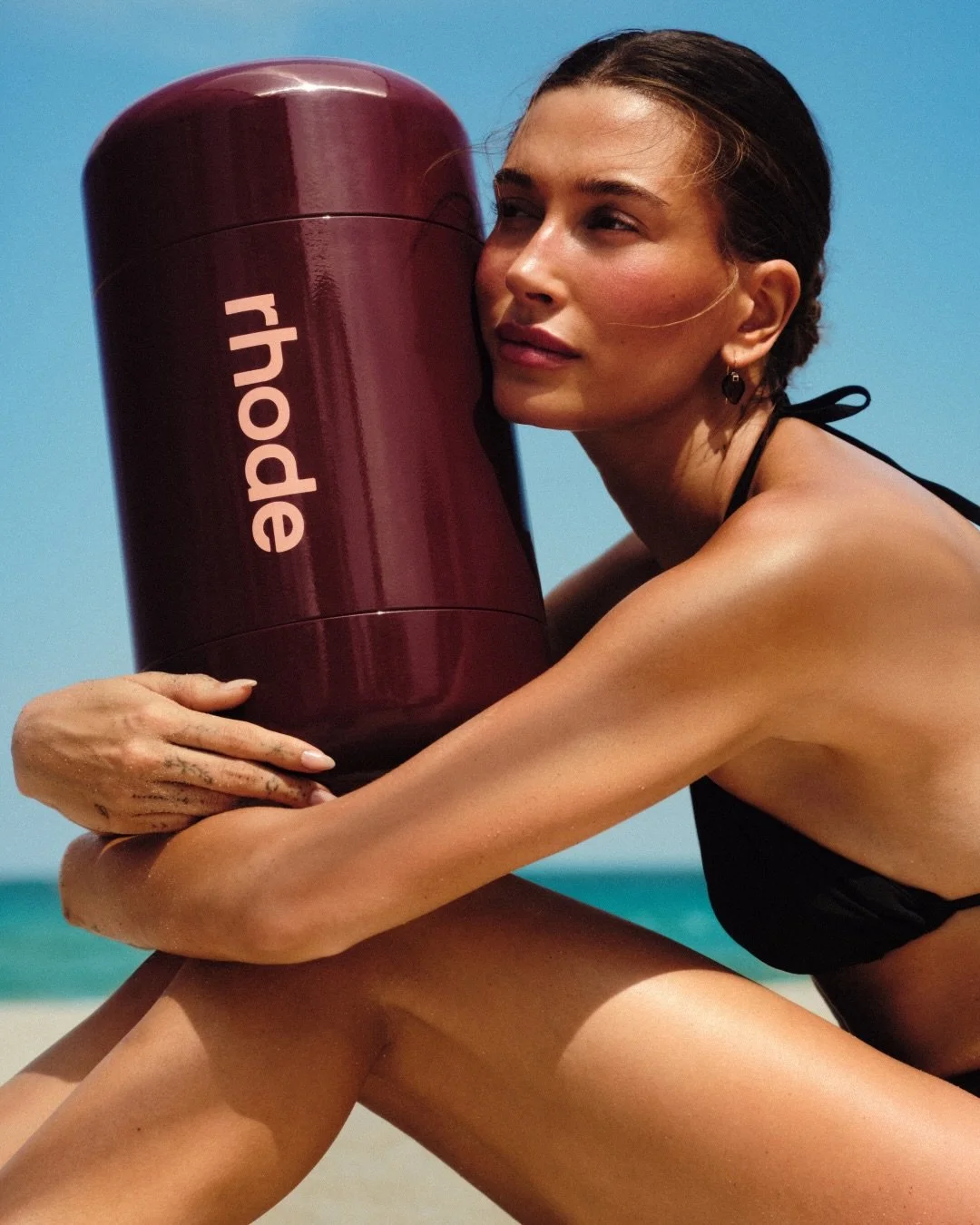
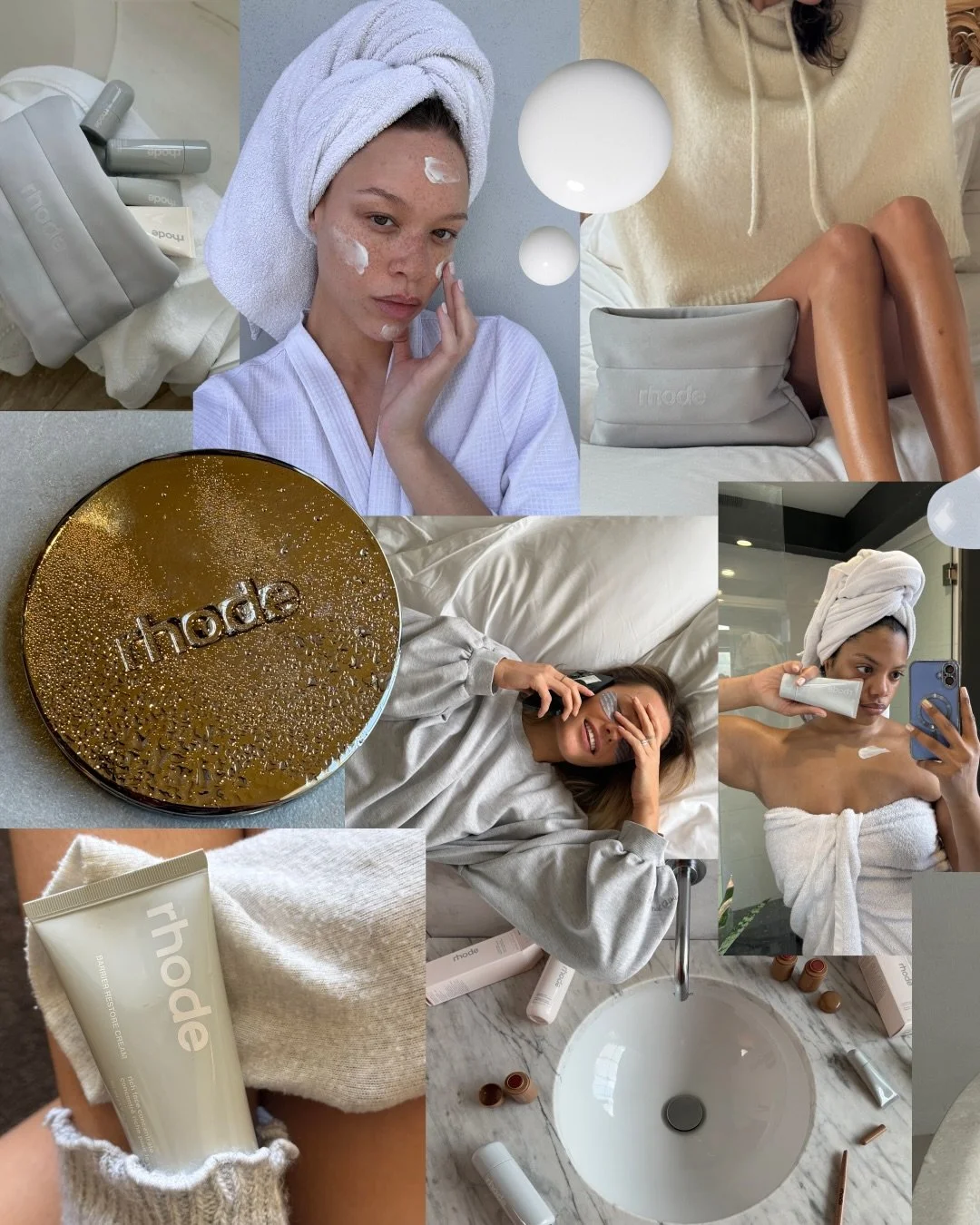
Source: Rhode Instagram
A small beauty founder obviously isn't starting with Bieber's audience. But that's not the useful part of the example. The useful part is that Rhode plays to what it has.
What do you have?
If you're a facialist who can explain skincare brilliantly on camera, TikTok or Reels gives you somewhere to use that expertise.
If you run a salon and already photograph every great transformation, Instagram gives those images a natural home.
If you create genuinely useful hair or skincare guides, Pinterest and search engines can keep sending people to that content long after publication.
Now ask yourself:
Where does my target audience look for beauty ideas or recommendations?
What kind of content am I actually good at making better than others?
Which social media platform would I still be willing to use six months from now?
The overlap is where you should start.
You can always expand later. First, learn what your audience responds to on one or two platforms. Then comes the more interesting question: what are you going to talk about once they're listening regularly?
How to Create a Brand Presence on Social Media With Content Pillars
Content pillars give your social media strategy structure – and solve the dreaded “What are we posting today?” problem. Pick three to five themes you can consistently use.

For a skincare brand built around simple routines, that might mean:
Education: Decode confusing ingredients, answer skincare questions, or explain when a product is really necessary.
Products: Show textures, application, routines, results, and the people using your formulas.
Behind the scenes: Introduce the founder, share packaging decisions, or take customers through launch preparations.
Community: Feature reviews, customer routines, user-generated content, and questions from your audience.
Brand point of view: Share your brand story and the beliefs behind the business, whether that's skin minimalism, realistic hair maintenance, or a less perfection-driven approach to beauty.
Similarly, salons can adapt pillars around treatments, at-home care, stylist personalities, transformations, and everyday salon life. Find more ideas in our salon branding guide.
The categories can stay broad, but your angle should be specific.
That's what turns a general topic into engaging content people actually want to follow. “Education” might become “helping customers build a skincare routine without buying products they don't need.” Now you have something you can actually create around.
Building the brand can become content too. Try building your catalog with Selfnamed's private label products and consider your products, packaging, samples, and launch preparations to plan how to reflect your content around those choices.
Turn One Idea Into Several Posts
You don't need a completely new idea every time you create content.
Suppose customers often ask whether they need both a serum and a moisturizer. That one question could become:
a 30-second Reel answering it;
a carousel explaining the difference;
an Instagram Story poll;
a product demonstration;
a founder Q&A responding to follow-up questions.
That's five pieces of content built around one genuinely useful customer question.


Repeatable formats make this even easier. Our skincare social media templates can help turn recurring ideas into product highlights, educational posts, reviews, and more.
Before adding anything to your content calendar, ask: which pillar does this belong to, and why would my customer care?
Build a Consistent Posting Schedule (Without Burning Out)
Three good social posts a week beat fourteen rushed ones followed by a month of silence.
Make content creation easier by batching the work. Spend one afternoon shooting products, textures, routines, and short videos. In another session, prepare visual material for stills, promos, and banners. Keep your workflow categorized and practical. A steady rhythm is what fuels sustainable growth.
Then, build a small content bank you can plan around, leaving room for spontaneous Stories, customer posts, and the occasional trend that's actually worth jumping onto.
Here’s how you can make every idea do more work:
| Start With | Repurpose It Into |
|---|---|
| Product demonstration | Reel, close-up photos, Stories, product page clip |
| Customer question | Q&A video, carousel, FAQ Story |
| Client transformation | Before-and-after, stylist tip, testimonial |
| Founder video | TikTok, Reel, quote graphic, Stories |
| Customer review | Testimonial post, product graphic, Story |
Repurpose good ideas across platforms so your branded content works harder. A detailed Instagram carousel can become a 20-second TikTok, while its strongest tip can be a recap Story the following week.
Adapt the format and opening so the content feels at home on each platform.
Once the content is ready, scheduling tools can take some of the routine work off your plate. Later and Buffer both let brands plan and schedule social media posts in advance.
That leaves more time for the parts you can't schedule: creating good content and talking to the people who respond to it.
Read more: Social media marketing is only one part of getting your products noticed. Explore more ideas for reaching customers in our guide to marketing beauty products.
Grow Your Beauty Brand on Social Media Through Community
Being small has an advantage: your social media presence can feel genuinely personal while you're still building the brand.
When you’re just starting out, you can build directly with your audience. Customers get to vote on packaging, suggest a product name, or watch the first orders get packed.
That can make a growing brand genuinely fun to follow and more intimate. Customers get to see it take shape – and sometimes even influence what comes next.
Glossier is a famous example. Before launching the brand, Emily Weiss built Into The Gloss around conversations about beauty products and real people's routines. Glossier grew from that community.


Source: Glossier Instagram
The lesson for smaller brands: listen early, give customers reasons to participate, and treat every early interaction as a step toward increasing brand awareness.
Give your audience opportunities to join in:
Let them vote. Packaging, product names, content ideas – ask before everything is final.
Turn questions into posts. If one customer asks whether your serum works under makeup, others want to know too.
Put customers in the spotlight. Repost and attribute user-generated content such as ‘shelfies’, routines, salon results, reviews, and unboxings.
Show the messy middle. Samples, rejected designs, boxes arriving, and photoshoot mishaps can be more interesting than a polished campaign.
Know your regulars. Someone who comments every week or constantly tags your salon is already becoming a brand advocate. Make them feel valued.
Choose Creators for Fit, Not Just Reach
Once you’ve grown a small presence, you can start thinking about influencer marketing.
Partnering with influencers works best when the creator fits your products and brand story. Imagine you're launching a scalp serum, a curl cream, and a facial serum with a science-led focus.
Would you advertise all three products with the same creator just because they have the biggest following?
Probably not.
Dr Michelle Wong of Lab Muffin Beauty Science has built an audience around cosmetic science and evidence-based skincare, making her a natural fit for a formula with an interesting ingredient story. Destinee Wray creates curly-hair content, so a curl cream already belongs in the conversation she's having with her audience.
That's the kind of match you're looking for. Before focusing on numbers, look at what a creator already talks about, uses, and recommends.
Would your product look completely natural sitting on their bathroom shelf? Would you still want them talking about it if you couldn't see their follower count?
For salons, the right match may be closer to home: a local hairstylist, makeup artist, or beauty creator whose followers could actually become customers.
And once you've found the right fit, don't hand them an ad script. Give them the important product facts and room to speak in their own voice. Authenticity builds trust.
Measure Whether Your Brand Building on Social Media Is Working
Likes are nice. What people do next tells you more.
Are they saving your posts, visiting your profile, clicking through to your website, tagging your products, or coming back to comment again? A viral post can be exciting, but thousands of views from the wrong people may do very little for your brand and profit.
Look at several signals together:
| Signal | What It Can Tell You |
|---|---|
| Saves | People find the content useful enough to return to |
| Shares | Your content is worth passing to someone else |
| Profile visits | A post made people curious about the brand behind it |
| Website clicks | Social attention is turning into product interest |
| Repeat commenters | People are beginning to form a relationship with your brand |
| Customer tags and UGC | Customers want to include your brand in their own content |
| Brand-name searches | People remember you well enough to look for you directly |
Connect social media signals to your sales to see whether your social media marketing is actually bringing people closer to a purchase. Use trackable links, discount codes, and website analytics to see which channels bring visitors and customers, and which marketing efforts deserve more of your time.
Then, look for patterns. Which Instagram posts get saved? Which TikToks drive profile visits? Is Pinterest sending website traffic? Are LinkedIn posts reaching partners?
Apps like Sprout Social can track performance across channels. Even built-in platform analytics from channels like Shopify may be enough when you're just starting out.
Finally, don't obsess over follower count. A smaller audience of potential customers beats a large one that’s not the right fit.
Conclusion
Building a beauty brand on social media takes time, but the goal is surprisingly simple: make it easy for the right people to understand who you are and remember you.
That familiarity develops through dozens of small encounters. Someone saves your skincare tip today, sees your product in a creator's routine next week, spots the familiar packaging a month later, and eventually visits your store when they need what you sell.
Give those encounters something in common. A clear visual identity, a distinct voice, useful content, and genuine conversations help individual posts add up to a stronger digital presence.
You don't need every post to go viral. You want people to see your content and think, “I know this brand.”
That's the recognition you're building toward.
Frequently Asked Questions
-
Building a recognizable brand on social media usually takes consistent effort over time rather than one successful post. How quickly it happens depends on your starting audience, content quality, posting consistency, niche, and how actively you engage with customers. Look for gradual signs of progress: repeat commenters, more profile visits, saves and shares, customer tags, and people beginning to search for your brand by name.
-
Instagram and TikTok are strong starting points for many beauty brands because products can be demonstrated visually through routines, tutorials, transformations, and short-form video. Pinterest can work particularly well for searchable, evergreen beauty inspiration, while LinkedIn is more relevant for founder-led and B2B goals. Choose the platform where your target customer spends time and where you can consistently create content that fits your brand.
-
There is no single posting frequency that works for every beauty brand. Choose a schedule you can maintain without sacrificing content quality. For a small business, a few useful, well-planned social media posts each week can be a more realistic starting point than trying to publish every day. Consistency matters more than filling the calendar.
-
Personal branding builds recognition around an individual, while brand building develops the identity of a business or product. The two can overlap. A beauty founder might appear regularly in tutorials and behind-the-scenes videos, for example, while still building a separate visual identity, voice, and point of view for the company.
-
No. A small beauty brand can start with a clear visual identity, a smartphone, simple design tools, and a realistic content plan. Customer questions, founder videos, product demonstrations, reviews, salon transformations, and behind-the-scenes moments can all become useful content without a large production budget. Spend strategically as the brand grows rather than assuming polished campaigns are necessary from day one.
Must read