How To Sell Skincare On Amazon
Table of Contents
How To Sell Skincare On Amazon
Amazon used to be the place people went to buy phone chargers, dog food, and the occasional impulse purchase. Today, it's one of the biggest skincare retailers in the beauty industry.
And it makes sense. Unlike separate brand stores, customers get to compare ingredients, read reviews, engage with the community, and discover new brands directly on Amazon. In many cases, shoppers arrive with a specific concern in mind and leave with a product in their cart.
Chasing that dragon to get more sales is the exciting part. Keeping inventory, orders, and fulfillment under control as your business grows is where the real battle begins.
Launching your first skincare line or looking to scale an existing beauty business? Learning how to sell skincare on Amazon can help you reach new customers and grow more efficiently.
So, where do you start?
We'll walk you through what it takes to get your products onto Amazon, how to make your listings work harder for you, and a few pitfalls that catch more brands than you'd think.
Key Takeaways
Amazon is one of the largest online channels for beauty products, with shoppers who are already actively browsing the category.
Amazon offers two fulfillment models – FBA, where stock is sent to Amazon's warehouses in advance, and FBM, where a third-party partner handles distribution.
FBM is the more practical route for private label skincare brands and those selling through Selfnamed, since it requires no upfront inventory commitment.
Shopify and Amazon can be connected to keep listings, inventory, and orders aligned across both channels automatically.
Listing quality – titles, descriptions, ingredients, imagery, and correct categories – directly affects both visibility and conversion.
Why Amazon Is a Strong Sales Channel for Beauty Brands
For many customers, Amazon is a regular part of how they research, compare, and buy skincare products. For beauty brands, it's an opportunity to be the solution they’re looking for.
In many cases, buyers arrive with a specific concern in mind and start comparing products almost immediately. Here’s some of the strengths that make Amazon a sales channel worth pursuing.
Massive Customer Reach
Amazon's audience is difficult to ignore. Millions of shoppers search for beauty products, skincare products, and other items within the personal care category every day. As a result, Amazon has become one of, if not the, largest channels for beauty products sold online.
Building a brand for that level of visibility on your own can take a very long time. On Amazon, your products can appear alongside established brands from day one, giving customers a chance to discover them even if they've never come across your business before.
For newer beauty brands, including those launching private label products, that can make a real difference. Instead of relying entirely on your website, social media, or paid advertising, you gain access to shoppers who are already actively browsing the category.
Built-In Purchase Intent
A person scrolling social media and a person searching Amazon are usually doing two very different things. One is often looking for entertainment. The other is looking for a product.
When someone is searching for a peptide serum, vitamin C treatment, or barrier-supporting moisturizer, they're often much closer to making a purchase decision. They're comparing options, reading reviews, checking ingredients, and deciding what deserves a place in their skincare routine.
Better Product Discovery
Getting customers to notice your products isn't always as easy as creating a great product. If only it were…

Amazon helps by recommending products throughout the shopping experience. Between related product suggestions, "Frequently Bought Together" recommendations, customer reviews, and category browsing, shoppers often discover products they weren't specifically searching for.
On your own website, discovery often depends on your marketing efforts. Amazon keeps putting relevant products in front of shoppers throughout the buying process. And for skincare brands, that can lead to sales that might never have come from a direct search alone.
More Than a Marketplace
Not long ago, the path to purchase was relatively straightforward. Someone searched Google, read a few reviews, visited brand websites, and eventually made a purchase.
Today, discovery happens almost everywhere. Social media, beauty creators, skincare communities, and AI-powered skin analysis tools all influence buying decisions.
Some of these platforms can even recommend products based on a user's skin concerns and send shoppers directly to Amazon, where they can add the suggested products to their cart and build a complete skincare routine within minutes. In many cases, Amazon becomes the final destination in a discovery journey that started somewhere else entirely.
What You Need Before Selling Skincare On Amazon
Getting your skincare products onto Amazon involves a few moving parts, like setting up your seller account and understanding how orders actually reach your customers.
Before diving into the setup, it's worth making sure the foundations are in place and that you have a clear picture of how the fulfillment side of the business works.
The good news is that none of it is particularly complicated, and if you’re already a Selfnamed seller, a large part of the operational groundwork is already handled for you.
Set up your account and documentation:
Create an Amazon Business seller account.
Review Amazon's requirements for cosmetic products – US guide or EU guide.
Prepare any required compliance or safety documentation for your products.
Get your brand information and identity verification ready for account approval.
How Amazon Fulfillment Works
Fulfillment is the process of getting a product from a warehouse to a customer's door. On Amazon, there are two ways to handle it.
The first is Fulfilled by Amazon (FBA), where you ship your inventory to Amazon's own warehouses in advance. Amazon then stores, packs, and ships orders on your behalf. The trade-off is that you're committing stock upfront – which means forecasting demand, managing storage fees, and taking on inventory risk before you've made a single sale.
The second is Fulfilled by Merchant (FBM), where fulfillment happens outside of Amazon's warehouses. You're responsible for storing and shipping products yourself – or working with a fulfillment partner like Selfnamed who does it for you.
How Selfnamed Handles Fulfillment For Your Amazon Store
For Selfnamed sellers, FBM is the more practical route – and the one this guide is built around.
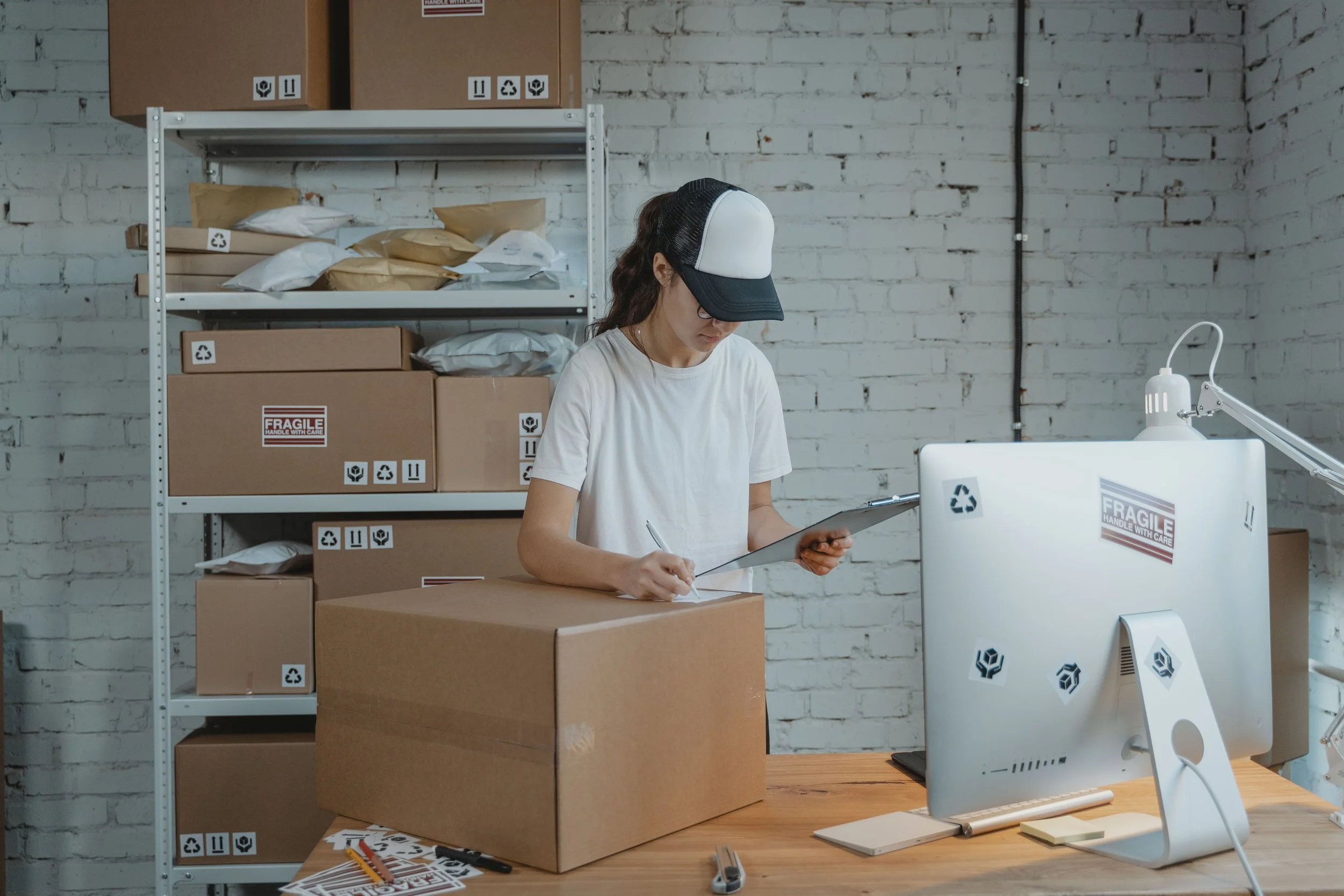
Selfnamed produces your private label skincare products and fulfills orders on your behalf directly from our warehouse. That means you're not holding inventory, investing in storage, or coordinating your own shipping logistics. You’re only curating and branding products to sell.
When an order comes in, Selfnamed handles the picking, packing, and dispatch.
Combined with Shopify, this creates a setup where your store, your Amazon channel, and your fulfillment are all connected. Orders placed on Amazon flow through to Selfnamed automatically, without manual work on your end. For a new brand looking to reach Amazon customers without the overhead of a traditional retail operation, it's one of the more accessible paths to market.
How To Sell Skincare On Amazon Using Shopify
If you're already selling through Shopify with Selfnamed handling fulfillment, adding Amazon as a sales channel doesn't require building a separate operation from scratch. If you're not on Shopify yet, you can get started with the Selfnamed Shopify integration before continuing.
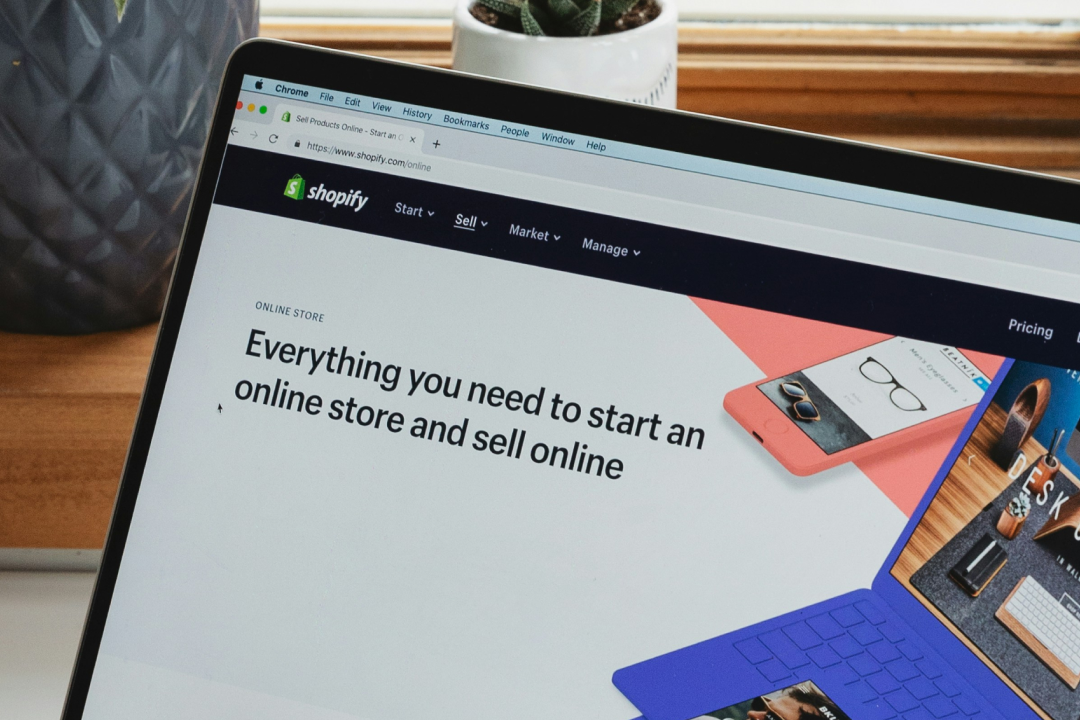
The setup works by connecting your existing Shopify store to Amazon, so that orders placed on Amazon flow automatically through to Selfnamed for fulfillment on your behalf.
Here's how the setup works.
Set Up Your Amazon Seller Account and Listings
To start selling on Amazon, you'll need a Business seller account – individual accounts aren't eligible. Once approved, you can add your products in Amazon Seller Central and set fulfillment to Fulfilled by Merchant (FBM), which is what allows Selfnamed to handle fulfillment for you.
Connect Shopify and Amazon
With your Amazon account and Shopify store both in place, the next step is linking them using Shopify Marketplace Connect – an app built by Shopify that syncs your listings, inventory, and orders across both channels. Once your products are matched between the two platforms and showing an active offer status, they're live on Amazon.
Before going live, switch your shipping profile in Selfnamed from the default to your own. It's an easy step to miss, but skipping it means Amazon orders will arrive with a shipping method Selfnamed doesn't recognize, and fulfillment requests will be declined.
Let Orders Flow Once You're Live
Once the integration is set up, the day-to-day largely runs itself. A customer orders on Amazon, the order syncs to Shopify, and Selfnamed picks it up for fulfillment automatically.
When tracking is available, you confirm the shipment in Amazon Seller Central. Then, your customer receives all order communication directly from Amazon under your seller profile.
For the full setup walkthrough with screenshots, see the Amazon FBM setup guide.
Since growth doesn't stop with Amazon, you might find these guides helpful as you scale your beauty business:


How To Optimize Your Skincare Listings For Sales
Getting your beauty products onto Amazon is only half the battle. The next challenge is convincing buyers to choose your product over the similar options sitting right next to it.
A well-optimized listing can help you do exactly that – and for new brands to start selling beauty products on Amazon, it's often what separates a product that gets noticed from one that doesn't.
Write Clear Product Titles
Your product title is often the first thing shoppers see when browsing Amazon stores.
While it can be tempting to squeeze every possible keyword into the title, readability still matters. A shopper should be able to understand what the product is and why it might be relevant to them without having to click around for more information. Clear, accurate product titles also help Amazon surface your listings to the right shoppers in the first place.
Focus On Ingredients, Benefits, And Labeling Requirements
Many skincare shoppers know exactly what they're looking for, and a professional account delivers it.
Whether customers want hydration, brightening, barrier support, or anti-aging benefits, they’re looking to understand what's inside the product and why it's there. Your product descriptions should clearly explain what ingredients are included, what they do, and who the product is for.
Shoppers shouldn't have to dig through your listing to figure out whether a product is right for them. And the same for Amazon – labeling requirements are worth getting right from the start.
Amazon's beauty category has specific expectations around how cosmetic products are described and presented, and accurate product detail – including ingredient lists and claims – is part of what keeps your listings compliant and your account in good standing.
Select the Right Product Categories
Where your product sits on Amazon affects who finds it. Skincare products typically fall under the beauty category, the personal care category, or a more specific subcategory depending on the product type.
Selecting the correct product categories for each listing helps your products appear in the right searches and alongside the right competition. Miscategorized listings can limit visibility and, in some cases, create compliance issues within Amazon's beauty category.
Use Lifestyle Imagery
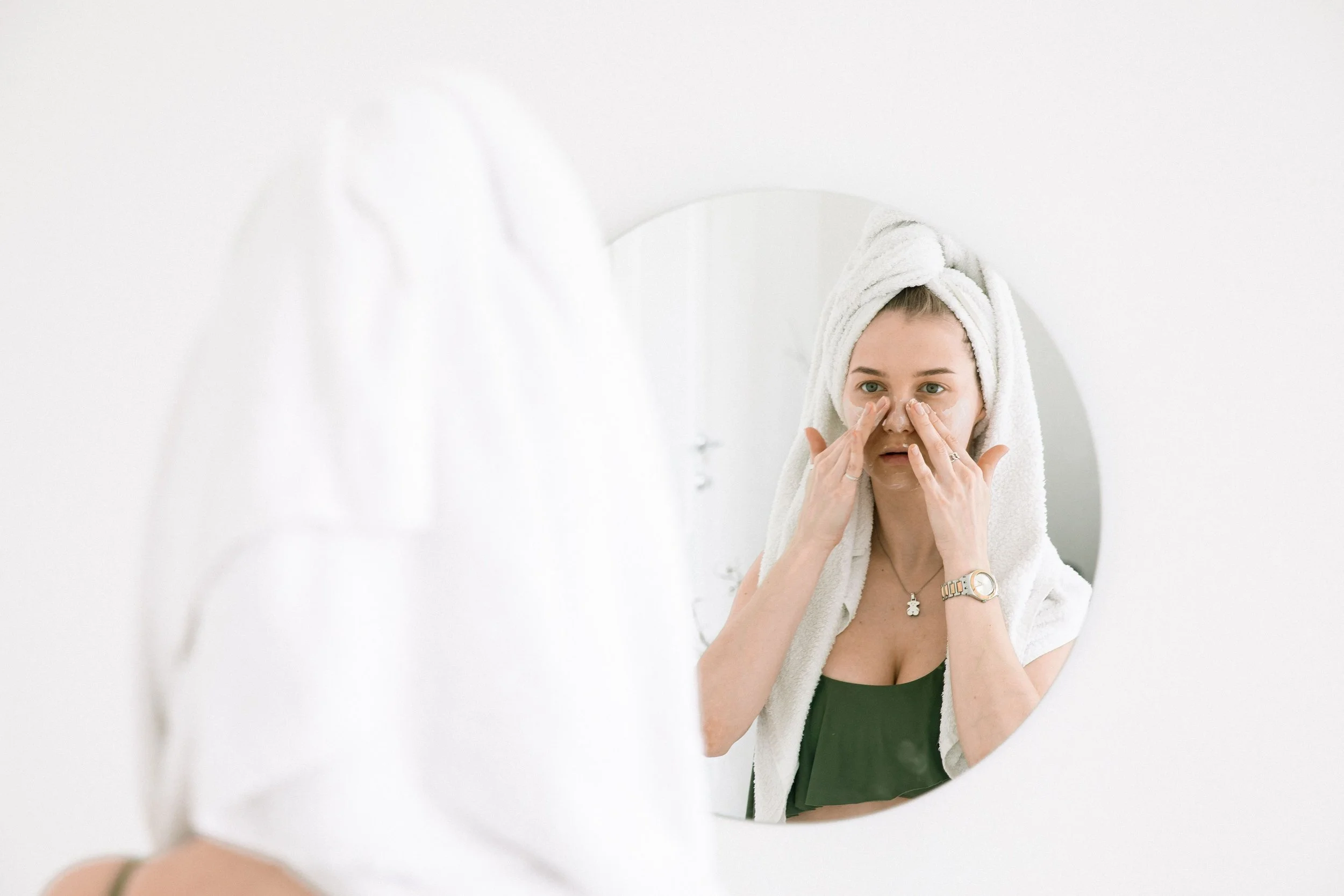
Product photos show shoppers exactly what they're buying and lifestyle imagery helps them understand how it fits into everyday life. For beauty brands, that context makes a difference.
This is especially helpful when customers are seeing your brand for the first time. Strong imagery builds confidence in a way that product descriptions alone often can't.
Build Reviews and Social Proof
People trust other customers.
Positive reviews, customer photos, and user-generated content help shoppers understand what to expect before adding a product to their routine. For private label brands and newer beauty products on Amazon, social proof is often what closes the gap between browsing and buying.
Don't Ignore Search Engine Optimization (SEO)
Amazon is a search engine as much as it's a marketplace. Optimizing product listings with relevant keywords can improve visibility across the Amazon marketplace and help more shoppers discover your cosmetic products within Amazon's beauty category.
That said, keywords can help shoppers find your products, but they won't convince anyone to buy. That's where clear, useful product detail comes in. The best listings do both: they get found, and they convert.
Common Mistakes Skincare Brands Make On Amazon
Selling on Amazon can open the door to a lot of new customers. But it can also expose some weaknesses that might not be that obvious when you're selling through a single channel.
Here are some of the mistakes skincare brands most often make.
Treating Amazon as an Afterthought
Some brands invest heavily in their website while giving very little attention to Amazon.
And that is something customers will notice.
Incomplete listings, outdated information, and neglected product pages can make even great products look less trustworthy than they actually are.
Ignoring Customer Reviews
Reviews aren't just there to boost social proof.
They can tell you what customers like, what frustrates them, and what questions keep coming up.
Brands that ignore reviews often miss opportunities to improve both their products and the way they're presented.
Running Out of Stock
Few things disrupt momentum faster than inventory problems.
The more orders you receive, the more important it becomes to stay on top of inventory.
If customers can't buy a product when they're ready to purchase, there's a good chance they'll choose an alternative instead.
Inconsistent Branding
Customers rarely interact with a brand in just one place.
They might discover you on social media, visit your website, read your Amazon listing, and eventually place an order.
If those experiences feel disconnected, it becomes harder for customers to recognize and remember your brand.
Consistency is what ties all of those customer touchpoints together.
Trying To Scale Too Quickly
It's tempting to do everything at once. Launch new products. Expand to additional marketplaces. Increase advertising spend.
Growth is important, but trying to tackle everything simultaneously can quickly become difficult to manage.
In most cases, it's better to get one channel running smoothly before adding the next. Once the basics are working, scaling becomes much easier.
Conclusion
Amazon gives skincare brands access to customers who are actively looking for products, but getting products in front of them is only part of the equation.
People compare ingredients, read reviews, check photos, and weigh up multiple options before deciding what deserves a place on their bathroom shelf. The easier it is for customers to understand why your product is worth buying, the better your chances of standing out.
For private label brands, the operational side of the business doesn't have to be the hard part. With Selfnamed handling production and fulfillment, and Shopify connecting your store to Amazon, the infrastructure is largely taken care of.
What's left is building a brand worth buying from – strong listings, accurate product information, and a consistent experience across every channel your customers encounter.
You don't need to get everything right from day one. Start with the fundamentals, improve as you learn, and let the setup work for you.
Frequently Asked Questions
-
Yes. Many brands successfully sell beauty products on Amazon, including cleansers, serums, moisturizers, masks, and other skincare products. As with any beauty category, products must comply with Amazon's requirements and provide accurate product information.
-
Costs vary depending on your selling plan, fulfillment method, and the products you're selling. In addition to Amazon's selling fees, many brands also factor in advertising, storage, and fulfillment costs when calculating profitability.
-
Yes. Shopify can be connected to Amazon, allowing brands to keep products, inventory, and orders more closely aligned across both channels. This can help reduce manual work and make day-to-day operations easier to manage.
-
There isn't a single product category that guarantees success. In general, skincare products with clear benefits, strong differentiation, and consistent customer demand tend to perform best. Serums, moisturizers, cleansers, and targeted treatment products are common examples.
-
Start with clear product titles, accurate product information, strong imagery, and relevant keywords. Product descriptions should explain key ingredients, benefits, and who the product is designed for. Reviews and social proof can then help reinforce trust and confidence in the product.
-
For many small beauty brands, yes. Amazon can provide access to customers who may never have discovered the brand otherwise. While competition can be strong, a well-presented product and a clear brand proposition can help smaller brands compete effectively.
Must read