Best White Label Business Opportunities in 2026

Table of Contents
Many of the products you see in stores or online aren’t actually made by the brands selling them. Yet that doesn’t make the companies that work with white label suppliers any less successful.
The supplier makes the product. The brand owns the name, the look, and the reason to buy, and reaches the market faster because the product already exists.
So where do you start? Here are the best white label opportunities for 2026, and what does it take to turn one into a real business.
Key Takeaways
The white label model lets you sell existing products under your own brand.
Skincare, makeup, hair care, apparel, tech accessories, digital goods, and candles all offer different opportunities.
You can start a white label business with a small, focused range and grow based on what customers buy.
Compare white label manufacturers carefully, especially their quality, costs, minimum orders, and lead times.
What Is White Label and How Do You Start?
White labeling is a way to sell products under your own brand without making them yourself. A supplier produces white label products, and you sell them under your own name.

The process is fairly simple:
Pick what you'll sell and find suppliers who offer it. Start with the product, then track down the manufacturers who make it.
Order samples before you commit. Try the product yourself and decide whether it's something you'd put your brand name on.
Run the numbers. Weigh the supplier price, shipping, packaging, fees, and any other costs against what customers will realistically pay. Check minimum order requirements too, especially if you want to start small.
Add your branding and get it ready to sell. What you can customize depends on the supplier, from several label and packaging options to more limited choices.
White label and private label are often confused, but they work a little differently. With white label products, you're usually choosing an existing product that may also be sold by other brands. Private label generally gives you more room to change the product itself, such as its formula or specifications.
You can then sell through your own online store, marketplaces, retail partners, or whichever channels make sense for the business.
The Best White Label Business Opportunities Right Now
White label works across industries, from beauty and fashion to tech, home, and lifestyle. Seven categories stand out for 2026. Skincare, makeup, hair care, apparel, tech accessories, digital goods, and candles.
What they share is a head start. Each is a product people already understand, so you're branding something familiar instead of explaining a new category.
White Label Skincare

White label skincare sells because it's already a daily habit, and that habit splits into a lot of specific needs. Each one is a different way for a new brand to find its niche. Hydration, sensitive skin, blemishes, sun care, body care, and signs of aging can all lead to very different product ranges.
What’s especially interesting right now is that customers are becoming more selective. NIQ’s 2026 beauty research found that people are simplifying their routines while expecting more from the products they keep. Efficacy, credible ingredients, and products that can do more than one job are playing a bigger role in those decisions.
In the U.S., face creams, serums, and eye treatments drove most of the growth in prestige facial skincare in the first quarter of 2026, while clinical brands captured more than a third of skincare dollar sales.
That range of needs is your opening to get specific. Build around one skin concern, one type of customer, or a simpler routine than the crowded shelf offers.


White Label Makeup
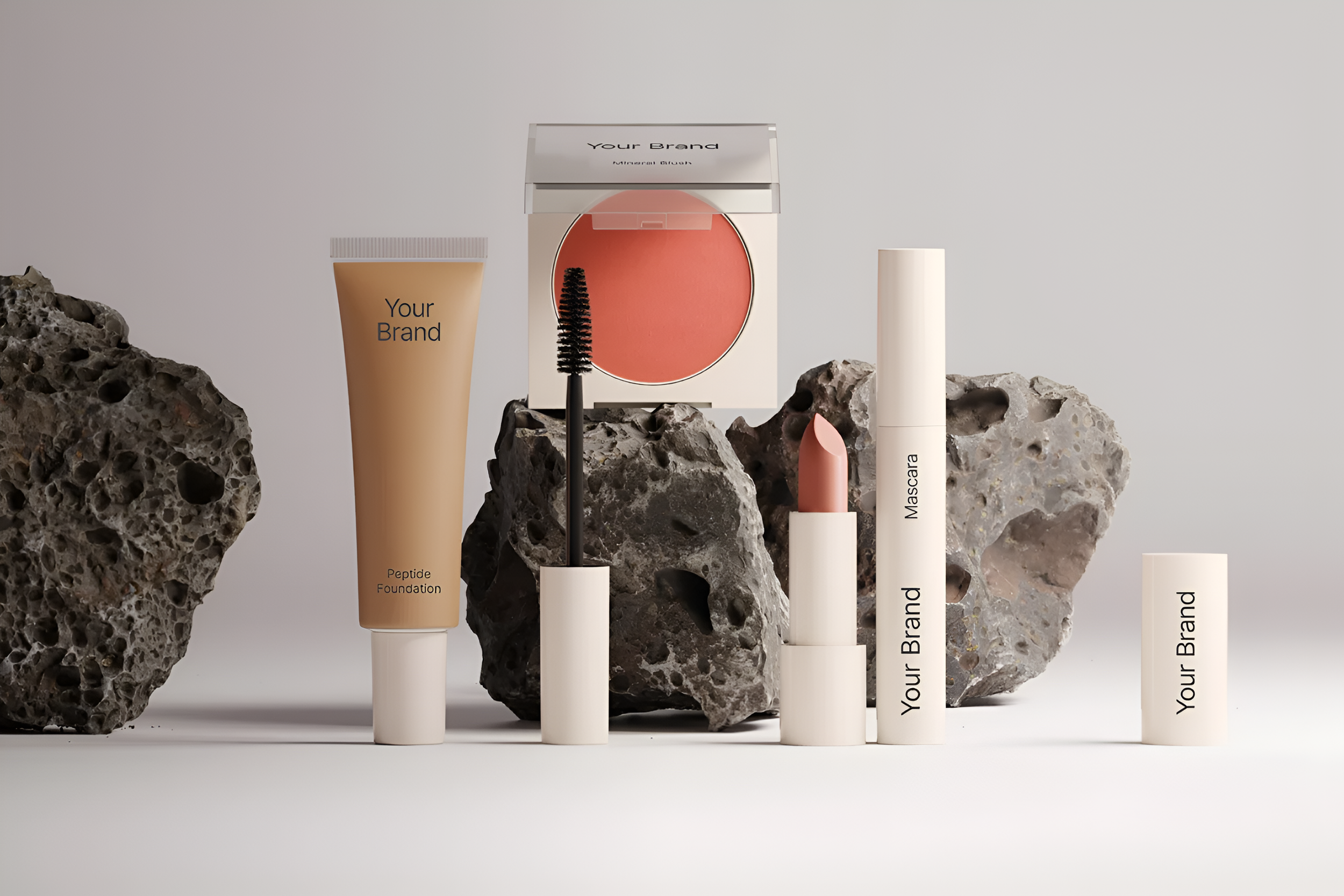
In white label makeup, the look is the product. Color, finish, texture, and format decide how a collection feels, and all of them are yours to shape even when the formula underneath is ready-made.
That feels especially relevant in 2026. After years of minimalist makeup, brighter colors and more expressive looks are making a comeback.
That comeback is an opening to experiment. Start a makeup brand around a few standout products, see what customers respond to, and grow the collection from there.
Of every category here, makeup is where a brand's personality shows most directly.
White Label Hair Care
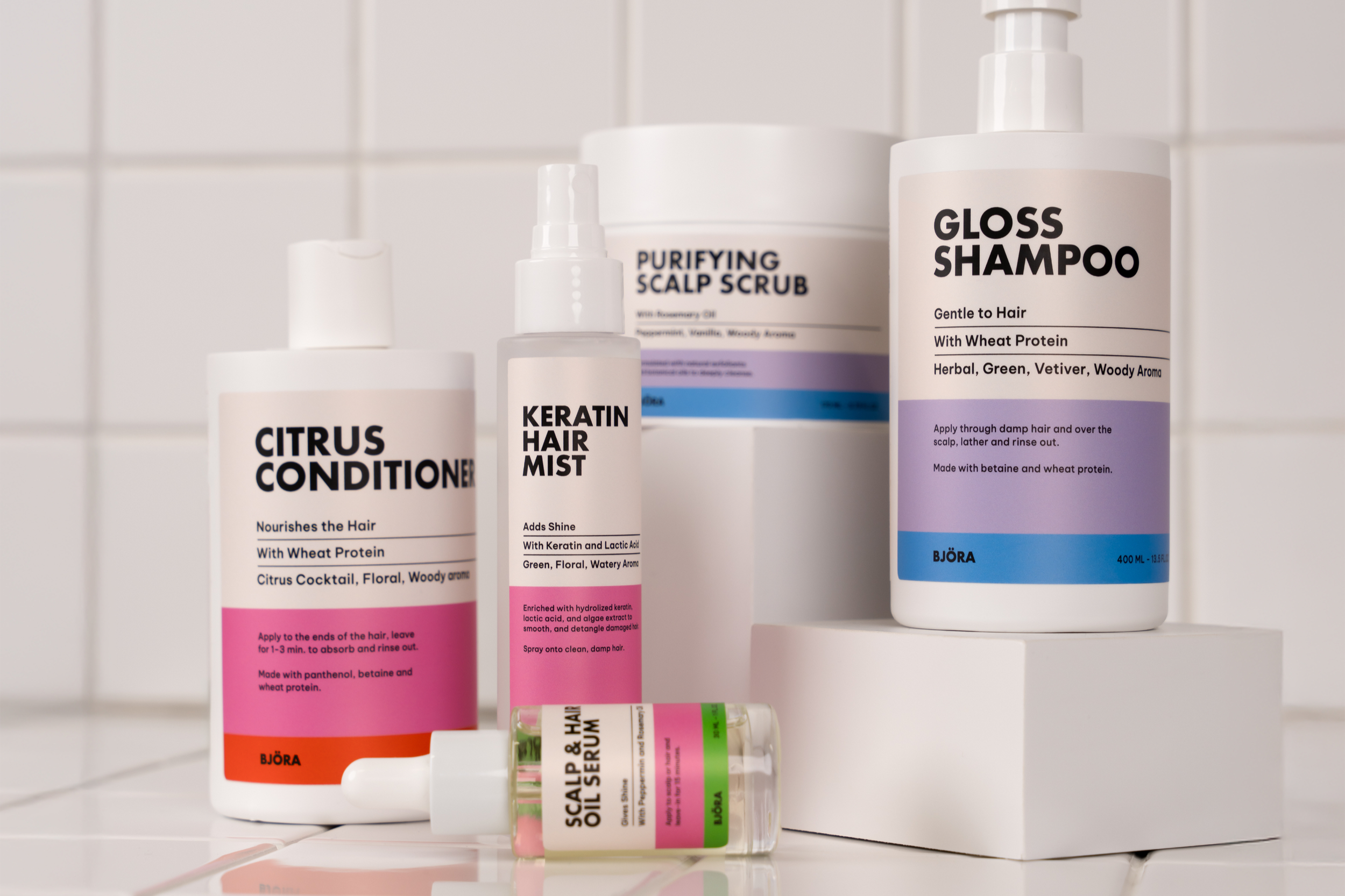
Hair care customers have moved past the basics. They're actively looking for hair care products that do more than clean and condition.
McKinsey’s 2026 beauty research shows that hair care is growing at both ends of the market. Premium brands are leaning into professional-grade products and new technology, while more affordable brands are bringing similar innovations to a wider audience.
So the range runs well past shampoo and conditioner. Build around treatments, masks, oils, scalp products, or another specific need your customers already care about.
White Label Apparel

A blank T-shirt, hoodie, or cap becomes a different product depending on who it's for. Runners, gamers, a local community, creators, fans of a particular style. The audience is what turns generic white label into a brand with a dedicated niche.
There’s a healthy market behind that idea. The global blank apparel market is expected to reach $16.6 billion in 2026, with customization and print-on-demand helping drive demand. T-shirts and tanks alone accounted for 48.4% of the market in 2025.
Print-on-demand also gives smaller brands a practical way to test white label products to sell without committing to a large run of every design.
If you choose this route, pay close attention to the blank product itself. Fabric, fit, sizing, and print quality can make a big difference, regardless of which white label manufacturers handle production.
White Label Tech Accessories

With tech accessories, the customer already knows what they need and why. Phone cases, chargers, screen protectors, stands, and power banks solve familiar, everyday problems, so you're meeting demand that already exists instead of creating it.
Protective cases are a good example. They accounted for 32% of the mobile accessories market in 2025, according to Grand View Research.
Quality deserves extra attention with these white label solutions. A charger that fails or a case that fits badly becomes obvious pretty quickly. Before choosing a supplier, test the product yourself and check compatibility, materials, and how it holds up with regular use.
You can also make a broad category feel more focused by choosing a specific audience, such as travelers, gamers, commuters, or people building a particular desk setup.
White Label Digital Goods

Digital goods strip out the physical costs entirely. There's no stock to store and no parcels to ship, and the same product sells to a customer anywhere without a second production run.
The options are broad. You could look at software, templates, reports, educational resources, SEO tools, or digital marketing services. Business software is already part of everyday work for many companies. In 2025, 53% of EU enterprises used specialized software for ERP, customer management, or business intelligence.
The challenge when selling white label products digitally is giving customers enough value to keep using them. A useful tool, reliable support, and a smooth experience can matter much more than having a huge catalog.
White Label Candles
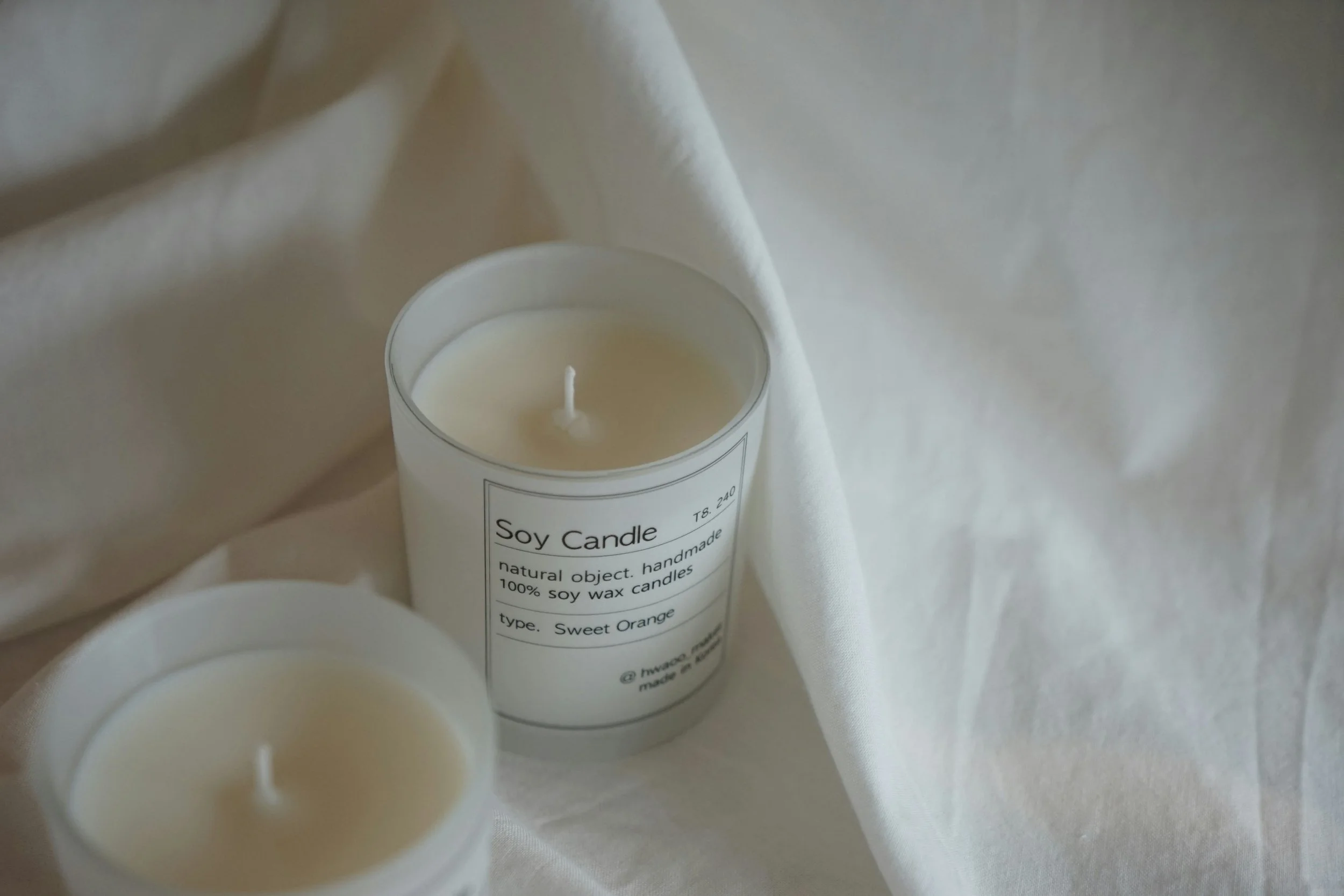
People buy candles for how they make a room feel, not for what they do. Scent, mood, gifting, and how a candle looks on a shelf drive the decision far more than function.
That emotional pull is what you're really branding. Build a collection around a season, a mood, an occasion, or a signature scent, and the product does a lot of its own selling.
And because the product is so sensory, ordering samples matters. How it smells when lit and how well it burns will tell you much more than the packaging alone.
How to Spot a Strong White Label Opportunity
Not every product works for a white label business. Some markets are crowded, some products don’t make much money, and some just don’t fit your brand. The trick is knowing how to spot the good ones. Here’s what to look at:
Check Market Demand for White Label Products
Start with signs that people are already interested. Search trends, marketplace reviews, social media conversations, and bestseller lists can all help you see what customers are buying and what they still want.
Pay attention to why people buy, too. A steady need or recurring problem can give a white label brand more to work with than a product enjoying a short burst of attention.
Know Your Profit Margins Upfront
The supplier price is only part of your cost. Add packaging, shipping, payment fees, returns, storage, and marketing before deciding whether the numbers work.
Then compare the total with a realistic selling price. A successful white label business needs enough room between the two to cover unexpected costs and still make a profit.
Size Up the Competition
Competition can tell you a lot about an opportunity. Look at what established sellers charge, which products get the most reviews, and what customers complain about.
Those complaints are particularly useful. If the same issue keeps appearing, you may have found a way to offer something better or speak to a customer the existing options are overlooking.
Vet Your Supplier Before You Commit
Your supplier has a direct impact on the product customers receive, so take time choosing a white label company. Order samples, ask about lead times and minimum orders, and check relevant testing, documentation, or certifications.
For beauty products, it also helps to know what to look for when comparing white label skincare manufacturers. At Selfnamed, we make it easier to start small with no minimum order, so you can test products before deciding what belongs in your range.
Pick Products That Fit Your Brand Story
A product should feel like it belongs under your name. Think about who your white label brand is for and whether the product makes sense alongside anything else you sell or plan to add later.
A smaller, connected range is usually easier for customers to understand than a catalog filled with unrelated products.
Tips for Building a White Label Brand That Sells

Finding good white label business ideas is only the beginning. Once you’ve chosen a product, the way you launch and grow it matters just as much.
Start with a focused range. Choose a few white label products to sell that make sense together. You can add more once you see what customers actually buy.
Make the brand easy to recognize. Keep the look, tone, product photography, and messaging consistent.
Make your online store useful. Clear photos, honest descriptions, pricing, ingredients or specifications, and shipping information help customers make a decision.
Listen to early customers. Reviews, questions, returns, and repeat purchases can tell you which products deserve more attention and where something needs fixing.
Stay close to your supplier. Good white label manufacturers should be able to keep quality consistent as orders grow. Keep an eye on lead times and product quality rather than assuming the first good sample guarantees every future order.
You’ll learn more once the products are actually in customers’ hands. Use those early sales and feedback to decide what deserves more attention and where your range should go next.
The Bottom Line on White Label in 2026
There are plenty of white label opportunities to explore in 2026, and they can suit very different kinds of businesses. Beauty gives you room to build around specific customer needs. Apparel can tap into communities and interests. Digital products have their own advantages when it comes to selling and scaling.
Whichever direction you choose, the product still has to make sense for your audience and your budget. Supplier quality, realistic margins, and a clear idea of who you want to sell to will shape how far you can take it.
The white label model gives you a practical starting point because much of the product development has already been done.
If you’re ready to start a white label business, choose something you genuinely see potential in, start with a manageable range, and let real customer response guide what comes next.
Frequently Asked Questions
-
Beauty is a strong place to look, especially skincare, makeup, and hair care. Apparel, tech accessories, digital products, and candles can work well too, depending on what you want to sell and who you want to sell it to.
-
Find a supplier whose formulas match the kind of skincare brand you have in mind, then order samples and try them yourself. Once you’re happy with the products, you can choose your range, add your branding, set your prices, and start selling.
-
That really depends on what you’re selling. If you want to launch a beauty brand, Selfnamed is built specifically for white label skincare, makeup, and hair care, with tools for customizing products and handling fulfillment.
-
There’s no set amount, as it depends on the product and supplier. Your biggest costs will usually be the products themselves, branding, shipping, store setup, and marketing.
-
It depends on the supplier and how much you want to customize. Since white label products are already developed, the process can move faster than creating your own product. But branding, samples, production, and shipping still take time.
-
White label usually means choosing a formula that's already available, while private label tends to give you more freedom to change the product itself. The differences become clearer when you compare private label vs. white label side by side.
-
Yes. Some white label manufacturers let you order one product at a time, while others set a minimum quantity, so it’s worth checking before you start a white label business.
-
Start with samples. You’ll also want to check how the white label company handles quality, lead times, documentation, minimum orders, and communication before trusting them with your brand.
Must read