Best White Label Products to Build Your Brand

Everyone owns at least one white label product, often without realizing it. Take a look around your bathroom, kitchen, or desk and there’s a good chance something started with one manufacturer before being sold under a completely different brand name.
Have you thought about launching your own brand or expanding your existing product range? White labeling gives you a way to do that without developing a product from scratch or building your own manufacturing operation. Instead, you can focus on the parts customers actually see: the brand, positioning, packaging, and shopping experience.
The bigger question is what to sell. Some products are better suited to white labeling because they have steady demand, repeat-purchase potential, or plenty of room for branding. Others can be harder to differentiate once dozens of businesses start selling something similar.
Let's take a look at the best white label products to sell, why they’re worth considering, who buys them, and what to look for before choosing a product or manufacturer.
What Are White Label Products?
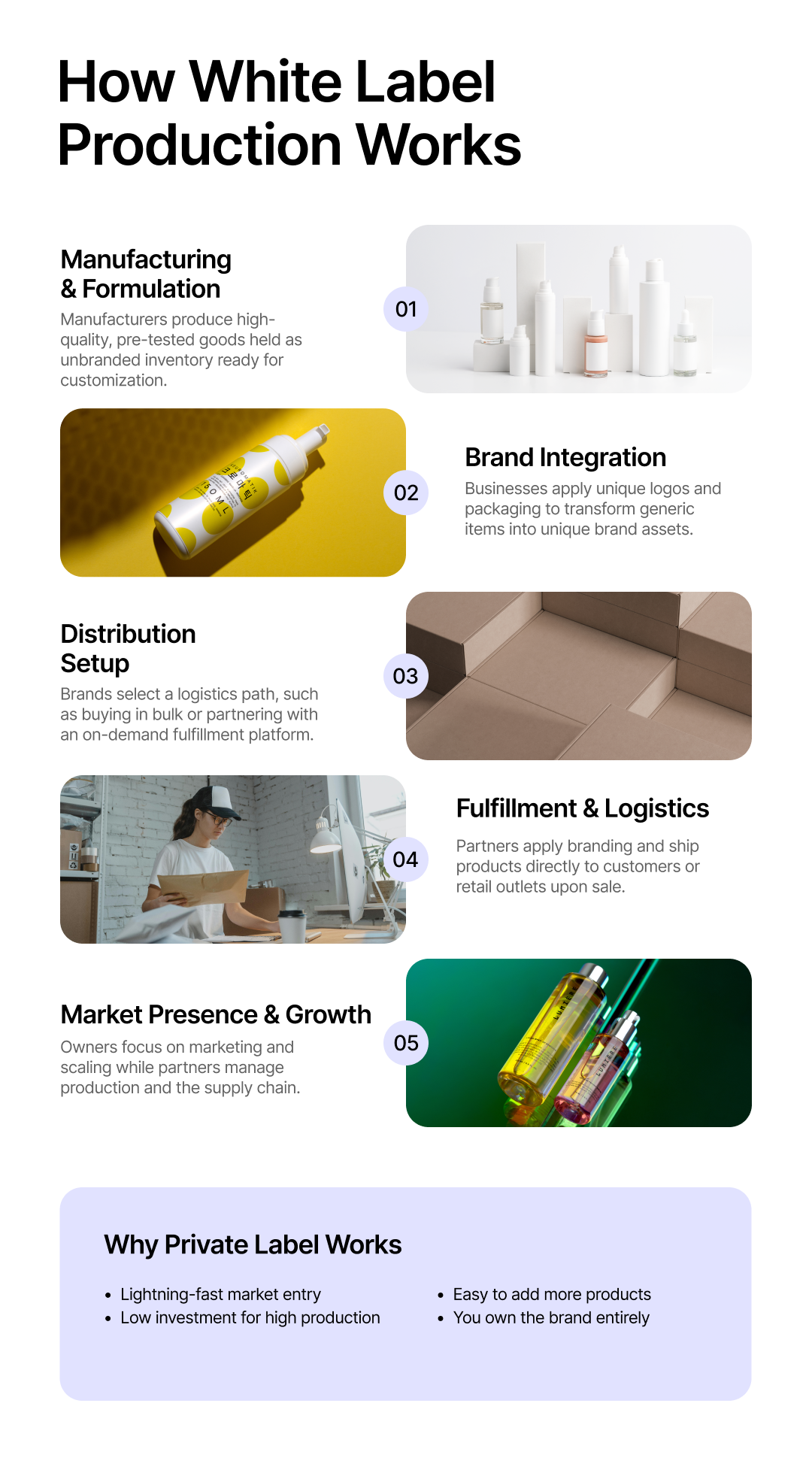
White label products are ready-made products created by one manufacturer and sold by another business under its own brand name.
Instead of developing a product from zero, you start with something that has already been made and focus on the branding, packaging, positioning, and selling. That ability to sell an existing product under your own brand is the core of the white label model.

You’ll find white label product examples across all kinds of industries, including white label skincare and cosmetics, apparel, food, drinkware, and home goods. In beauty, white label skincare can include serums, moisturizers, cleansers, and other formulas that businesses sell under their own branding.
The product itself is already developed, branding does more of the work. Your product packaging, positioning, target audience, price point, and customer experience are what give customers a reason to choose your version over another.
White label and private label are similar, but there are a few differences. White label products are usually ready-made and available to multiple businesses, while private label gives you more room to customize the product. Understanding the difference between private label and white label can help you choose the right approach for your brand.
The appeal is fairly simple: the manufacturer takes care of making the product, while you concentrate on building the brand around it.
Why Sell White Label Products?
White labeling can lower some of the barriers to launching or expanding a product business, and it opens up white label business opportunities across a range of industries. Much of the product development is already done, which can mean less upfront investment and a shorter path from idea to sale
It can also make it easier to test an idea before committing to a large product range.
And customers may be more open to new names than you think. McKinsey's 2025 beauty research found that product quality is the most important factor when people choose beauty products. While having a prominent founder is among the least important. A smaller or newer brand can still earn attention if the product itself delivers.
There are a few other reasons white labeling can make sense:
Lower startup costs. Developing a product yourself can mean paying for formulation, testing, equipment, materials, and production before you know how well it will sell. White labeling removes many of those early costs.
You can launch sooner. There’s less waiting around for prototypes, reformulations, and production setup when the product has already been developed.
Manufacturing stays off your to-do list. You don't need to source every ingredient or material, oversee production, or figure out how to make more when orders pick up.
There’s plenty of room to make it yours. Packaging, pricing, visual identity, product selection, and the audience you speak to can all shape how your range feels.
Growing is simpler. If sales increase, you can order more without having to invest in your own production line.
Some products naturally bring people back. A serum eventually runs out. So does shampoo, body lotion, or pet shampoo. Choosing products people regularly replace can turn a first purchase into repeat business.
Of course, not every white label product has the same potential. Demand, margins, shipping costs, and how easily you can stand out all matter. What are the best white label products to sell?
The 10 Best White Label Products to Sell
The best white label products to sell tend to have clear demand, room for branding, and economics that make sense once production and shipping are factored in. Beauty products stand out because many are used regularly and can grow into larger routines, but there are other opportunities well beyond beauty too.
What are good white label products to sell? Here are 10 ideas across beauty, wellness, pet care, apparel, home, and lifestyle.
Face Care


Face care is one of the best white label product categories because customers already shop around specific skin concerns and regularly replace products they use every day. It also gives new brands plenty of ways to specialize, for example, in hydration, sensitive skin, brightening or mature skin.
Customers are becoming more selective about what deserves their money. McKinsey found that facial serums are among the skincare products consumers are more willing to splurge on, particularly when a product addresses a clear concern or offers meaningful performance differences.
That makes face care a good fit for beauty entrepreneurs who want to build around a particular customer or routine. It also works naturally with white labeling because you can start with one or two products and add complementary formulas as the range grows.
Some of the best white label products for face care include:
Selfnamed's face care range includes ready-developed products across these formats, so a collection could start with a single hero serum or grow into a complete routine.
Body Care


Body care is starting to look a lot more like skincare for the face. Lotions and shower gels still cover the basics, but customers are also seeing more targeted products built around ingredients, specific skin concerns, texture, and fragrance.
Mintel calls this the “faceification” of body care, with facial-grade ingredients and more specialized formulas shaping product innovation. That creates white label opportunities for brands targeting customers who want more from their body routine than basic cleansing and moisturizing.
Some white label body care products to sell include:
Hair Care


Hair care works particularly well for white labeling because one broad category can be turned into very specific ranges for different hair types and concerns. Dryness, damage, curls, volume, thinning, and scalp health can each speak to a different customer.
There's good evidence that customers are moving beyond shampoo and conditioner too. Among U.S. adults aged 18–34, 25% use hair serums or masks and 23% use hair oils, according to YouGov research.
That gives a new hair care brand room to start with familiar staples and introduce more targeted products around them.
Some white label hair care products to sell include:
Makeup
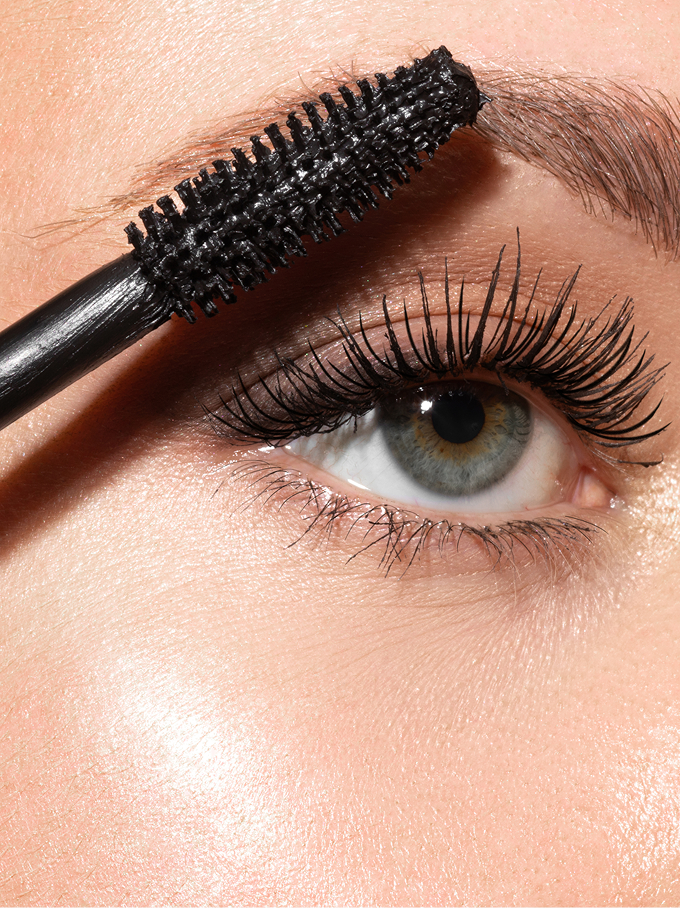
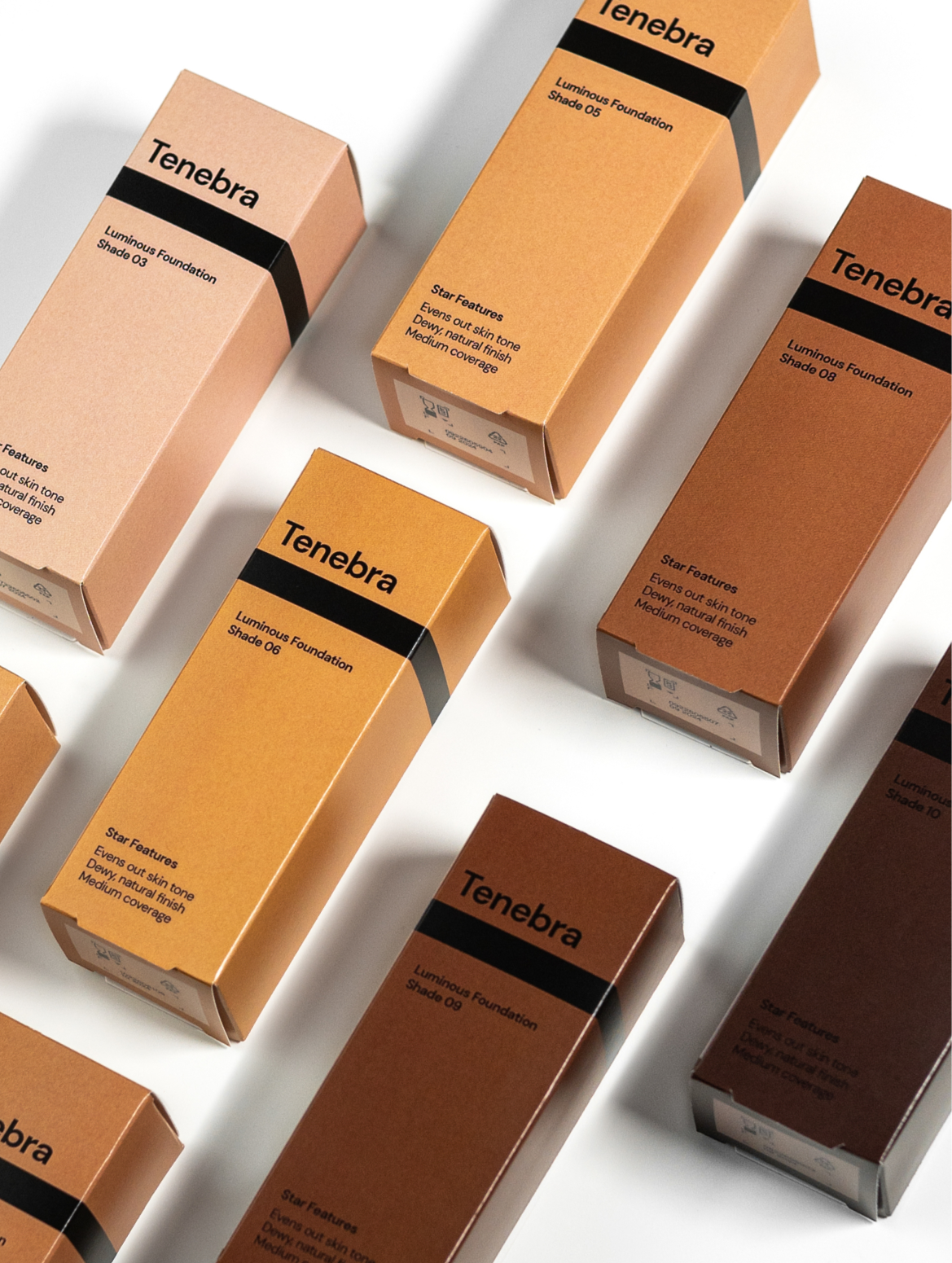
Makeup gives you plenty of room to build a recognizable look around relatively familiar products. A foundation range can focus on complexion needs, while lipstick or mascara can become the hero product that introduces people to the brand.
The timing is interesting too. McKinsey reports that color cosmetics are regaining momentum after several years of minimalist makeup trends. Helped by renewed interest in bolder looks and products that combine makeup with skincare benefits.
That makes makeup particularly suited to white labeling when the product quality is already there and you have a clear idea of who you're selling to. Your audience might be customers looking for everyday essentials, skin-first makeup, bold color, or a particular finish and aesthetic.
Some white label examples in makeup include:
Competition is high, so simply putting a logo on a familiar product isn't enough – our guide to the top private label cosmetics products to sell breaks down the highest-demand SKUs. A focused assortment, distinctive packaging, and consistent visual direction can give a smaller collection much more personality.
Wellness Products


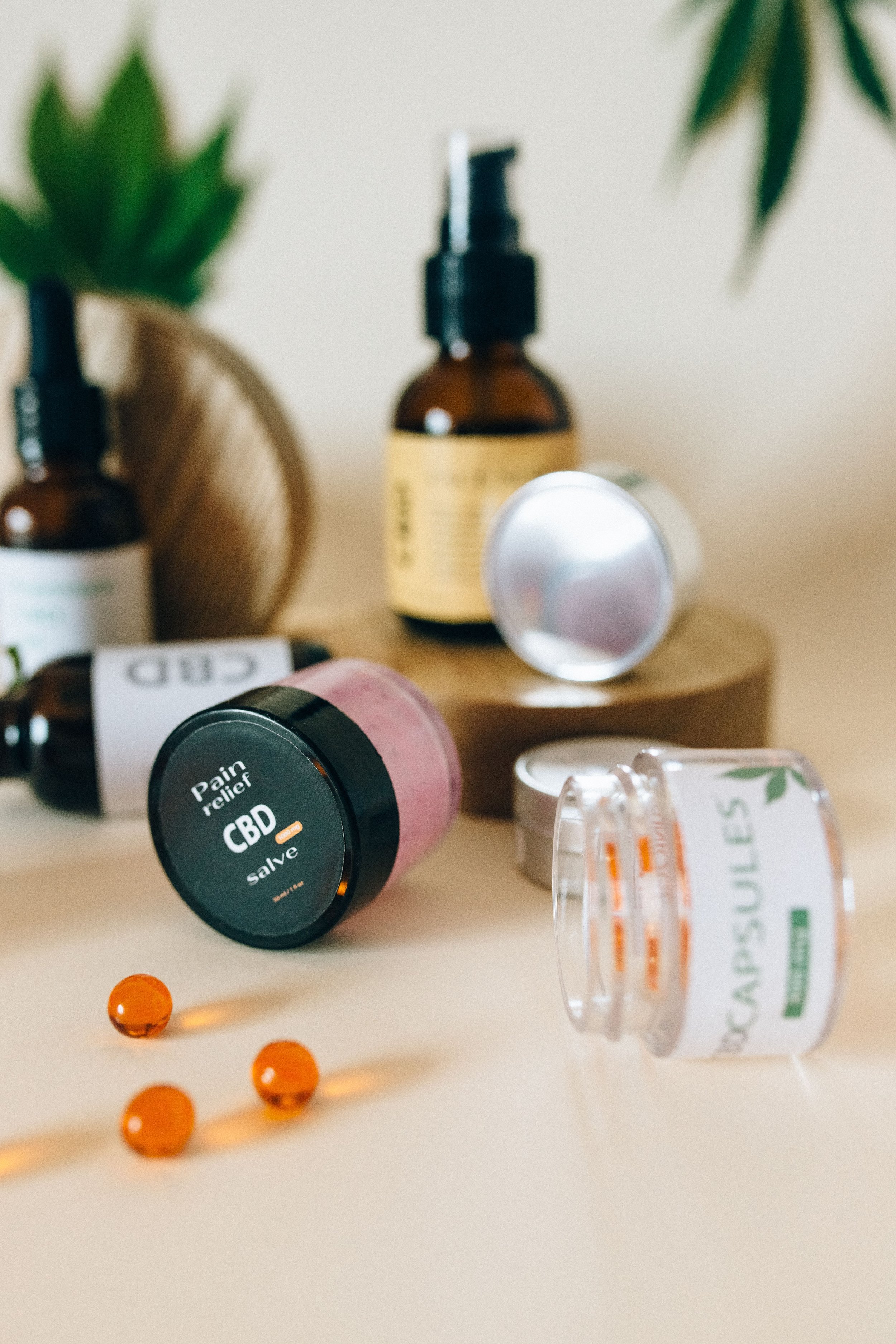
Wellness products give white label brands several ways to build around everyday habits. People might use one product to wind down at night, another for their home environment, and something else as part of a massage or self-care routine.
In fact, Mintel found that 40% of U.S. consumers engage with four or more categories of products and services as part of their wellness routine. That gives white label businesses plenty of ways to focus on a particular moment or customer need.
Some examples of white label dropshipping products in this space include:
essential oils;
aromatherapy sprays;
sleep sprays;
massage oils.
These products also leave room to create a recognizable concept through scent, packaging, and the routine built around them. A collection could focus on evening wind-down rituals, at-home relaxation, or massage rather than simply selling unrelated wellness products.
Claims need a little extra care here. Positioning a spray as part of a relaxing nighttime routine is very different from claiming that it treats insomnia or anxiety.
Pet Care


Pet care has moved well beyond food, toys, and the occasional trip to the groomer. More owners are taking everyday care into their own hands. In fact, 51% of U.S. dog owners groom their dogs at home, according to the American Pet Products Association.
That creates a clear audience for products designed around at-home grooming and everyday care. A white label range could focus on dog owners looking for simple grooming basics, sensitive-skin products, or products that make regular care easier.
Some white label pet care products include:
pet shampoos;
paw balms;
grooming sprays.
These products are particularly interesting for white labeling because they can be built around a specific need. They're also consumable, giving customers a reason to come back when the shampoo or grooming spray runs out.
Apparel



T-shirts and hoodies have been white label staples for a reason: they're familiar products with almost endless ways to change the look. Apparel was the largest segment of the global print-on-demand market in 2025, accounting for 39.5% of revenue.
The audience depends largely on what you put on the product. A fitness community, streetwear customer, creator following, or niche hobby can all turn the same basic T-shirt into something aimed at a very different buyer.
Some of the best white label products in apparel include:
t-shirts;
hoodies;
tote bags;
socks.
White labeling works particularly well here because designs, prints, embroidery, and labels can give ready-made basics a distinct identity. The challenge is competition. A clear niche usually matters more than having a huge clothing range.
Drinkware


Drinkware works well for white labeling because it combines everyday use with easy customization. Coffee mugs and water bottles can appeal to very different audiences depending on the design. For example, fitness communities and creators, gift buyers and lifestyle shoppers.
Custom drinkware is also commonly used for merchandise, promotions, and gifting.
Popular options include:
coffee mugs;
water bottles.
The product itself doesn't need to be unusual. A distinctive design, message, or niche can give a familiar mug or bottle a clear reason to belong in your range.
Home & Lifestyle


Home and lifestyle products give people an easy way to refresh a space or show more of their personal style. That keeps demand open for everything from artwork and candles to smaller accessories.
For instance, among U.S. homeowners who renovated in 2025, 48% bought rugs, 47% purchased pillows or throws, and 42% bought artwork, according to the U.S. Houzz & Home Study.
Some white label products to consider include:
candles;
posters;
phone cases;
journals;
notebooks.
These products can also be relatively easy to build around a particular aesthetic or audience. A poster collection for colorful interiors or journals aimed at a particular hobby gives a familiar product a much clearer identity.
Product Bundles


Product bundles make buying easier by grouping products that already make sense together. Instead of choosing each item separately, customers can pick up a complete skincare routine, travel kit, or gift set in one purchase.
Bundles can also help increase average order value (AOV) by encouraging customers to buy several complementary products at once. The important part is choosing products that genuinely belong together rather than creating a bundle simply to offer a discount.
Some white label bundle ideas include:
skincare routines;
gift sets;
travel kits;
hair care bundles;
seasonal collections.
Beauty is especially well suited to this format because products are often used as part of a routine. Selfnamed's collection boxes let brands bring several complementary beauty products together in one branded set.
How to Choose the Right White Label Product

A good white label product should be something you're comfortable putting your name on and confident you can sell at the right price. Before adding one to your range, ask:
Would you buy it yourself? Order a sample and check the quality, packaging, feel, and overall experience before customers see it.
Can you price it comfortably? Compare the supplier cost with realistic retail prices in your market. Leave enough room for shipping, marketing, and the occasional return.
Does it belong in your brand? A product can sell well and still make little sense for your audience. Look at what your customers already care about and buy.
Can you give it a clear angle? Compare similar products and work out what yours will stand for, whether that's a specific customer, use case, aesthetic, or product philosophy.
Is it practical to sell? Consider size, weight, breakability, storage, shelf life, and any regulations that come with the category.
Where could you take it next? A strong first product should ideally leave room for complementary products, bundles, or a larger collection later.
You don't need the product with the biggest possible audience. You need one that you can price well, stand behind, and turn into a range customers understand.
How to Find a Reliable White Label Manufacturer

A reliable white label manufacturer should be transparent, easy to work with, and able to show that its products meet the standards your brand needs. Since their products will carry your name, it's worth checking a few things before committing.
Transparency and Certification
Look for a manufacturer that is clear about ingredients, sourcing, and production. For beauty products, check for relevant standards such as COSMOS certification and GMP manufacturing, as well as clearly identified vegan options and cruelty-free practices. Ingredient transparency also makes it easier to communicate clearly with your own customers. If you're weighing suppliers, our comparison of private label cosmetics companies shows how they stack up.
Communication and Support
Your manufacturer becomes an important part of how your business runs. They should be clear about product information, documentation, lead times, and orders, with support available when questions come up.
Quality Verification (The Sample Test)
Never choose a product based on photos alone. Order samples and try them yourself before putting your brand name on them. Check the formula, packaging, and overall experience from the same perspective as your future customer. Our guide to choosing a skincare manufacturer covers the full checklist.
Launch Your White Label Brand With Selfnamed
If beauty is the direction you want to take, Selfnamed is one option for handling the product and fulfillment side without building everything from scratch. We have more than 200 products across skincare, hair care, body care, and makeup, including natural and organic formulations manufactured in the EU.
There’s no MOQ, you can order one product to test before committing to a larger range. Branding is handled through Selfnamed's built-in Design Studio, where you can add your logo, adjust the packaging design, and create product mockups.


You can explore white label skincare as a starting point, or browse face care, body care, hair care, and makeup separately.
There are two ways to handle orders. You can buy products in bulk and manage inventory yourself, or use dropshipping and have individual orders fulfilled for you. Selfnamed also integrates with Shopify, WooCommerce, Wix, and Squarespace, so orders from your store can move into fulfillment automatically.
That gives you room to start with a few products, see what actually sells, and expand the collection when it makes sense.
Find the Right White Label Products for Your Brand
Choosing the best white label products comes down to finding something that fits your audience, your idea, and the kind of brand you want to build. You don't need a huge product range to get started.
Pick a few products that make sense together, see what your customers respond to, and build from there.
Frequently Asked Questions
-
The best white label products to sell have steady demand and enough room to build a distinct brand around them. Skincare, hair care, makeup, wellness products, apparel, and home goods are all popular options.
-
Common white label product examples include face serums, moisturizers, shampoos, lipsticks, pet shampoos, T-shirts, coffee mugs, candles. You can also combine related products into branded bundles or gift sets.
-
It can be, but the product alone won't decide that. Your costs, pricing, marketing, shipping, and how well you connect with your audience all play a part.
-
With white label, you're usually choosing an existing product that other brands may also sell. Private label generally gives you more freedom to customize the product itself, such as its formula or specifications.
Must read