Table of Contents
The beauty industry never seems to slow down, does it? Just when you've figured out what your customers want, a new shopping trend comes along and changes things up.
And if you're running a beauty brand, keeping up with all these changes can be exciting, but also a little overwhelming. Especially when you're trying to figure out which trends are actually worth your time and money.
Beauty shoppers have more ways than ever to discover and buy products online. They're asking AI assistants for recommendations, shopping directly through social media, and paying closer attention to what brands promise and deliver.
What's next for beauty ecommerce?
We've picked seven trends worth exploring, along with practical ideas for putting them to work in your own store. Let's take a look.
Key Takeaways
People are starting to ask AI for beauty recommendations, that's why it's worth making sure your products are easy to find and understand.
Customers want to know what's in their products, whether they work, and how they fit into their daily routines.
Start with a few products, see what your customers like, and build your range from there.
Don't forget about your existing customers, because giving them a reason to come back matters, too.
The State of Beauty Ecommerce Going Into 2027
Beauty ecommerce is growing, and people are getting pretty comfortable buying their favorite products online.
According to NielsenIQ's State of Beauty 2026 report, global beauty sales grew by 10% year over year, with online sales growing six times faster than in-store sales. And skincare ecommerce is getting its fair share of attention, too. In 2026, online shopping accounted for 37% of global skincare sales, according to Euromonitor.
But here's what's interesting. People are changing the way they shop for beauty products, not only where they buy them.
Think about your own shopping habits. You might come across a moisturizer on TikTok, look up a few reviews, check the ingredients, and end up buying it that same evening. Your customers are doing much the same.
That's why social commerce, AI recommendations, and influencer marketing are becoming such a big part of beauty market trends. They're influencing what people discover, which brands they trust, and what eventually makes it into their shopping carts.
And for smaller beauty brands? There's a lot to work with here. You have more ways to reach customers, show what makes your products special, and build a loyal following.
The trick is figuring out which beauty retail trends make sense for your brand and which ones you can happily leave to the bigger players.
Beauty Ecommerce Trends 2027
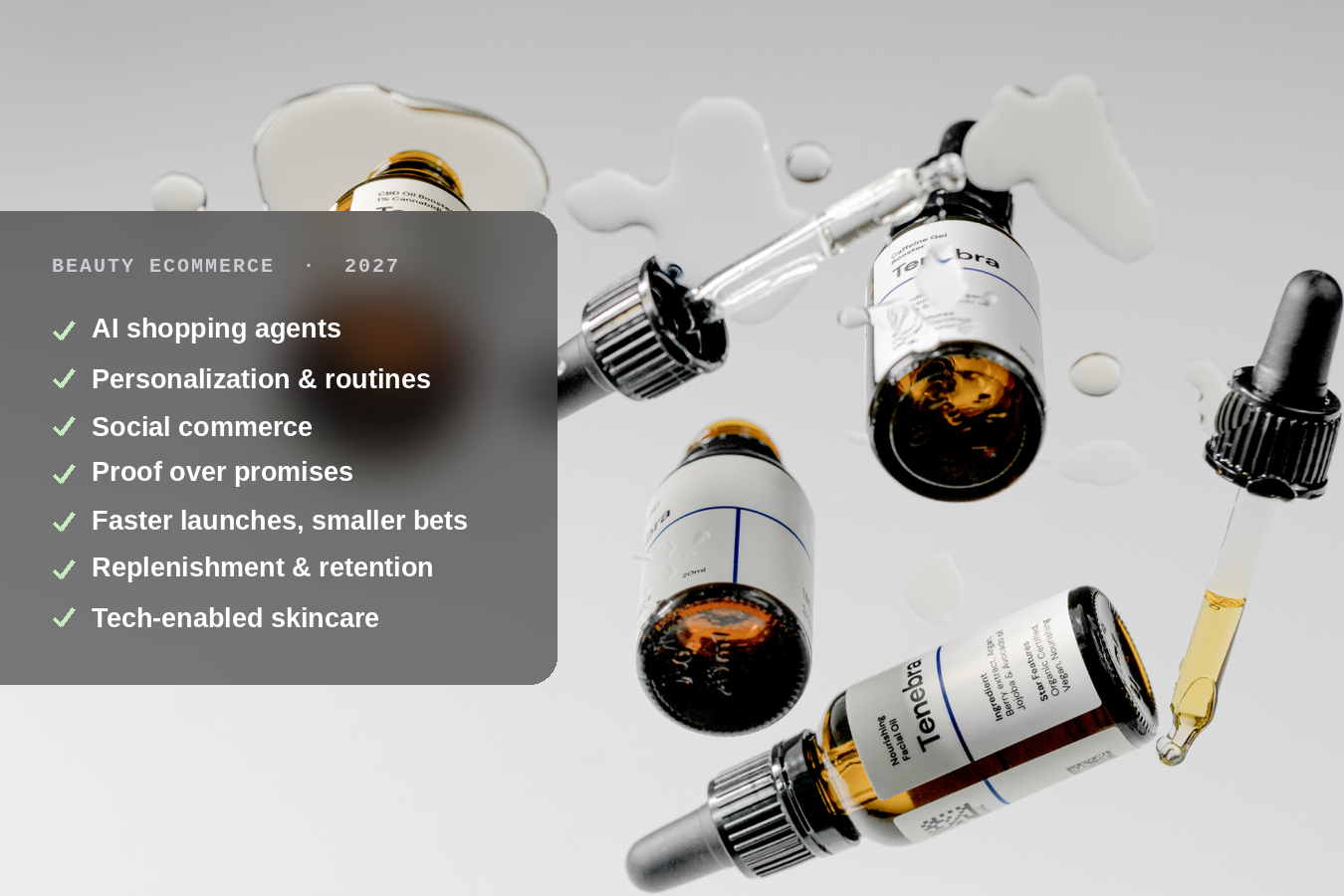
Which trends are actually worth your attention? We've picked seven that could change how people discover your products, shop your store, and decide whether to come back.
Trend 1: AI Shopping Agents Become the New Search
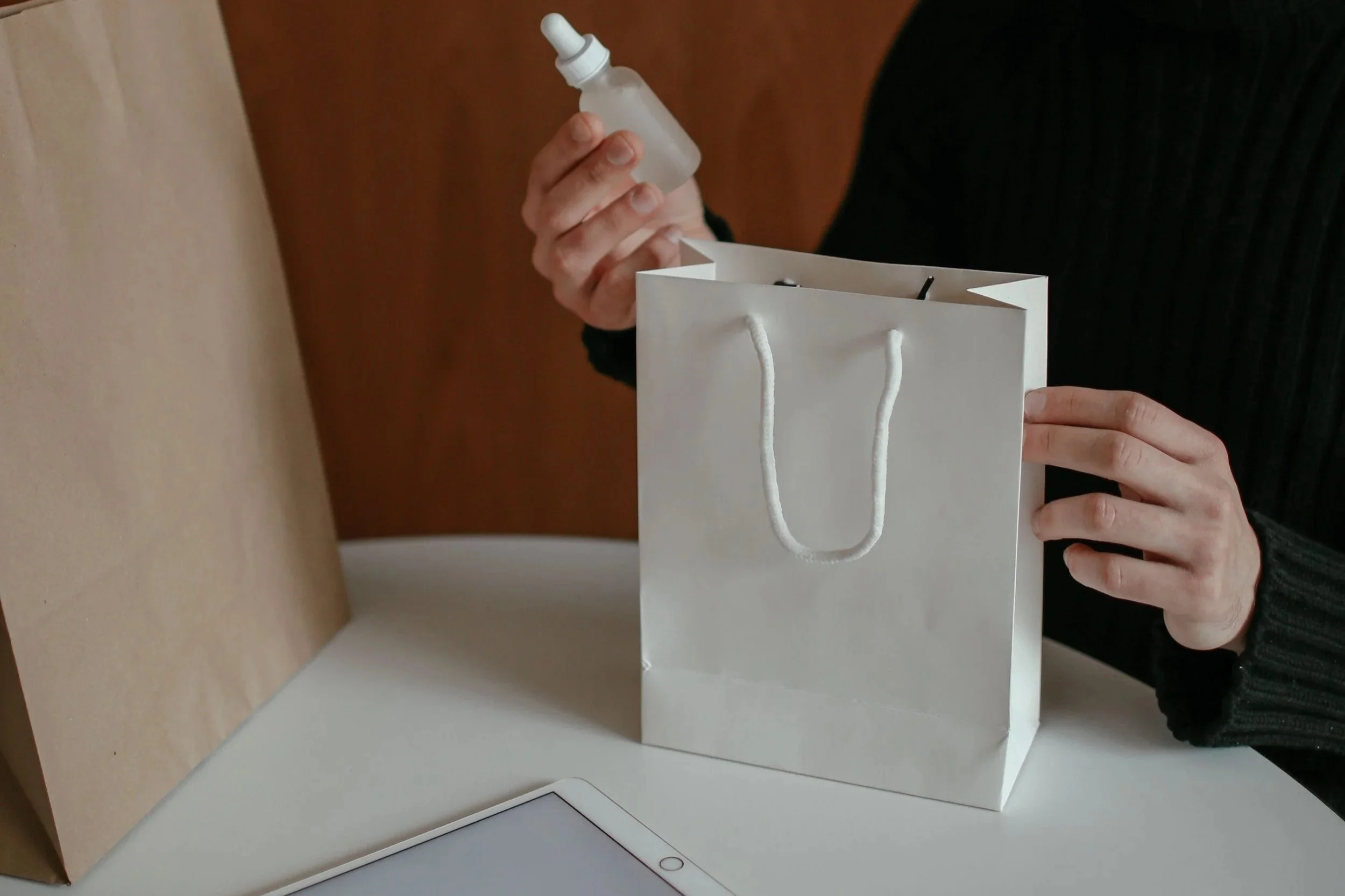
Remember when finding a new moisturizer meant typing "best moisturizer for dry skin" into Google and opening about ten tabs?
Well, now you can ask an AI assistant to do some of that research for you.
People are using tools like ChatGPT, Gemini and others to compare beauty products, check ingredients, and find something that suits their skin type or budget. And AI shopping agents are starting to play a bigger role in product discovery.
According to McKinsey's 2026 State of Beauty report, AI platforms could influence up to 35% of ecommerce transactions over the next three to five years.
That's a forecast, of course, but it gives beauty brands something to think about.
If someone asks an AI assistant for a gentle cleanser for sensitive skin, will it have enough information about your product to consider recommending it?
Clear ingredients, benefits, usage instructions, and customer reviews are becoming increasingly important for cosmetics ecommerce.
What does this mean for your brand? Take another look at your product pages. Make sure your ingredients, benefits, and directions are easy to understand. Think about the questions customers might ask an AI assistant, and answer them in your descriptions. You can also explore these AI tools for beauty brands for more ideas.
Trend 2: Personalization Moves From Quizzes to Routines
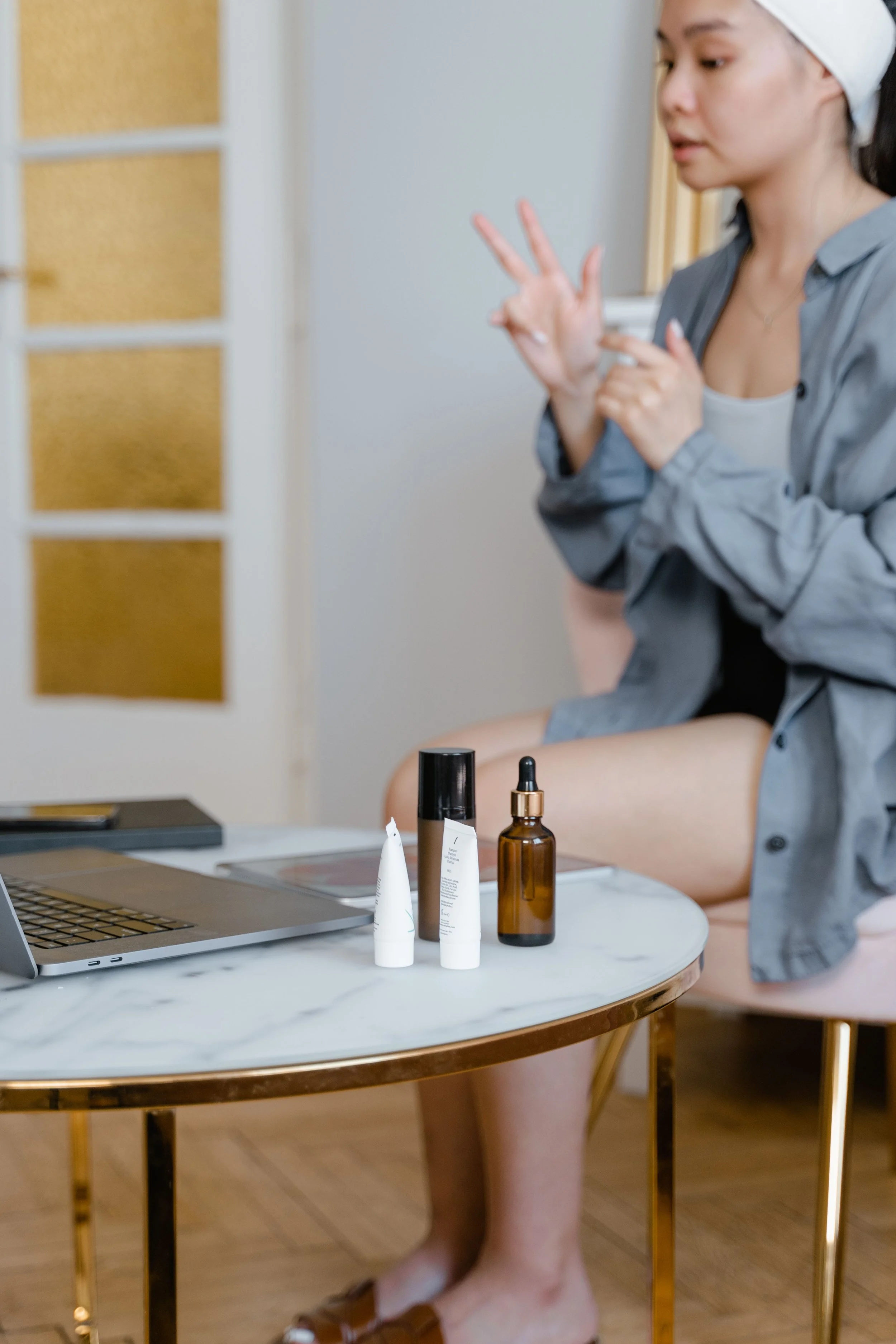
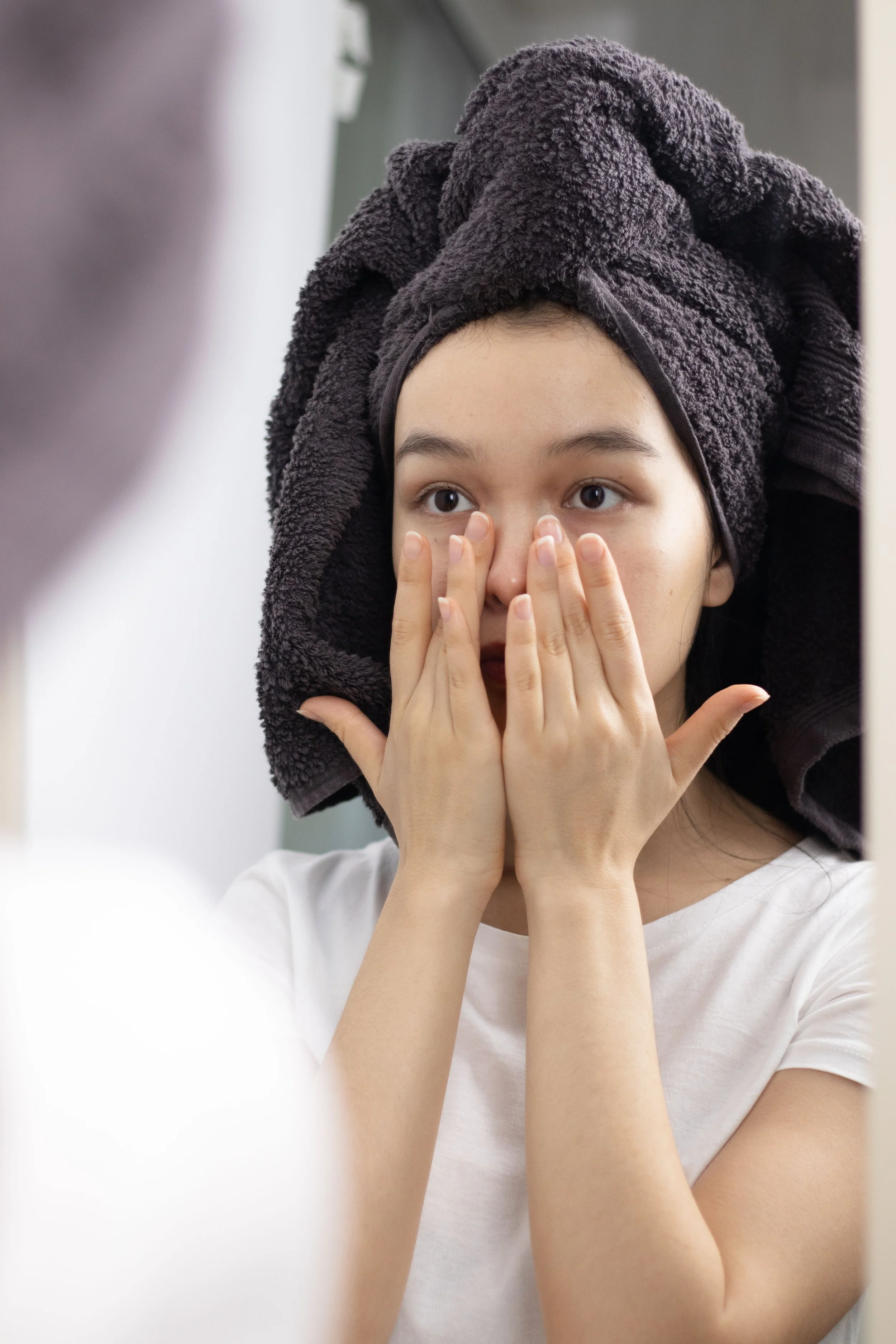
We've all come across those skincare quizzes that promise to find your perfect product after a few questions.
They're useful, but what happens after someone finds that product?
Beauty shoppers often need help figuring out how different products fit together. Someone with dry skin might want a cleanser, serum, and moisturizer that works well as a routine. Another person might prefer just two products they can use every morning.
And that's where personalization is heading.
According to BeautyMatter's coverage of NielsenIQ's 2026 research, 52% of consumers are willing to pay more for products that make their routines easier or less time-consuming.
That's a pretty good reason to think about the whole routine rather than one product at a time.
You can start with product bundles, simple skincare guides, or suggestions based on what customers have already purchased.
What does this mean for your brand? Think about the skin concerns your customers mention most often. Put together a few easy routines and explain how each product fits in. If you're building your own range, private label face care products can give you a starting point.
Trend 3: Social Commerce Becomes a Main Sales Channel
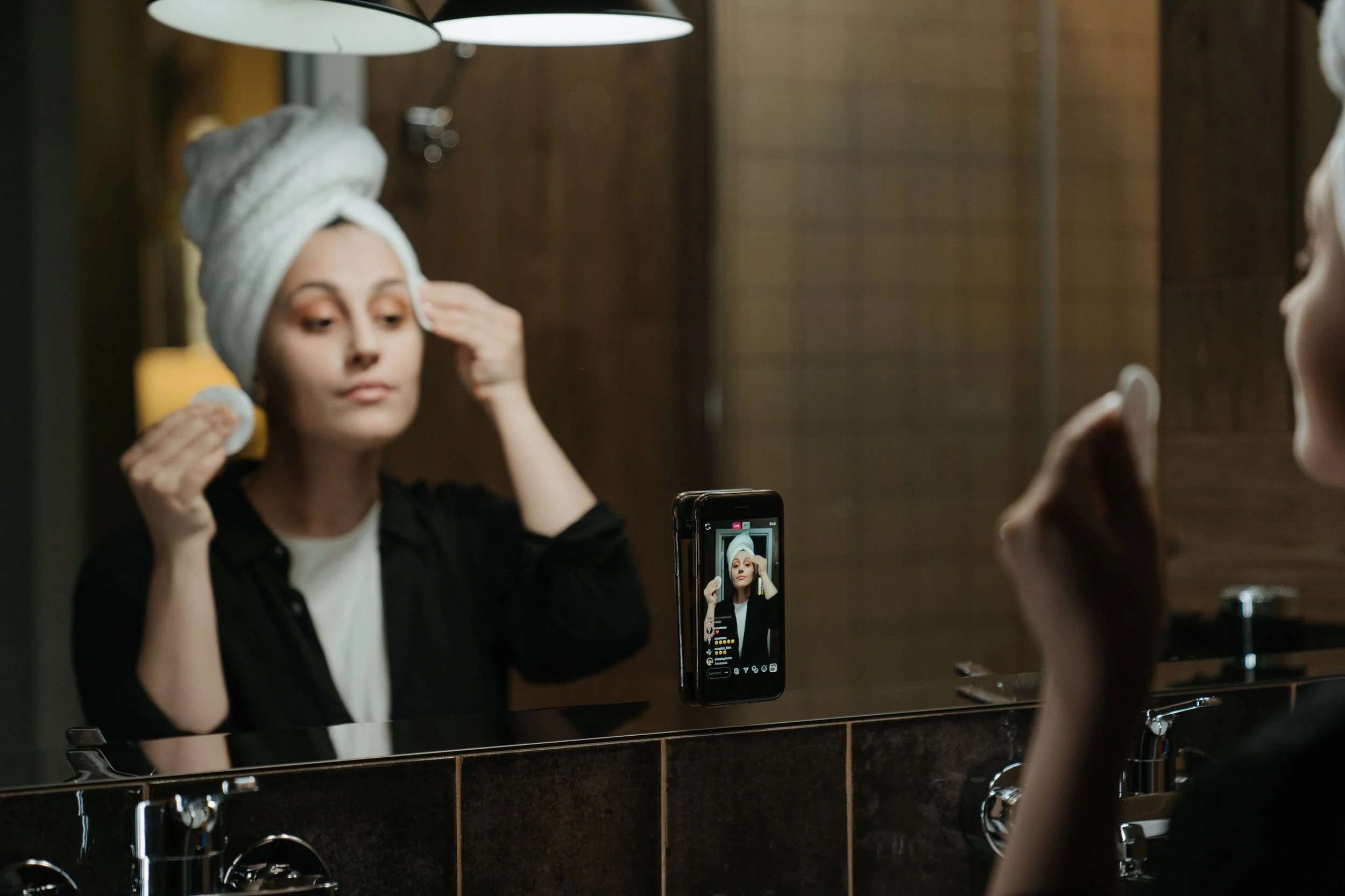
You know how easy it is to open TikTok for a quick scroll and suddenly find yourself watching a skincare routine?
Well, sometimes that routine ends with a purchase.
Social commerce is one of the top trends in beauty ecommerce, and it's becoming an important part of how brands sell online.
According to Charm.io's October 2026 report, US TikTok Shop beauty sales reached nearly $1 billion in just three months, up 39% from the previous year. That's quite a lot of serums and moisturizers.
For independent brands, these sales channels offer new ways to reach customers and build customer engagement through tutorials, creator partnerships, and real product reviews. Even a simple video can help you stay competitive.
What does this mean for your brand? Start with the platform your customers use most. Share product demonstrations, skincare routines, and honest reviews. If TikTok Shop beauty interests you, TikTok Shop for Business is a place to get started.
Trend 4: Proof Over Promises
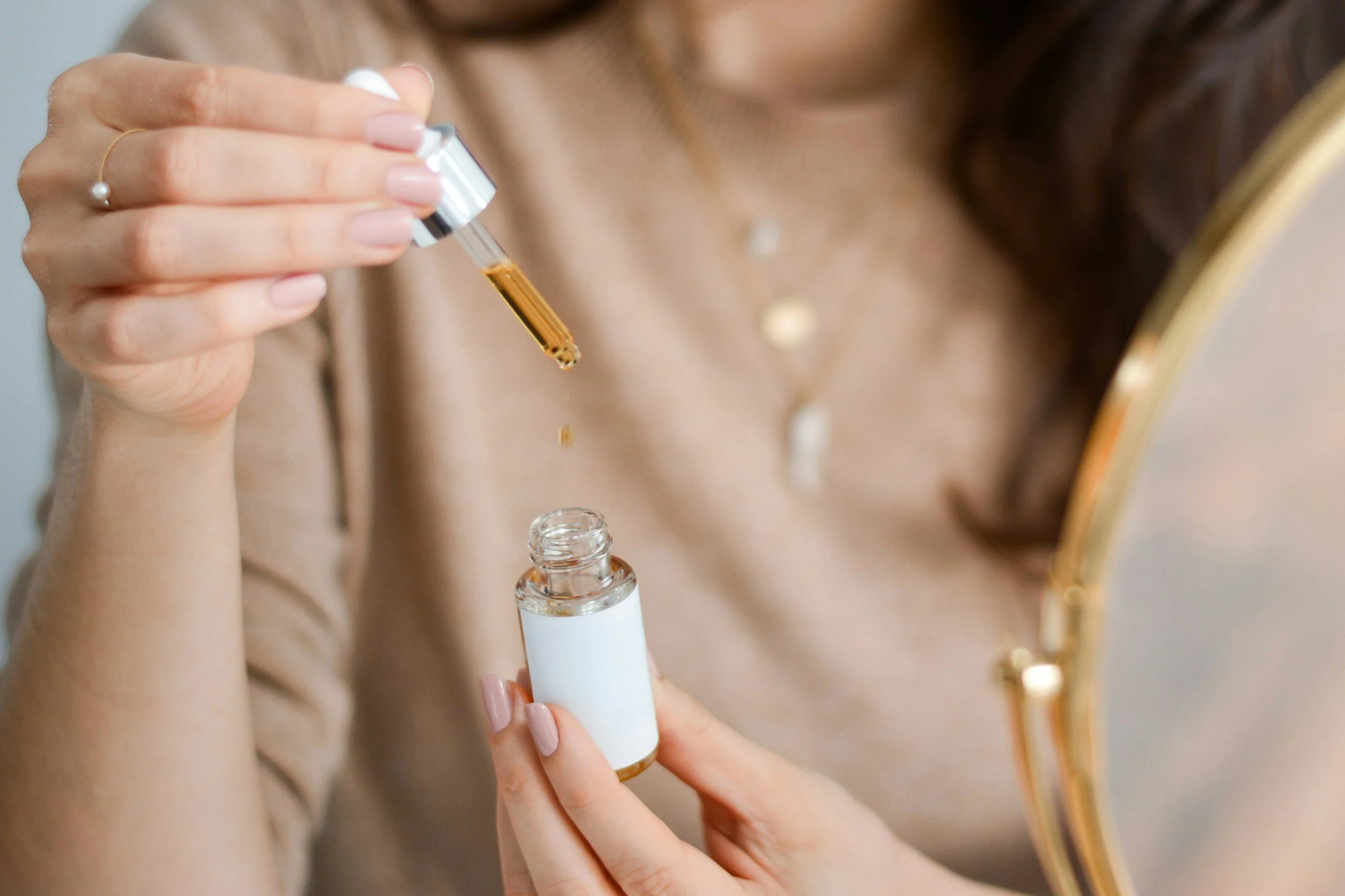
Beauty shoppers want proof that products actually work. Clear ingredients, honest reviews, and realistic claims are becoming more important than ever.
"Hydrating." "Gentle." "Made with carefully selected ingredients." Sounds familiar, right?
Customers see these claims everywhere. What makes them trust yours?
With growing demand for ingredient transparency and sustainable products, people are paying closer attention to what they're buying.
In fact, BeautyMatter reports that 50% of consumers are willing to pay more for ingredient and supply chain transparency.
And that makes sense. If you're trying a new skincare product, you probably want to know what's in it and what it can realistically do for your skin.
For smaller brands, honesty can be a big part of brand positioning. Clear INCI ingredient lists, genuine reviews, and realistic product photos can help build customer loyalty.
The same goes for social media marketing. Show your products in everyday use, explain what's in them, and be specific about sustainability claims.
What does this mean for your brand? Make sure your product claims are accurate and supported. Share complete ingredient lists, answer common questions, and let real customer experiences speak for themselves.
Trend 5: Faster Launches, Smaller Bets
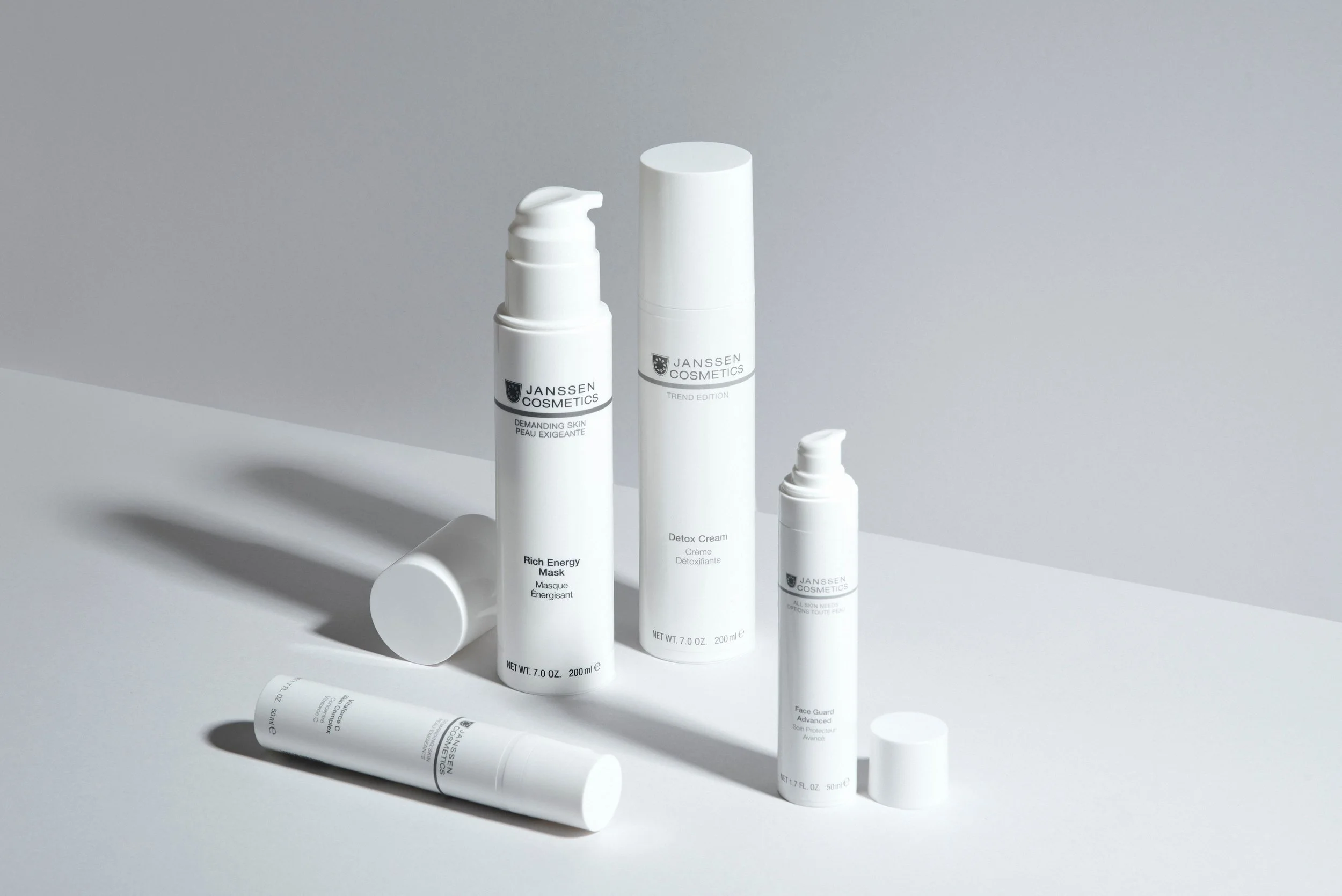
Beauty trends can move ridiculously fast.
One week, everyone's talking about a particular skincare ingredient. A few weeks later, there's something else filling up your social media feed.
And if you're running a small beauty business, keeping up with every trend can get expensive pretty quickly.
That's why starting small makes a lot of sense. Instead of launching ten products at once, you could begin with two or three, see what your customers think, and decide what to introduce next.
Private label skincare makes this easier because you can work with existing formulations instead of developing everything from scratch. You might start with a face serum and moisturizer, for example, then explore body care or hair care once you know what your audience wants.
It's also worth paying attention to packaging. The right design can help your products stand out, especially when customers are discovering them through online shopping.
What does this mean for your brand? Test a small product range before committing to a bigger collection. Ask for customer feedback and pay attention to what sells. And when you're testing a new product, keeping an eye on beauty packaging trends can help you choose a design that feels right for your brand. With Selfnamed, you can start with ready-made formulas and small orders, then add more products as you go.
Trend 6: Replenishment and Retention
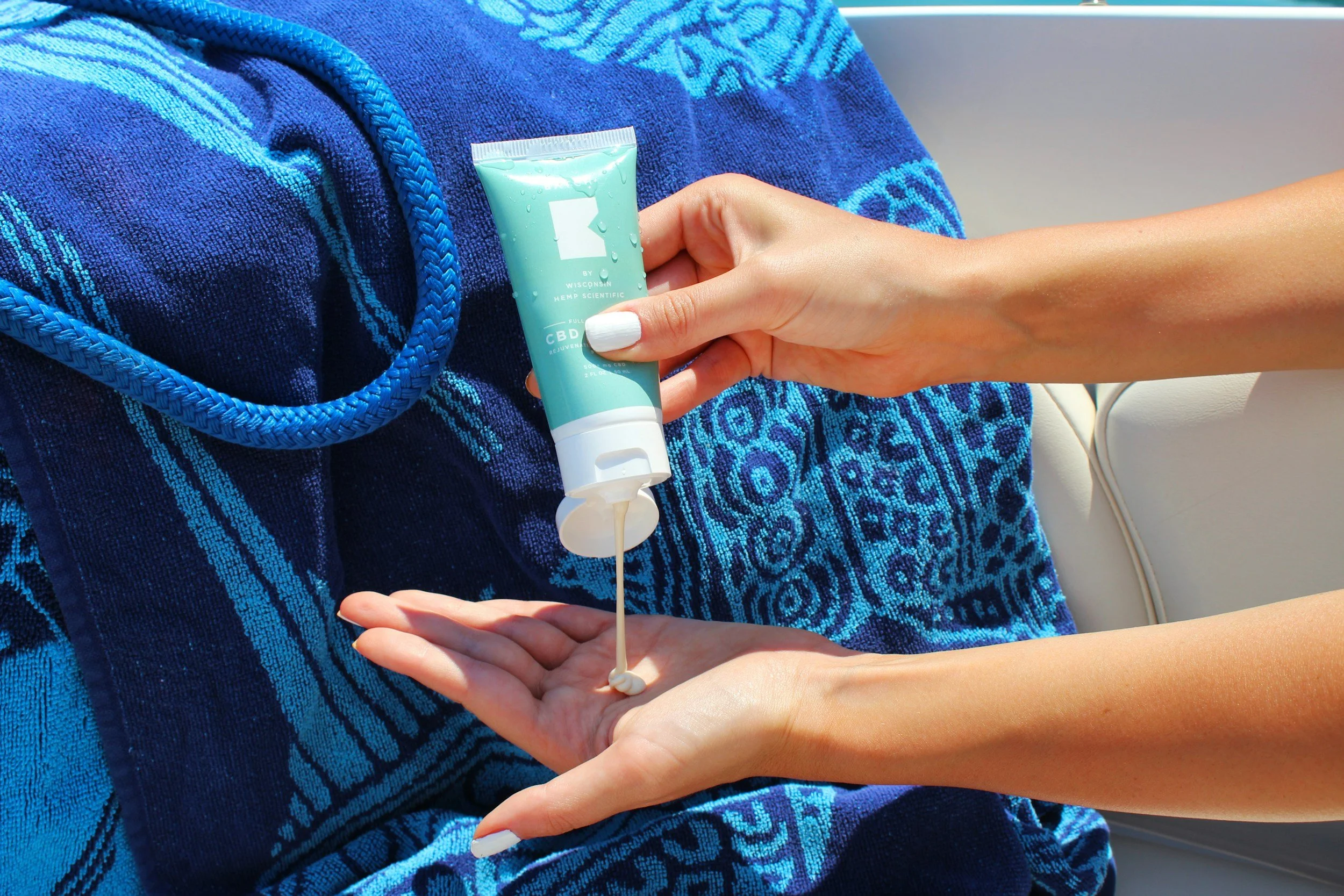
Getting someone to buy your moisturizer for the first time is exciting. Getting them to come back for another bottle? Even better.
And beauty brands have a pretty good opportunity here because people eventually run out of the products they use every day.
Cleansers, shampoos, body lotions, and other personal care products are things customers regularly need to replace. That's what makes customer retention so important in the health and beauty industry.
Interestingly, Retail Brew's look at the beauty industry points to refills and hero products that earn a place in a routine as a growth area for the year ahead.
And with so many emerging trends and marketing strategies to choose from, sometimes the simplest approach works best.
You could send a friendly refill reminder, recommend products for different skin tones or concerns, or offer a small reward to returning customers.
Loyalty programs can help, too, but even a thoughtful follow-up email can make customers feel remembered.
What does this mean for your brand? Look at which products customers are most likely to buy again and how long they typically last. Use that information to plan refill reminders or simple loyalty rewards. You could also offer sample sets to help existing customers discover other products in your range.
Trend 7: Tech-Enabled Skincare

Beauty technology is becoming a bigger part of skincare routines: LED masks, cleansing devices and tools that track skin concerns.
McKinsey's 2026 beauty report also highlights growing interest in at-home beauty devices.
And then there's augmented reality, which lets customers try products virtually on supported online platforms, especially when choosing makeup shades.
As consumer behavior changes, beauty brands have new opportunities to stay competitive. But that doesn't mean you need to start making beauty gadgets.
Sometimes, helping customers choose the right products for their skin type or build a routine around a device they already own is enough.
What does this mean for your brand? Keep an eye on the beauty technology your customers use. Share practical skincare advice, explain how your products fit into their routines, and make sure any claims about results or device compatibility are accurate.
How to Prepare Your Beauty Store for 2027

With so many new trends in play for 2027, it's easy to feel like you should be trying everything at once.
But here's the thing. You don't have to match every move the big global brands and major retailers make. You can learn from how top beauty brands run their ecommerce without copying them. What works for them might make little sense for your business.
The beauty industry is changing, sure, but getting ready for what 2027 brings can start with a few simple things:
Take another look at your product pages. Are your beauty products easy to understand? Clear ingredients, honest descriptions, and good photos can make a difference to online sales.
Spend time where your customers are. Watch how consumer behavior changes and focus on the online channels your audience actually uses.
Try new things on a smaller budget. Keep an eye on the beauty market and statistics, but test a few skincare or personal care products before launching a whole collection.
Give people a reason to come back. Refill reminders, helpful emails, and simple loyalty programs can go a long way toward building brand loyalty.
Listen to what customers tell you. Their reviews, questions, and even complaints can give you some pretty useful ideas for what to do next.
And that's really it. Pick a couple of things you can work on now, see how your customers respond, and take it from there.


Shaping Your Brand Around the Beauty Ecommerce Trends 2027 Brings
If there's one thing the beauty ecommerce trends shaping 2027 make clear, it's that the way people shop for beauty products will keep changing. And that's part of what makes this industry so interesting.
AI assistants, social shopping, personalized routines, and beauty tech are giving brands plenty of new things to explore. But some things stay the same. People still want products they can trust, clear answers to their questions, and a good reason to come back.
And if you're running a smaller beauty brand, there's something nice about that. You can try an idea, see what your customers think, and make changes as you go. Maybe that means improving your product descriptions, filming a few skincare tutorials, or testing a new product with a small launch.
Whatever you choose, make sure it feels right for your brand and the people you're selling to.
Here's to a year of trying new things, learning from your customers, and making your beauty business a little better along the way.
Frequently Asked Questions
-
AI shopping assistants and social shopping are two big ones. More people are also looking for skincare routines that suit their needs, rather than buying whatever product happens to be popular. And ingredients, honest reviews, and products that actually deliver? Those matter a lot, too.
-
Say you're looking for a moisturizer for dry, sensitive skin. Instead of searching through dozens of websites, you can ask an AI assistant to help you narrow things down. That's how AI is changing beauty shopping. For brands, it's another reason to make product descriptions clear, useful, and easy to understand.
-
TikTok and Instagram are worth looking at, especially if you enjoy making tutorials or showing your products in action. And your own website is still important, of course. But here's the thing: if your customers spend most of their time on Instagram, there's little point in forcing yourself to post on five other platforms.
-
Yes. More people are getting comfortable buying skincare, makeup, and other beauty products online. And with social media and AI assistants making it easier to discover new products, there's still plenty of room for beauty brands to find new customers.
-
You probably have enough on your plate already, so start with one thing. Maybe your product photos could use an update. Maybe customers keep asking for a particular skincare product. Try something, see how it goes, and listen to what people tell you. You can figure out the next step from there.
Must read