Table of Contents
Getting your first white label product in your hands is exciting. It finally feels real. There’s a formula, your name is on the packaging, and you can picture customers actually using it.
Then you have to sell it.
That’s where the bigger business decisions begin. How to sell white label products comes down to the right sales channel, a price that leaves room for profit, and a brand people can remember.
You need a practical way to reach those first customers and give them a reason to trust you. The positioning, pricing, content, customer experience, and sales strategy then turns it into a business.
Let’s focus on getting your white label products out of the box and into customers’ hands.
Key Takeaways
How to sell white label products starts with knowing who you want to reach and where customers already shop.
Strong white label brands give familiar products a clear identity and reason to be chosen.
Pricing white label products around real costs and audience sets the position your brand wants to hold.
Early reviews, useful marketing content, and real customer experiences help turn discovery into trust.
Selling White Label Products Starts With the Brand
With white label products, the product itself may not be exclusive to you. Your brand gives customers a reason to choose your version.
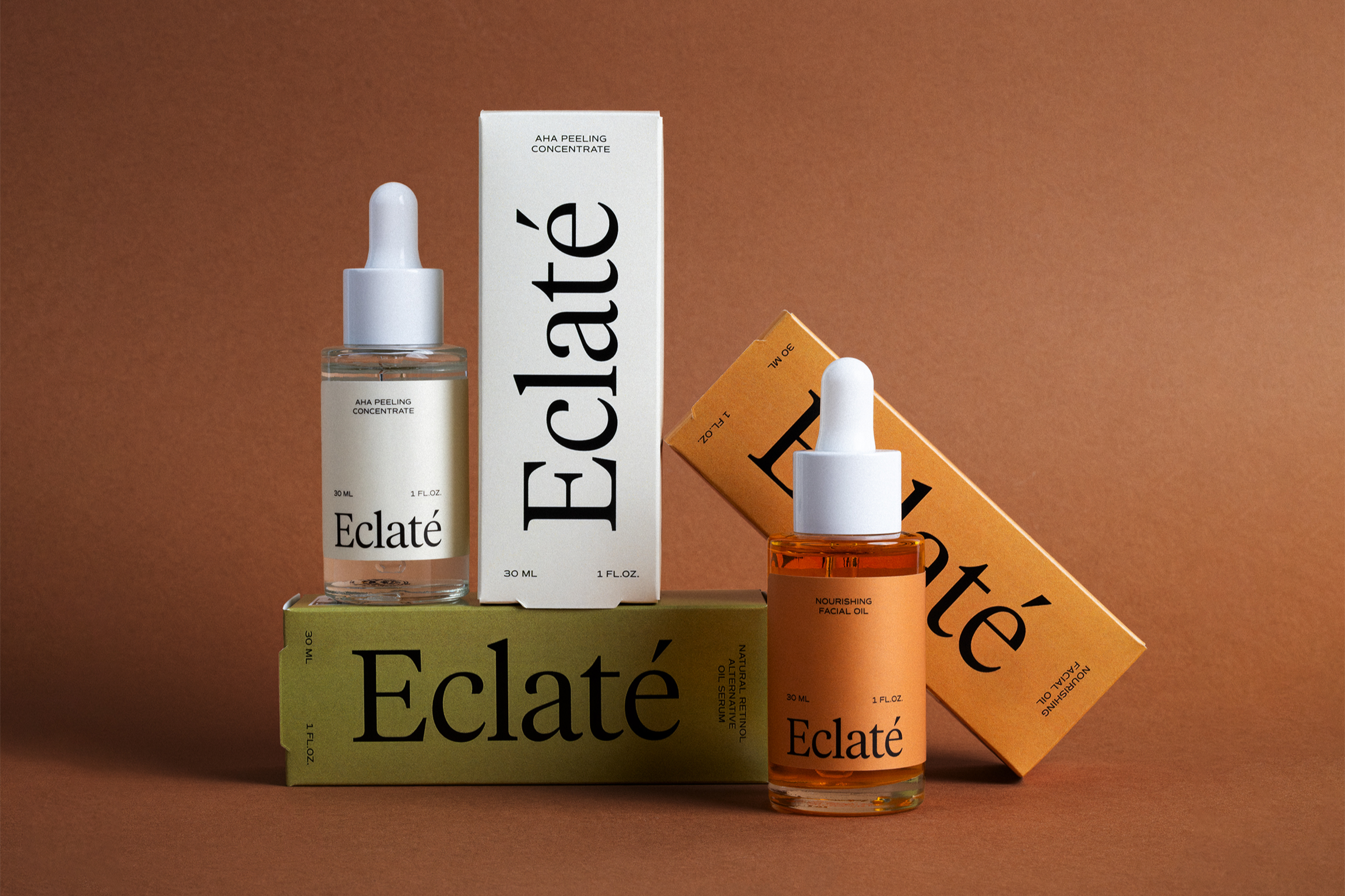
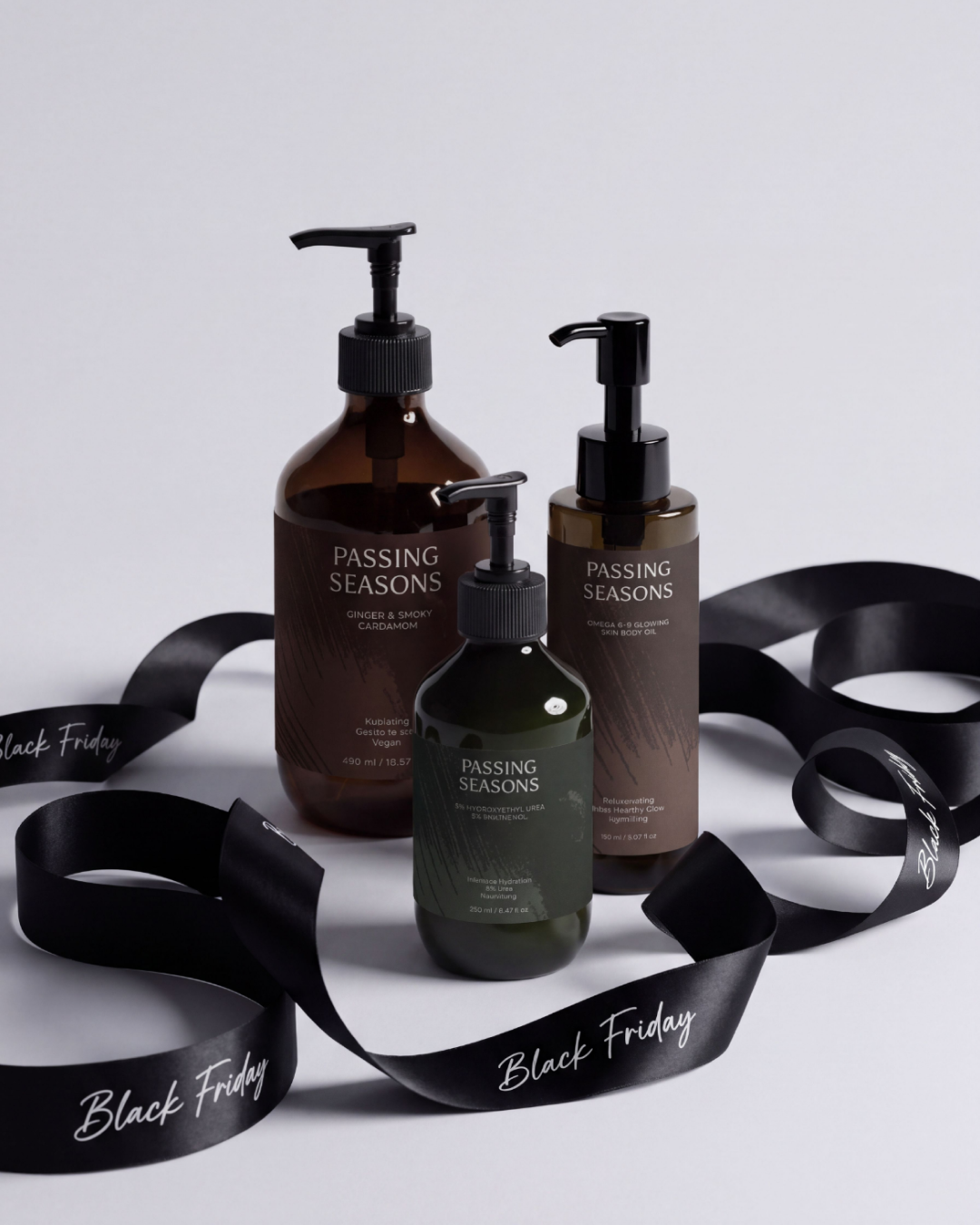
Your brand comes to life through the name, packaging, photos, and the way you talk about the product. When those pieces work together, the right customer can quickly see who it’s for and how it fits into their routine.
That matters because trust plays a big role in buying decisions. NIQ’s 2026 Consumer Outlook found that 95% of consumers say brand trust is critical when choosing what to buy.
Take a moisturizer as an example. It could become part of a sensitive-skin brand, a premium spa-inspired range, or an affordable everyday skincare line. The product may start in the same place, but the brand identity around it can be completely different.
The mindset is less “I have a product to sell” and more “I’m building a brand that happens to use white label products.”
For beauty founders, Selfnamed’s Design Studio lets you add your own visual identity to ready-made products and create packaging that gives your brand its own character.
How to Choose the Right Sales Channel to Sell White Label Products
The best sales channel depends on how your customers discover products and how they prefer to buy them. Start with one or two channels that fit your audience, then expand once you know what works for your brand and white label products.
Here’s the quick comparison:
| Sales channel | Best for | Main advantage | Keep in mind |
|---|---|---|---|
| Your own store | Building a long-term brand | Full control over pricing and customer experience | You need to bring in the traffic |
| Amazon | Products people actively search for | Large audience ready to buy | More competition between similar products |
| TikTok Shop and Instagram | Visual and demonstrable products | Discovery through content | Works best with regular content |
| Etsy | Niche, natural, or giftable products | Customers looking for something distinctive | Presentation and positioning matter |
| B2B and wholesale | Salons, spas, boutiques, and retailers | Larger orders and repeat relationships | Requires finding the right business buyers |
Your Own Online Store
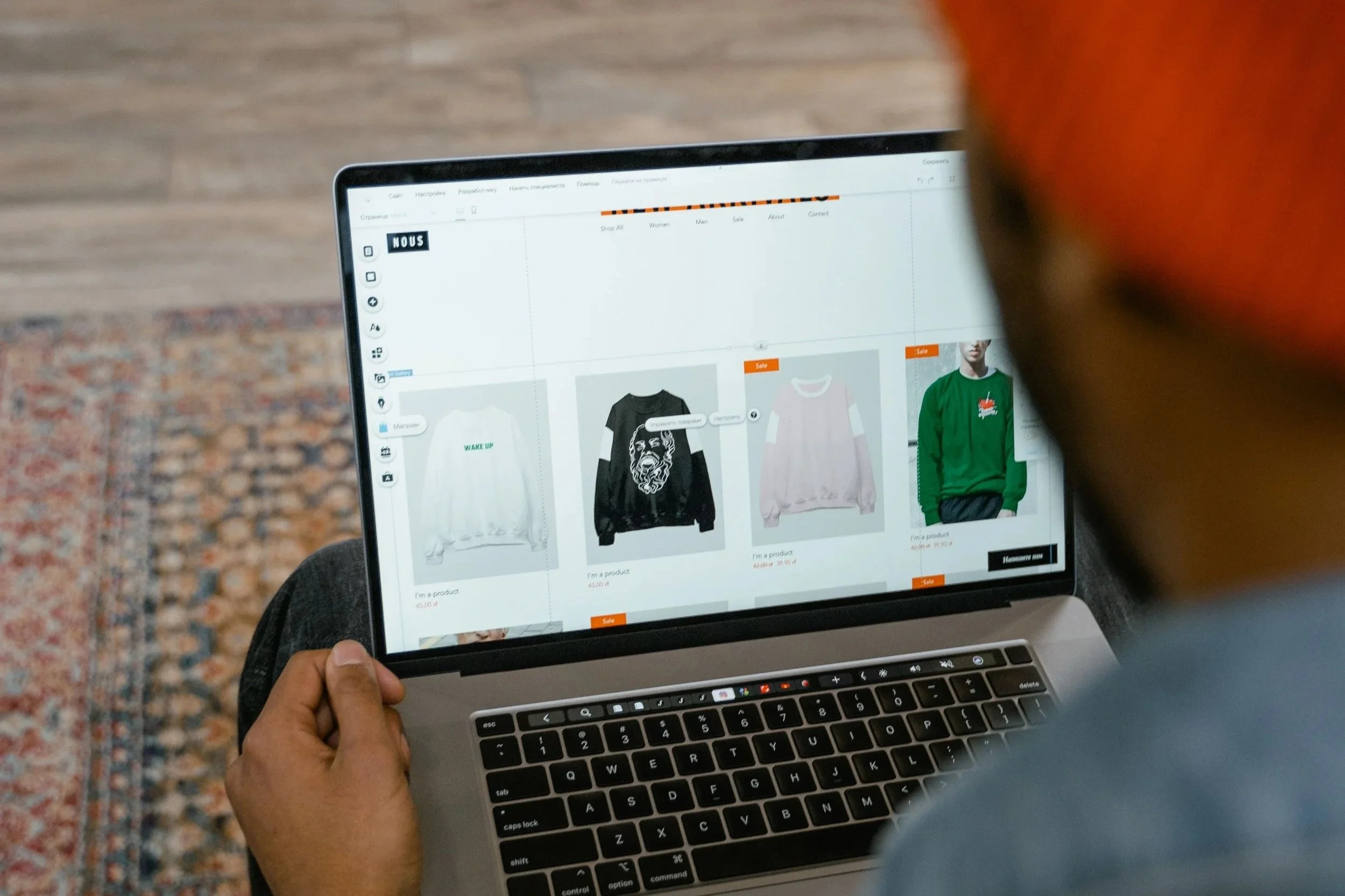
Your own online store makes the most sense when building the brand and owning the customer relationship are priorities. Shopify and Wix give you control over pricing, product pages, promotions, customer data, and the overall shopping experience.
It’s also a good long-term home for your white label brand. Your social media, email, SEO, and paid campaigns can all lead customers back to one place where the experience is fully yours.
Amazon
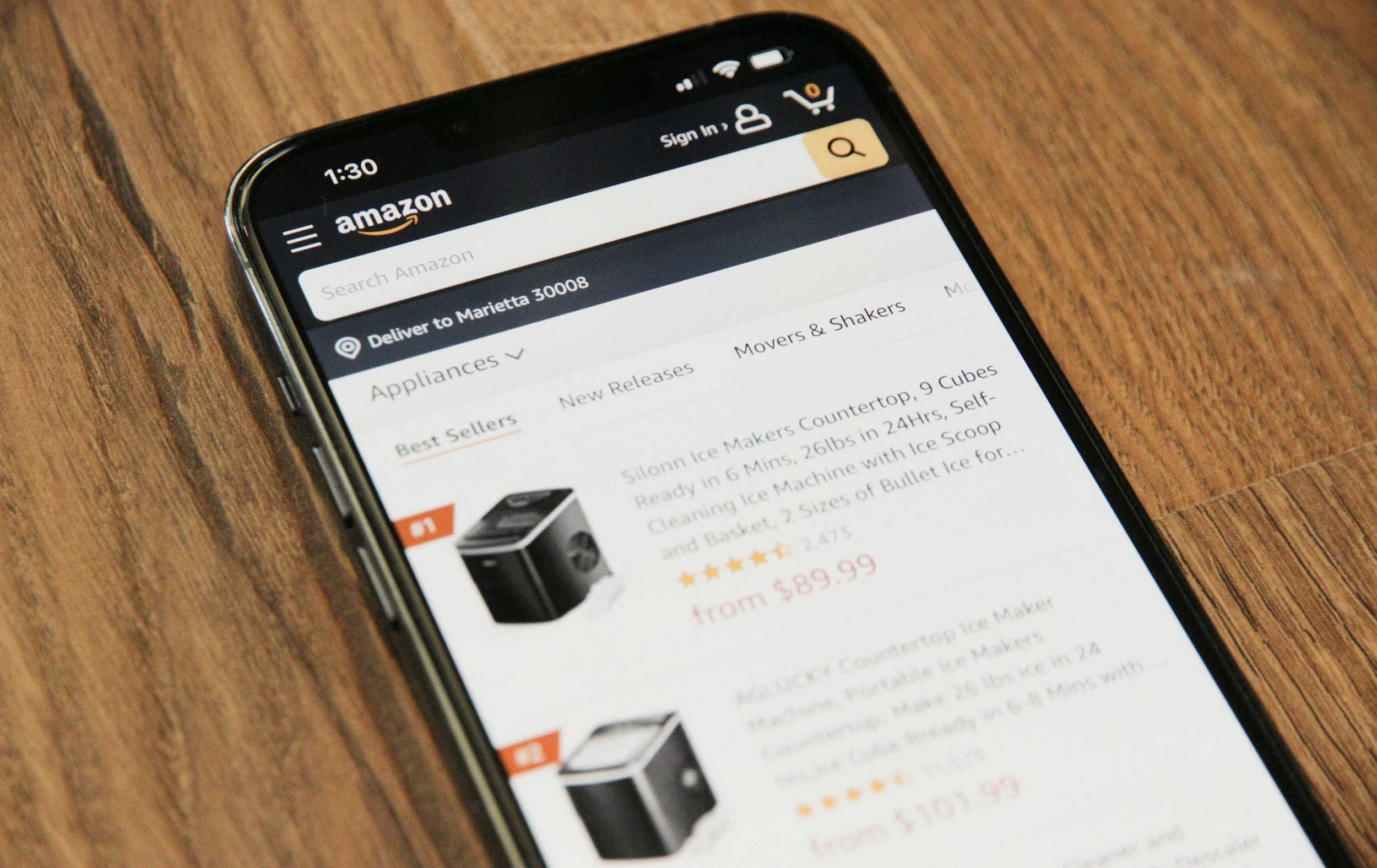
Amazon works well when customers are already searching for the type of product you sell. More than 60% of sales in Amazon’s store come from independent sellers, which shows how significant third-party businesses have become on the platform.
The trade-off is less brand control and more direct competition. Reviews, keyword rankings, pricing, and strong product listings all play a role when similar white label products appear in the same search. For beauty brands, selling skincare on Amazon also means working within the platform’s product listing, compliance, and marketplace requirements.
TikTok Shop and Instagram
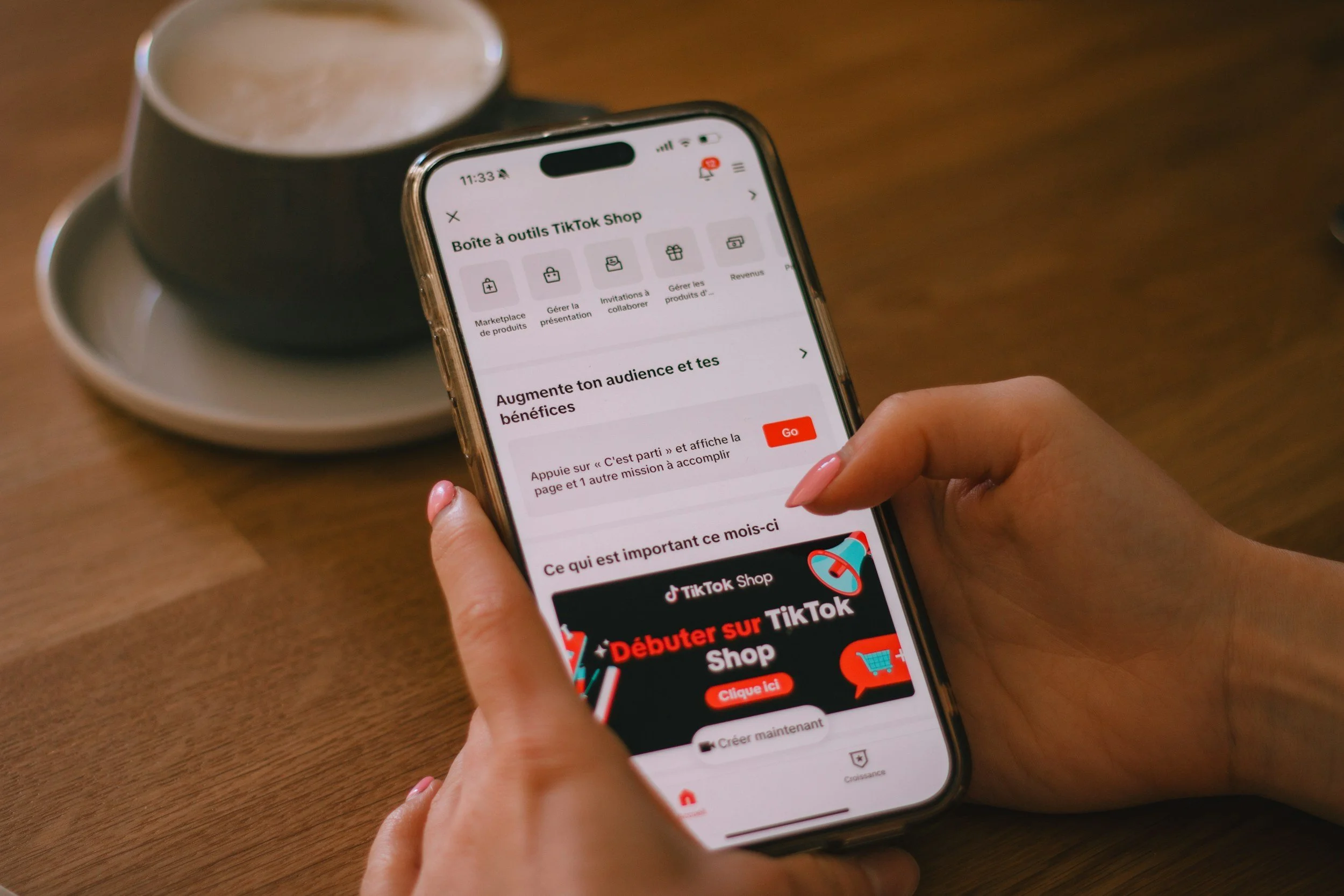
TikTok Shop and Instagram are particularly useful when your products are easy to demonstrate visually. Beauty works naturally here because customers can see textures, routines, application, results, and the people behind the brand identity.
One 2026 example comes from skincare brand Mela’Aura. According to TikTok, the brand generated 4,600+ orders and more than €233,000 in TikTok Shop revenue in Q1 2026 through a strategy that included TikTok Shop, creator partnerships, educational content, demonstrations, and paid campaigns.
The takeaway is the role content plays in discovery. Regular tutorials, routines, customer experiences, and product demonstrations give people more ways to find and understand a product before they buy.
Etsy
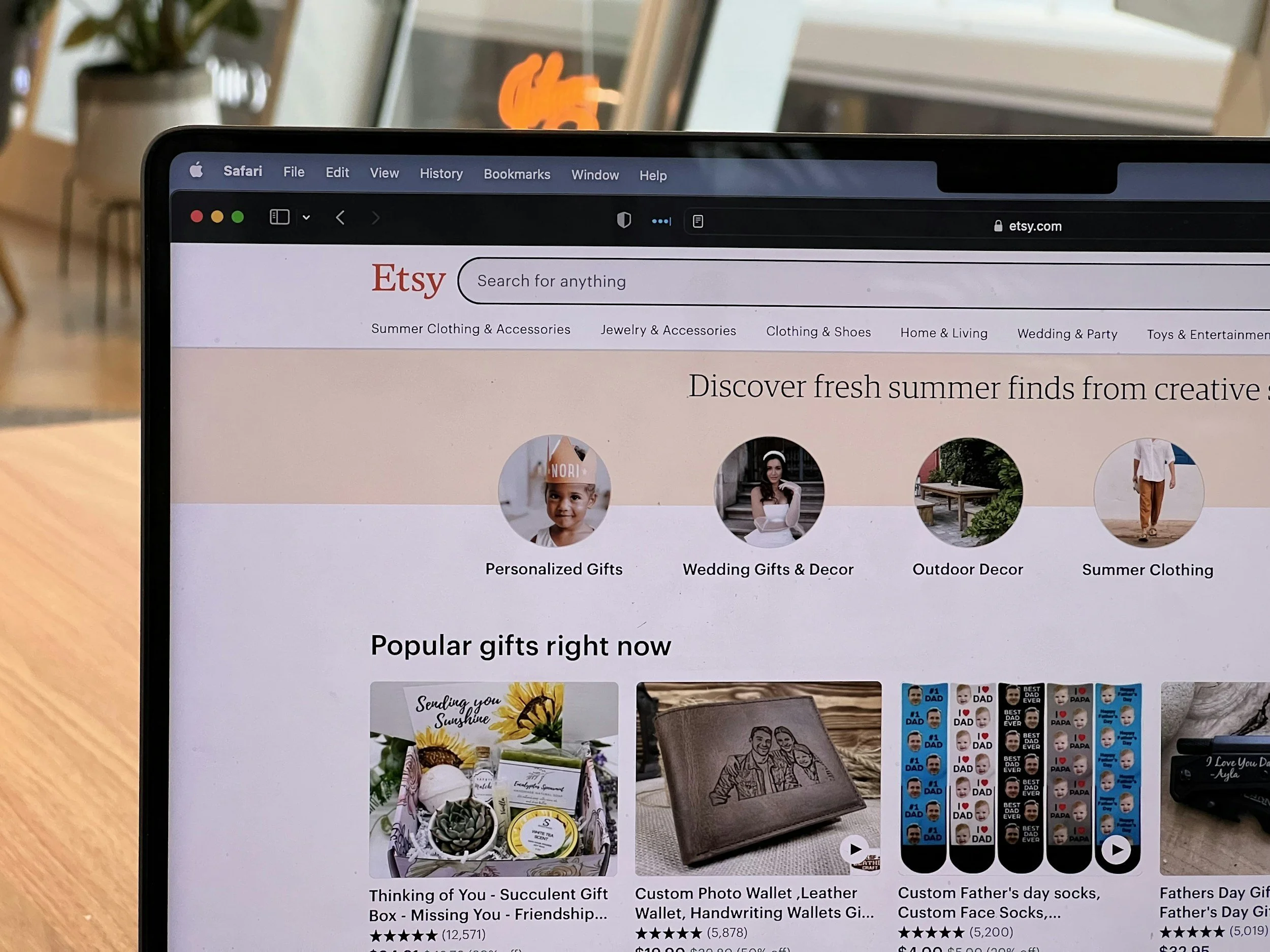
Etsy is a natural fit when your brand positioning has a niche, natural, handmade-adjacent, or artisan feel. Skincare, body care, candles, gift sets, and similar label products to sell can fit naturally into that environment.
Etsy reported 86.5 million active buyers at the end of 2025. Its research also found that 81% of surveyed buyers agreed Etsy offers items they can’t find elsewhere.
That makes differentiation especially valuable. Strong packaging design, photography, product names, and a clear story can help your products feel distinctive while customers browse similar options.
B2B and Wholesale

B2B opens up a different type of customer: salons, spas, boutiques, gift shops, and other retailers. Instead of selling one unit directly to one customer, you can sell larger quantities to a business.
Larger orders can also spread customer acquisition effort across more units. A good wholesale relationship may lead to repeat orders without having to acquire each end customer yourself.
For beauty founders using the white label business model, Selfnamed’s skincare dropshipping service can handle fulfillment directly. This can make B2B sales simpler without building a large inventory and shipping operation of your own.
The best place to start is the channel that fits both your product and your customer. Get one or two working well first. Once you understand what brings in sales, expanding into another channel becomes a much more informed decision.
Price Your White Label Products for Profit
A good pricing strategy starts with knowing what each sale actually costs you. Add together the product, packaging, shipping, platform fees, and marketing costs. That gives you the break-even point. Anything above it contributes to your margin.
For example, if the full cost of getting a moisturizer into a customer's hands is €14 and you sell it for €30, you have €16 left before other business expenses.
Price also shapes how people see your brand. A premium-looking white label skincare line with a bargain price can send a very different message from the packaging and positioning around it.
Start with the real numbers, then set a price that fits the brand you’re building. Selfnamed’s transparent pricing makes it easier to see your product costs before deciding what customers will pay.


Build the Brand That Makes Customers Choose You
Good brand differentiation gives customers something recognizable to connect with. McKinsey’s 2025 beauty research found that product quality leads purchase decisions, but a brand’s point of view matters too.
Focus on a few details that customers actually experience:
Make the brand name memorable. Brand name should be easy to say, recognize, and grow with as you add more products.
Create a consistent brand identity. Photography, colors, product pages, and social content should feel like they belong together.
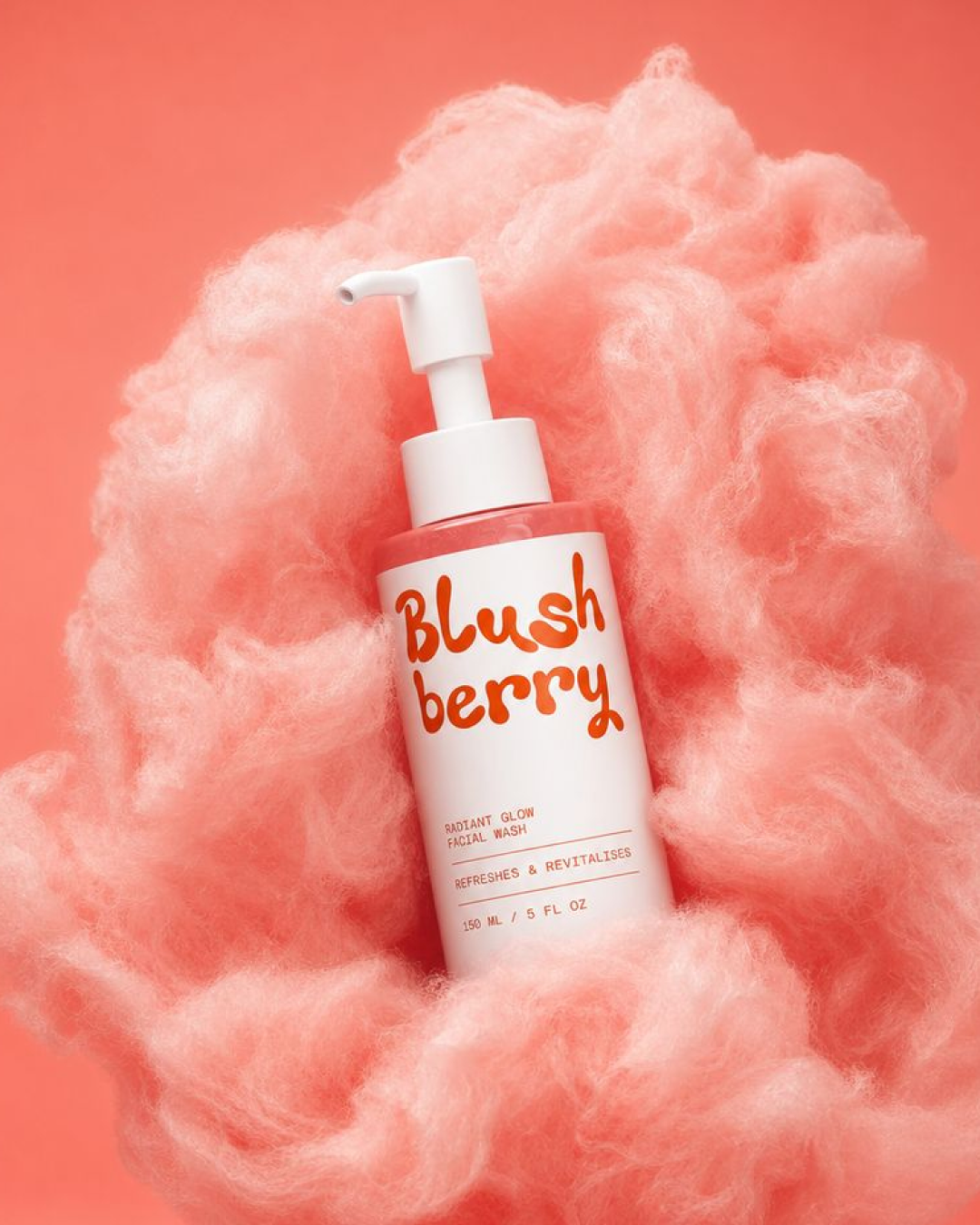
Give photography a point of view. The same moisturizer can feel clinical, playful, natural, or luxurious depending on how you present it.
Keep your brand story specific. Why you started and who you created the products for is often more interesting than polished brand language.
Use custom packaging to complete the experience. Selfnamed’s Design Studio lets beauty founders customize packaging so the product feels connected to the rest of the brand.
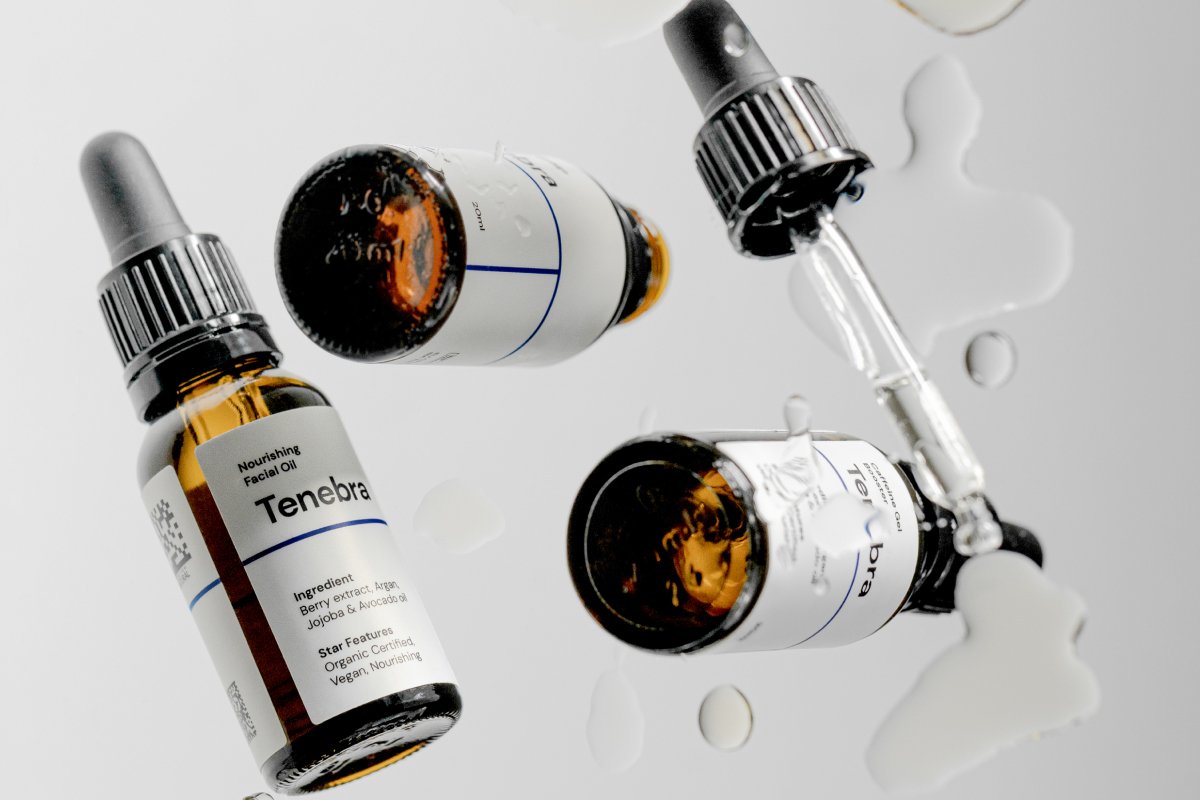
The product gives customers a reason to try you. A clear identity gives them something to recognize the next time they see you.
How to Market White Label Products and Get Your First Customers
Your first customers need to find you somewhere, understand the product quickly, and see enough proof to give a new brand name a chance. Start with a few marketing activities you can repeat consistently.
Create Content Around Real Questions
Think about what someone would search before buying your product. A skincare brand could answer questions about ingredients, routines, skin concerns, or how a product is made.
Google says consumers used Google or YouTube in around two-thirds of purchases where they discovered a new brand, product, or retailer. That gives useful content a job beyond filling your blog or social feed.
For a white label business, content can also explain your ingredients, production process, or the thinking behind your brand story.
Show the Product in Real Life
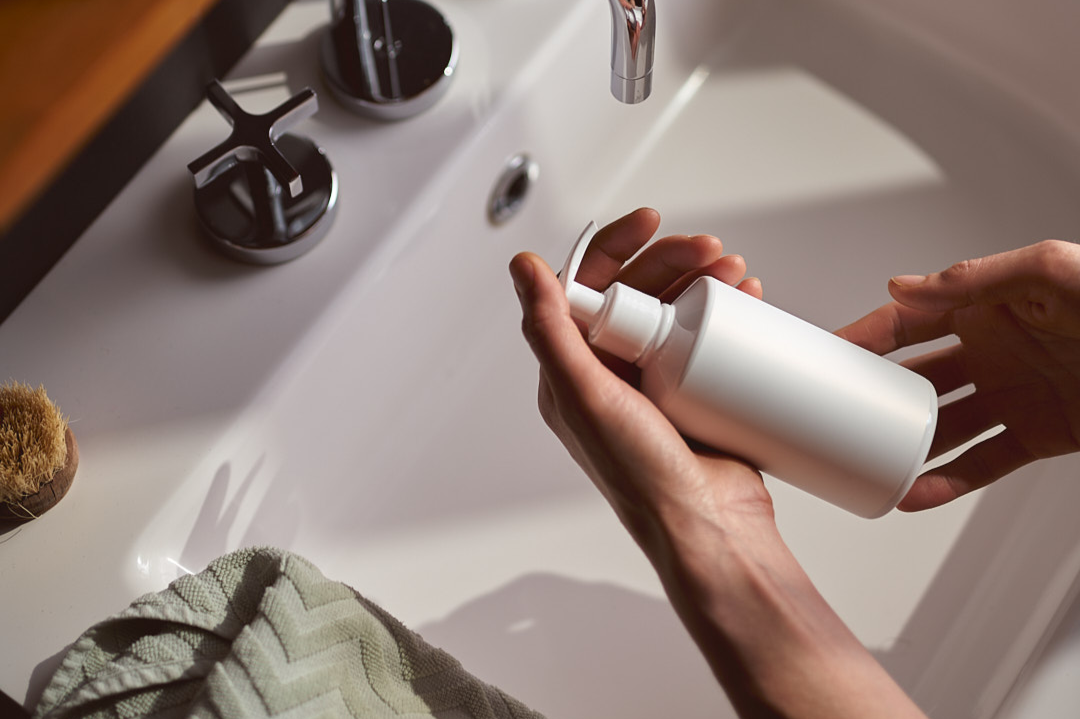
Social content should help people picture themselves using the product. Try routines, tutorials, ingredient explainers, before-and-after content where appropriate, and behind-the-scenes clips.
Deloitte’s 2025 report found that 61% of consumers surveyed had discovered a new brand or product on social media in the previous 12 months. Customer reviews mattered too, with 46% saying reviews make them more likely to purchase on a social platform.
This is where customer videos and UGC can add something polished brand photography cannot: another person showing what the product is actually like.
Build Your Email List From Day One
Email gives interested customers a direct way to hear from you again. Start with something simple, such as a launch waitlist, welcome offer, early access, or useful product advice.
As you add new label products, email also gives you a ready audience for launches, restocks, and repeat purchases.
Seed Products With the Right Creators
A smaller, relevant creator can be more useful than a large account with the wrong audience. Look at what they post, who responds, and whether your white label products genuinely fit their content.
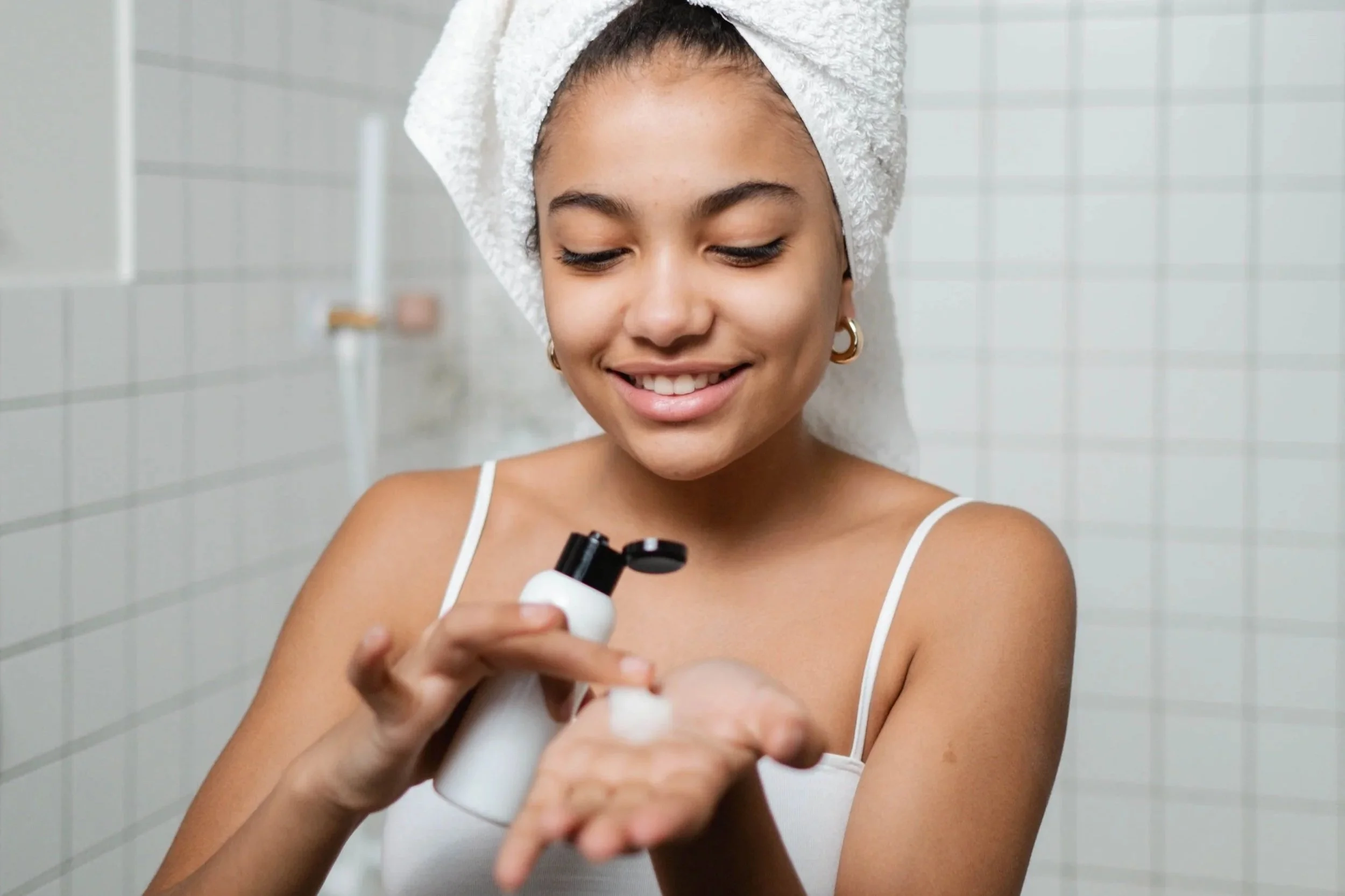
Beauty shoppers are already acting on creator recommendations. Tinuiti’s 2025 Beauty Marketing Study found that nearly two-thirds of beauty shoppers surveyed had purchased a beauty product based on an influencer recommendation in the previous year.
Send the product with a simple introduction to the brand and ask for an honest experience. Give creators enough freedom to sound like themselves.
Add Paid Ads After You Find What Works
Use your early content as a testing ground. Notice which product, message, video, or customer problem gets the strongest response, then consider putting ad spend behind it.
This gives paid marketing something proven to work with. It also helps you spend around a message customers already understand instead of paying to test every idea from scratch.
The first marketing goal is simple: find out what makes people stop, care, and buy. Once you know that, you have something you can repeat and scale.
Build Social Proof Before You Need It
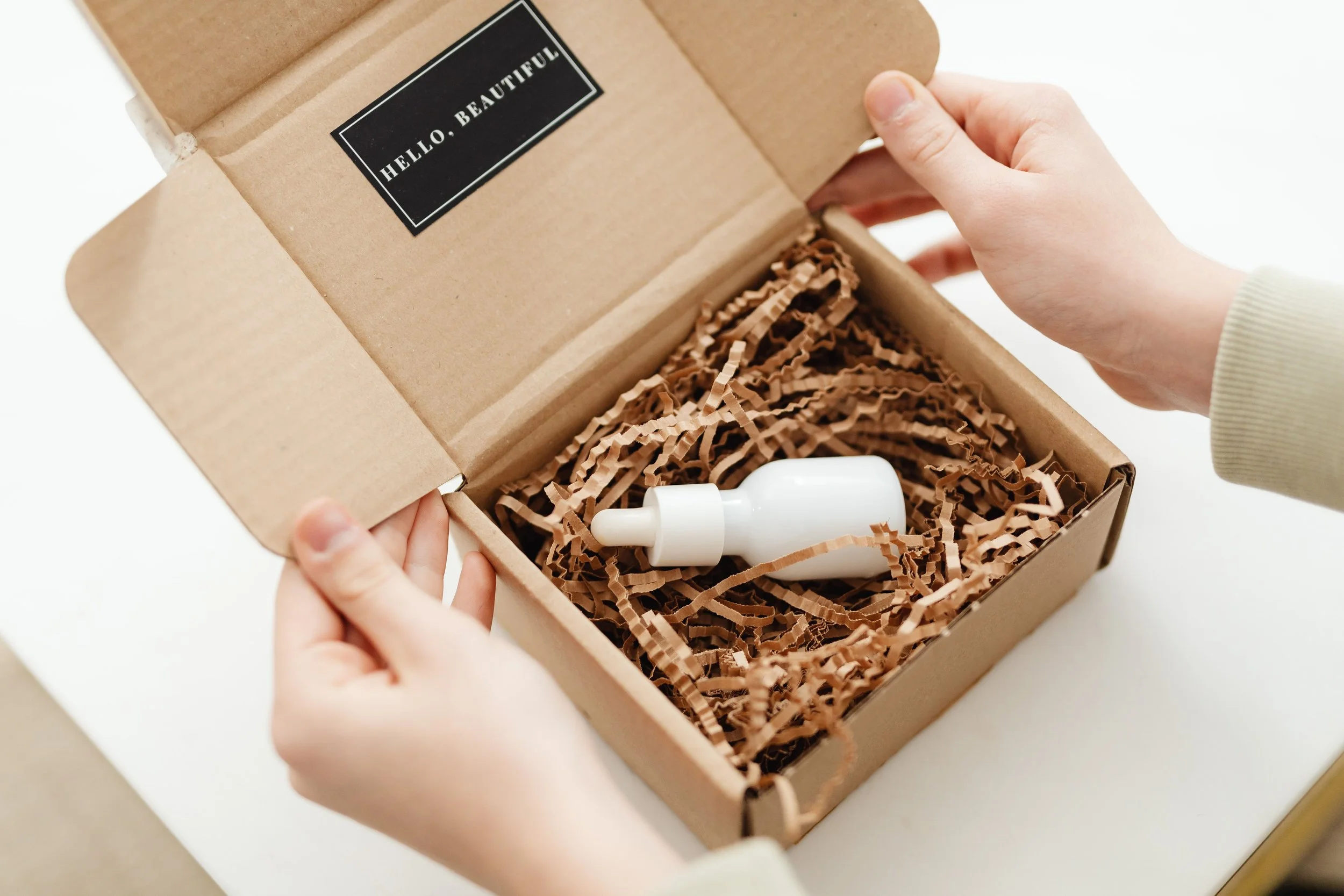
For new white label brands, the first few reviews can carry a lot of weight. They give shoppers something besides the brand’s own words to judge the product by.
Build that proof from your earliest orders:
Start with seed customers. Give samples to people who genuinely fit your audience and ask for honest feedback.
Ask after they’ve had time to use it. A short post-purchase email can turn happy customers into useful reviews.
Make the request specific. Ask what they liked, how they used the product, or where it fits into their routine. These details are more useful than a simple five-star rating.
The same approach works for private label and other label products to sell. Collect real customer experiences while the brand is small, and you’ll have proof ready when more people start discovering you.
What Are Good White Label Products to Sell?
Start with products that have healthy margins, room for strong branding, and an audience you understand. Always test samples before committing to a supplier.
Skincare, hair care, body care, cosmetics, and other white label products with repeat-purchase potential can be particularly interesting. There are also plenty of white label product ideas beyond beauty, from wellness products to home and lifestyle categories.
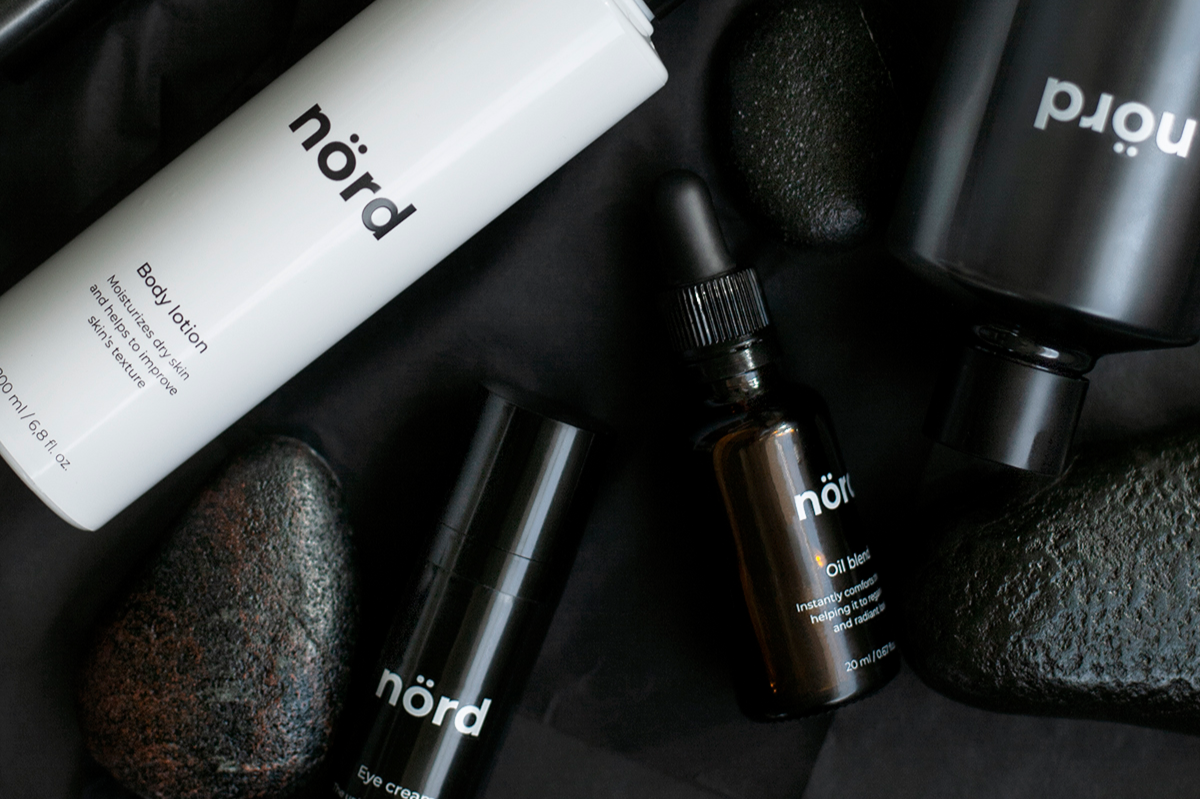
Whatever you choose, look at the numbers and the branding potential together. A good product should leave enough margin to market it, while giving you room to create something customers can recognize as your own.
The same thinking applies to private label. The product gives you a starting point. The sales strategy around it is what turns that product into a business.
How to Sell White Label Products and Build for the Long Term
Getting white label products ready to sell is the exciting part. Turning them into a business people come back to takes a little more thought.
The strongest white label business has all the pieces working together: a clear identity, pricing that leaves room to grow, sales channels that fit the customer, and marketing that builds trust over time.
You can start small. Pick the channel where your customers already spend time, learn what gets their attention, and listen to what early buyers tell you. Each sale gives you a little more information about what to improve next.
That’s the real opportunity with white label. You start with a ready-made product, then build something around it that feels distinctly yours and gives customers a reason to return.
Frequently Asked Questions
-
Start with one or two places where your customers already shop, such as your own store, Amazon, TikTok Shop, or Etsy. Strong white label brands pair the right sales channel with clear pricing, useful content, and a brand name people can remember.
-
Good white label products have healthy margins, repeat-purchase potential, and plenty of room for branding. Skincare, hair care, body care, and cosmetics are popular options because packaging design and positioning can give similar products very different identities. The same principles apply to private label products.
-
It depends on your product cost, custom packaging, shipping, platform fees, marketing, and retail price. Calculate the full cost of each sale first. A sustainable white label business leaves enough margin to cover those expenses and still generate a profit as sales grow.
-
No. You can sell label products through marketplaces, social commerce, or directly to other businesses. Many white label brands still build a website because it gives them more control over the customer experience and space to explain their products, production process, and story.
Must read